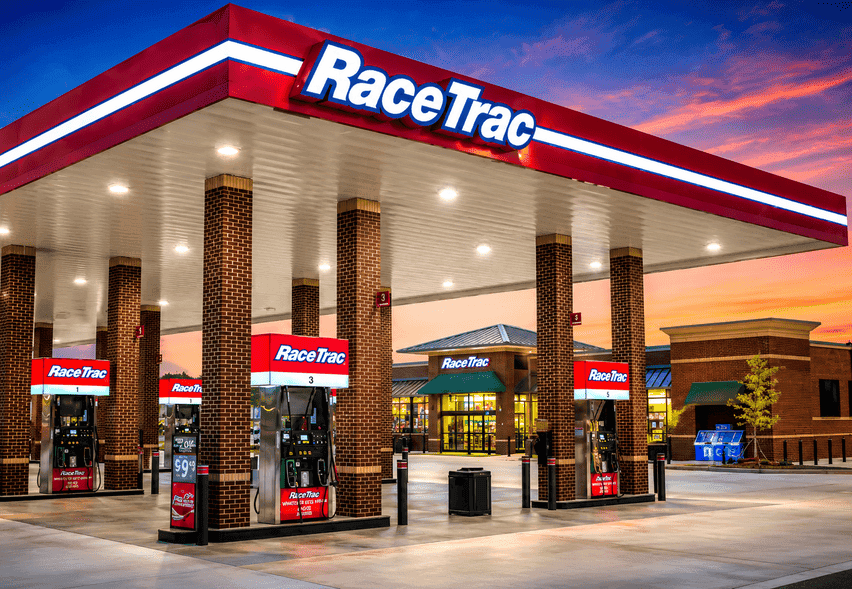
RaceTrac Names Jill Pemberton as New CFO
RaceTrac has appointed Jill Pemberton as chief financial officer, succeeding Karla Ahlert, who moves into the newly created role of chief administrative officer.
News
Aug 26, 2026
RaceTrac has appointed Jill Pemberton as chief financial officer, succeeding Karla Ahlert, who moves into the newly created role of chief administrative officer.
Aug 26, 2026
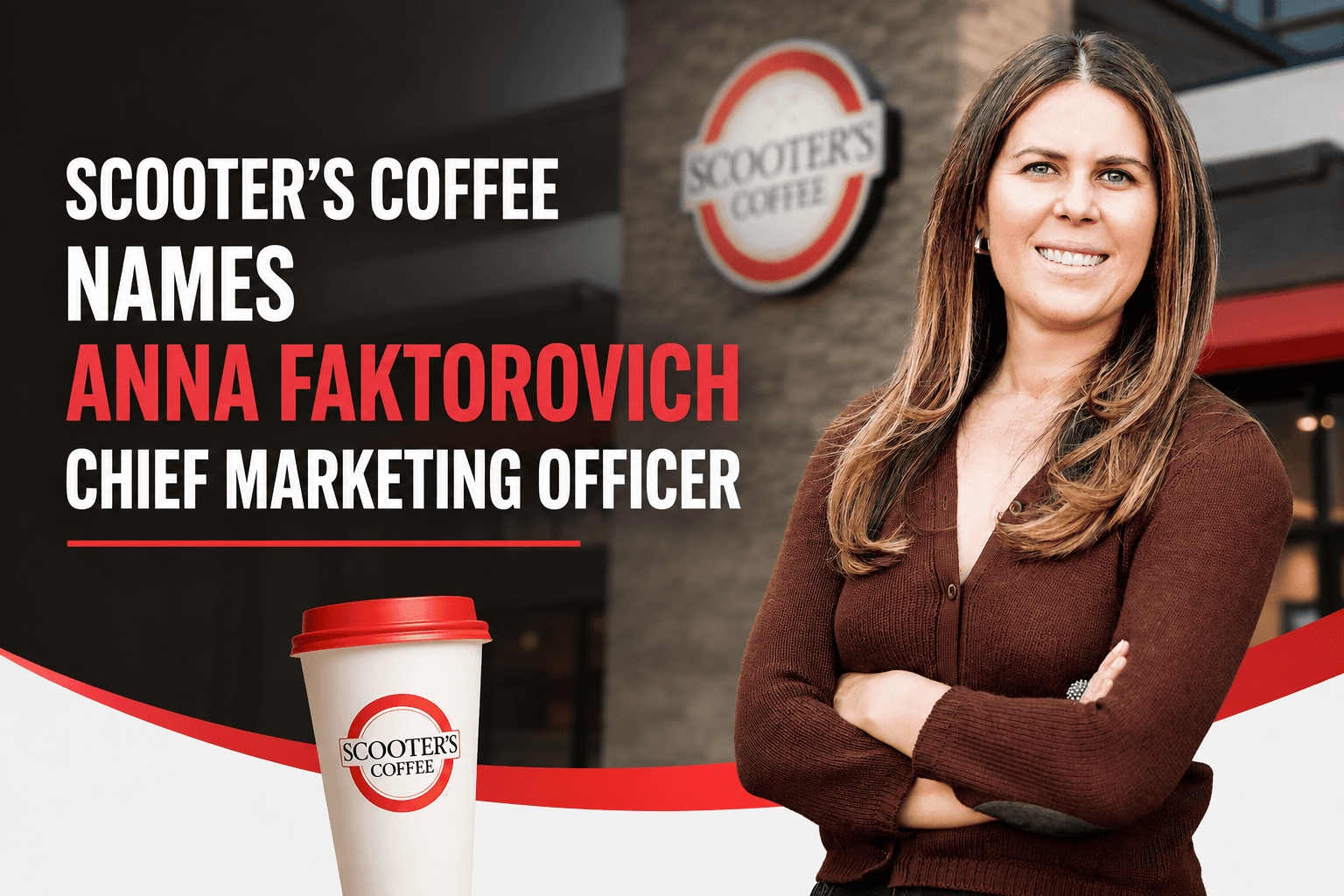
Anna Faktorovich, a seasoned marketing executive, has been named Chief Marketing Officer at Scooter’s Coffee, bringing decades of multi-brand experience to fuel the franchise’s next growth stage.
Aug 25, 2026

A payroll advance policy helps restaurant owners define eligibility, limits, repayment, documentation, approval procedures, and compliance requirements for employee advances.
Aug 24, 2026
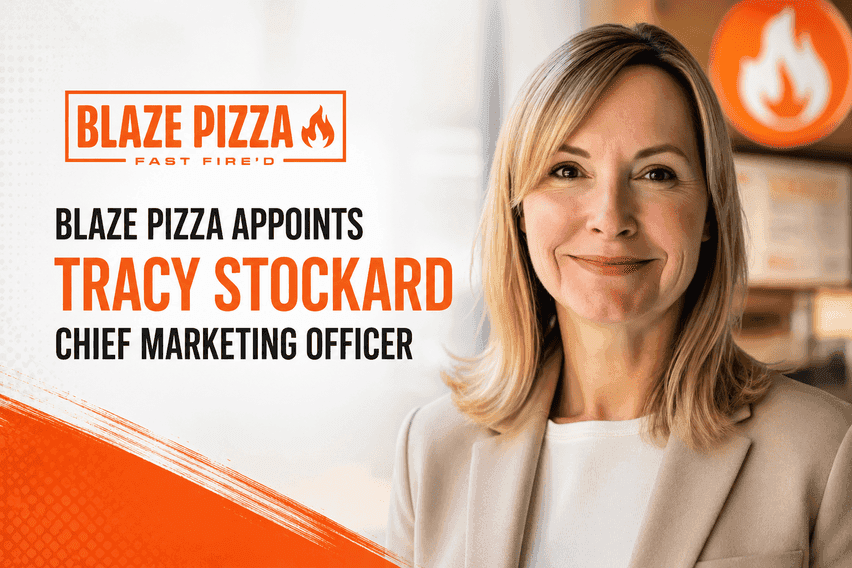
Blaze Pizza welcomes Tracy Stockard as Chief Marketing Officer, bringing decades of brand and franchise experience to drive strategic growth and guest engagement.
Aug 25, 2026

Create a practical restaurant marketing plan by setting goals, targeting customers, choosing channels, budgeting wisely, scheduling campaigns, and measuring results.
Aug 24, 2026
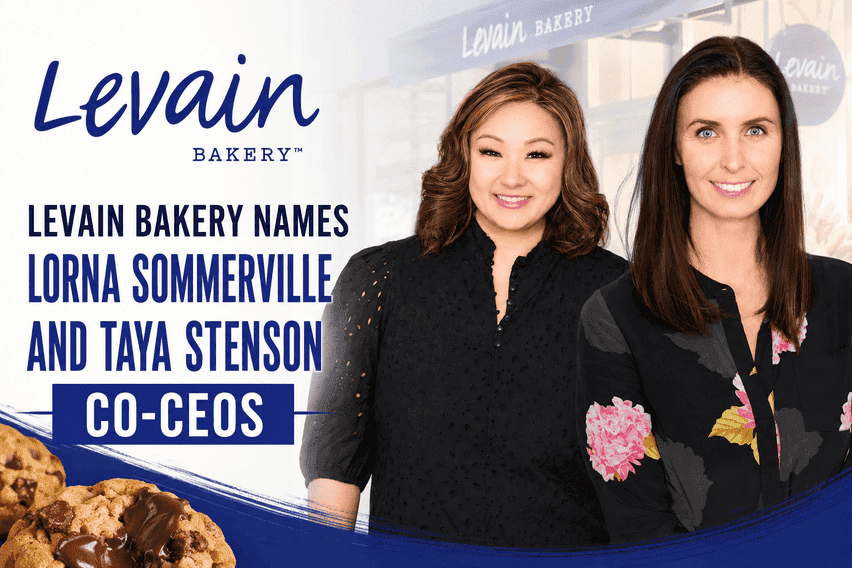
Levain Bakery appoints Lorna Sommerville and Taya Stenson as co-CEOs, blending operational and marketing expertise to power national expansion and innovation while staying rooted in its brand values.
Aug 25, 2026
Wendy’s announces Tariq Hassan as Chief Marketing and Customer Growth Officer, charting a new course for brand and digital innovation. What restaurant owners can learn.
Aug 24, 2026
Dave & Buster's refreshes its executive lineup with seasoned leaders in operations, marketing, tech, and finance - signaling a growth-driven future for restaurant operators to watch.
Aug 24, 2026

Learn how to build a restaurant back office software stack that improves efficiency, integrations, reporting, cost control, and scalability overall.
Aug 21, 2026
Clear operating procedures help restaurants manage opening, closing, food preparation, sanitation, guest service, inventory, staffing, and routine operational reviews effectively.
Aug 21, 2026

Unlock Exclusive Access To Webinars, Events, And The Latest News For Free!
A leading Carl's Jr. operator files for bankruptcy, revealing how California's wage hike and franchise instability create pressure across fast food.

Photo by Zeki Okur
When strong winds disrupt a delicate balance, even the seemingly robust can crumble. So it was for Sun Gir, a leading operator of Carl’s Jr. outlets in Southern California, which filed for Chapter 11 bankruptcy, a move underscored by both necessity and inevitability. At the center stood Harshad Dharod, whose stewardship of 59 restaurants could not withstand a perfect storm of surging wage mandates and internal brand malaise. The collapse extended across five more entities within his Friendly Franchisees Corp. portfolio, each a thread pulled loose by mounting pressures.
Despite achieving $19.9 million in sales from January to March, Sun Gir hemorrhaged $2 million, a loss that belies the raw volume and betrays a business model rendered untenable. Carl’s Jr., distancing itself, attributed blame to unique circumstances: yet court documents tell of declared defaults and threats of franchise termination, articulating a relationship placed under acute strain.
In this tableau, the boundaries between brand and operator blur, each exposed by the fissures of an unforgiving economic terrain.

It is tempting to attribute such a dramatic fall solely to regulatory edicts. Yet, as with any well-constructed sauce, the flavors are layered: the California minimum wage hike to $20/hour beginning in April 2024 represented a pronounced spike, a 25 percent leap beyond previous thresholds. But this fiscal jolt did not pierce an otherwise pristine surface. Rather, it deepened cracks long embedded within the brand architecture.
Dharod invoked a litany of woes: ineffective marketing, executive turnover, and, perhaps most damning, a “lack of innovation at the franchisor level.” Meanwhile, Carl’s Jr.’s systemwide malaise was laid bare: U.S. sales slid about 6 percent in 2025, and average unit volumes contracted to $1.4 million, evidence of withering foot traffic and waning consumer appetite. Even the parent, CKE Restaurants, weathered turbulence, rotating through four CEOs since 2017, sapping organizational continuity.

Dissonance resonates wherever policy reshapes the cost of labor. California’s Assembly Bill 1228 did just that, carving out a fast-food minimum wage tier $4 above the ordinary. The result was felt with a violence that shattered equilibrium: thin margins, already sharpened by competition, were now eviscerated by a 25 percent payroll surge.
Analyses swirl in the academic ether like competing aromas. Pepperdine University’s study estimated 23,000 fast-food job losses across California post-hike, even as national sector growth flatlined. Meanwhile, UC Santa Cruz researchers documented labor-saving strategies: reduced employee hours, lost overtime, and the encroachment of automation where humans once worked the grill. Some franchisees delayed openings or shuttered locations, while others took the more palatable, if not popular, step of raising menu prices.
The lingering aftertaste is unmistakably one of retrenchment and contraction, rather than expansion.

Every shift in labor policy brings forth a chiaroscuro of data, each illuminating and obscuring in equal measure. On one hand, research from Harvard and UCSF contends that staffing and benefits remained stable, even rising by approximately 7,400 jobs post-wage increase, a fragile bloom in the newly irrigated wage landscape. On the other, UC Santa Cruz points to a darker palette: steep cuts to labor hours, vanishing overtime, and staff replaced by software and screens across franchised units.
These competing assessments hardly settle the matter, but instead highlight the swirl of uncertainty inherent in policy experiments of this magnitude. For every gain, a loss; for every metric, a countervailing shadow. Such ambivalence can be maddening for operators, who seek clarity and receive only ambiguity.
A deeper complexity emerges where financial desperation meets institutional strictness. With sales in abundance but profit in retreat, Sun Gir faced not only economic distress but also institutional disavowal: Carl's Jr. declared defaults at several sites, placing the franchise agreements themselves in jeopardy. The implicit suggestion, adapt or be excised, chilled the air between franchisor and operator.
Such legal brinkmanship illustrates how franchisees can find themselves caught in a vice between swift regulatory change and a brand unable, or unwilling, to lend operational lifelines. The unspoken lesson: in this business, protective traditions offer little security against the cold machinery of commerce when winds change.

Though Sun Gir’s collapse rivets attention, the broader disease is unmistakable: Carl’s Jr. and its parent CKE Restaurants are shrouded in declining systemwide sales and flagging unit volumes. By the end of 2024, 30 locations gone, sales down 5 to 6 percent, and the once robust tempo of store openings gives way to international forays, an echo of past ambitions orchestrated by now-retired leaders.
Domestically, new leaders such as Joe Guith (CEO, March 2025) and Blake Devillier (Carl’s Jr. president, early 2024) have been tasked with reanimating a brand marred by familiarity-induced stagnation. Brand clarity and innovation are the mantras, yet the true mark of their tenure will be whether they can calm the turbulence with more than platitudes.

As the kitchen cools and the din recedes, the lesson crystallizes: franchise viability depends as much on adaptability as on brand promise. Sudden regulatory tides may reshape the coastline, but endemic brand inertia and lack of franchisor support can undermine even solid foundations. The Sun Gir story, while extreme, serves as a bellwether for all legacy operators facing mounting labor costs and fickle consumer loyalties.
California’s minimum wage experiment ensures that the next chapters will be written under closer scrutiny. Is meaningful brand reinvention possible, or have the ingredients for success grown too rare? Owners and franchisors alike must harmonize their strategies, or risk repeating, again and again, a recipe for collapse.