
How Much Does It Cost to Open an Ice Cream Shop?
Learn the startup costs of opening an ice cream shop, including rent, equipment, renovations, permits, inventory, labor, marketing, and reserves.
Business Management
Aug 28, 2026
Learn the startup costs of opening an ice cream shop, including rent, equipment, renovations, permits, inventory, labor, marketing, and reserves.
Aug 28, 2026

RaceTrac has appointed Jill Pemberton as chief financial officer, succeeding Karla Ahlert, who moves into the newly created role of chief administrative officer.
Aug 26, 2026

A restaurant P&L statement reveals sales, expenses, and profits, helping owners manage costs, improve margins, and plan finances more effectively.
Aug 26, 2026

Learn practical ways to reduce labour costs through smarter scheduling, forecasting, productivity, cross-training, automation, overtime control, and performance monitoring strategies.
Aug 26, 2026
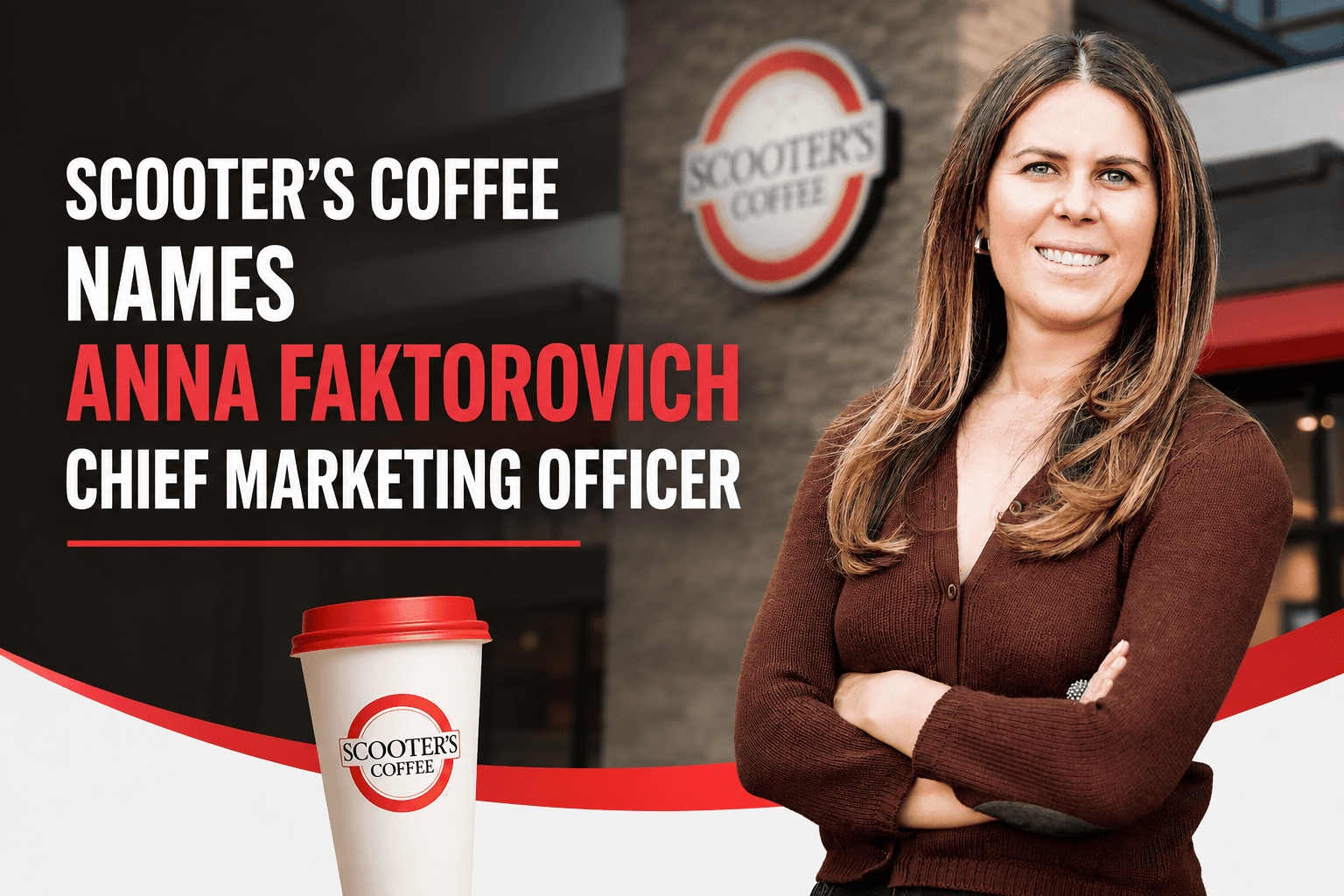
Anna Faktorovich, a seasoned marketing executive, has been named Chief Marketing Officer at Scooter’s Coffee, bringing decades of multi-brand experience to fuel the franchise’s next growth stage.
Aug 25, 2026

Levain Bakery appoints Lorna Sommerville and Taya Stenson as co-CEOs, blending operational and marketing expertise to power national expansion and innovation while staying rooted in its brand values.
Aug 25, 2026
Create a practical restaurant marketing plan by setting goals, targeting customers, choosing channels, budgeting wisely, scheduling campaigns, and measuring results.
Aug 24, 2026
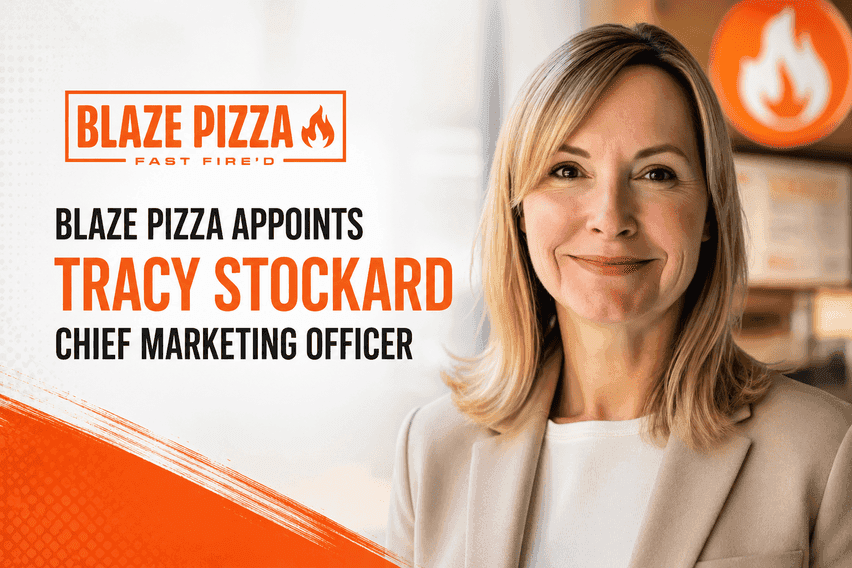
Blaze Pizza welcomes Tracy Stockard as Chief Marketing Officer, bringing decades of brand and franchise experience to drive strategic growth and guest engagement.
Aug 25, 2026

A payroll advance policy helps restaurant owners define eligibility, limits, repayment, documentation, approval procedures, and compliance requirements for employee advances.
Aug 24, 2026
Dave & Buster's refreshes its executive lineup with seasoned leaders in operations, marketing, tech, and finance - signaling a growth-driven future for restaurant operators to watch.
Aug 24, 2026

Unlock Exclusive Access To Webinars, Events, And The Latest News For Free!
Coronavirus Economic Impact - Learn how to implement the best practices to protect your business and employees, as we understand the consequences of global pandemics.

COVID-19, a highly infectious respiratory disease that has wreaked havoc in nearly every corner of the globe, is said to spread through small droplets, entering the body through the eyes, nose, or mouth. The economic impact of this pandemic has been felt domestically, as well as internationally, as the public's fear of contamination has increased and policies regarding this outbreak have become stricter. With many cities, states, and countries imposing strict social distancing or shelter in place orders, there have been countless mass gathering and event cancellations, as well as business and school closures. While many fear this threat to financial stability across all industries and the global economy, business leaders can still take the recommended steps by following guidelines from the Center for Disease Control and World Health Organization to create an effective response to this coronavirus crisis.

Currently, many essential businesses across the U.S. are still allowed to operate as long as they are able to maintain a safe 6 feet distance between persons. While some cafes and restaurants are being required to turn away sit-in customers, they are still able to serve take-out or delivery orders. These distancing measures have been implemented in an attempt to slow the spread of the virus and is expected to continue on for some time. Business leaders have seen just how difficult these regulations have been for the economy. As foot traffic falls and new alarming information is released by the government every day, it's vital that companies productively plan for this uncertain time and times to come. As they navigate through how to handle the economic impact of the coronavirus, employers should consider the following recommendations to ensure the safety of customers and staff.

The most important point employers should keep in mind is to remain flexible. Have strategies in place for different scenarios, such as if the business must shut its doors or limit staff members, and make sure there is more than just one plan of action. Take into account how to prevent transmission among staff members, the best ways to protect the people most at risk (older adults and people with serious underlying medical conditions), and how to maintain business operations while staying in line with new procedures. Further considerations should include -
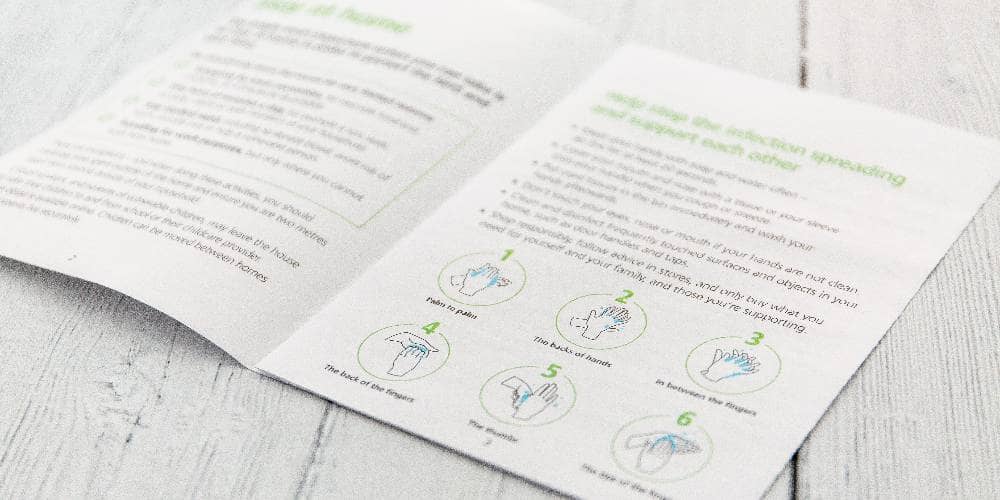
When creating a plan, consider the following steps in relation to the business's current situation.

As of right now, there are many possible outcomes to the longterm economic impact of this coronavirus outbreak. Therefore, business decisions should be based on responding to what is factual rather than fears or rumors. When there are major shifts within the dynamic of economics, forecasting tools can be incredibly helpful at giving businesses a clearer outlook on how their sales, labor and supply chain may be affected, as well as how best to cope with potential setbacks and profit losses. Automated software is just one way to harness the power of forecasting to help navigate through these uncertain times.