
California Penalizes Dickey's for Franchise Disclosure Violations
California shifts to public enforcement strategy against Dickey's for deceptive franchise disclosures, signaling stricter state-level franchise oversight.
Franchising
Sep 10, 2026
California shifts to public enforcement strategy against Dickey's for deceptive franchise disclosures, signaling stricter state-level franchise oversight.
Sep 10, 2026
Paul Brown temporarily steps away from Inspire Brands as Scott Murphy assumes interim CEO role during confidential IPO filing process targeting late 2026.
Sep 10, 2026
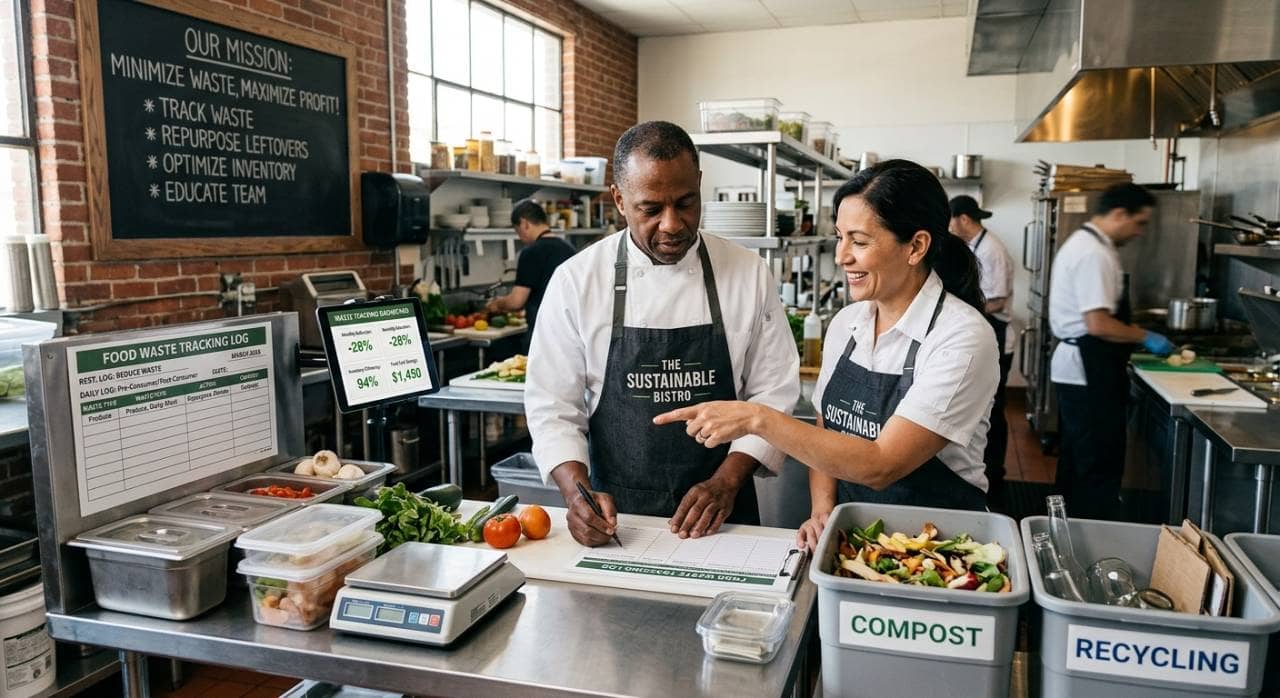
Learn how to reduce food waste in restaurants through smarter purchasing, storage, preparation, and service strategies that cut costs.
Sep 9, 2026
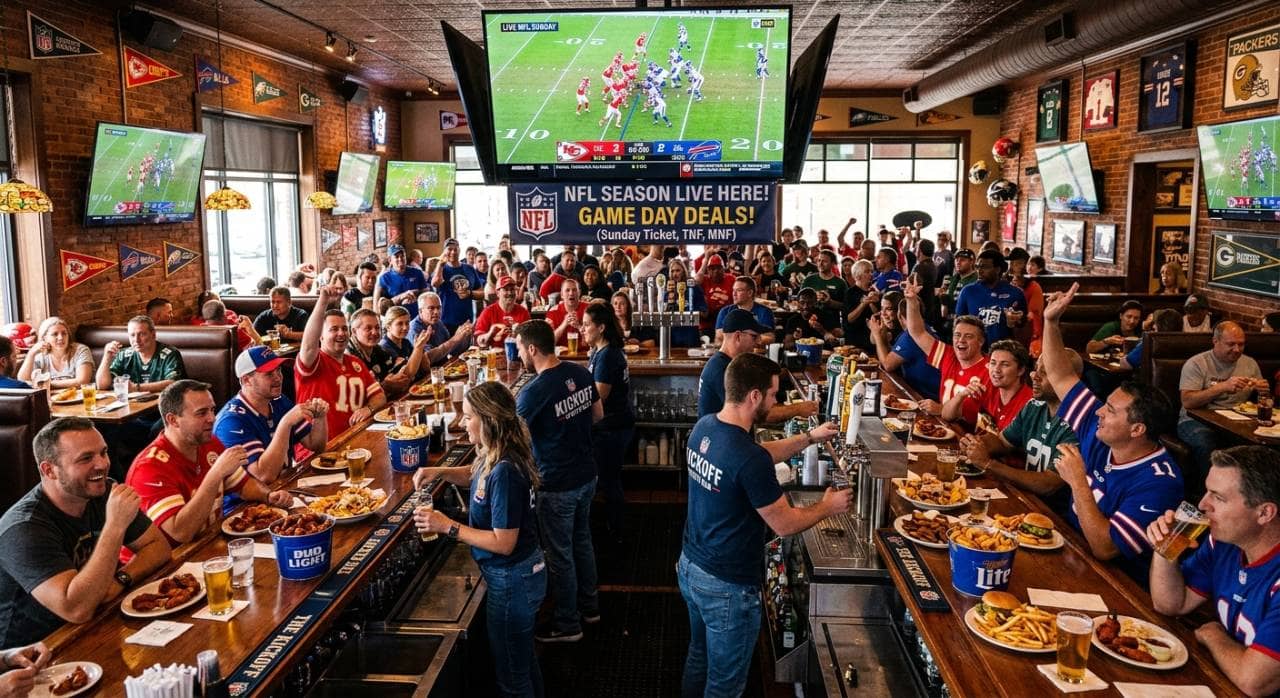
Prepare your restaurant for NFL season with smart menu planning, staffing, marketing, technology, and atmosphere strategies that boost season-long revenue.
Sep 9, 2026
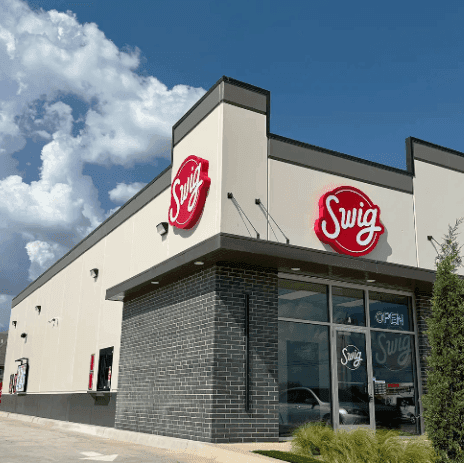
Swig signs franchise agreement for 11 South Denver locations, marking Colorado entry and validating its national expansion strategy.
Sep 8, 2026
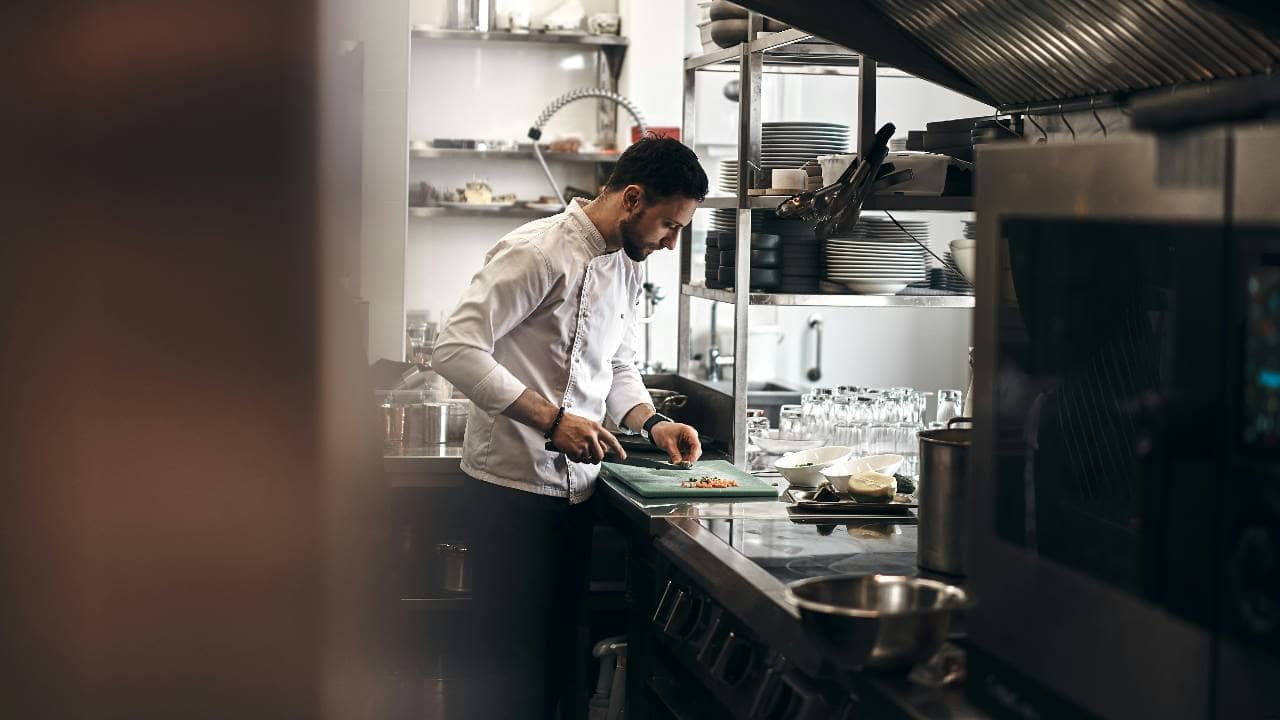
Complete guide helping restaurant owners choose essential kitchen equipment - covering cooking, refrigeration, prep, sanitation, ventilation, safety, and long-term maintenance planning.
Sep 7, 2026
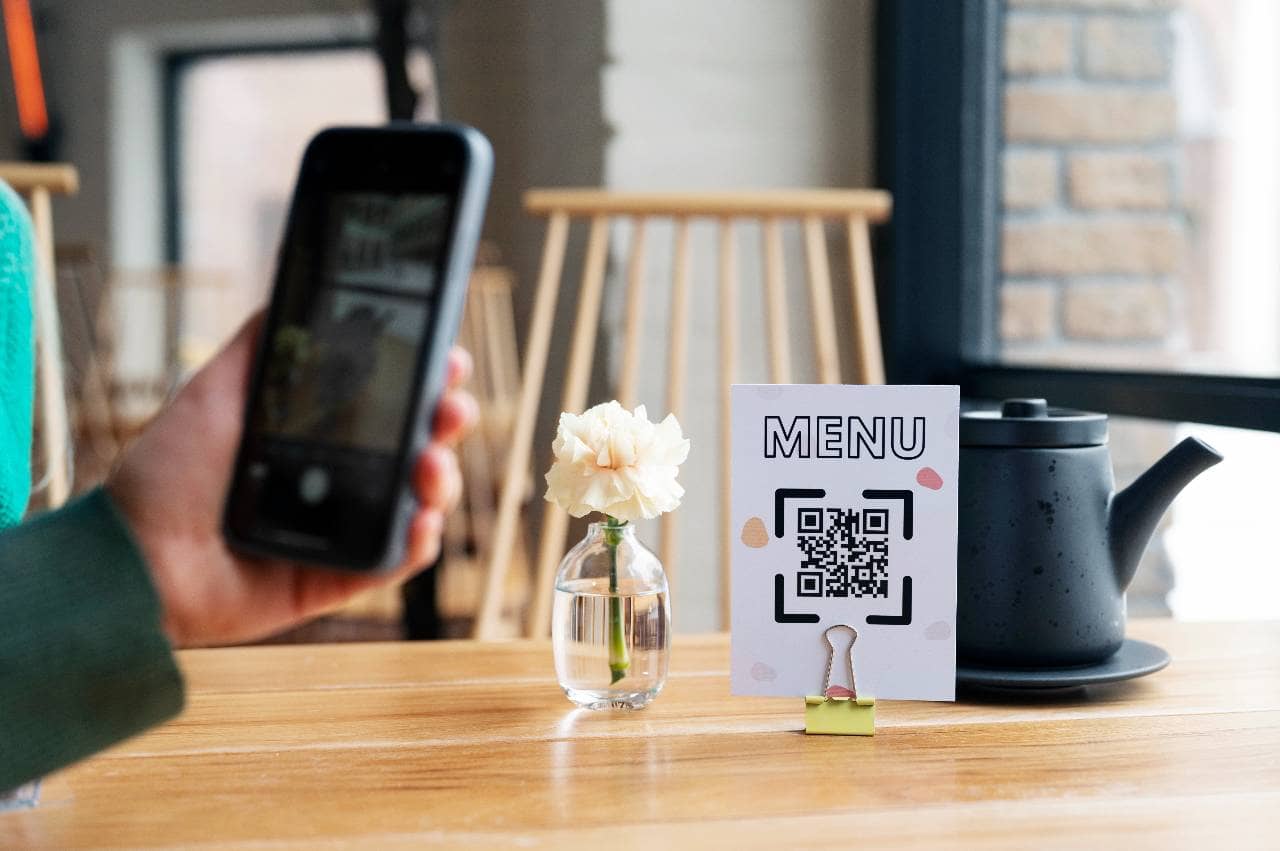
QR code menus let restaurants replace paper menus digitally, enabling instant updates, contactless browsing, ordering, and payment through simple smartphone scanning.
Sep 7, 2026

Avoiding common restaurant payroll mistakes - misclassification, tip credit errors, overtime miscalculations - protects businesses from costly penalties, back pay, and compliance risks.
Sep 4, 2026
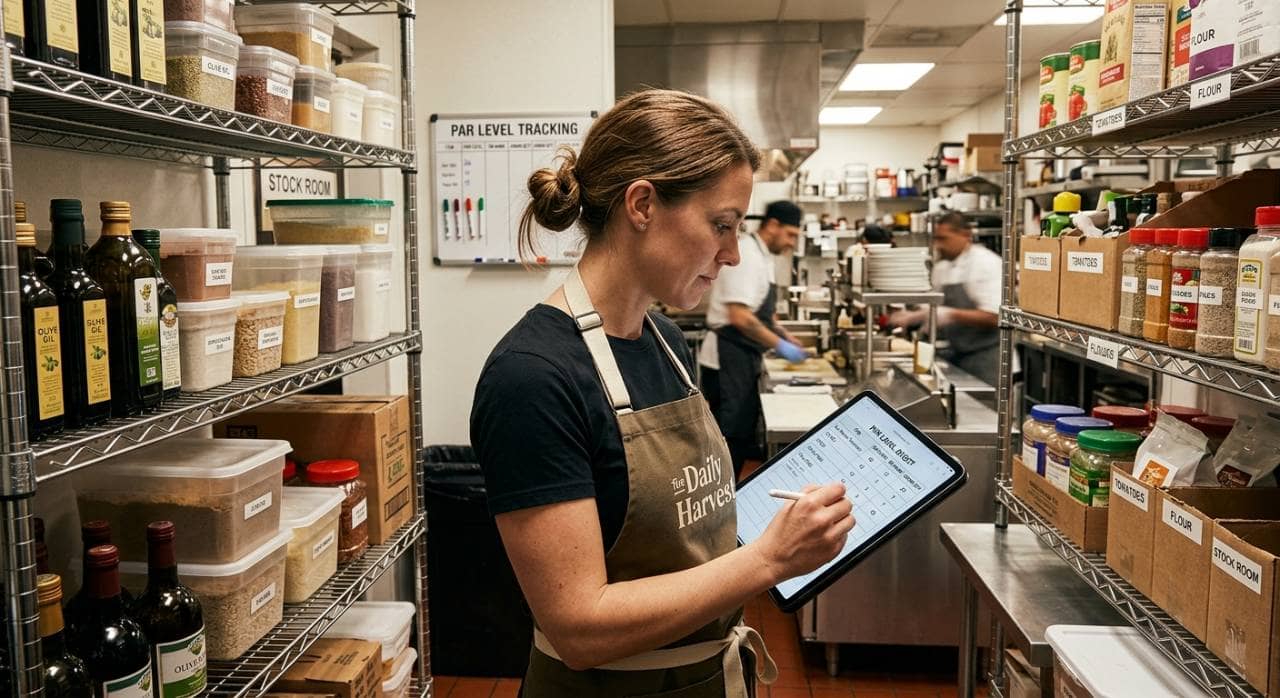
Learn to calculate par levels for restaurant food, beverages, and packaging inventory, preventing stockouts and waste through proper formulas.
Sep 4, 2026
Caribou Coffee appoints Zane Thomas-Rogers as Chief Operations Officer to strengthen execution across its expanding coffeehouse network.
Sep 4, 2026

Unlock Exclusive Access To Webinars, Events, And The Latest News For Free!
Discover DoorDash Ask, a new AI chatbot that lets users find restaurants, build orders, and shop groceries through simple chat-based search.

DoorDash is reimagining how customers discover food, groceries, and dining options with the launch of DoorDash Ask, a new AI-driven chatbot built directly into the app. The feature, announced on Thursday, aims to eliminate the frustration of scrolling through endless menus and categories by letting users simply type what they're craving in natural language.
DoorDash Ask allows customers to enter conversational requests, such as "filling dinner for a family of 4" or "quick lunch under $15," and instantly receive curated recommendations tailored to their needs. Unlike traditional browsing, which relies on scrolling through cuisine categories or themed carousels like "Most Loved" or "Quick and Affordable Dinners," this tool understands intent and delivers relevant results in seconds. The chatbot doesn't stop at simple suggestions. Users can continue the conversation to refine their choices, ask follow-up questions, or even have DoorDash Ask build a complete order based on their preferences. From there, customers retain full control to edit the order before checkout, ensuring the AI assists without taking over the decision-making process entirely.
DoorDash Ask isn't limited to restaurant discovery. The tool also helps users find restaurant reservations and shop for groceries. One standout feature allows customers to upload a photo of a recipe, and the AI will help identify and source the necessary ingredients for purchase through the app. This expansion reflects DoorDash's broader strategy of becoming a one-stop platform for food-related needs, whether that means ordering dinner, planning a special occasion, or stocking up on groceries for the week.
With an estimated 800,000 menu items and grocery products available to the average DoorDash customer, the sheer volume of choices can be overwhelming. Traditional browsing methods only scratch the surface of what's actually available on the platform. DoorDash Ask is designed to help users tap into this vast selection more efficiently. "We've spent over a decade building an app that puts everything in the city at your fingertips, but more options shouldn't mean more work," said DoorDash co-founder Andy Fang in a statement. "Now you can search DoorDash in your own words to find exactly what you want." This sentiment captures the core philosophy behind the launch - more choice should translate into better experiences, not decision fatigue. By allowing users to search in their own words, DoorDash hopes to make the platform feel more intuitive and personalized.
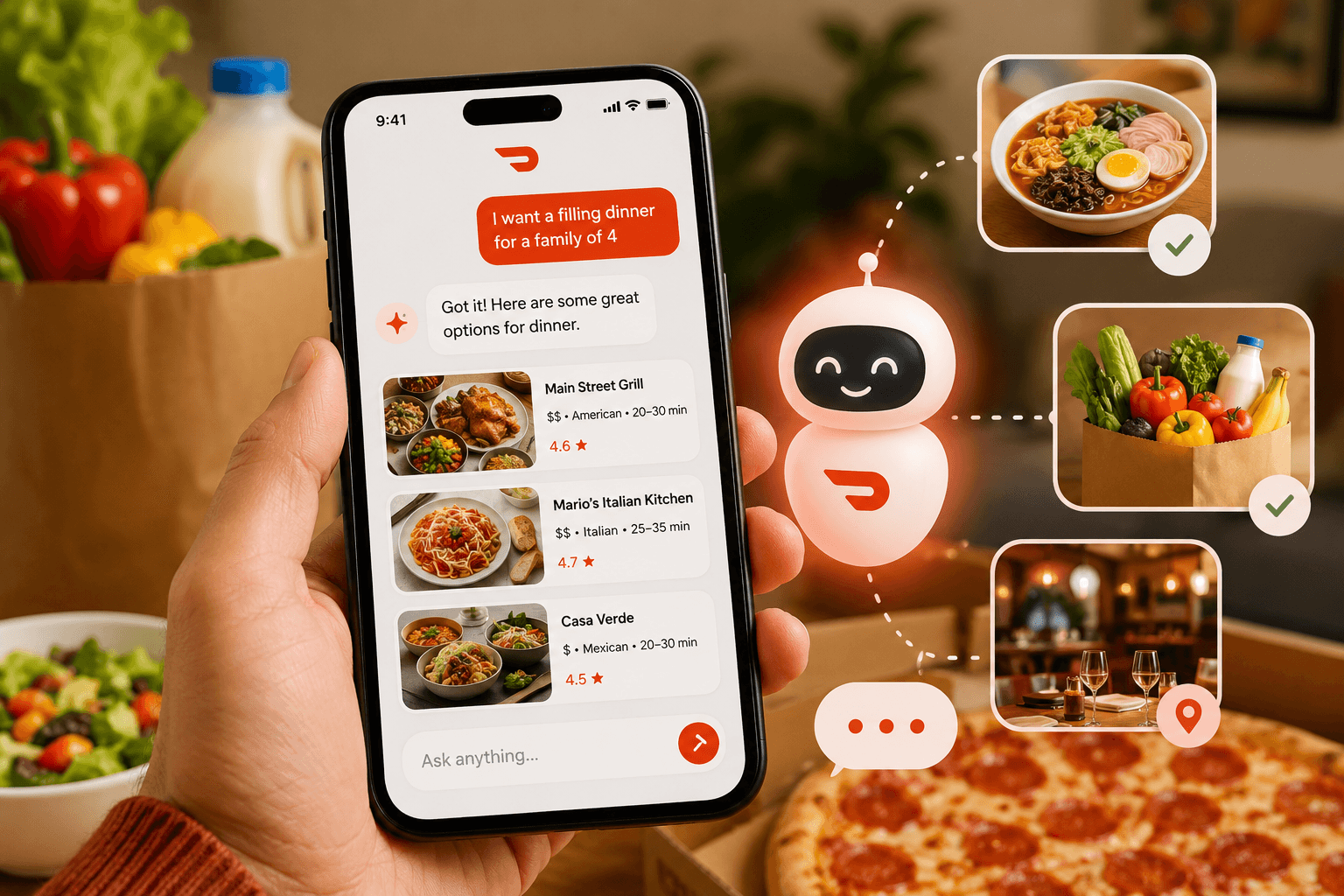
The new feature draws on two key data sources to generate recommendations. First, it considers what DoorDash already knows about the individual customer, including dietary preferences, past order history, and frequently chosen restaurants. Second, it taps into DoorDash's constantly updated database of nearby restaurants, menu items, and grocery offerings. This combination allows DoorDash Ask to deliver results that are not only relevant to the user's immediate request but also aligned with their established tastes and habits. For example, a user with a history of ordering vegetarian meals might receive recommendations that automatically account for that preference, even if it isn't explicitly mentioned in the query.
According to a DoorDash blog post detailing the rollout, early testing has revealed promising adoption patterns. Roughly seven in ten customers are using Ask primarily for recommendations, with common queries including phrases like "ramen near me" and "what should I eat tonight." The remaining queries tend to focus on support issues, deals, or general questions about the platform. Perhaps more importantly, the data shows that most users don't stop after their initial query. Instead, they continue the conversation, refining their requests or working with the AI to build out a complete order. This suggests that DoorDash Ask is functioning less like a simple search bar and more like an interactive shopping assistant.
The introduction of DoorDash Ask could significantly reshape how customers find and choose restaurants on the platform, which in turn raises questions about how restaurants market themselves within the app. As AI-driven search becomes more central to the discovery process, restaurants may need to rethink how they present their menus and branding to align with conversational search patterns. A DoorDash spokesperson addressed concerns about fairness in the new system, stating that Ask is not designed to favor any particular type of business. Instead, recommendations are based on a combination of factors, including the customer's specific prompt, their order history, and how well nearby restaurants match the request. Notably, the spokesperson confirmed that restaurants cannot currently pay to improve their placement in Ask search results. This stands in contrast to some other digital marketplaces where paid placements can influence visibility, and it suggests DoorDash is positioning Ask as a more organic, user-focused discovery tool, at least for now.
Some of the functionality found in DoorDash Ask will feel familiar to those who used Zesty, a restaurant discovery app that DoorDash launched in late 2024. Zesty focused on personalized restaurant recommendations and conversational search, offering users a more curated, chat-like experience for finding places to eat. DoorDash shut down Zesty in April, but the company indicated at the time that key elements of the app would be folded into the main DoorDash platform. DoorDash Ask appears to be the realization of that promise, bringing Zesty's personalized recommendation engine and conversational interface to a much larger user base within the primary app.
DoorDash Ask is currently live in select markets on iOS, covering both restaurant and grocery searches. The company has indicated that wider availability across additional markets is expected within the coming weeks. Reservation functionality, while part of the broader vision for Ask, will be added at a later date as the feature continues to expand. This phased rollout approach allows DoorDash to gather user feedback and refine the AI's performance before scaling to its full user base. Given the early positive engagement metrics, particularly the high percentage of users continuing conversations beyond their initial query, DoorDash appears confident in the feature's potential.
DoorDash Ask represents a broader trend in the food delivery and e-commerce space, where companies are increasingly turning to conversational AI to simplify decision-making for users. As the number of available options on platforms like DoorDash continues to grow, traditional browsing and search methods become less effective at helping users find what they actually want. By introducing a chat-based interface that understands context, remembers preferences, and can actively assist with building orders, DoorDash is betting that natural language interaction will become the preferred way for customers to engage with food delivery apps. If successful, this approach could set a new standard for how delivery platforms approach search and discovery, influencing how competitors design their own apps in the future. For now, DoorDash Ask marks a significant step toward making the app's vast selection more accessible and less overwhelming, fulfilling the company's promise that more options shouldn't mean more work for the customer.
