
California Penalizes Dickey's for Franchise Disclosure Violations
California shifts to public enforcement strategy against Dickey's for deceptive franchise disclosures, signaling stricter state-level franchise oversight.
Franchising
Sep 10, 2026
California shifts to public enforcement strategy against Dickey's for deceptive franchise disclosures, signaling stricter state-level franchise oversight.
Sep 10, 2026
Paul Brown temporarily steps away from Inspire Brands as Scott Murphy assumes interim CEO role during confidential IPO filing process targeting late 2026.
Sep 10, 2026
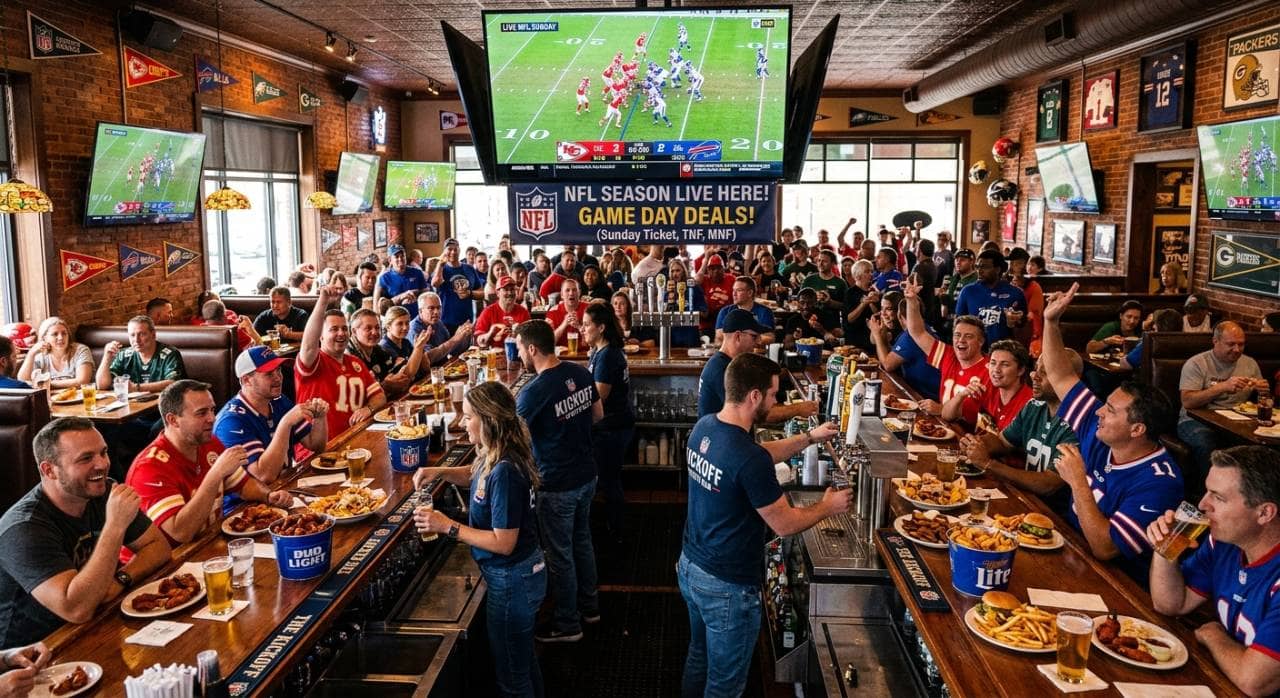
Prepare your restaurant for NFL season with smart menu planning, staffing, marketing, technology, and atmosphere strategies that boost season-long revenue.
Sep 9, 2026
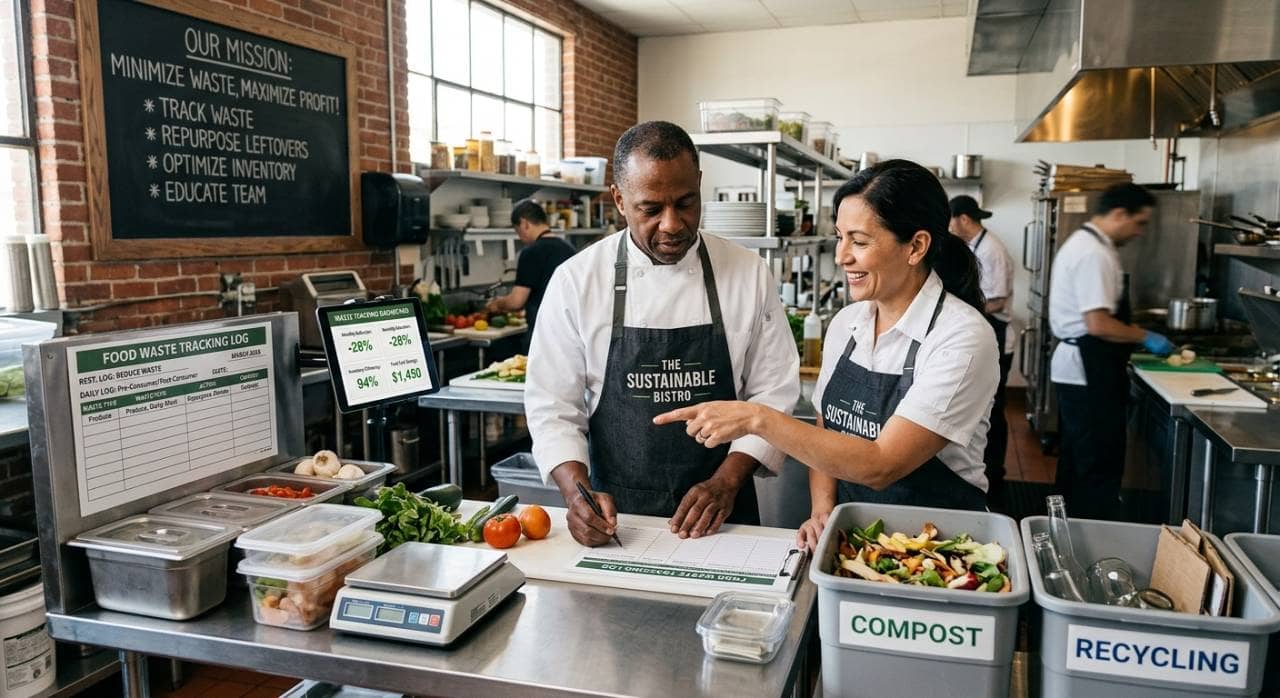
Learn how to reduce food waste in restaurants through smarter purchasing, storage, preparation, and service strategies that cut costs.
Sep 9, 2026
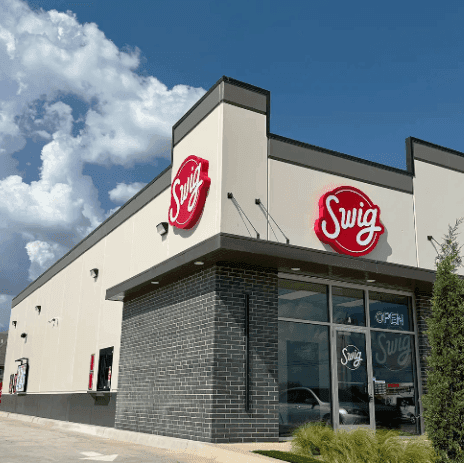
Swig signs franchise agreement for 11 South Denver locations, marking Colorado entry and validating its national expansion strategy.
Sep 8, 2026

Complete guide helping restaurant owners choose essential kitchen equipment - covering cooking, refrigeration, prep, sanitation, ventilation, safety, and long-term maintenance planning.
Sep 7, 2026

QR code menus let restaurants replace paper menus digitally, enabling instant updates, contactless browsing, ordering, and payment through simple smartphone scanning.
Sep 7, 2026

Avoiding common restaurant payroll mistakes - misclassification, tip credit errors, overtime miscalculations - protects businesses from costly penalties, back pay, and compliance risks.
Sep 4, 2026
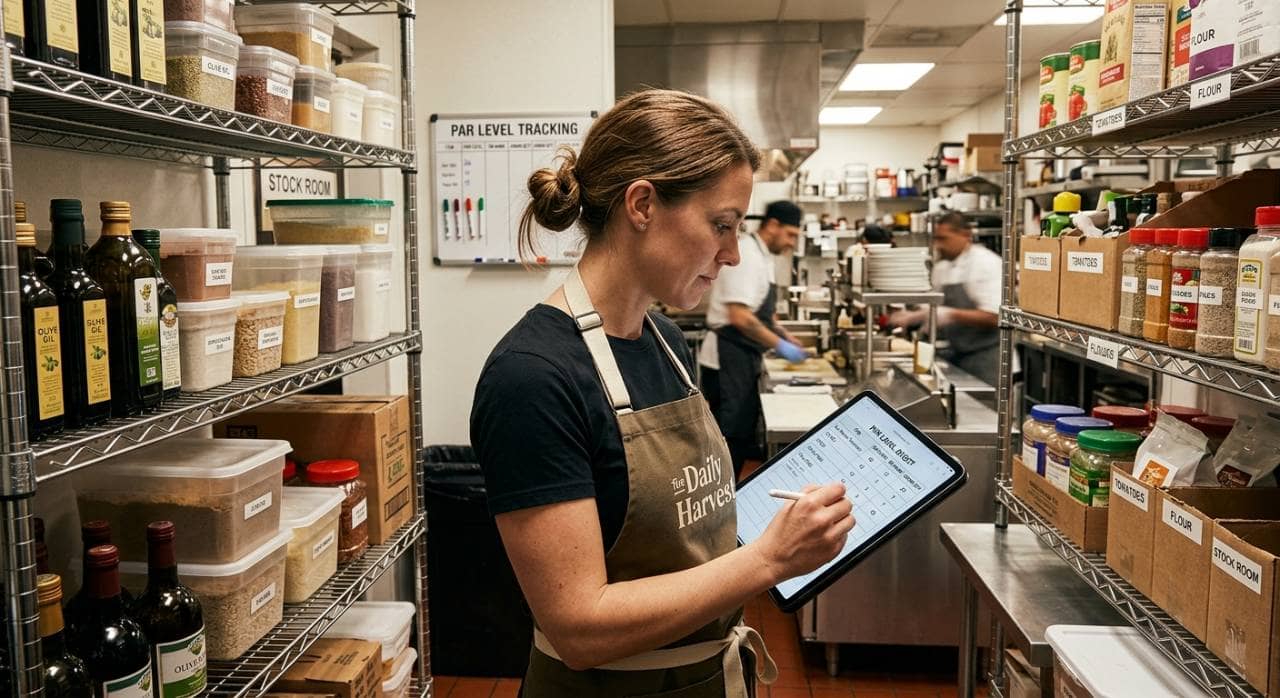
Learn to calculate par levels for restaurant food, beverages, and packaging inventory, preventing stockouts and waste through proper formulas.
Sep 4, 2026
Caribou Coffee appoints Zane Thomas-Rogers as Chief Operations Officer to strengthen execution across its expanding coffeehouse network.
Sep 4, 2026

Unlock Exclusive Access To Webinars, Events, And The Latest News For Free!
EEOC ramps up franchise enforcement, securing settlements and reforms; Applebee’s operator pays $270K amid broader actions across brands.

Photo by Christoph Birken
The EEOC is pressing multi-unit franchises harder. In fiscal year 2025 the agency recovered $660 million for 17,680 individuals through its pre-litigation and litigation processes, one of its most productive cycles to date.
On June 4, 2026 the commission approved a new National Enforcement Plan for fiscal years 2025 to 2029 that stresses prevention through outreach, voluntary dispute resolution, and strong litigation to eliminate workplace discrimination. For operators, the regulatory climate just got tighter.

One case shows how quickly a local problem can become a corporate bill. Quality Restaurant Concepts, a 60-unit Applebee’s operator in Alabama, Florida, Mississippi and Tennessee, agreed in May to pay $270,000 after the EEOC said QRC tolerated a pervasive hostile work environment at its Chelsea, Alabama restaurant.
Beginning in 2023, General Manager Jeffrey Sosnowchik, other male staff and patrons allegedly subjected six female employees, four of them minors, to sexually explicit remarks and unwanted physical contact. A bartender was accused of restraining and flirting with a 16-year-old coworker. Workers said management ignored repeated complaints. An employee had flagged Sosnowchik’s prior misconduct with a minor in 2022, but the operator promoted him anyway.

The road to resolution followed the commission’s familiar playbook. The EEOC investigates charges, seeks voluntary conciliation, and files suit when talks fail. In the Applebee’s matter, the agency sued in the U.S. District Court for the Northern District of Alabama and negotiated a settlement in May 2026. Typical investigations run one to two years, a timeline that can stretch as resources tighten.
The commission began fiscal year 2026 with 1,809 employees, a roughly 17 percent decline from 2,170 at the start of fiscal year 2025, which may affect the pace of investigations and litigation. Settlements often pair monetary relief with mandates to revise internal policies and enhance training, reflecting a push for systemic fixes alongside individual recoveries.
The agency has been blunt about franchise responsibilities. “Given the prevalence of the misconduct, management at the Chelsea restaurant should have known about the sexual harassment of female employees and failed to take prompt or corrective action to prevent or remedy the hostile environment it created,” the EEOC wrote in its complaint. In a separate press release on a caregiving case, the commission said, “The EEOC found reasonable cause to believe that when the employee then notified the company of a pregnancy-related limitation, the company failed to accommodate and eventually fired her although the employee could perform the essential functions of the position with or without a reasonable accommodation.”
Enforcement is landing across banners and issues. The Daly Kenney Group, a 15-unit Dunkin’ operator in Massachusetts, was sued in March 2026 over an unwritten policy barring workers with actual or perceived medical restrictions and now must pay $250,000 and eliminate the policy. Florence CK, a Comfort Keepers franchisee in South Carolina, settled before litigation for $324,200 after denying reasonable accommodations to a pregnant caregiver and requiring disclosure of family medical information.
On May 14, 2026 the EEOC filed suit against Hatch Trick, a Chick-fil-A franchisee in Texas, seeking a permanent injunction, backpay and other relief after the operator allegedly demoted and ultimately terminated a fleet supervisor for refusing Saturday shifts to observe her Sabbath. The commission also sued six Taco Bell franchise entities in Michigan in March 2025 for alleged sexual harassment and retaliation, including claims involving teenage employees.

The restaurant sector sits squarely in the agency’s sights. Hospitality and healthcare were the top targets in fiscal year 2025. Pre-litigation efforts alone yielded $528 million for 13,351 victims that year. Resolutions now routinely come with operational reforms, from revised accommodation procedures to mandatory anti-harassment training and elimination of exclusionary policies. The agency says it is not easing off. “The National Enforcement Plan reaffirms the agency’s unwavering commitment to merit-based, evenhanded enforcement of our nation’s civil rights laws,” said EEOC Chair Andrea Lucas. Across the recent docket, filing dates stretch from early 2023 complaints through mid-2026 settlements, a consistent one to three years from misconduct to resolution.
Some outcomes are still in play. The Hatch Trick litigation is ongoing, with the court yet to decide on the requested injunction or backpay. Franchisees vary in how they implement required reforms, and no one has systematically measured whether those changes curb repeat violations. Agency staffing constraints could delay investigations of new charges. For operators, the safer move is to get in front of the risk. Review hiring and promotion decisions, stand up clear reporting channels for harassment, and train managers on anti-discrimination and accommodation procedures. The alternative is steeper legal exposure, reputational damage, and operational disruption as the EEOC continues to lean on prevention, conciliation and litigation.
