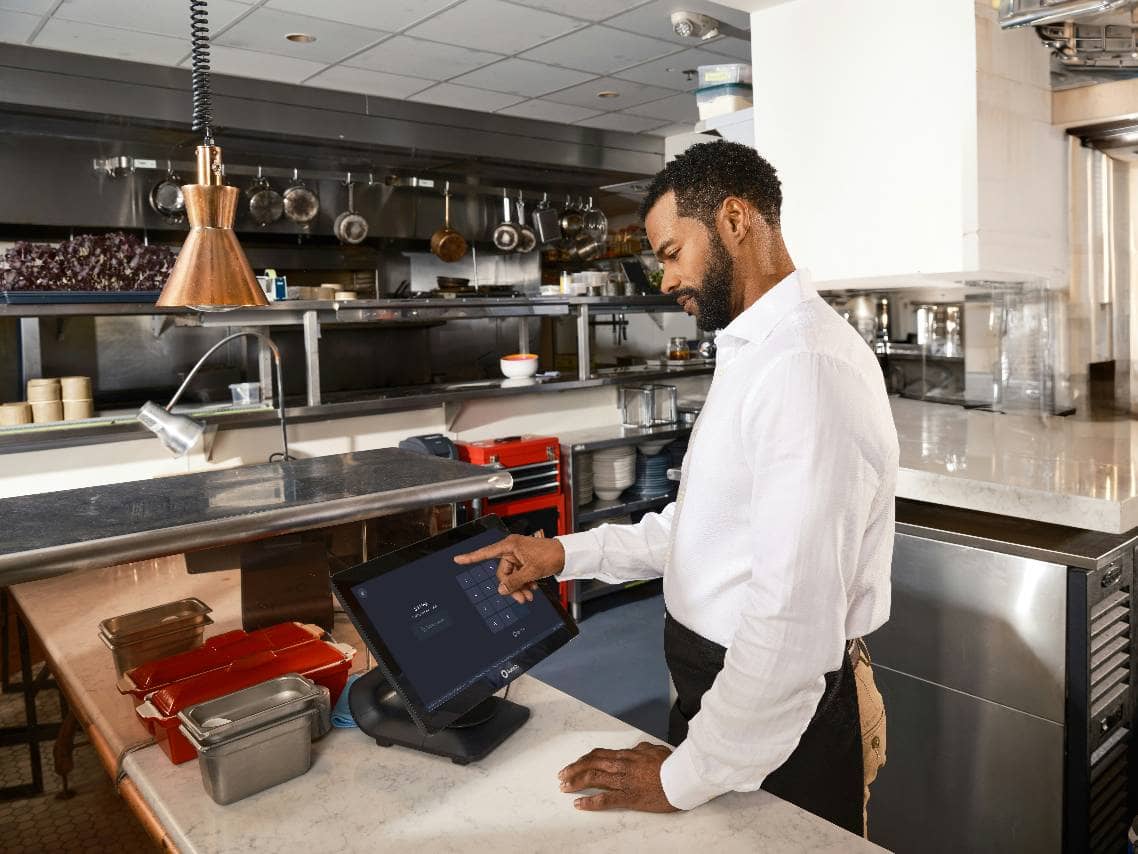
The Benefits of Scheduling Software for Restaurants
Scheduling software helps restaurants save time, control labor costs, improve communication, prevent conflicts, support compliance, and make smarter staffing decisions.
Technology
Aug 5, 2026
Scheduling software helps restaurants save time, control labor costs, improve communication, prevent conflicts, support compliance, and make smarter staffing decisions.
Aug 5, 2026
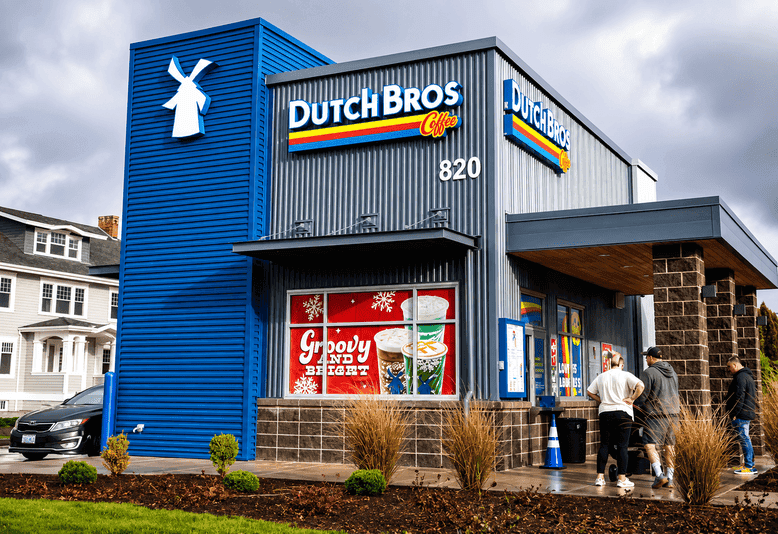
Dutch Bros invests $105 million to acquire Salad and Go’s closed locations, targeting rapid expansion in key southern markets. Learn what this means for multi-unit restaurant owners and operators.
Aug 6, 2026
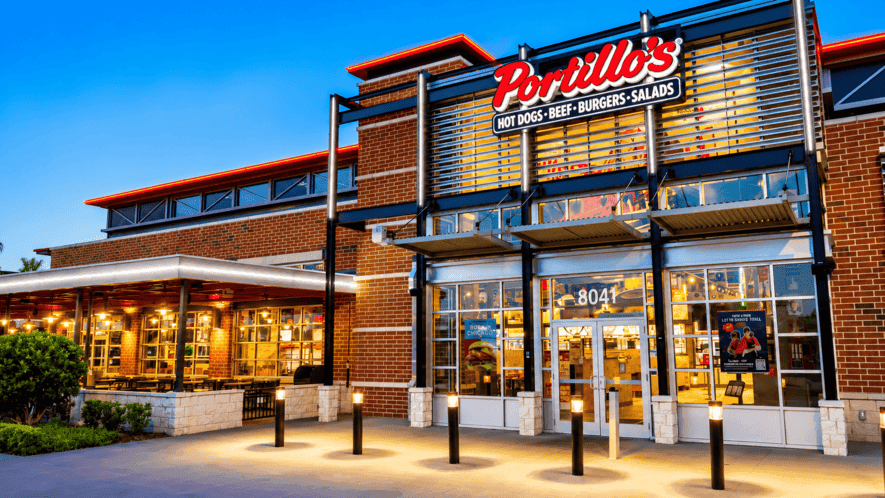
Portillo’s trims corporate and field roles by 18% in a strategic shake-up to support future growth after soft traffic and sales. Read what this means for multi-unit operators.
Aug 6, 2026

Portillo’s announces industry veteran Kevin Kalicak as its new CFO and Treasurer, underscoring the brand’s growth strategy and financial vision.
Aug 5, 2026
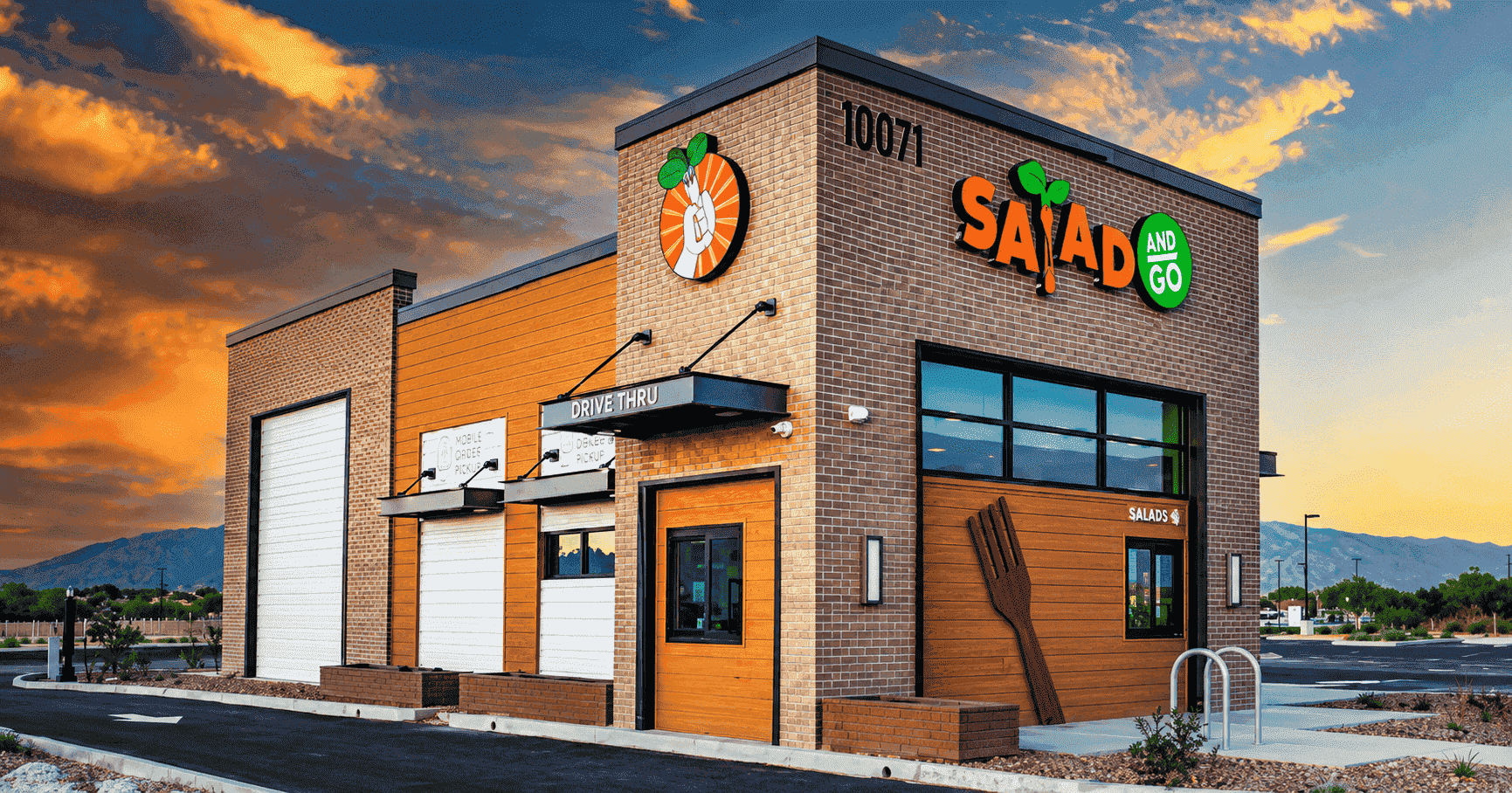
Salad and Go's bankruptcy and closure offer key lessons on growth, risk management, and market dynamics for restaurant leaders. See what every operator can learn.
Aug 5, 2026
Learn how to calculate prime cost, track food and labor expenses, measure percentages, identify problems, and improve restaurant profitability consistently.
Aug 5, 2026
Checkers & Rally’s welcomes Peter Busse as Chief Development Officer, signaling a new era of strategic expansion and franchise support for the quick-service brand.
Aug 4, 2026
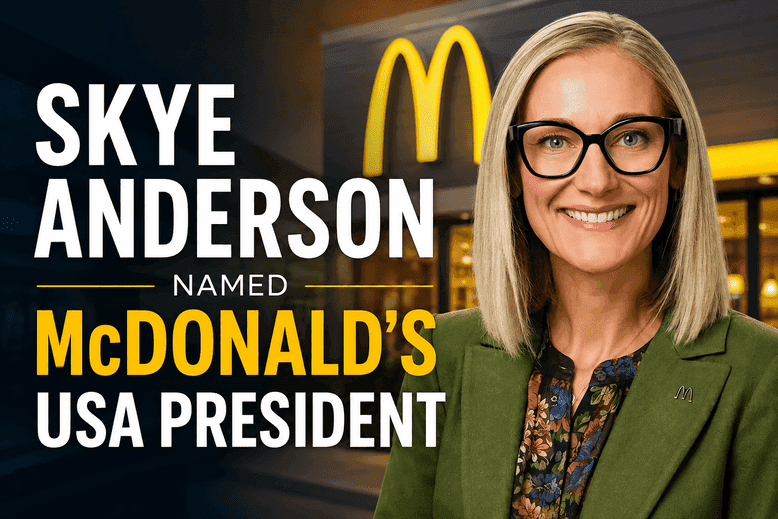
Skye Anderson will lead McDonald's USA as its new president, stepping in to accelerate growth and revive sales. Learn how her leadership could shape the future of the restaurant industry.
Aug 4, 2026
Dave & Buster’s announces Tarun Lal’s retirement as CEO, welcoming Darin Harper to the helm as the brand continues its Back-to-Basics strategy and growth initiatives.
Aug 4, 2026
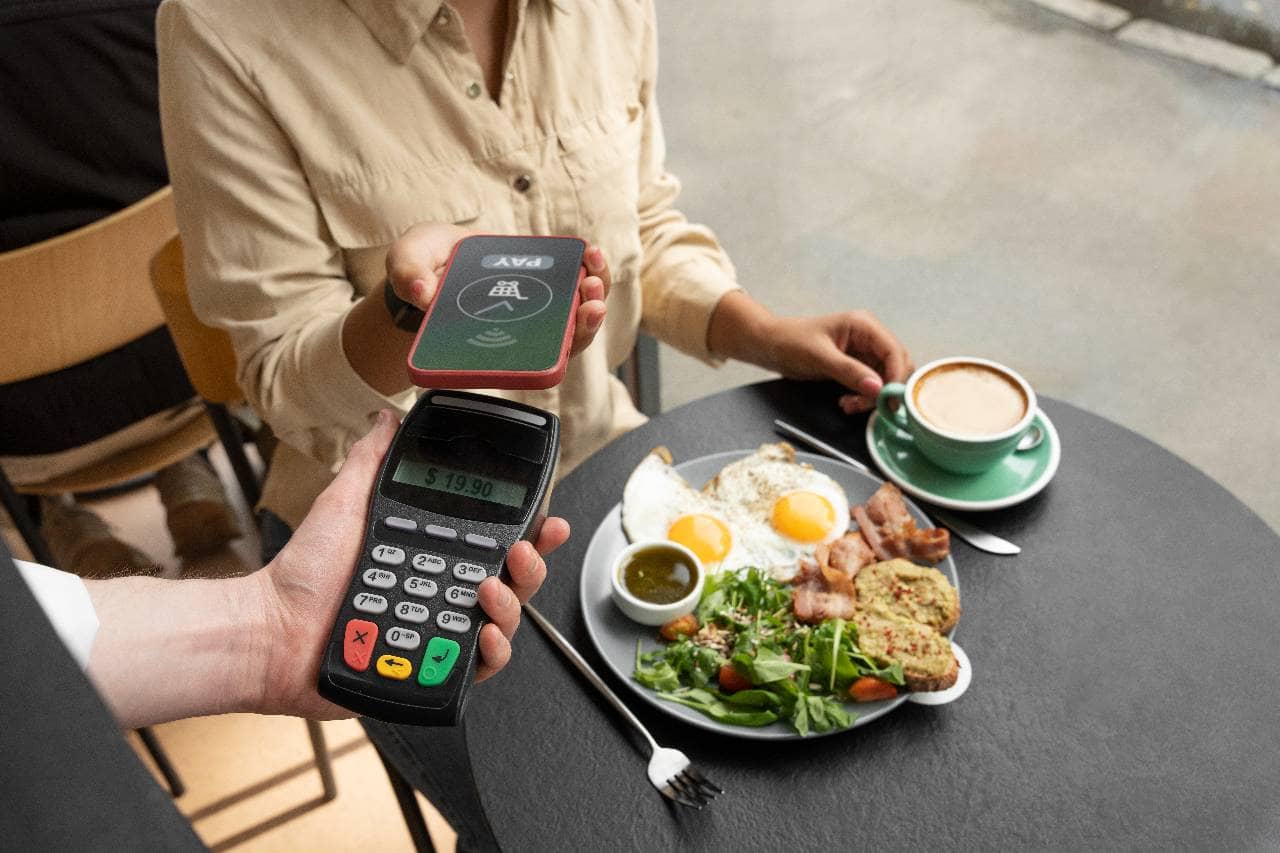
Explore restaurant payment processing and learn how payments are authorized, settled, secured, reconciled, refunded, disputed, and deposited into business accounts.
Aug 3, 2026
Explore how modern prevention tools can protect restaurants and the public from foodborne illnesses like E. coli outbreaks. Learn about the importance of technology in food safety measures.

Photo by Yevgeniya Tyumina
Foodborne pathogens, exemplified by incidents like E. coli outbreaks, can rapidly propagate across the foodservice industry, posing severe risks to consumers and brand reputation. Understanding the mechanism of spread is crucial to implementing effective prevention strategies. E. coli contamination typically initiates with a single tainted food product entering a facility but can persist on surfaces, leading to cross-contamination.
Inadequate detection methods and hygiene practices can unwittingly facilitate the transmission of pathogens like E. coli within a restaurant. Contaminated surfaces, equipment, and human contact can disseminate bacteria to various food items, prep areas, and utensils, amplifying the contamination's scope. This underscores the need for advanced technology and protocols to curb the spread of pathogens effectively.
Modern prevention tools are pivotal in mitigating foodborne illness risks in restaurants. Technologies like real-time contamination detection systems on employees' hands, temperature monitoring for food safety, and automated labeling streamline operations while enhancing safety measures. By integrating these tools into daily practices, restaurants bolster their defense against pathogens and improve overall hygiene standards.

Photo by Yevgeniya Tyumina
Establishing a 'Culture of Cleanliness' through technology integration motivates employees to prioritize hygiene and food safety. Immediate feedback, alerts, and recognition for adherence to safety protocols empower staff to maintain high cleanliness standards consistently. This proactive approach not only safeguards customers but also instills a sense of responsibility and pride among employees.
The recent E. coli outbreak serves as a poignant reminder of the persistent threat posed by foodborne pathogens. However, it presents an opportunity for the industry to rethink its food safety approach. By embracing digital innovation to safeguard customers and staff, restaurants can uphold their reputation and contribute to a safer dining environment for all.