How to Calculate Cost of Goods Sold for a Restaurant
Learn how to calculate restaurant cost of goods using inventory, purchases, COGS percentage, variance reviews, and regular tracking for profitability.
Accounting
Aug 31, 2026
Learn how to calculate restaurant cost of goods using inventory, purchases, COGS percentage, variance reviews, and regular tracking for profitability.
Aug 31, 2026
Understand how to evaluate a Kiosk system using key criteria including features, POS integration, hardware, pricing, customer experience, and support.
Aug 31, 2026
Explore restaurant technology trends in 2026, including AI, automation, digital ordering, workforce tools, connected kitchens, personalization, and profitability strategies today.
Aug 28, 2026
Learn the startup costs of opening an ice cream shop, including rent, equipment, renovations, permits, inventory, labor, marketing, and reserves.
Aug 28, 2026
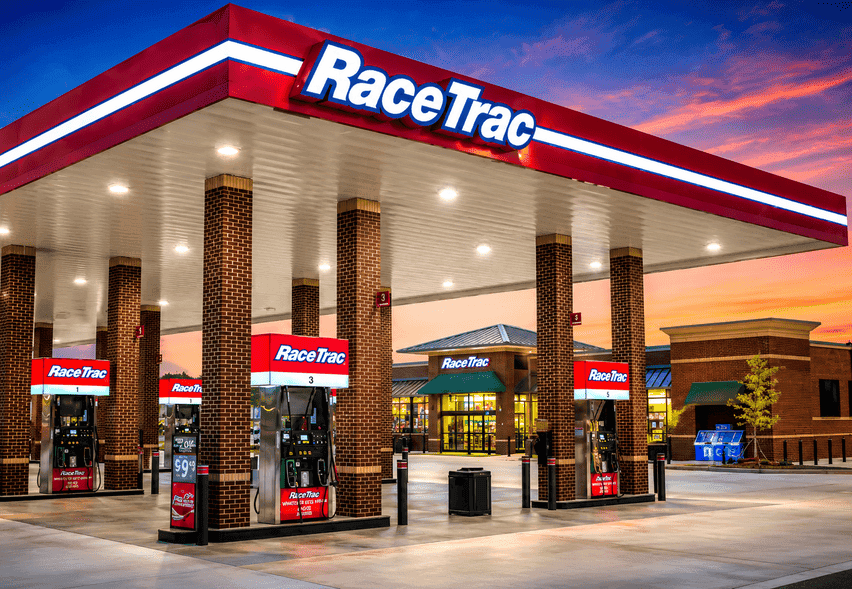
RaceTrac has appointed Jill Pemberton as chief financial officer, succeeding Karla Ahlert, who moves into the newly created role of chief administrative officer.
Aug 26, 2026

A restaurant P&L statement reveals sales, expenses, and profits, helping owners manage costs, improve margins, and plan finances more effectively.
Aug 26, 2026
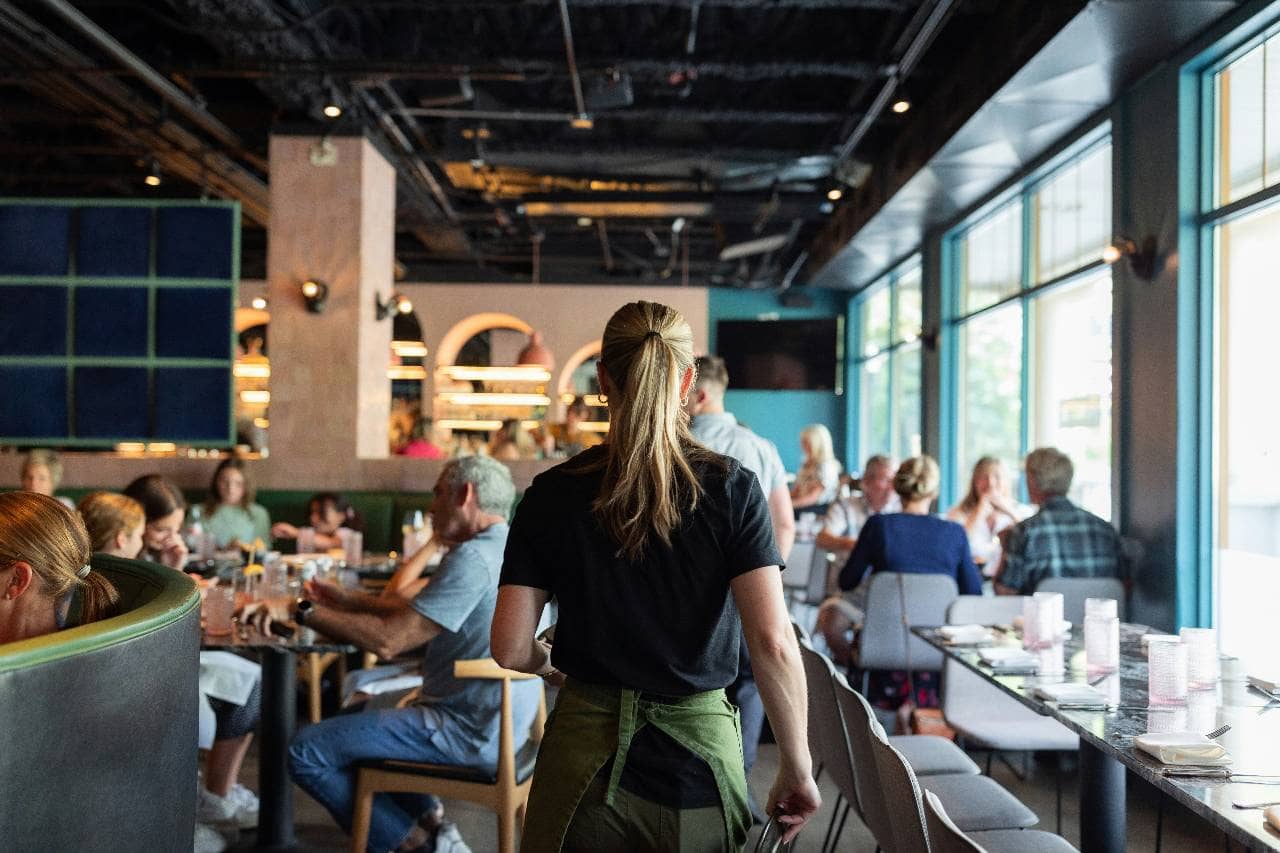
Learn practical ways to reduce labour costs through smarter scheduling, forecasting, productivity, cross-training, automation, overtime control, and performance monitoring strategies.
Aug 26, 2026

A payroll advance policy helps restaurant owners define eligibility, limits, repayment, documentation, approval procedures, and compliance requirements for employee advances.
Aug 24, 2026
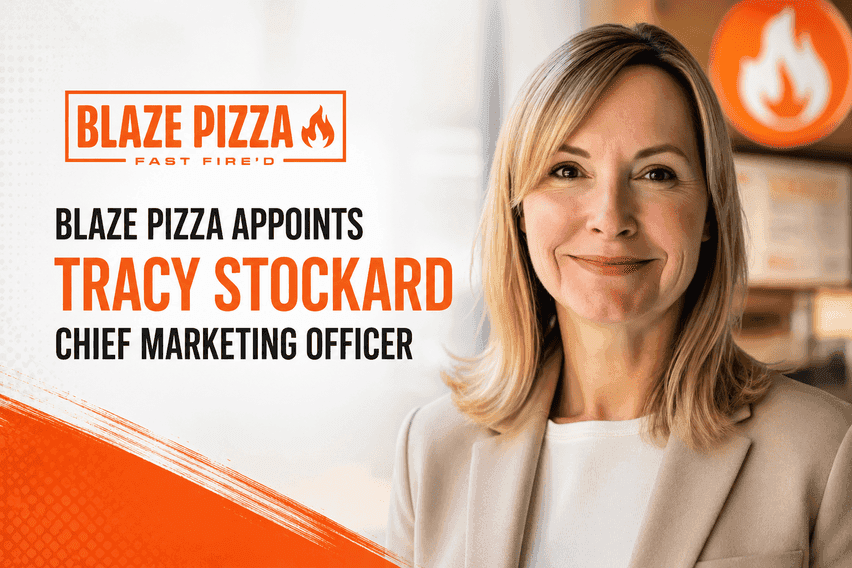
Blaze Pizza welcomes Tracy Stockard as Chief Marketing Officer, bringing decades of brand and franchise experience to drive strategic growth and guest engagement.
Aug 25, 2026

Create a practical restaurant marketing plan by setting goals, targeting customers, choosing channels, budgeting wisely, scheduling campaigns, and measuring results.
Aug 24, 2026

Unlock Exclusive Access To Webinars, Events, And The Latest News For Free!
Explore how shifting consumer trends towards delivery orders are impacting same-store sales and how restaurants can optimize their operations to benefit from this trend.

Photo by Jay Wennington
The current landscape of the restaurant industry is witnessing a significant trend where consumers are increasingly opting for delivery orders over traditional pickup options. This shift, as highlighted by industry experts, has the potential to substantially boost same-store sales for restaurants. Analysts from BTIG emphasized the impact of this transition, projecting that the move towards more delivery orders can contribute several hundred basis points to same-store sales in the foreseeable future.
One of the prominent examples showcasing the potential of delivery orders to drive sales growth is Olive Garden. In fiscal Q4 2025, Olive Garden reported a remarkable 6.9% increase in same-store sales, with a 1.7% growth rate for the entire fiscal year, as indicated in their earnings release. This success can be attributed, in part, to the strategic shift towards promoting delivery channels that have resonated well with consumers.

Photo by Jay Wennington
BTIG's analysis further delves into the financial impact of delivery services on restaurants like Olive Garden. The report suggests that for every $100 million in delivery sales, there could be a 2% positive impact on same-store sales. Additionally, if 20% to 30% of existing small order takeout transitions to delivery, a 2% incremental growth in same-store sales could be achieved. This underscores the significant revenue potential that delivery services offer for restaurants aiming to enhance their sales performance.
To capitalize on the growing demand for delivery services, restaurants must implement operational strategies that optimize the delivery experience for customers. Maintaining a seamless delivery process, ensuring timely deliveries, and offering a diverse menu tailored for delivery are crucial components for success. By focusing on operational efficiency and customer satisfaction, restaurants can effectively leverage the shift towards delivery to drive overall sales growth.

Photo by Jay Wennington
Insights from Olive Garden's experience highlight the impact of delivery services on customer demographics and behavior. The data suggests that there is a minimal overlap between dine-in and delivery guests, with delivery guests displaying higher frequency and comprising a significant portion of new or lapsed customers. Moreover, the transition from pickup to delivery has attracted a younger demographic with slightly higher income, indicating a shift in consumer preferences towards convenience and quality service.
Looking ahead, restaurant chains like Darden recognize the importance of reinvesting profits from successful delivery services back into the business for long-term growth. By allocating resources to enhance delivery operations and expand service offerings, restaurants can not only sustain current growth but also position themselves for future success in a competitive market. This proactive approach to reinvestment demonstrates a commitment to optimizing operational efficiency and catering to evolving consumer preferences.