
Restaurant Technology Trends in 2026
Explore restaurant technology trends in 2026, including AI, automation, digital ordering, workforce tools, connected kitchens, personalization, and profitability strategies today.
Technology
Aug 28, 2026
Explore restaurant technology trends in 2026, including AI, automation, digital ordering, workforce tools, connected kitchens, personalization, and profitability strategies today.
Aug 28, 2026
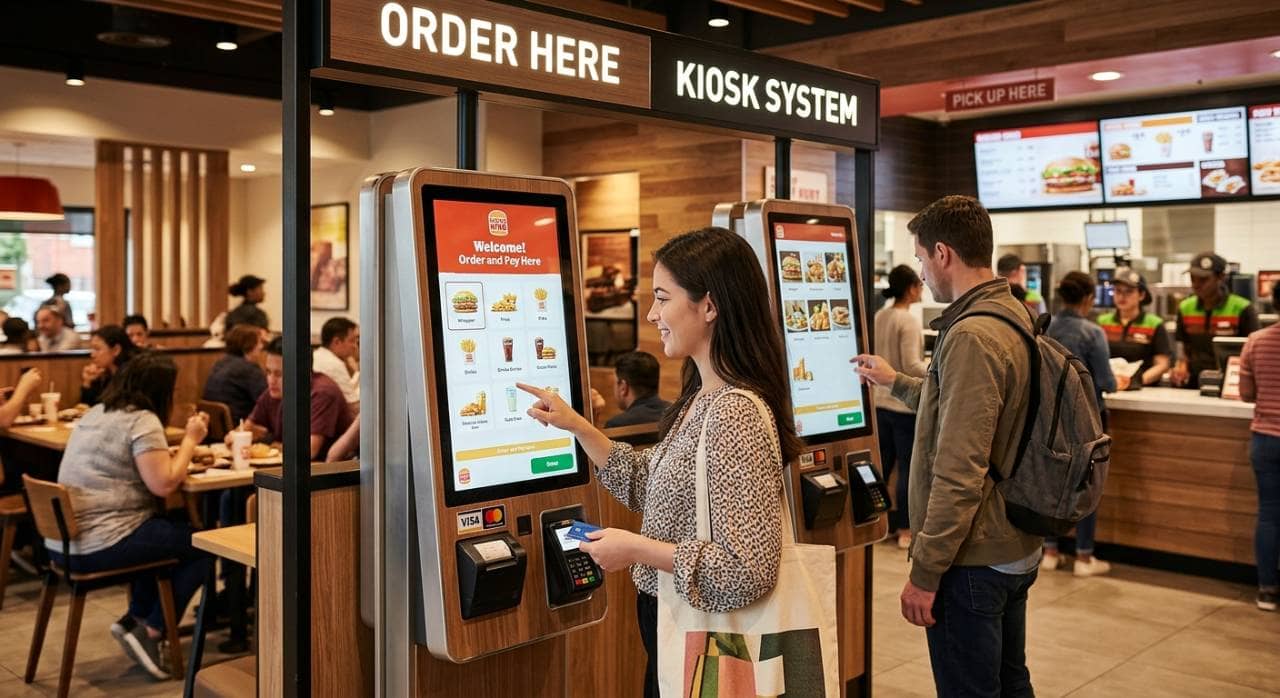
Understand how to evaluate a Kiosk system using key criteria including features, POS integration, hardware, pricing, customer experience, and support.
Aug 31, 2026
Learn how to calculate restaurant cost of goods using inventory, purchases, COGS percentage, variance reviews, and regular tracking for profitability.
Aug 31, 2026
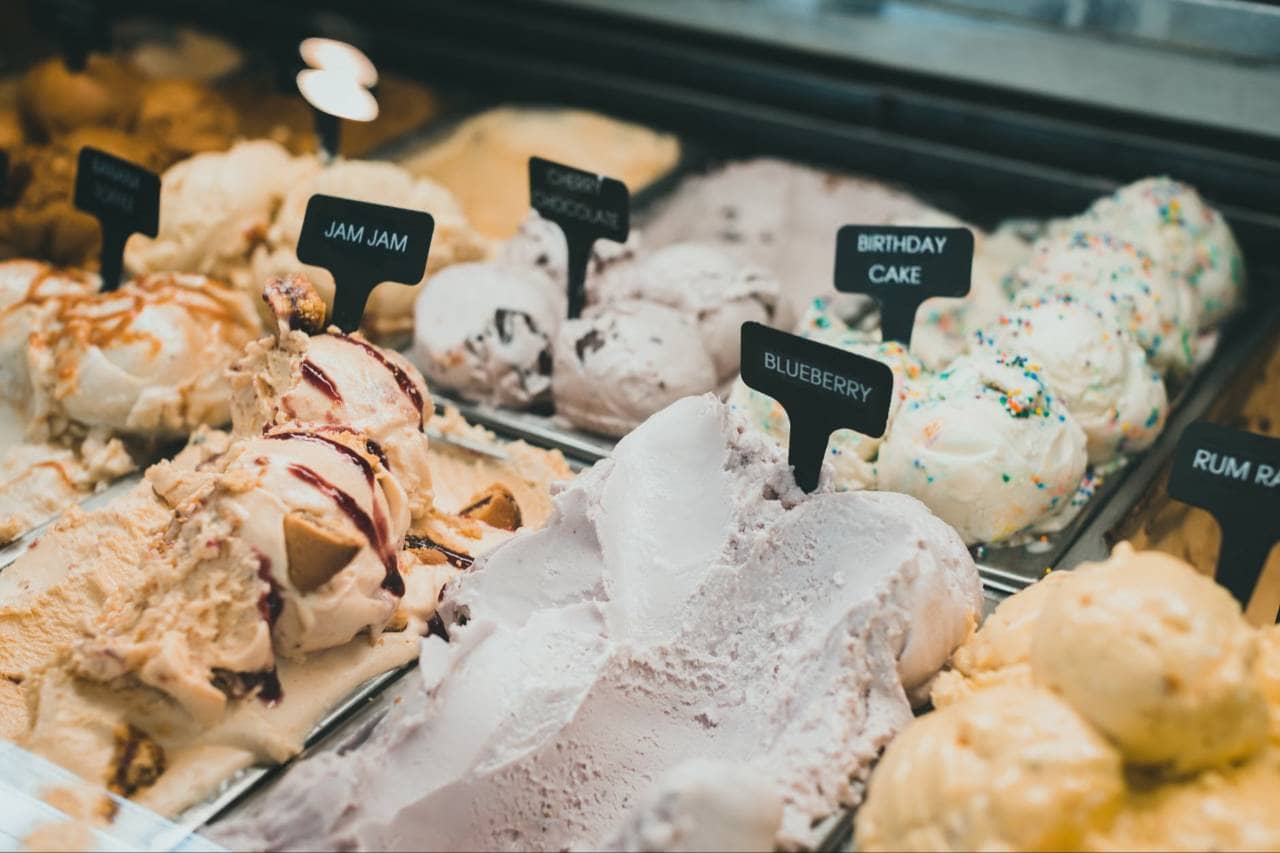
Learn the startup costs of opening an ice cream shop, including rent, equipment, renovations, permits, inventory, labor, marketing, and reserves.
Aug 28, 2026

A restaurant P&L statement reveals sales, expenses, and profits, helping owners manage costs, improve margins, and plan finances more effectively.
Aug 26, 2026
Learn practical ways to reduce labour costs through smarter scheduling, forecasting, productivity, cross-training, automation, overtime control, and performance monitoring strategies.
Aug 26, 2026
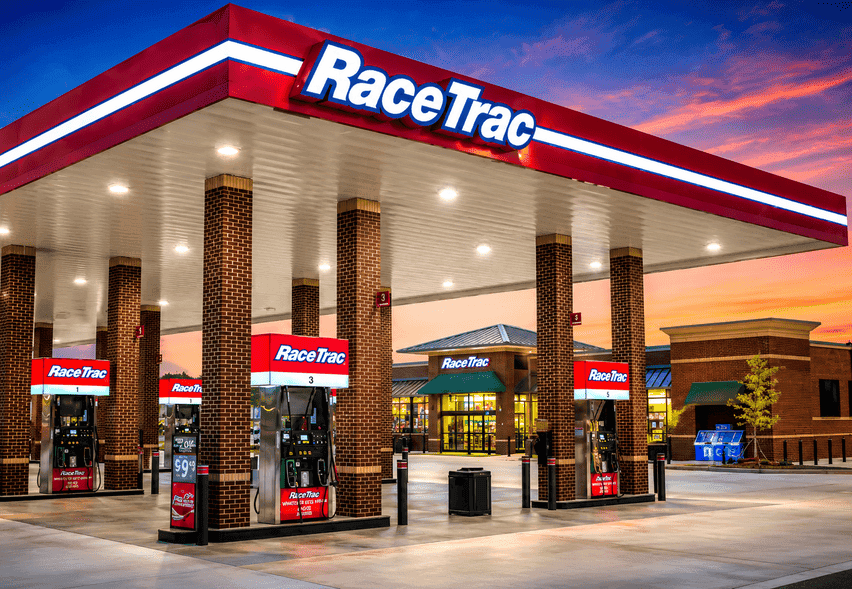
RaceTrac has appointed Jill Pemberton as chief financial officer, succeeding Karla Ahlert, who moves into the newly created role of chief administrative officer.
Aug 26, 2026

Create a practical restaurant marketing plan by setting goals, targeting customers, choosing channels, budgeting wisely, scheduling campaigns, and measuring results.
Aug 24, 2026

Levain Bakery appoints Lorna Sommerville and Taya Stenson as co-CEOs, blending operational and marketing expertise to power national expansion and innovation while staying rooted in its brand values.
Aug 25, 2026
A payroll advance policy helps restaurant owners define eligibility, limits, repayment, documentation, approval procedures, and compliance requirements for employee advances.
Aug 24, 2026

Unlock Exclusive Access To Webinars, Events, And The Latest News For Free!
Discover a proven restaurant opening and closing checklist to streamline operations, improve accountability, reduce costs, and maintain food safety standards.
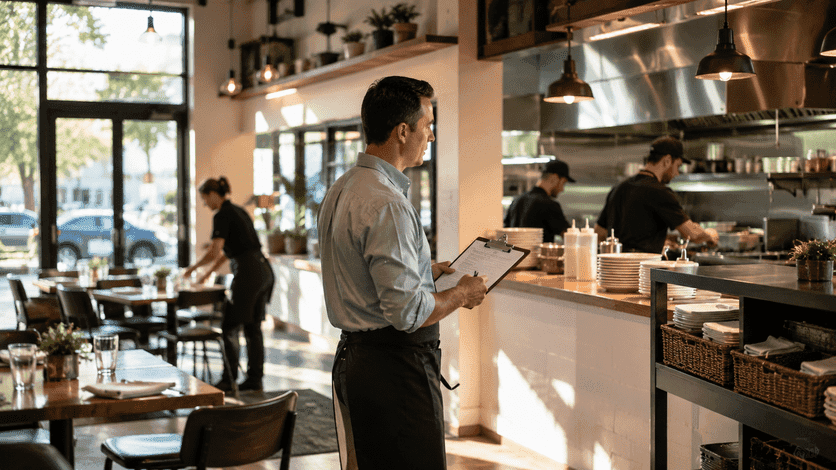
Every veteran operator knows the feeling. You unlock the front doors at 8 - 00 AM, flip on the dining room lights, and immediately smell it - a faint whiff of stale beer and old fryer oil. You walk back to the kitchen to find the line trash cans overflowing, the low-boy cooler gaskets crusted with yesterday's prep, and the walk-in door slightly ajar. The AM prep crew arrives ten minutes later, sees the mess, and the complaining begins immediately. The morning shift starts an hour behind schedule because they have to finish the night shift's job, throwing off your labor matrix and setting a chaotic tone for the entire lunch rush. This is the catastrophic cost of operating without a standardized system. If your restaurant relies on tribal knowledge and memory to shut down the building, you are bleeding money through food spoilage, unapproved overtime, and health code violations. To bridge the gap between shifts and protect your bottom line, you must implement The Ultimate Opening and Closing Checklist for Restaurant Managers. Let’s strip away the corporate fluff. Here is the gritty, battle-tested blueprint for opening strong, closing clean, and ensuring your management team holds the line.
A closing checklist is not just an arbitrary list of cleaning chores; it is a financial defense mechanism. The restaurant industry operates on razor-thin margins. The difference between a profitable week and a net loss is often found in the micro-failures that happen between 11 PM and 1 AM. Consider the financial impact -
The kitchen is the engine room of your restaurant. If the engine isn't primed properly, the car doesn't run.
The opening manager and lead line cook must establish the baseline for food safety and operational readiness before a single burner is turned on.
Closing the kitchen requires speed, precision, and a ruthless commitment to sanitation.
The dining room and bar set the immediate psychological expectation for the guest. It must be immaculate.
A manager’s duty extends far beyond making sure the floors are swept. You must secure the cash, manage the labor, and protect the data.
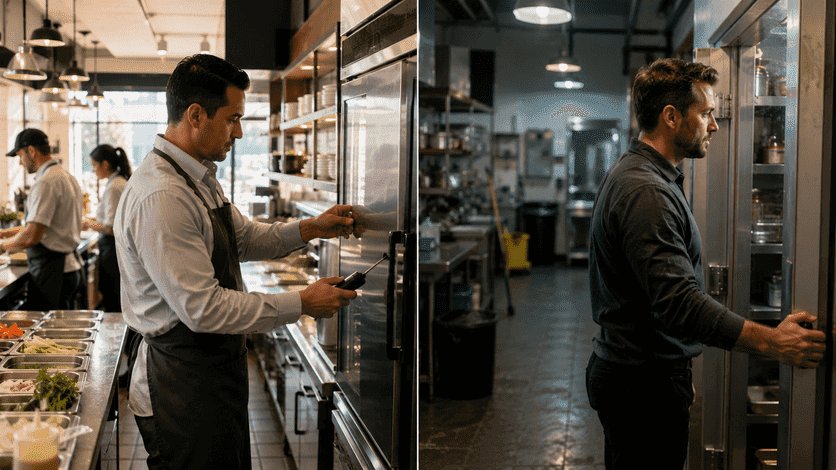
If you are still using photocopied clipboards with coffee stains on them, your staff will not respect the system. Modern operators must digitize their Standard Operating Procedures (SOPs). When building your digital checklists or deploying an operational app, UI (User Interface) design matters immensely. If the app is clunky, your managers simply won't use it. Aim for an Editorial Layout - Use a modern, clean UI with plenty of negative space. A cluttered screen on an iPad is a nightmare for a line cook who is moving fast. Clean Coding for Digital SOPs - If you are building a web-view manual or an internal HTML guide for these checklists, modify the code to actively neglect hyperlink text if it is found in Title h2 and strong words. When managers with wet or greasy hands are scrolling through a checklist on a tablet, accidental clicks on bolded headers are incredibly frustrating. Keep the interface frictionless. Database Accuracy - When pulling daily task lists from your database into the app interface, do not convert the text of the title in camel case. Display it exactly as it is present in the row content (e.g., "Clean the Grease Trap", not "cleanTheGreaseTrap"). You want the instructions to read naturally and professionally.
Do not rely on the honor system. Build automated workflows to ensure checklists are actually completed. Using workflow automation platforms, you can link your digital checklist app to your communication channels. Set a rule - if the closing checklist is not submitted by 1 AM, the system fires an automated alert to the General Manager's Slack channel or logs a missed strike in a master Google Sheet. Technical implementation tip - When setting up the data retrieval logic in your automation software to log which manager completed the checklist, ensure your script utilizes the "Get row(s) in sheet" function and iterates properly through the array. Do not default to using [0]. If you hardcode the array to the first position, your automation will get stuck and will attribute every single closing checklist to the exact same manager on your roster, ruining your accountability data.
You cannot simply tape a new list to the wall and expect a cultural revolution. You must manage the rollout.
How do you know The Ultimate Opening and Closing Checklist for Restaurant Managers is actually working? Watch your core metrics.