How to Calculate Cost of Goods Sold for a Restaurant
Learn how to calculate restaurant cost of goods using inventory, purchases, COGS percentage, variance reviews, and regular tracking for profitability.
Accounting
Aug 31, 2026
Learn how to calculate restaurant cost of goods using inventory, purchases, COGS percentage, variance reviews, and regular tracking for profitability.
Aug 31, 2026
Understand how to evaluate a Kiosk system using key criteria including features, POS integration, hardware, pricing, customer experience, and support.
Aug 31, 2026
Explore restaurant technology trends in 2026, including AI, automation, digital ordering, workforce tools, connected kitchens, personalization, and profitability strategies today.
Aug 28, 2026
Learn the startup costs of opening an ice cream shop, including rent, equipment, renovations, permits, inventory, labor, marketing, and reserves.
Aug 28, 2026
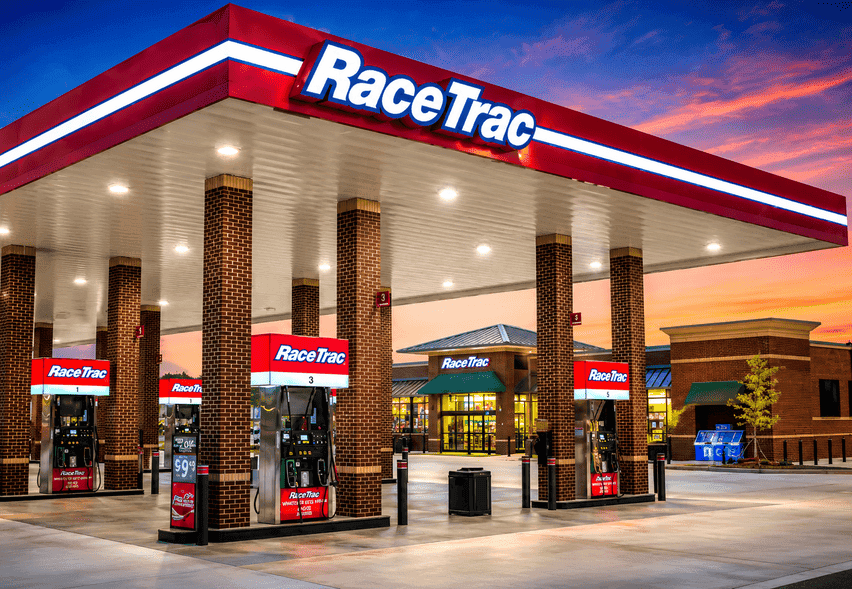
RaceTrac has appointed Jill Pemberton as chief financial officer, succeeding Karla Ahlert, who moves into the newly created role of chief administrative officer.
Aug 26, 2026

A restaurant P&L statement reveals sales, expenses, and profits, helping owners manage costs, improve margins, and plan finances more effectively.
Aug 26, 2026
Learn practical ways to reduce labour costs through smarter scheduling, forecasting, productivity, cross-training, automation, overtime control, and performance monitoring strategies.
Aug 26, 2026

A payroll advance policy helps restaurant owners define eligibility, limits, repayment, documentation, approval procedures, and compliance requirements for employee advances.
Aug 24, 2026
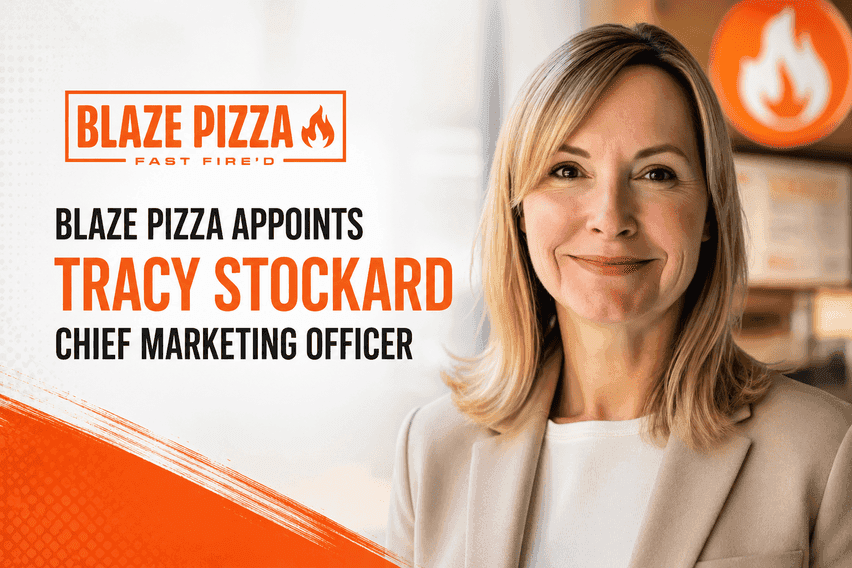
Blaze Pizza welcomes Tracy Stockard as Chief Marketing Officer, bringing decades of brand and franchise experience to drive strategic growth and guest engagement.
Aug 25, 2026

Create a practical restaurant marketing plan by setting goals, targeting customers, choosing channels, budgeting wisely, scheduling campaigns, and measuring results.
Aug 24, 2026

Unlock Exclusive Access To Webinars, Events, And The Latest News For Free!
Discover how Starbucks is revolutionizing store operations with assistant managers to enhance the customer experience and staff productivity.

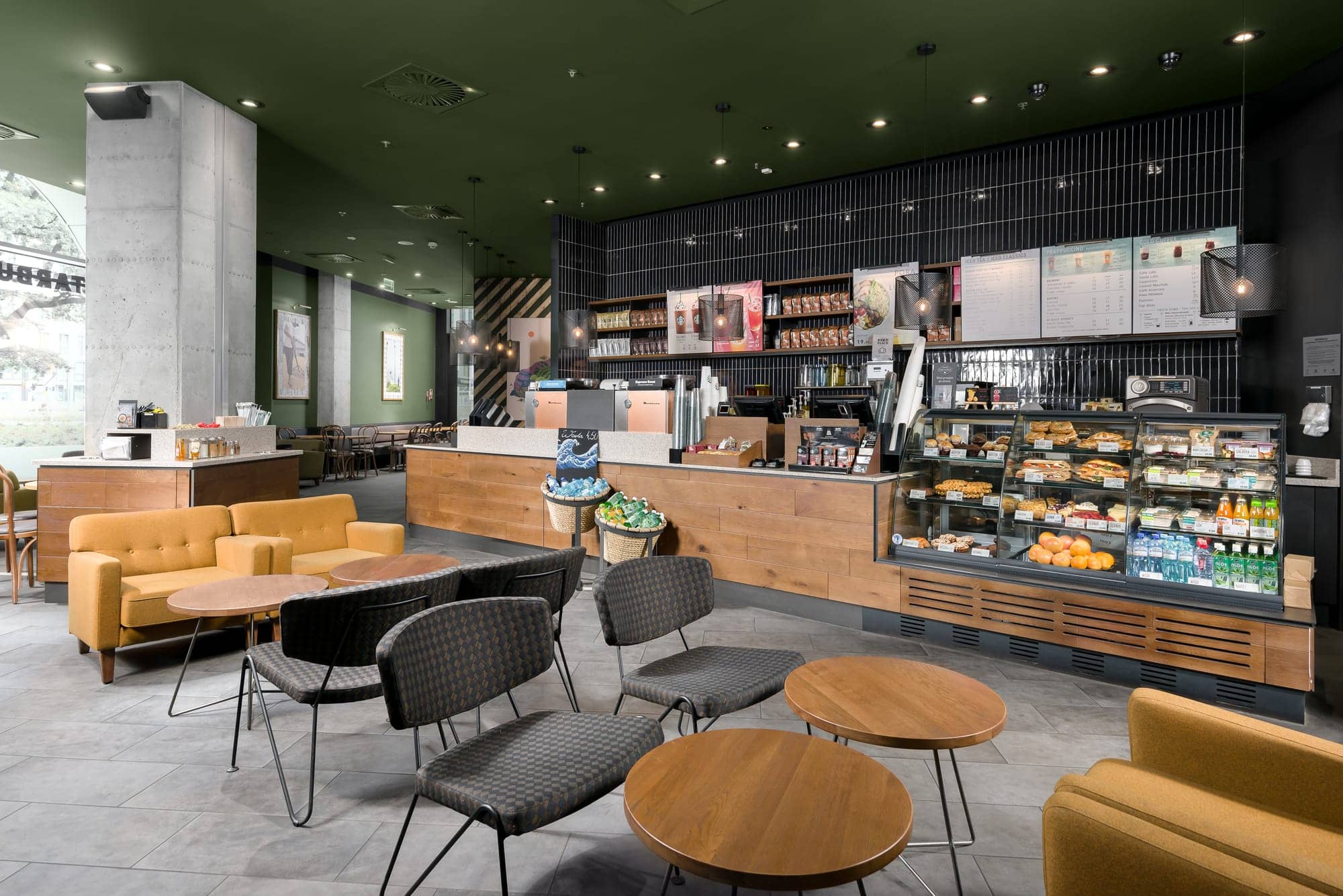
Starbucks, under the leadership of CEO Brian Niccol, has unveiled a strategic plan to enhance the overall coffeehouse experience for both customers and employees. Central to this initiative is the introduction of assistant managers across its stores. This move aims to address the need for adequate staffing levels to optimize operations and ensure a high level of service.
The initial phase of the assistant manager plan is set to debut in six U.S. company-operated districts in September, with the intention of gathering insights and feedback before expanding this role to the majority of Starbucks stores by 2026. In Canada, the assistant manager expansion is scheduled to commence in the summer of 2026. This phased approach allows Starbucks to refine the assistant manager model and tailor it to different markets for maximum impact.
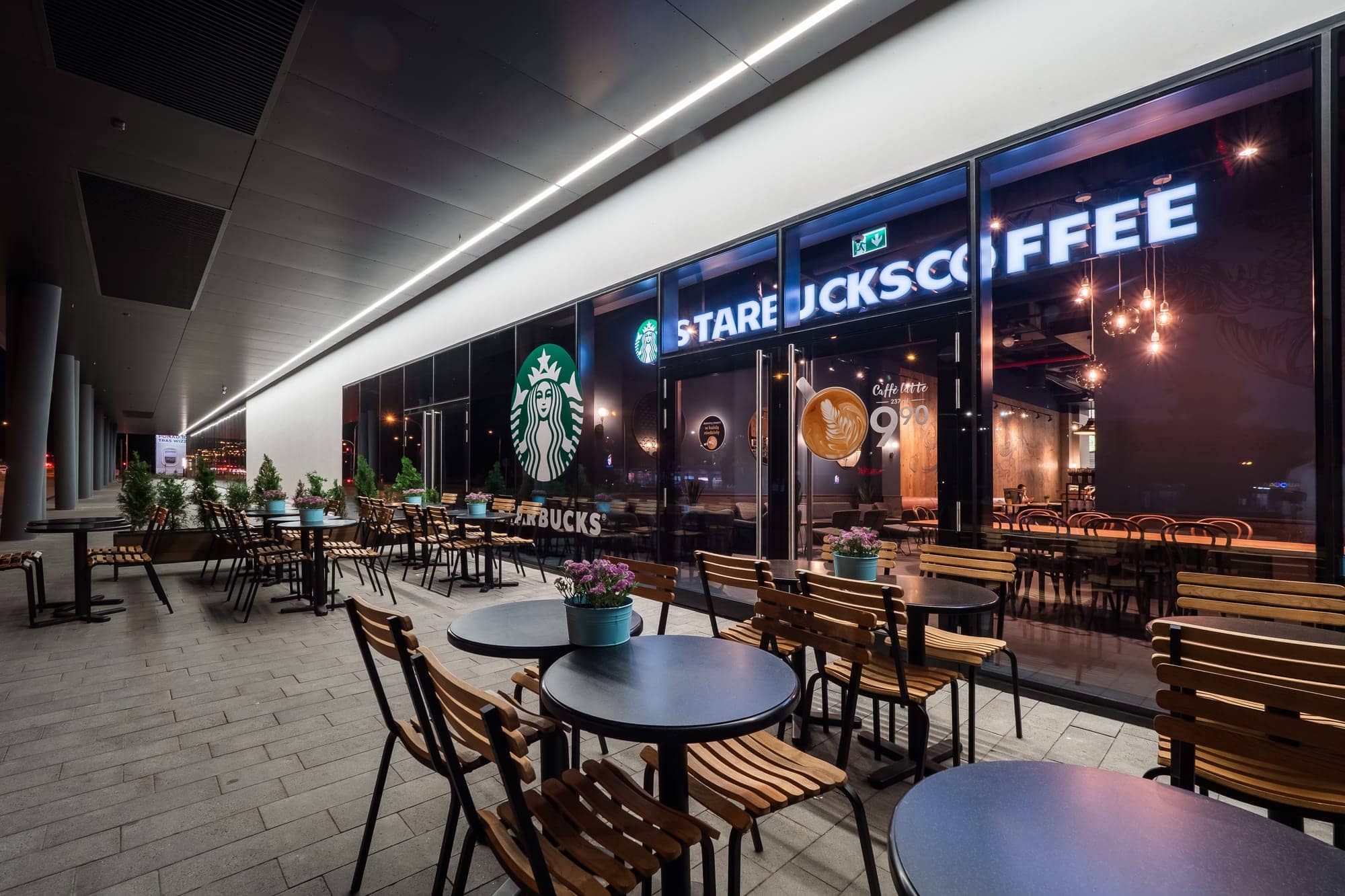
Assistant managers play a vital role in nurturing leadership within the coffeehouse environment. They provide a pathway for internal career growth, fostering talent from within the organization. Kelly, a Starbucks spokesperson, emphasized how the introduction of assistant managers is a pivotal step towards developing a robust retail leadership pipeline, with a goal to fill 90% of leadership roles internally. This move not only boosts employee morale but also enhances the customer experience through dedicated and skilled management.
The assistant manager initiative aligns with Starbucks' Green Apron Service model, a comprehensive approach to enhance service standards, partner deployment, and order efficiency. By integrating assistant managers into this model, Starbucks can streamline operations, improve peak hour throughput, and ultimately elevate the overall customer experience. This strategic alignment ensures that every aspect of the coffeehouse operation is geared towards efficiency and excellence.

CEO Brian Niccol highlighted that the new service model not only enhances operational flexibility but also aids in capturing demand, increasing transactions, and fostering stronger connections with customers. By pausing the rollout of certain systems and equipment, Starbucks can concentrate on optimizing its service model to achieve higher operational efficiency without incurring additional capital expenditures. This strategic focus underscores Starbucks' commitment to sustainable growth and operational excellence.
As part of its drive towards operational excellence, Starbucks has introduced virtual assistant technology in select stores. This innovative tool assists staff in accessing recipes, troubleshooting equipment, and managing last-minute adjustments efficiently. By leveraging technology to support daily operations, Starbucks aims to boost staff productivity and enhance the overall guest experience. This integration of digital solutions showcases Starbucks' commitment to blending traditional hospitality with cutting-edge technology.