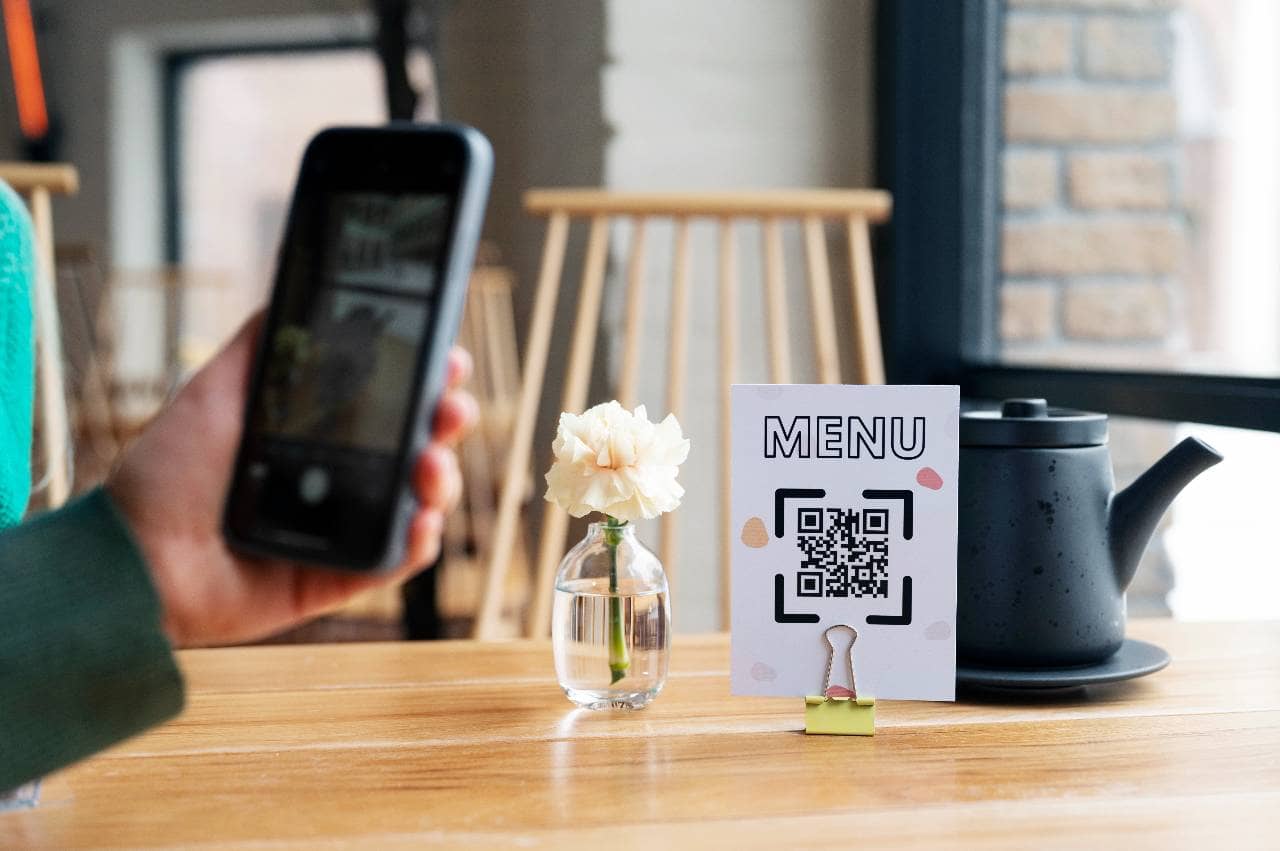
How Does a QR Code Menu Work in a Restaurant?
QR code menus let restaurants replace paper menus digitally, enabling instant updates, contactless browsing, ordering, and payment through simple smartphone scanning.
Point Of Sale
Sep 7, 2026
QR code menus let restaurants replace paper menus digitally, enabling instant updates, contactless browsing, ordering, and payment through simple smartphone scanning.
Sep 7, 2026
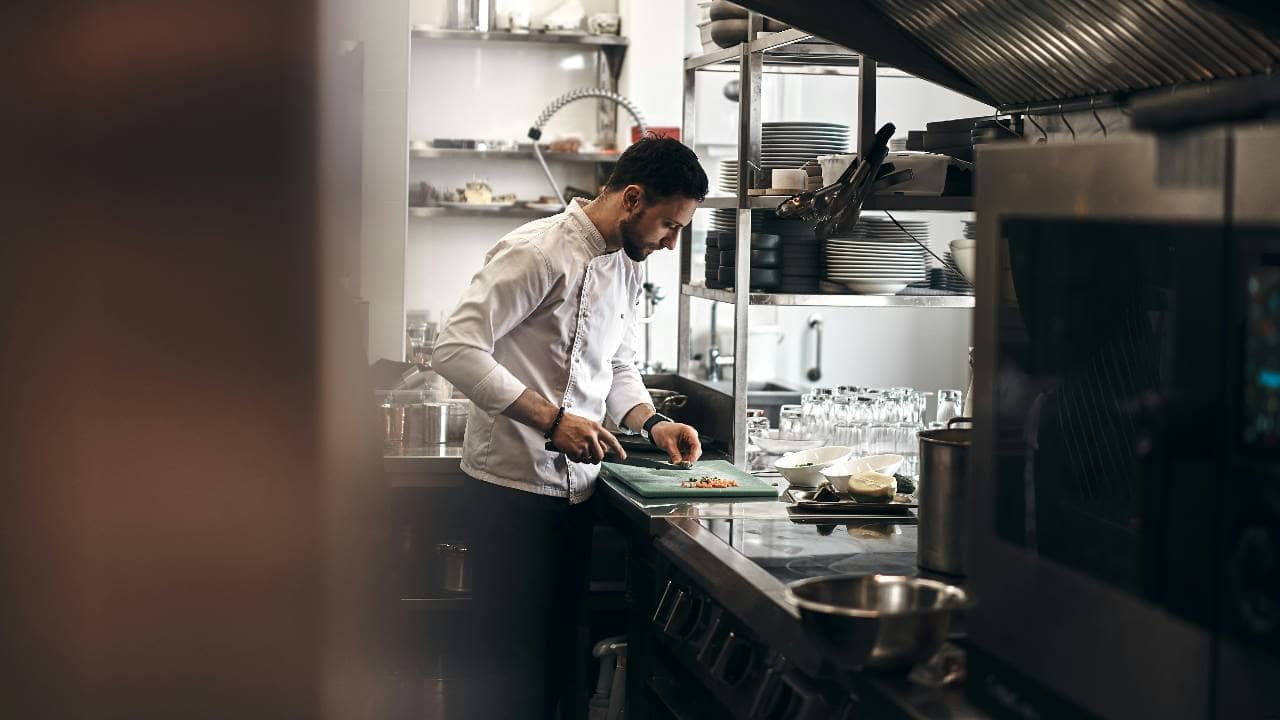
Complete guide helping restaurant owners choose essential kitchen equipment - covering cooking, refrigeration, prep, sanitation, ventilation, safety, and long-term maintenance planning.
Sep 7, 2026

Avoiding common restaurant payroll mistakes - misclassification, tip credit errors, overtime miscalculations - protects businesses from costly penalties, back pay, and compliance risks.
Sep 4, 2026
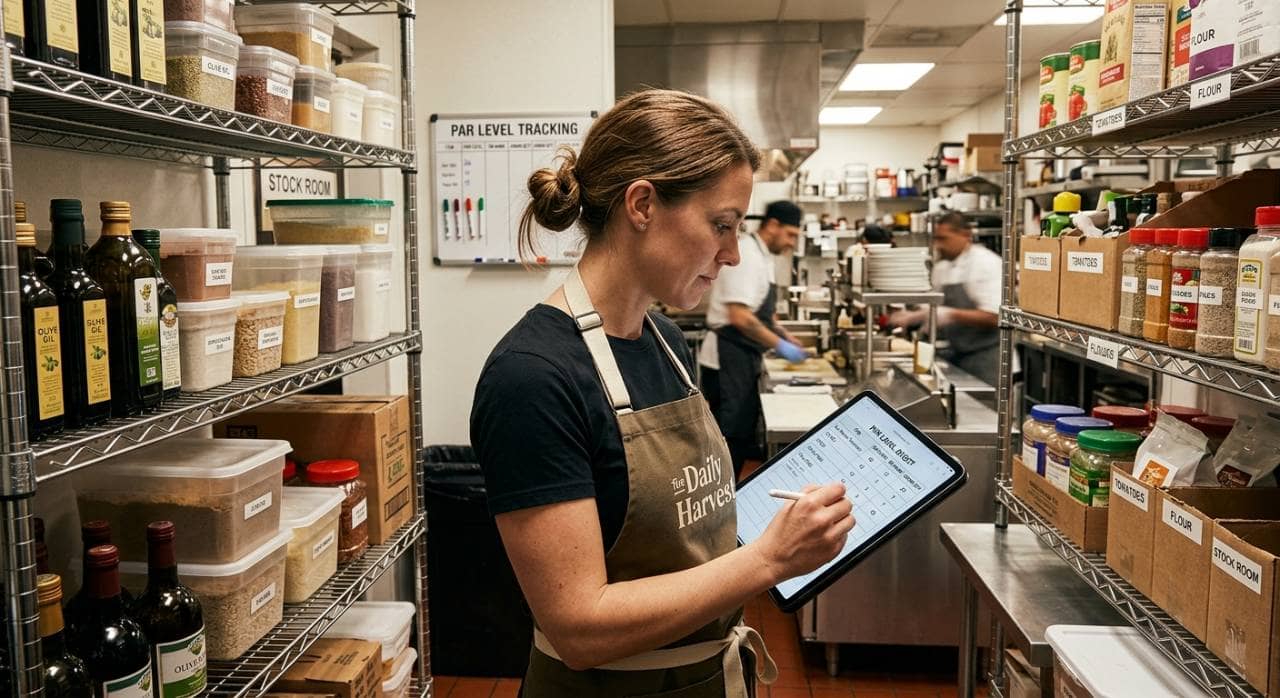
Learn to calculate par levels for restaurant food, beverages, and packaging inventory, preventing stockouts and waste through proper formulas.
Sep 4, 2026
Caribou Coffee appoints Zane Thomas-Rogers as Chief Operations Officer to strengthen execution across its expanding coffeehouse network.
Sep 4, 2026
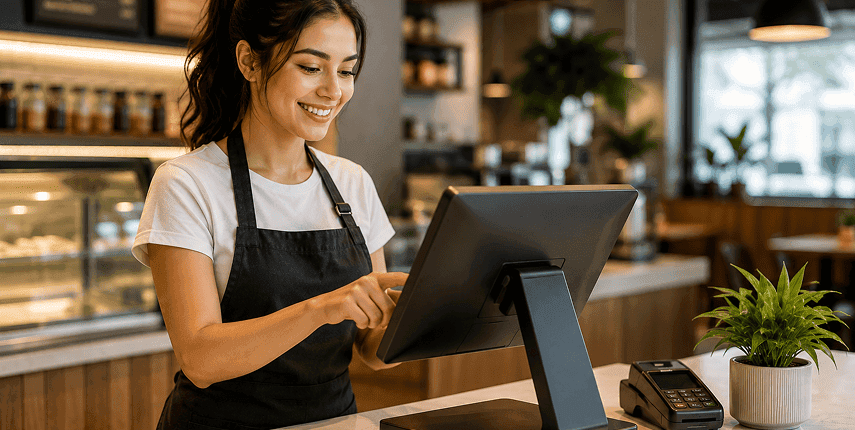
Compare the top 10 restaurant POS systems in the USA for 2026. Explore features, pricing, pros, cons, and the best POS options for every restaurant type.
Jul 1, 2026

Learn how to handle restaurant payroll yourself, from calculating hours and wages to managing tips, taxes, and final paychecks.
Sep 2, 2026
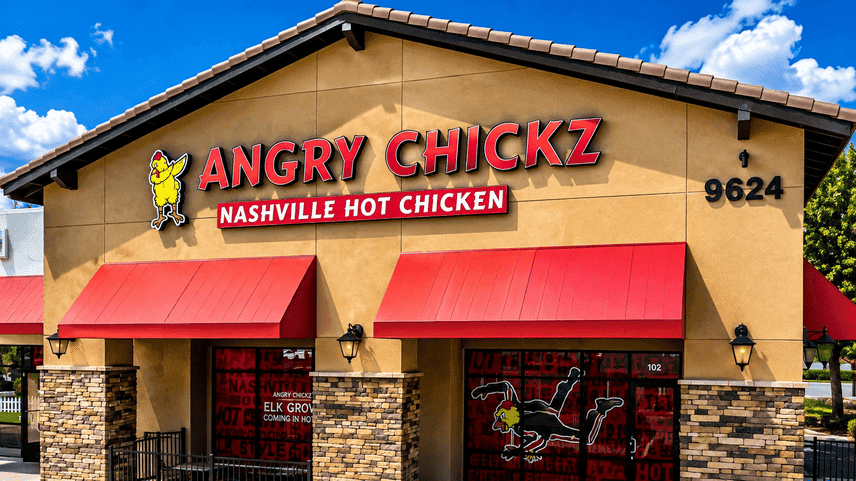
Angry Chickz enters Illinois with its signature hot chicken concept and ambitious plans for Midwest expansion, setting the stage for new franchise opportunities and community engagement.
Sep 2, 2026
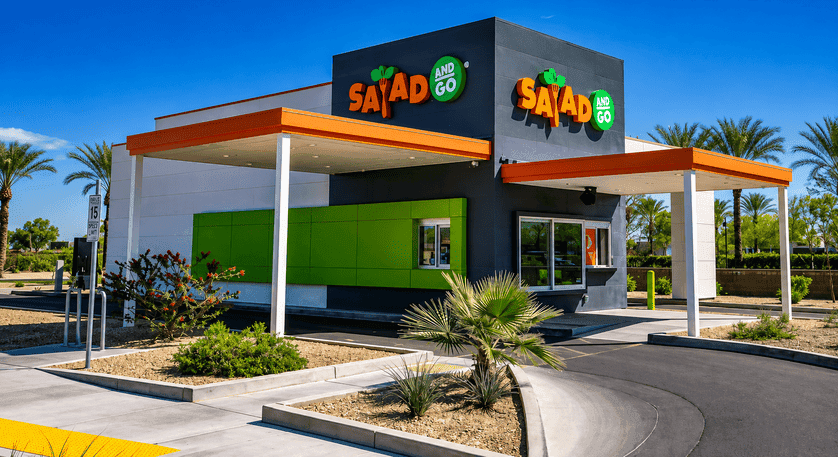
7 Brew has acquired 73 former Salad and Go locations, surpassing Dutch Bros with a $143M bid, signaling a major shift in the competitive landscape for drive-thru brands.
Sep 2, 2026
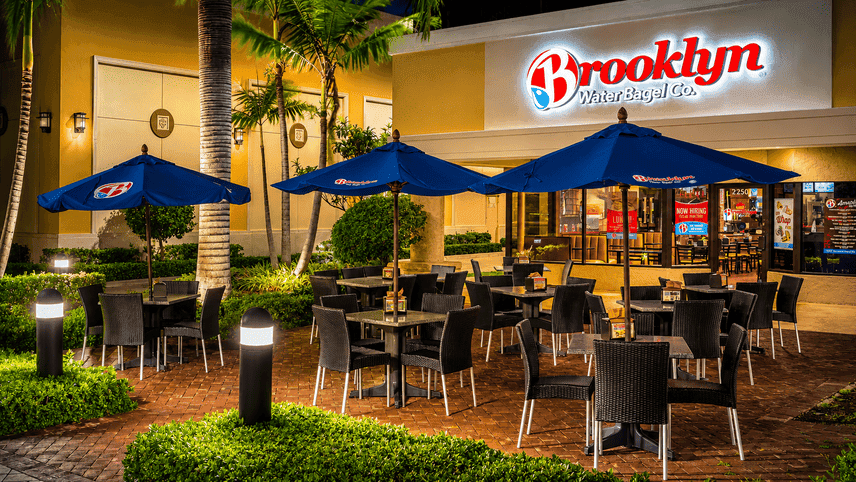
Brooklyn Water Bagel launches its first campus eatery at Nova Southeastern, signaling strategic growth and fresh potential for multi-unit operators seeking new market wins.
Sep 2, 2026

Unlock Exclusive Access To Webinars, Events, And The Latest News For Free!
Complete guide helping restaurant owners choose essential kitchen equipment - covering cooking, refrigeration, prep, sanitation, ventilation, safety, and long-term maintenance planning.
Before you request a single quote or browse a single equipment catalog, the most valuable work happens on paper. Equipment decisions made in isolation - without a clear picture of your menu, space, and volume - are one of the most common reasons restaurants end up with kitchens that fight against them instead of working for them. Start With Your Menu, Not the Showroom Your menu should dictate your equipment list, not the other way around. A pizza concept has fundamentally different equipment priorities than a sushi bar or a barbecue joint. Before buying anything, break your menu down by cooking method - What needs to be fried? Grilled? Braised? Held at temperature? Plated cold? This exercise will naturally surface the equipment categories you can't compromise on, and just as importantly, the ones you don't need at all. Owners who skip this step often end up with equipment they rarely use sitting next to overworked stations that never catch a break. It's also worth building in some flexibility. Menus evolve, seasonal items get added, and specials change. Equipment that can serve double duty - a combi oven that roasts, steams, and holds, for example - often provides more long-term value than single-purpose units, even if the upfront cost is higher. Map Your Kitchen Layout and Workflow Equipment doesn't operate in a vacuum - it has to fit within a workflow. Before finalizing purchases, map out how food will actually move through your kitchen - from delivery and storage, to prep, to cooking, to plating, to the pass. A poorly planned layout can turn even excellent equipment into a liability, creating bottlenecks, unsafe crossover between raw and ready-to-serve food, or wasted steps that slow down every ticket during a rush. Pay close attention to physical constraints as well - ceiling height for hood systems, available electrical capacity and gas lines, floor drainage, and door widths for moving large equipment in and out. It's far cheaper to discover these limitations during planning than after a walk-in cooler won't fit through your back door. Size Equipment to Your Actual Volume Equipment sizing is one of the easiest places to over- or under-invest. Estimate your expected covers per meal period and peak-hour throughput, then size your cooking and refrigeration equipment accordingly - with some reasonable headroom for growth, but not so much that you're paying to run and maintain capacity you'll never use. A six-burner range makes sense for a high-volume dinner service; it's overkill for a small breakfast-and-lunch cafe. The same logic applies to refrigeration, dish machines, and prep equipment. Plan Your Budget - New, Used, or Leased Finally, decide how you'll finance your equipment before you start shopping, since this affects what options are realistically on the table. 1. New equipment comes with warranties, the latest energy efficiency standards, and no hidden wear - but at the highest upfront cost. 2. Used or refurbished equipment can offer significant savings, particularly for big-ticket items like ranges and refrigeration, provided you inspect condition carefully and verify it meets current safety and sanitation codes. 3. Leasing preserves upfront capital and can include maintenance packages, but typically costs more over the equipment's lifetime and may come with contract terms worth reviewing closely. Many owners use a mix of all three - investing in new equipment for high-wear, mission-critical stations while buying used for lower-priority or backup equipment. Whatever approach you choose, having this framework decided in advance will make every purchasing decision in the sections ahead faster and more consistent.
Cooking equipment is the heart of any kitchen, and it's usually where the largest share of your equipment budget goes. Getting this category right means matching your equipment not just to your menu, but to the pace and volume of your service. Ranges, Ovens, and Griddles The range is the workhorse of most kitchens, and choosing the right configuration depends heavily on your menu. Open burners give precise, high-heat control ideal for sauteing and sauce work, while flat-top or French-top surfaces offer more even heat for high-volume searing. Consider how many burners you actually need based on your peak-hour ticket count - too few and your line backs up during rush; too many and you're paying to heat and maintain space you rarely use. Ovens deserve equally careful thought. Convection ovens circulate hot air for faster, more even cooking and are a solid all-purpose choice for baking, roasting, and reheating. Deck ovens are essential for pizza and certain bread applications, delivering the direct, radiant heat those items need. Combi ovens - which combine convection, steam, and a combination of both - have become increasingly popular because they handle multiple cooking methods in one footprint, which can be especially valuable in smaller kitchens. Griddles are indispensable for breakfast concepts, burgers, and diner-style menus, and they come in gas or electric versions with varying surface thicknesses that affect heat retention and recovery time during busy stretches. Fryers and Specialty Cooking Stations If fried items are a meaningful part of your menu, invest in fryers sized for your volume rather than the smallest unit that technically fits your line. Undersized fryers recover oil temperature slowly between batches, leading to inconsistent, greasy results during a rush. Consider whether you need multiple fryer wells to separate proteins from vegetarian items, and factor in oil filtration systems, which extend oil life and reduce ongoing costs. Beyond the core lineup, specialty stations often make sense depending on your concept - - Char-broilers deliver the distinct grill marks and smoky flavor associated with steakhouse and barbecue menus. - Salamanders and cheese melters provide quick top-down heat for finishing dishes, melting cheese, or holding items at temperature before plating. - Woks and specialty burners support high-heat, fast-cooking techniques common in Asian cuisine. Rather than acquiring every specialty piece available, choose stations that directly support signature dishes on your menu - equipment that sits idle most of the week rarely justifies its cost or the space it occupies. Gas vs. Electric vs. Induction The choice between fuel types affects performance, operating costs, and kitchen infrastructure alike. - Gas equipment offers instant, adjustable heat that many chefs prefer for its responsiveness, and it continues to function during power outages. It does require gas line infrastructure and generally more ventilation capacity. - Electric equipment tends to provide more consistent, even heat and is often less expensive to install where gas lines aren't already present, though it can be slower to respond to temperature adjustments. - Induction cooktops heat cookware directly through electromagnetic energy, offering fast heat-up times, precise control, and a cooler kitchen environment since the cooking surface itself stays relatively cool. The trade-off is that induction requires compatible cookware and typically carries a higher upfront cost. Many kitchens use a mix of fuel types across different stations, matching each cooking method to the technology that serves it best rather than standardizing on one option for the entire line.
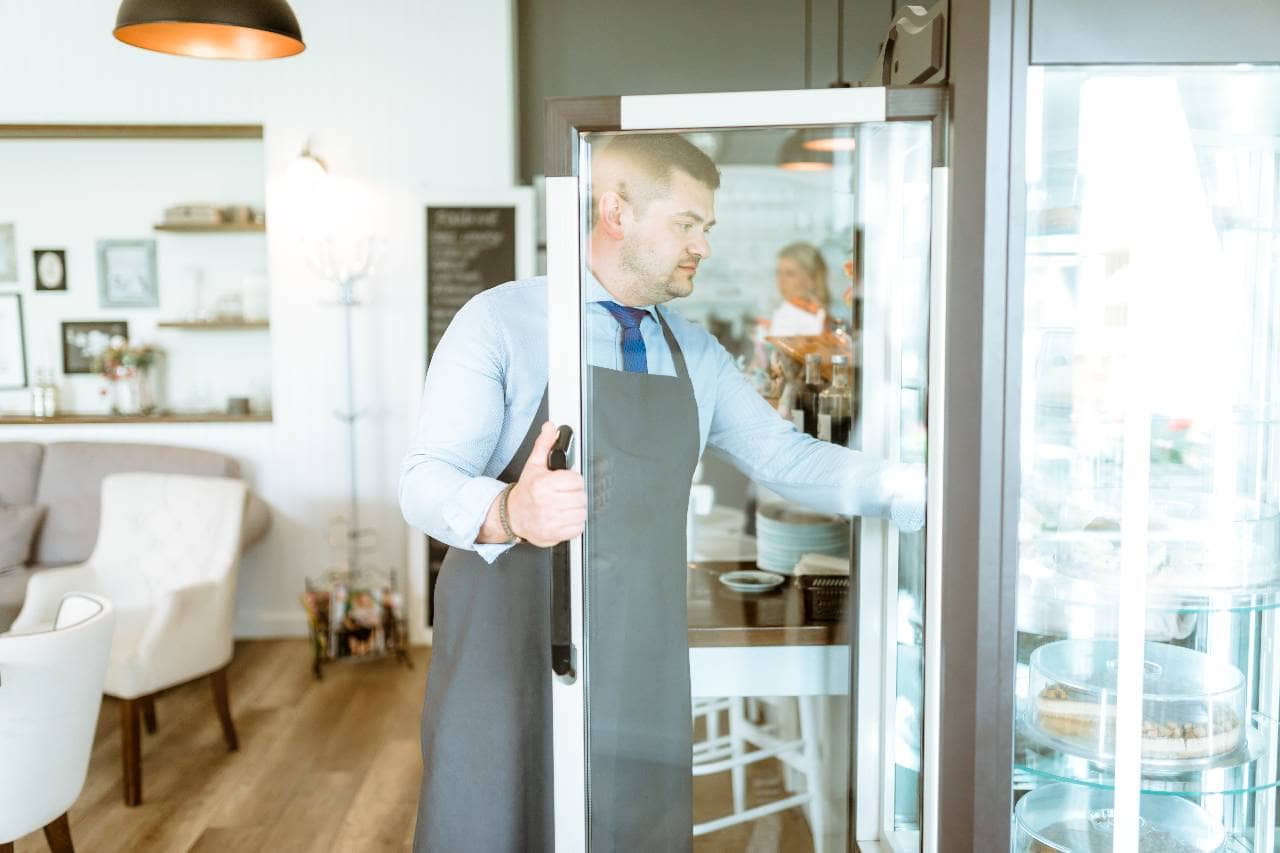
Refrigeration is easy to underestimate during planning, yet it affects nearly every part of your operation - food cost control, food safety compliance, menu consistency, and how efficiently your kitchen runs during service. Getting this category right means thinking beyond a single walk-in cooler and considering the full chain of storage your kitchen actually needs. Walk-In Coolers and Freezers vs. Reach-In Units Walk-in coolers and freezers are typically the backbone of bulk storage for restaurants receiving regular deliveries of proteins, produce, and dairy. They offer the most storage capacity per dollar and make organizing large quantities of inventory far easier than a bank of smaller units. The trade-off is space - walk-ins require dedicated square footage, proper drainage, and adequate clearance for compressor units, which isn't always feasible in smaller or existing footprints. Reach-in refrigerators and freezers, by contrast, offer flexibility and quicker access, making them well suited for smaller operations or as supplemental storage alongside a walk-in. They're also easier to relocate or add if your space or menu changes down the line. Many kitchens use a combination - a walk-in for bulk backstock and reach-ins positioned closer to prep and cooking areas for frequently accessed items. Undercounter Refrigeration for Line Stations During service, cooks shouldn't have to walk across the kitchen every time they need an ingredient. Undercounter refrigeration units, often paired directly with prep tables or built into cooking lines, keep frequently used items within arm's reach. These units are especially valuable for sauces, proteins, and garnishes that need to stay at safe temperatures while remaining instantly accessible - reducing wasted motion and helping tickets move faster during peak hours. Proper Food Storage Equipment Refrigeration units alone aren't enough; how food is organized inside them matters just as much. Investing in the right storage infrastructure pays off in reduced waste and easier compliance - - Shelving designed for wet or dry storage areas, sized appropriately to maximize usable space without restricting airflow inside refrigeration units. - Food storage containers in a range of sizes, ideally with clear construction so contents are easy to identify at a glance. - Labeling systems, whether printed date labels or a dedicated labeling station, to track preparation and expiration dates consistently across your team. These may seem like minor purchases compared to a walk-in cooler, but inconsistent storage practices are one of the most common sources of both food waste and health code violations. Temperature Monitoring and Food Safety Compliance Modern refrigeration decisions increasingly include how you'll monitor temperatures, not just how you'll achieve them. Digital temperature monitoring systems - some with remote alerts - can flag a failing unit before spoiled inventory becomes a costly loss or a food safety incident. At minimum, every refrigeration unit should have an easily readable thermometer, and staff should be trained on logging temperatures at consistent intervals as part of your health code compliance routine. Refrigeration failures don't just cost you inventory; a single incident involving spoiled or improperly held food can result in health code violations, forced menu changes, or worse, a foodborne illness event that damages your reputation. Treating temperature monitoring as a core operational system, not an afterthought, is one of the highest-value investments in this category.
Prep equipment doesn't always get the same attention as ranges or refrigeration, but it has an outsized effect on labor efficiency, consistency, and how smoothly your kitchen transitions from raw ingredients to plated dishes. The right prep tools can shave significant time off daily routines; the wrong ones (or missing ones) mean your staff is doing by hand what a machine could do faster and more consistently. Mixers, Slicers, and Food Processors These three categories cover the bulk of general-purpose prep work in most kitchens. - Mixers are essential well beyond bakeries - commercial stand mixers handle everything from bread dough and batters to mashed potatoes and ground meat mixtures. Capacity matters here - a mixer sized for a small cafe won't keep pace with a restaurant producing large batches daily. - Slicers ensure consistent, uniform cuts for deli meats, cheeses, and vegetables, which matters both for presentation and for controlling portion costs. Manual slicers work for lower volume; automatic or semi-automatic models save labor time in higher-volume settings. - Food processors handle chopping, pureeing, and emulsifying tasks that would otherwise consume significant prep-cook time. Look at bowl capacity and motor power relative to your typical batch sizes - undersized processors that need to run multiple cycles for a single task quickly become a bottleneck. Prep Tables and Cutting Surfaces Adequate prep table space is easy to overlook until a kitchen is understaffed for the counter space available. Stainless steel prep tables remain the standard for durability, ease of cleaning, and compliance with health codes. Consider tables with built-in undercounter refrigeration or shelving to maximize functionality per square foot, particularly in smaller kitchens where floor space is limited. Cutting boards and surfaces deserve equally deliberate planning. Color-coded cutting boards - commonly used to separate proteins, produce, and ready-to-eat items - help prevent cross-contamination and support health code compliance. Make sure you have enough boards and adequate storage for them so staff aren't tempted to reuse a board across food categories during a busy shift. Specialty Prep Tools by Cuisine Beyond general-purpose equipment, many concepts rely on specialty tools tailored to their specific menu - - Tortilla presses for Mexican and Latin American concepts producing fresh tortillas in-house. - Pasta machines for Italian restaurants making fresh pasta rather than relying solely on dried products. - Sushi equipment, including rice cookers designed for sushi rice, bamboo mats, and specialized knives, for Japanese concepts. - Dough sheeters and dividers for bakeries, pizzerias, or any concept producing high volumes of dough-based items. These specialty tools are rarely essential for every kitchen, but for concepts where they support a signature menu item, they're often what separates an efficient, consistent operation from one that struggles to keep pace with demand. As with cooking equipment, the goal is to match specialty investments directly to what your menu requires rather than acquiring equipment because it seems useful in the abstract.
Dishwashing and sanitation equipment rarely gets the spotlight, but it's one of the categories health inspectors scrutinize most closely - and one where the wrong choice can slow down an entire service. A kitchen with insufficient dish capacity will bottleneck plates, glassware, and utensils exactly when you need them fastest, so matching this equipment to your actual volume is just as important as it is for cooking equipment. Commercial Dishwashers Commercial dishwashers generally fall into a few categories, each suited to different volumes and operations - - Undercounter dishwashers are compact and well suited to smaller restaurants, bars, or operations with lower dish volume. They're easy to fit into tight kitchens but have limited throughput per cycle. - Conveyor (or "rack conveyor") dishwashers move racks through the machine continuously, offering much higher throughput for high-volume operations - ideal for restaurants running back-to-back turns or handling large banquet-style service. - High-temp vs. low-temp models differ in how they sanitize - high-temp machines use hot water (typically requiring a booster heater) to kill bacteria, while low-temp machines rely on chemical sanitizers. High-temp units tend to have higher utility costs but avoid ongoing chemical expenses; low-temp units cost less to install but require a reliable chemical sanitizer supply and careful concentration monitoring. Choosing between these options comes down to your covers per day, available space, and utility infrastructure - a mismatch here (an undercounter unit trying to keep pace with high-volume dinner service, for example) is one of the more common operational headaches owners run into after opening. Three-Compartment Sinks and Handwashing Stations Even kitchens with a commercial dishwasher are generally required to have a three-compartment sink for washing, rinsing, and sanitizing items too large for the dishwasher - pots, pans, and certain equipment components. Health codes typically specify sink sizing and required water temperatures, so this isn't an area to guess on; local regulations should guide your specific setup. Separately, dedicated handwashing stations are a non-negotiable health code requirement in food prep areas. These stations need to be positioned for easy staff access - typically at multiple points throughout the kitchen - and stocked consistently with soap, hot water, and disposable towels. Placing them thoughtfully within your kitchen layout (rather than treating them as an afterthought squeezed in wherever space allows) makes it far more likely staff will actually use them as intended. Sanitation Supplies and Health Code Requirements Equipment alone doesn't guarantee compliance; it needs to be paired with consistent sanitation practices and supplies - - Sanitizing solutions and test strips to verify correct chemical concentrations - Color-coded cleaning cloths and buckets to prevent cross-contamination between surfaces - Designated storage for cleaning chemicals, kept separate from food storage and prep areas - Waste disposal systems, including grease traps and proper garbage/recycling separation Local health departments vary in their specific requirements, so it's worth reviewing your jurisdiction's code in detail - or consulting with a health inspector or restaurant consultant during planning - rather than assuming national standards will cover every local requirement. Getting this category right from day one avoids costly retrofits and keeps your kitchen consistently inspection-ready.
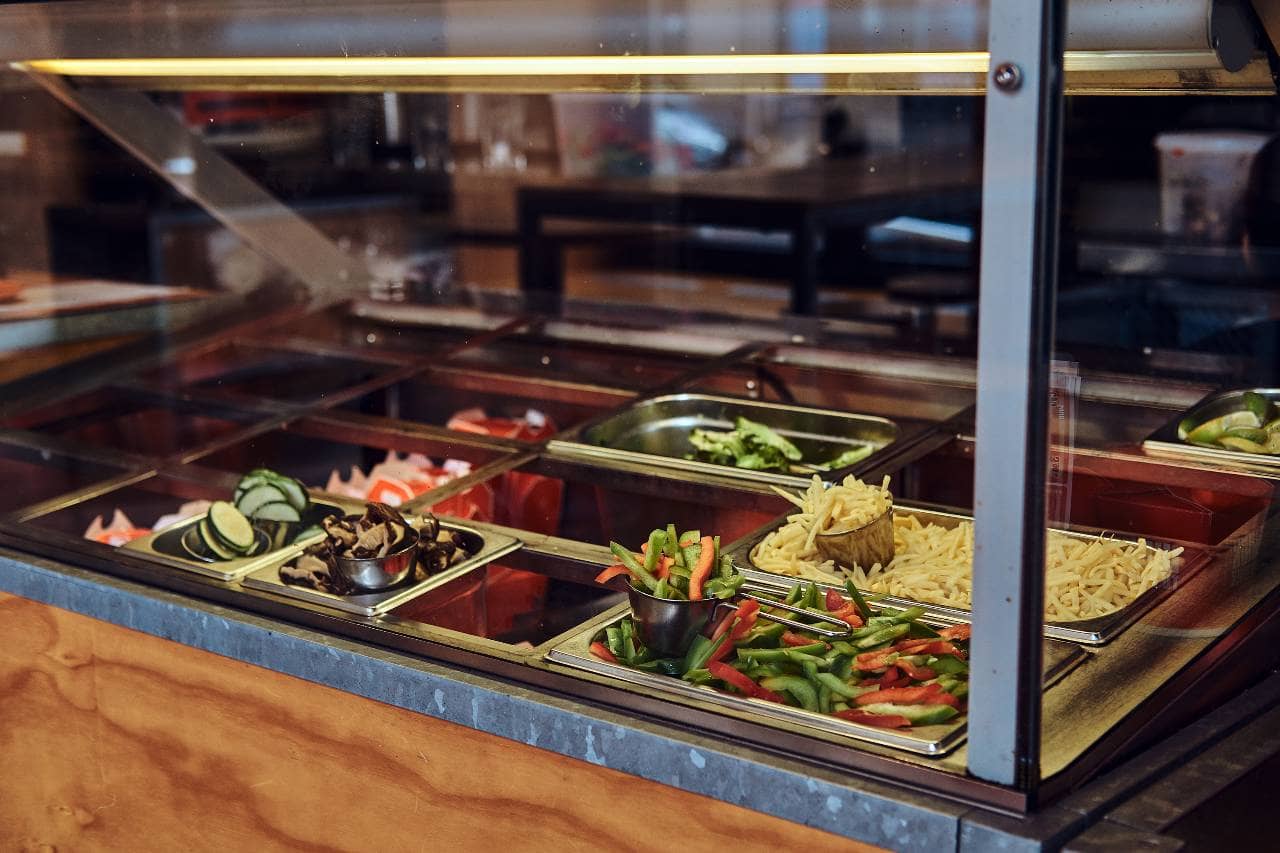
Ventilation and safety systems rarely make it into an owner's initial equipment wish list, yet they're often the most heavily regulated category in the entire kitchen - and the one most likely to halt your opening if overlooked. Getting these systems right isn't optional; it's a matter of code compliance, staff safety, and in many cases, insurance eligibility. Exhaust Hoods and Makeup Air Systems Every cooking line that produces heat, smoke, or grease-laden vapors requires an exhaust hood sized and rated appropriately for the equipment beneath it. Hood sizing isn't a matter of preference - it's typically dictated by local fire and building codes based on the type and quantity of cooking equipment installed, so this is an area where your equipment layout and your ventilation planning need to happen in tandem, not sequentially. As hoods pull air out of the kitchen, that air needs to be replaced, which is where makeup air systems come in. Without adequate makeup air, kitchens can experience negative pressure that makes doors difficult to open, pulls conditioned air from other parts of the building, or causes the hood system to underperform. This is a common oversight in kitchen retrofits, where an existing space wasn't originally designed around the ventilation demands of a full commercial kitchen. Routine cleaning and maintenance of hood systems and ductwork is equally critical - grease buildup inside ventilation systems is a leading cause of commercial kitchen fires, and most jurisdictions require documented cleaning on a regular schedule as part of fire code compliance. Fire Suppression Requirements and Code Compliance Commercial kitchens are required to have fire suppression systems installed above cooking equipment that produces grease-laden vapors - typically wet chemical systems designed specifically for kitchen fires, which behave differently than the fire risks addressed by standard sprinkler systems. These systems need to be installed by licensed professionals, inspected and certified on a schedule set by local fire codes, and tied into automatic shutoffs for gas and electrical supply to the equipment they protect. Alongside built-in suppression systems, kitchens should be equipped with appropriately rated portable fire extinguishers (Class K extinguishers are specifically designed for kitchen grease fires) placed in accessible, clearly marked locations. Staff should be trained not just on where these are located, but on when and how to use them safely - and when to evacuate instead. Given how heavily this category is regulated, it's worth involving your local fire marshal or a licensed contractor early in your equipment and layout planning, rather than treating fire suppression as a final step before opening. Employee Safety Equipment Beyond fire-specific systems, general workplace safety equipment protects your staff from the everyday hazards of a busy kitchen - - Non-slip mats placed near cooking lines, dish stations, and other areas prone to spills, reducing one of the most common causes of kitchen injuries. - Protective gear, including cut-resistant gloves for prep work, heat-resistant gloves and sleeves for oven and fryer duty, and aprons suited to the tasks being performed. - First aid stations, stocked and easily accessible, along with staff training on basic first aid response for burns and cuts, which are among the most common kitchen injuries. Investing in this category signals to your staff that their safety is taken seriously, and it often pays for itself by reducing injury-related absences, turnover, and liability exposure over time.
Buying the right equipment is only half the job - keeping it running reliably over years of daily use is what actually protects your investment. Equipment that's neglected breaks down at the worst possible moments, typically during peak service, and often costs far more to repair or replace in an emergency than it would have cost to maintain proactively. Preventive Maintenance Schedules Every major piece of kitchen equipment benefits from a documented maintenance schedule rather than a reactive "fix it when it breaks" approach. This might include routine tasks your own staff can handle - cleaning condenser coils on refrigeration units, descaling steam equipment, or checking gaskets on walk-in doors - alongside scheduled visits from qualified technicians for more complex servicing like calibrating ovens or inspecting gas lines. Keeping a simple log of maintenance performed, by unit, makes it far easier to spot patterns (a refrigeration unit that needs repeated repairs, for example) and gives you documentation that can matter for warranty claims or resale value down the line. Many manufacturers specify maintenance intervals in their equipment documentation - following these isn't just good practice, it's often required to keep warranties valid. Signs It's Time to Repair vs. Replace Every owner eventually faces the repair-or-replace decision, and making it well requires looking beyond the immediate repair estimate. Consider - - Frequency of breakdowns. Equipment requiring frequent repairs often signals it's nearing the end of its useful life, even if each individual repair seems affordable. - Repair cost relative to replacement cost. A common guideline is that if a repair costs more than 50% of replacing the unit - especially on older equipment replacement is usually the better long-term value. - Energy efficiency. Older equipment often consumes significantly more energy than current models, meaning ongoing utility costs should factor into the comparison, not just the purchase price. - Impact on operations during downtime. For equipment central to your line, consider how repair delays affect service, and whether a spare or backup unit makes sense for critical stations. Energy-Efficient Upgrades and ROI Kitchen equipment is typically one of the largest sources of a restaurant's utility costs, which makes energy-efficient upgrades worth evaluating even when existing equipment still functions. ENERGY STAR-certified refrigeration, ovens, and dishwashers can meaningfully reduce electricity and water usage over time, and some utility providers offer rebates or incentives for upgrading to qualifying equipment. When evaluating an upgrade, look at the full picture - purchase price, expected energy savings, any available rebates, and the equipment's expected lifespan, to determine a realistic payback period rather than focusing on upfront cost alone. Building Relationships With Suppliers and Service Technicians Finally, the relationships you build around your equipment matter as much as the equipment itself. A reliable equipment supplier can help you plan replacements before a failure becomes a crisis, source parts quickly when something breaks, and advise on new equipment options as your menu or volume changes. Similarly, having a trusted service technician (or a maintenance contract with a reputable company) means faster response times when equipment does fail - critical when a broken walk-in or dish machine threatens to disrupt service. Treating equipment planning as an ongoing responsibility, rather than a one-time purchasing decision made during your opening, is ultimately what keeps your kitchen operating efficiently and helps you get the full return on the equipment investments you've made throughout this guide.
