
How to Build Your Restaurant Back Office Software Stack
Learn how to build a restaurant back office software stack that improves efficiency, integrations, reporting, cost control, and scalability overall.
Back Office
Aug 21, 2026
Learn how to build a restaurant back office software stack that improves efficiency, integrations, reporting, cost control, and scalability overall.
Aug 21, 2026

Clear operating procedures help restaurants manage opening, closing, food preparation, sanitation, guest service, inventory, staffing, and routine operational reviews effectively.
Aug 21, 2026
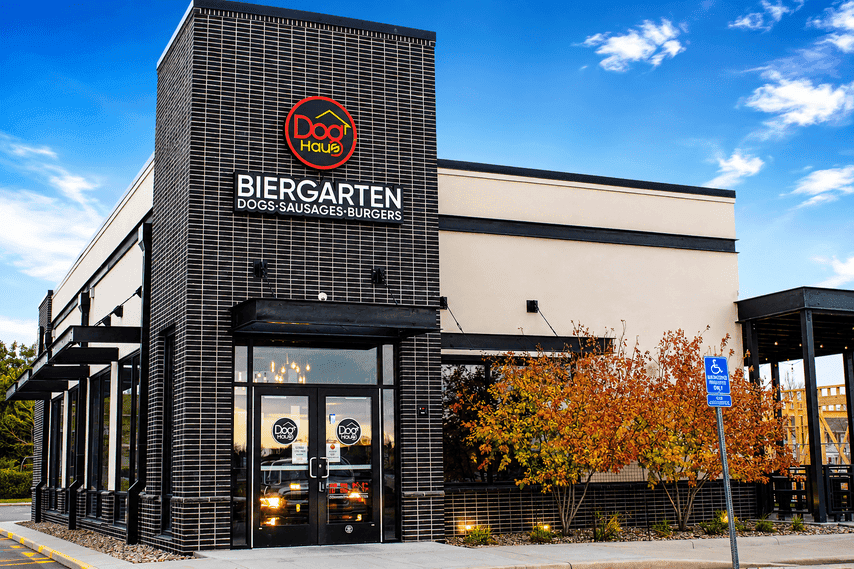
Dog Haus appoints James Field as chief marketing officer and promotes CJ Ramirez to chief experience officer, setting the stage for innovative brand growth and franchisee success in the national restaurant scene.
Aug 21, 2026
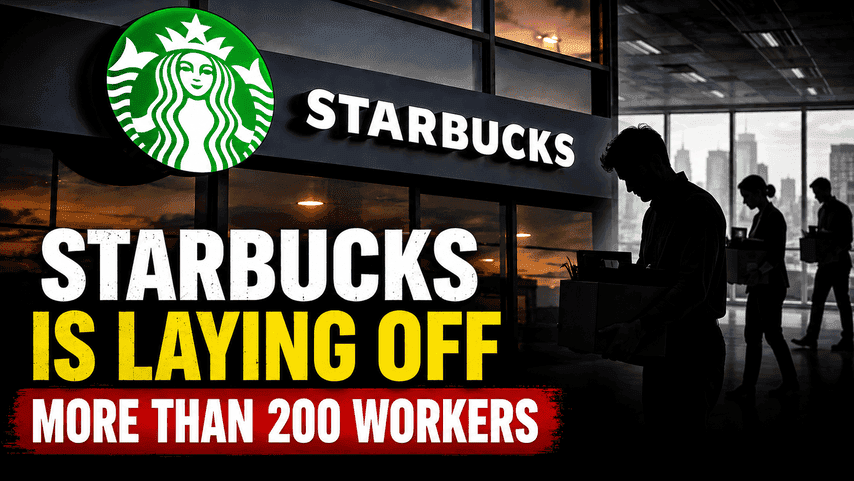
Starbucks is making strategic staffing changes, laying off 200+ workers as it restructures operations and prepares for future growth in southern and eastern regions.
Aug 21, 2026

Payroll advances help restaurant owners give hourly employees earlier access to earned wages while maintaining accurate records, policies, and compliance.
Aug 19, 2026
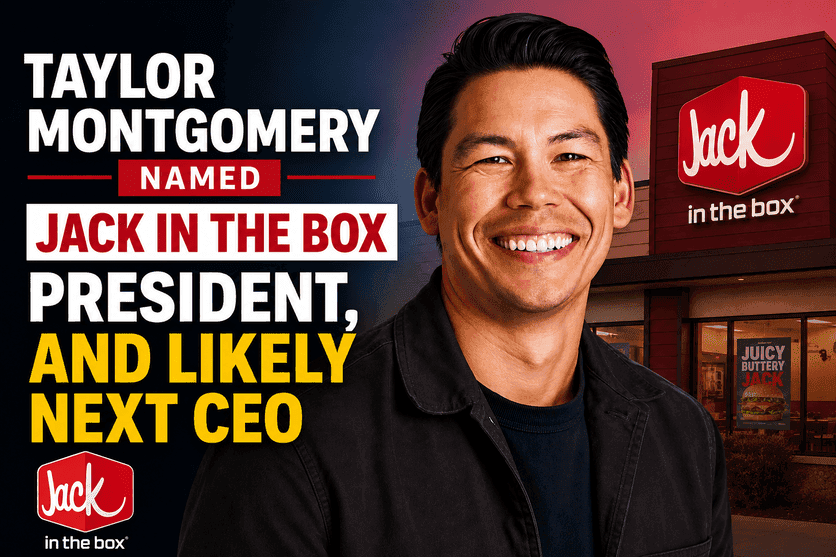
Taco Bell’s Taylor Montgomery has been appointed as President of Jack in the Box, positioning him to take over as CEO within a year - signaling major shifts for the QSR brand's future.
Aug 20, 2026
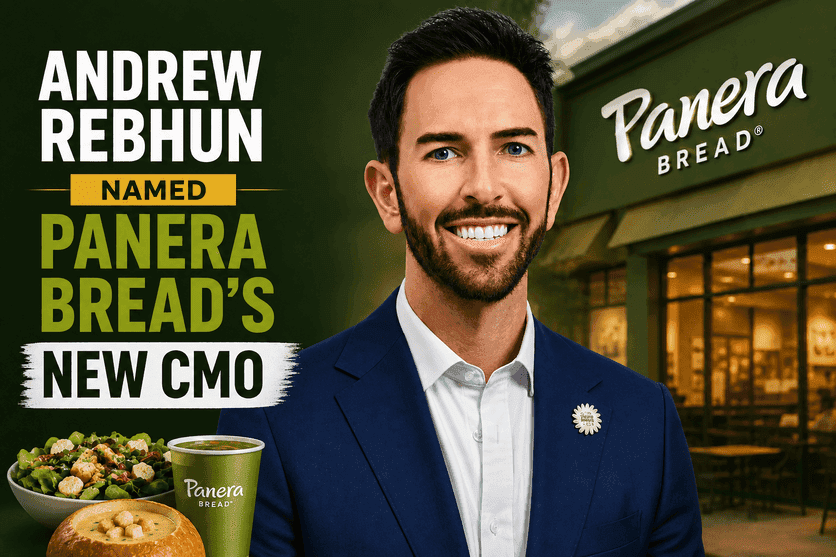
Panera Bread welcomes Andrew Rebhun as Chief Marketing Officer, succeeding Mark Shambura. Learn about his background at CAVA, El Pollo Loco, and McDonald's.
Aug 20, 2026

Learn how to open a restaurant with no experience by planning your concept, budget, location, team, operations, and successful launch.
Aug 19, 2026

Explore the main types of ordering technology restaurants use to improve accuracy, speed, payments, customer convenience, and operational efficiency daily.
Aug 17, 2026

Learn the eight essential steps of the restaurant payroll process, from tracking hours and calculating wages to payments and recordkeeping.
Aug 17, 2026

Unlock Exclusive Access To Webinars, Events, And The Latest News For Free!
Discover how purchasing consideration metrics affect consumer appeal and brand awareness in the restaurant industry. Learn from top restaurant brands' success stories.

In the realm of brand management, tracking various metrics is crucial to gauge the effectiveness of marketing strategies and overall brand health. While sales and profitability are key indicators, purchasing consideration stands out as a metric that delves deeper into consumer sentiment. Assessing purchasing consideration allows businesses to understand how likely consumers are to buy from a brand, providing insights into brand appeal and market awareness. When consumers consider purchasing from a brand, it reflects positive brand perception and interest.
Morning Consult's rankings of the fastest-growing brands based on purchasing consideration offer valuable insights into consumer behavior. By tracking the shift in the share of consumers considering purchasing from a brand over time, Morning Consult provides a dynamic view of brand performance. This method considers consumer perceptions and preferences, offering a holistic view of brand growth. For instance, the rise in purchasing consideration for certain restaurant brands signifies successful marketing initiatives and enhanced brand appeal.
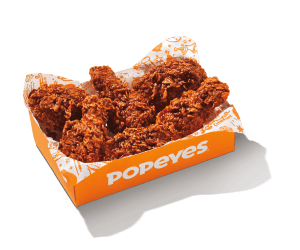
Examining specific restaurant brands that experienced significant growth in purchasing consideration sheds light on the strategies that drove their success. Brands like Ben & Jerry’s, Pizza Hut, Wendy’s, Haagen-Dazs, and Popeyes demonstrate how unique marketing campaigns, product innovations, and leadership changes can impact consumer perception and purchasing intent. From impactful ad campaigns to menu innovations, these brands showcase the importance of staying relevant and engaging in the competitive restaurant industry.
Morning Consult's breakdown of purchasing consideration across different demographics unveils interesting trends in consumer behavior. Variations in brand appeal among gender and age groups highlight the diverse preferences within the market. For instance, the preferences of Gen Z consumers differ from those of Baby Boomers, indicating the need for targeted marketing strategies. Understanding demographic nuances in purchasing consideration is vital for brands looking to tailor their offerings to specific consumer segments.