
The Complete Guide to Payroll Advances for Restaurants
Payroll advances help restaurant owners give hourly employees earlier access to earned wages while maintaining accurate records, policies, and compliance.
Payroll
Aug 19, 2026
Payroll advances help restaurant owners give hourly employees earlier access to earned wages while maintaining accurate records, policies, and compliance.
Aug 19, 2026
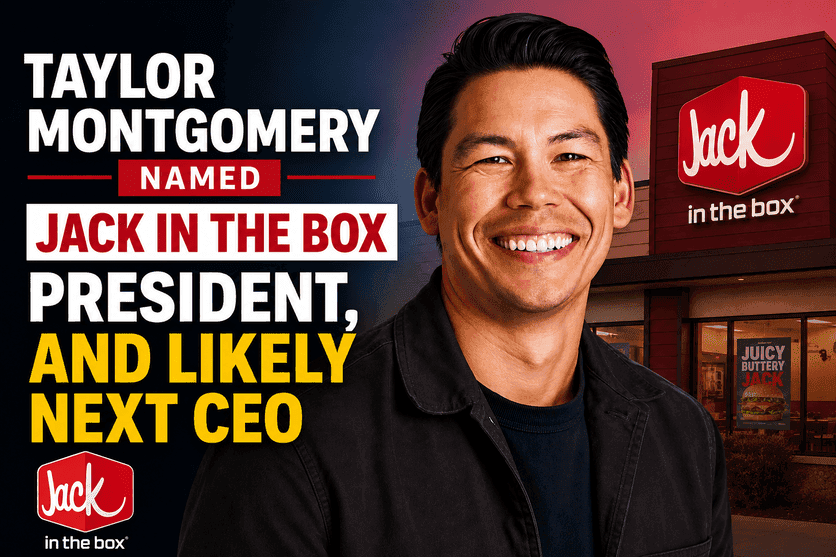
Taco Bell’s Taylor Montgomery has been appointed as President of Jack in the Box, positioning him to take over as CEO within a year - signaling major shifts for the QSR brand's future.
Aug 20, 2026

Learn how to open a restaurant with no experience by planning your concept, budget, location, team, operations, and successful launch.
Aug 19, 2026
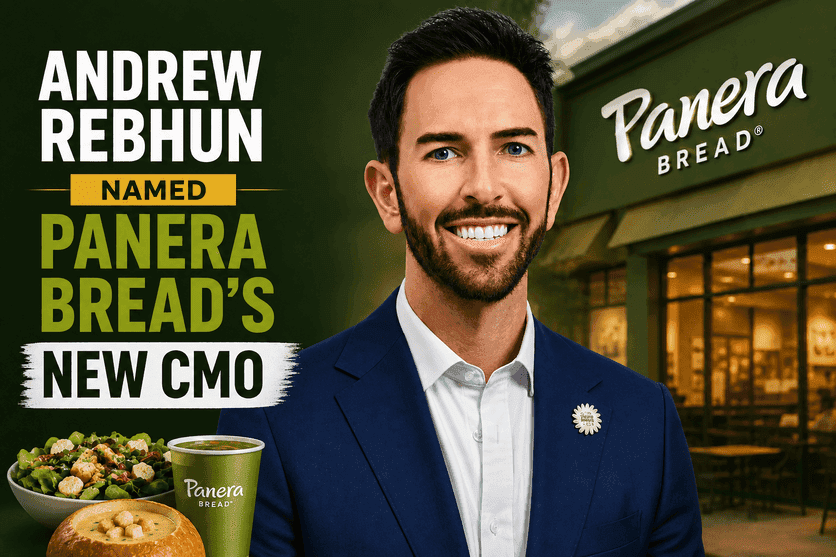
Panera Bread welcomes Andrew Rebhun as Chief Marketing Officer, succeeding Mark Shambura. Learn about his background at CAVA, El Pollo Loco, and McDonald's.
Aug 20, 2026

Explore the main types of ordering technology restaurants use to improve accuracy, speed, payments, customer convenience, and operational efficiency daily.
Aug 17, 2026

Learn the eight essential steps of the restaurant payroll process, from tracking hours and calculating wages to payments and recordkeeping.
Aug 17, 2026
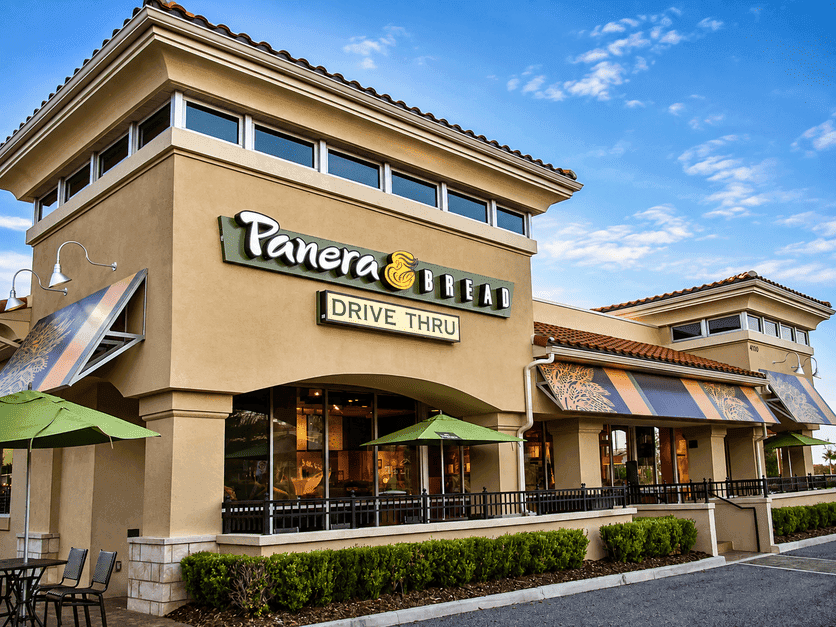
Panera Bread welcomes Andrew Rebhun as its new CMO to spearhead strategic brand growth and transformation, bolstering its vision for 2028.
Aug 17, 2026

Discover how restaurant SMS marketing works, from building subscriber lists and creating campaigns to improving engagement and measuring marketing performance.
Aug 14, 2026
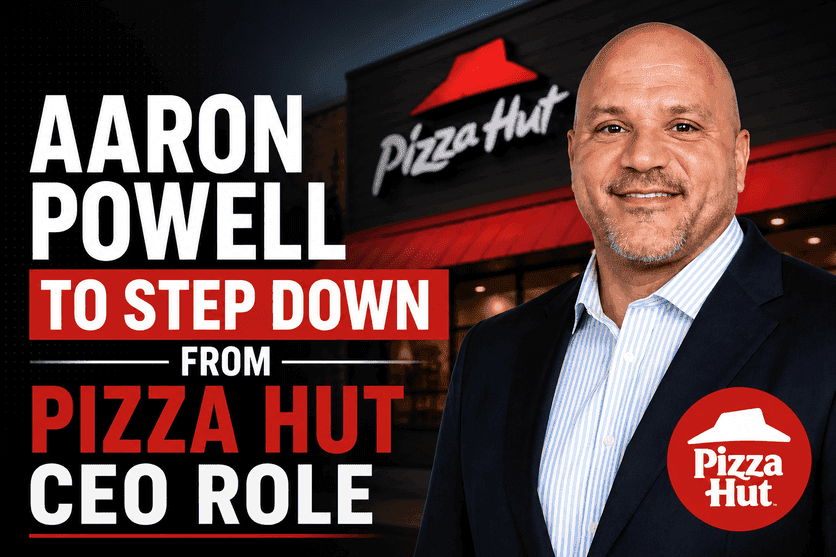
The transition of Pizza Hut's CEO, Aaron Powell, marks a pivotal moment for the chain and offers valuable leadership lessons for restaurant owners. Here’s what this executive change could mean for your business.
Aug 17, 2026

Learn how to manage cash flow in your restaurant by tracking finances, controlling costs, forecasting needs, and building cash reserves.
Aug 14, 2026

Unlock Exclusive Access To Webinars, Events, And The Latest News For Free!
Reef Technology, the kitchen brand company, recently lost a number of partners such as Burger King, Popeyes, Jack in the Box, and Del Taco. The company ran into similar issues with Wendy's recently.
Recent reports state that major food chains such as Burger King, Popeyes, Jack in the Box, and Del Taco have terminated their partnerships with Reef Technology, a pioneer in the field of ghost kitchens. "I can confirm that the pilot project that Burger King and Popeyes were testing with Reef has ended," a representative from Restaurant Brands International, the company that owns Burger King and Popeyes, said in an email to Business Insider. Another statement from Jack in the Box, which also owns Del Taco, reads, "Our trial program with Reef is complete and we continue to evaluate the future of ghost kitchens for our business." All of the above-mentioned brands had declared significant plans to expand through their collaboration with Reef Technology. It must also be noted that the snag in their collaboration comes on the heels of Restaurant Brands International's investment in Kitchen United, a rival ghost kitchen company.
Reef Technology ran into similar issues with the food burger brand, Wendy's, recently. In August 2021, they announced the opening of 700 ghost kitchens together. In August this year, however, Wendy's limited the projected count to 100-150 by 2025. The collaboration between the two companies did not reap the benefits they had hoped for. Wendy's CFO, Gunther Plosch, explained that their national sales from the initial Wendy's-Reef kitchen had not lived up to their expectations.
Since the food brands either terminated or limited their collaboration with Reef Technology, the ghost kitchen brand has maintained that it was, in fact, their call to not go ahead with the development agreement proposed specifically by Restaurant Brands International (the company that owns Burger King and Popeyes), and it was their choice to replace the pilot locations they had with the other brands. They further clarified that they never had a development agreement with Jack in the Box and Del Taco, and the three pilot locations with these brands began the termination process in May this year.
Reef Technology is a ghost-kitchen start-up backed by SoftBank that found immense success in a very short period of time. The company operates hundreds of trailers, or vessels, as they prefer to call them, that prepare food for delivery through licensing agreements with major food brands. Reef was quick to sign deals with bigwigs like TGI Fridays, Wendy's, and Burger King, and this extremely impressive portfolio helped them bag $700 million in investment in 2020.
Ghost kitchens are considered to be the future of food delivery. Though these restaurant-less kitchens existed before the pandemic too, it was during the coronavirus-induced lockdowns that they gained prominence in 2020. The commercial cooking facilities are designed to prioritize speed and prepare food for delivery only. Since the pandemic, dine-in restaurants have taken a hit as most now prefer to order their favorite meals online. At a time like this, ghost kitchens, especially for food brands that have to deal with huge order numbers, can prove to be extremely beneficial.
The ghost kitchen startup's problems aren't limited to major brand partnerships. Four Reef vessels were suspended by health inspectors in Austin, Texas, while a Reef trailer in Philadelphia was charged for using the wrong retail operating license. This proved to be a huge setback for them. Reef's CEO and co-founder, Ari Ojalvo, asked workers to internally report any actions or conduct that may violate health or permit regulations.
Reef Technology has grown at breakneck speed over the last few years, operating as many as 330 vessels in parking lots across the globe during its peak in 2021. This was made possible largely through licensing agreements with brands like Wendy's, Nathan's Famous, and Burger King. "Coming off the most successful quarter in our history, we are reviewing and refining our operations as is customary for any growing business," the company said in a statement last year. Several operational challenges as well as health and safety issues have led to their downfall. Some of these incidents included a propane explosion that injured employees; several shutdowns over permitting and regulatory violations; and operational chaos, among others. Their operational mismanagement cost them the high-profile client, David Chang, whose popular fried-chicken restaurant, Fuku, now works with Reef's competitor, Kitchen United.
In addition to the issues of operations and regulations mentioned above, Reef continues to struggle with high costs, labor shortages, as well as challenges connecting to local utilities. The company's former employees have also spoken out and described the work environment as chaotic. A Reef statement previously mentioned that the "safety of our employees and the communities where we operate is our top priority. We are proud of our track record of preparing good food in a safe and clean environment." The once leading player in the nascent delivery-only kitchens industry has major challenges to overcome. However, reports suggest that none of these incidents have dampened their will to pursue rapid growth not only in the United States but also globally. We'll just have to wait and see if the company can redeem itself and build yet another portfolio of top Restaurant Chains like Burger King and Del Taco once again!