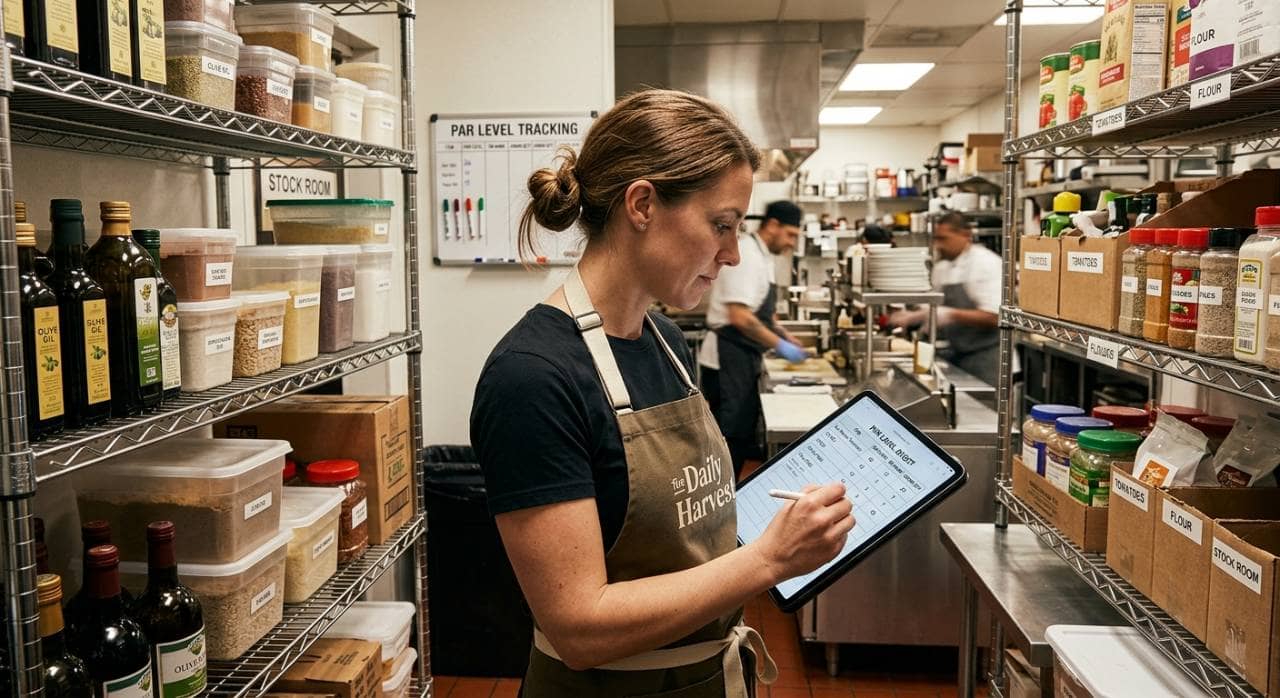
How to Set Par Levels for Restaurant Inventory
Learn to calculate par levels for restaurant food, beverages, and packaging inventory, preventing stockouts and waste through proper formulas.
Back Office
Sep 4, 2026
Learn to calculate par levels for restaurant food, beverages, and packaging inventory, preventing stockouts and waste through proper formulas.
Sep 4, 2026
Caribou Coffee appoints Zane Thomas-Rogers as Chief Operations Officer to strengthen execution across its expanding coffeehouse network.
Sep 4, 2026

Compare the top 10 restaurant POS systems in the USA for 2026. Explore features, pricing, pros, cons, and the best POS options for every restaurant type.
Jul 1, 2026

Learn how to handle restaurant payroll yourself, from calculating hours and wages to managing tips, taxes, and final paychecks.
Sep 2, 2026
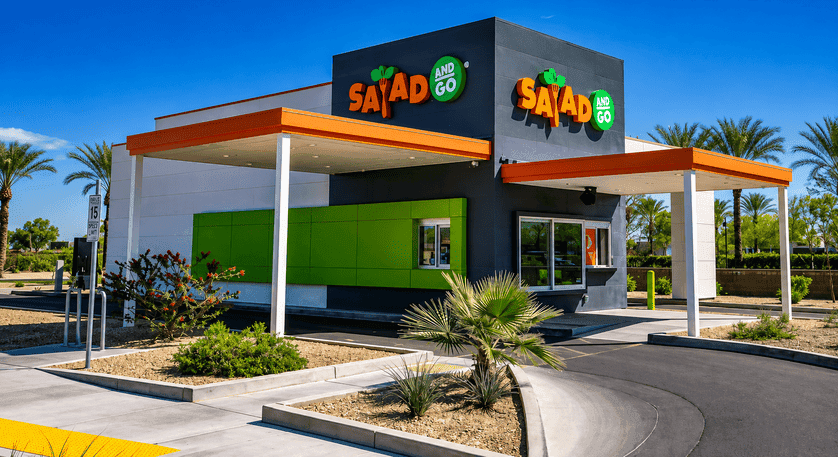
7 Brew has acquired 73 former Salad and Go locations, surpassing Dutch Bros with a $143M bid, signaling a major shift in the competitive landscape for drive-thru brands.
Sep 2, 2026
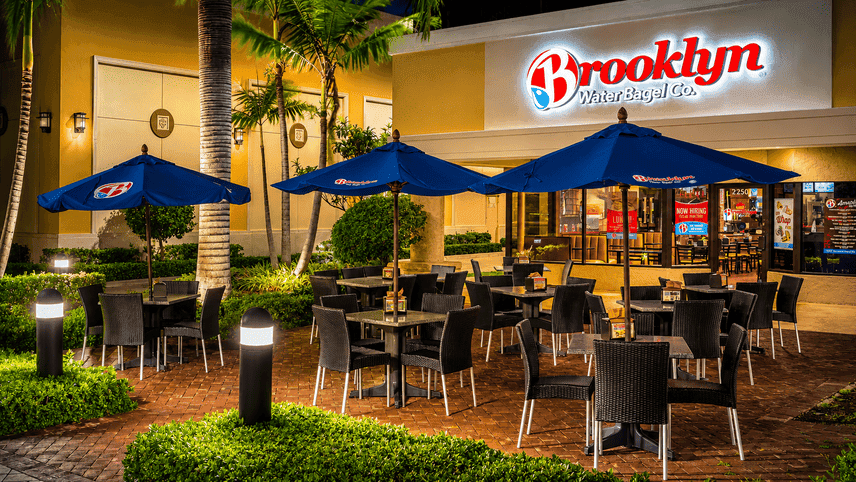
Brooklyn Water Bagel launches its first campus eatery at Nova Southeastern, signaling strategic growth and fresh potential for multi-unit operators seeking new market wins.
Sep 2, 2026
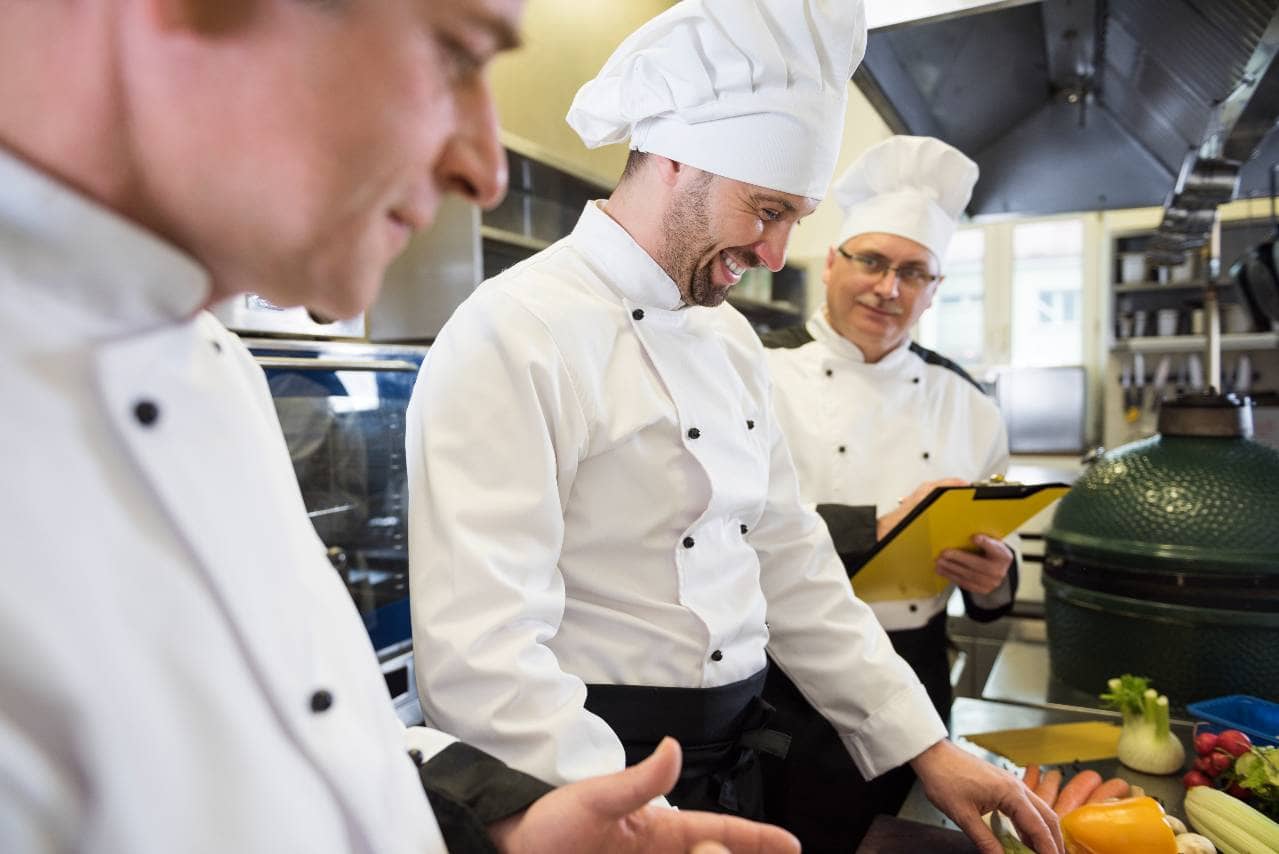
Restaurant labor management helps owners optimize staffing, control labor costs, improve productivity, monitor overtime, and maintain efficient restaurant operations.
Sep 2, 2026
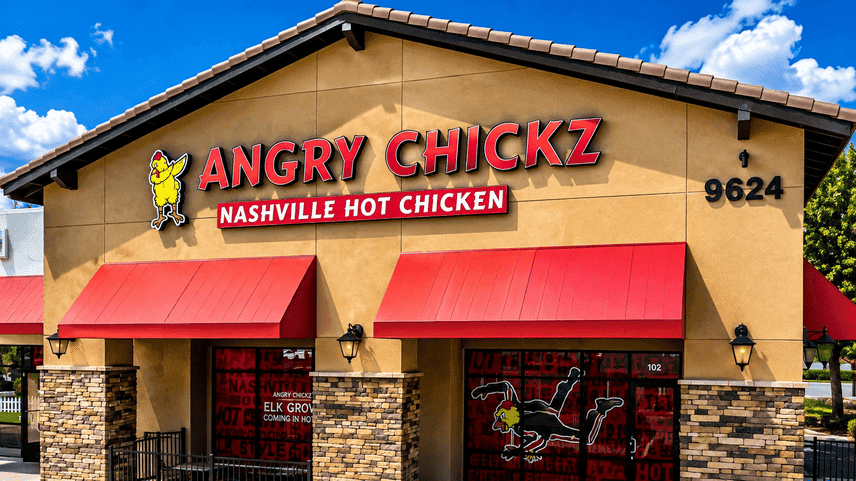
Angry Chickz enters Illinois with its signature hot chicken concept and ambitious plans for Midwest expansion, setting the stage for new franchise opportunities and community engagement.
Sep 2, 2026
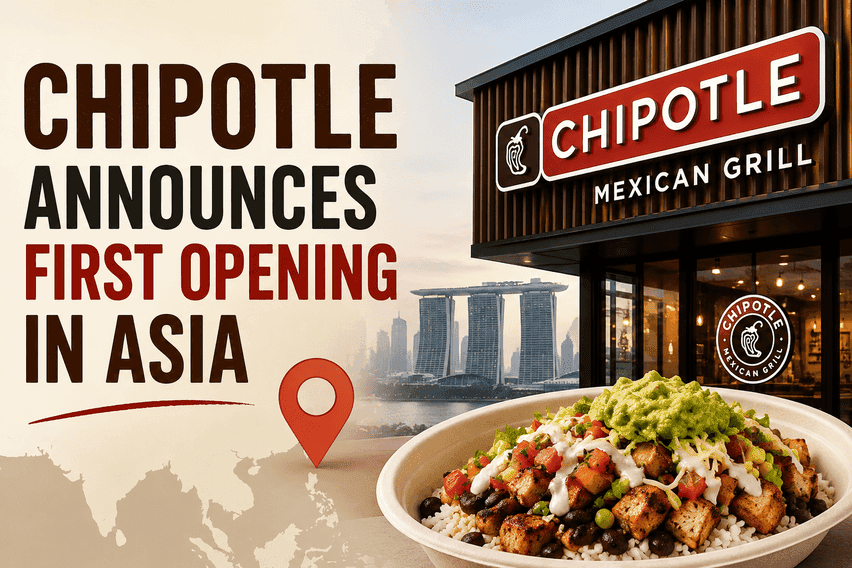
Chipotle makes its highly anticipated entry into Asia with a Seoul opening, partnering with Sangmidang Holdings and setting a template for future international growth.
Sep 2, 2026

Learn how to calculate restaurant cost of goods using inventory, purchases, COGS percentage, variance reviews, and regular tracking for profitability.
Aug 31, 2026

Unlock Exclusive Access To Webinars, Events, And The Latest News For Free!
Private-equity backing accelerates Great Harvest's bakery-café expansion, sharpening supply chains, marketing, and franchise development.

Photo by Daniel
From a bakery rooted in 1976 in Great Falls, Montana, Great Harvest has quietly added breadth to its craft. The newly announced partnership with NewSpring Franchise arrives as a deliberately measured spark, widening the reach without surrendering its soul. The moment has the grace of a well-kept secret, visible, elegant, and lasting, inviting readers to watch a familiar favorite mature into a broader stage. It is a partnership born of patience as much as ambition, a reminder that growth can be generous and still restrained.
Turning the page with scale
In 2023, 142.3 million dollars in sales helped anchor a network of 156 locations at year-end, according to industry tracking. The plan now extends beyond a bakery’s walls, leveraging a café format that serves morning, midday, and evening crowds with the same regard for quality. The deal’s terms remain private, but the intent is public: to pursue a disciplined, unit-by-unit expansion that respects the brand’s handcrafted bread and wholesome ethos while building a broader guest network across the United States. Nation’s Restaurant News, citing Technomic data, grounds the narrative in market context.
Long-standing proposition, handcrafted bread, wholesome ingredients, and a community temperament, clarifies why the partnership feels complementary rather than disruptive. Great Harvest’s core promise remains constant even as the route to guests expands. The private-equity backing, while new in form, is simply a formal recognition of what guests have long valued: that quality can travel, but care should travel alongside it. The coming years will test whether breadth can coexist with the artisanal heart that defines the brand.

Born from a mid-1970s impulse in Great Falls, Great Harvest began with a simple belief: bread should be made with wholesome ingredients and hands that know the dough. The evolution into cafés represents a considered extension of that bakery-first DNA, a strategic choice to serve guests across more of the day while maintaining the brand’s focus on premium ingredients. The arc, from loaf-focused shop to dayparts-friendly concept, reads as a deliberate ascent rather than a deviation, a trajectory that makes the NewSpring partnership feel like a natural ally.
Shared values, handcrafted bread, communal spaces, and a promise of consistency, anchor the brand as it expands. Franchise materials reiterate the same throughline: bread as a craft, food as nourishment, and communities that rely on dependable quality. The partnership with NewSpring is thus not a upheaval but an amplification: more stores, sturdier supply chains, and marketing that speaks to families, commuters, and late-day seekers without sacrificing the heart of the baker’s kitchen.
Reading the arc as a convergence of worlds, the narrative becomes less about numbers and more about the trust between craft and scale. Private equity here is a baton passed with care: a steady hand that helps carry forward the ritual of a well-made loaf and the quiet hospitality of a café that respects that ritual. The years to come will reveal whether breadth sustains the intimate rituals that have long defined Great Harvest.
Deal mechanics and leadership voices
The alliance is framed as a complement of strengths: a private-equity partner with a track record in multi-unit franchises meets a bakery-café brand with durable unit economics and a loyal operator network. Terms are not disclosed, but the collaboration is described as a shared map rather than a takeover. In the public narrative, leadership voices outline a unified vision for disciplined growth that respects the category’s hunger for quality and consistency across markets.
"Great Harvest is a leader in the bakery and café category, establishing its brand and customer value proposition with a high-quality product offering. It represents exactly the type of company we seek to apply our proven approach to building beloved, multi-unit brands.", Patrick Sugrue, general partner at NewSpring. The sentence, echoed across press materials, reads like a succinct manifesto: identify, amplify, and sustain a value proposition that endures as the footprint expands.
In essence, the synthesis is trust: a partner who knows how to nurture growth without eroding the guest experience, paired with a brand whose bread and café rituals already convert dayparts into loyalty. The tone of the dialogue is measured, signaling a long runway rather than a sprint, and a recognition that each new unit adds to a shared history rather than rewriting it.
Roadmap growth and operational focus
With NewSpring’s backing, the plan centers on franchise development, fortifying the supply chain, and amplified marketing. The aim is to accelerate geographic reach while sharpening efficiency and brand equity. Observers expect a disciplined rollout: stronger supplier networks, clearer location strategies, and marketing that translates premium bread into everyday recognition. Great Harvest’s dual focus on traditional bakeries and café-enabled formats positions the brand to attract a broader cross-section of consumers and to convert momentum into franchise density.
Operational implications, the partnership suggests sharper unit economics for franchisees, a more resilient supply chain, and marketing that preserves a coherent guest experience as the footprint expands. The café dimension, once a divergence, becomes a staple in multi-unit growth, broadening the audience from bakery purists to everyday diners who value a well-made loaf and a space that feels like a trusted corner of home.
Timeline and immediate outcomes
The investment is described as completed, with terms not disclosed publicly, signaling a formal partnership between Great Harvest and NewSpring Franchise. The announcement aligns with the broader trajectory of growth-driven capital in multi-unit restaurant concepts and marks a new chapter as the brand pursues enhanced scale and capabilities across its network. Early 2024 coverage framed the deal as a milestone, echoed by leadership and investors alike, signaling momentum with purpose rather than disruption.
Unpublished details, not all particulars have been released, including the exact stake and precise financial terms. Independent trackers note variation in total locations as datasets evolve. As of early 2026, counts range from roughly 159 stores in some records to higher tallies in others, highlighting the dynamic nature of franchise networks and the importance of ongoing disclosures for stakeholders.
New chapter, measured pace, the moment feels like a turning of the page: a more capable pipeline, a stronger network, and a brand story that invites guests and operators to grow together. If the arc holds, the chapter will be remembered for growth that respects quality and the intimate rituals that have long defined Great Harvest.

Industry context and competitive landscape
Placed within a wider wave of private-capital activity in franchise concepts, the Great Harvest–NewSpring collaboration mirrors a trend toward capital-efficient growth that preserves franchisee viability and brand integrity. NewSpring’s multi-unit experience, with brands like Duck Donuts, Federal Donuts and Chicken, and Shake Smart, signals a portfolio approach to scaling that prizes operational clarity as much as appetite for expansion. In Technomic data and trade reporting, Top 500 networks continue to grow, underscoring a market where capital-enabled speed can coexist with quality and service alignment.
Gaps, uncertainties, and location trajectories
Not all particulars are disclosed; ownership stake and precise financial terms remain private. Independent trackers report variability in total locations, from roughly 159 stores in some datasets to higher counts in others, illustrating the dynamic, evolving nature of franchise networks and the importance of ongoing, transparent disclosures for stakeholders.
Implications for stakeholders, franchisees may gain access to enhanced development support, a stronger supply chain, and more robust marketing resources, all of which sharpen unit economics and facilitate faster expansion into dense growth markets. Customers can look forward to more consistent experiences as the footprint grows, while communities may enjoy broader access to bakery and café concepts that align with daypart demand. The materials and coverage suggest a thoughtful balance between rapid growth and brand stewardship, aiming to preserve product quality and community ties as scale expands.