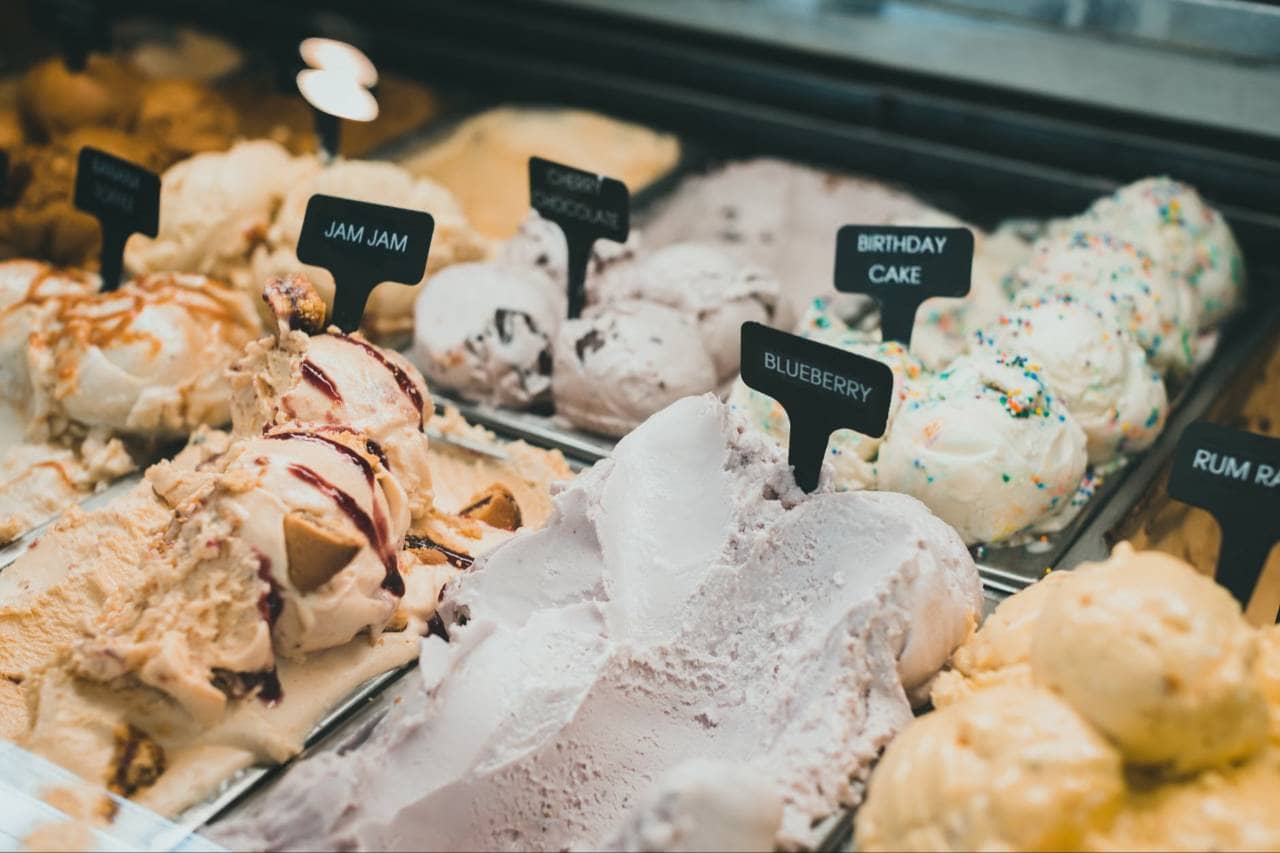
How Much Does It Cost to Open an Ice Cream Shop?
Learn the startup costs of opening an ice cream shop, including rent, equipment, renovations, permits, inventory, labor, marketing, and reserves.
Business Management
Aug 28, 2026
Learn the startup costs of opening an ice cream shop, including rent, equipment, renovations, permits, inventory, labor, marketing, and reserves.
Aug 28, 2026
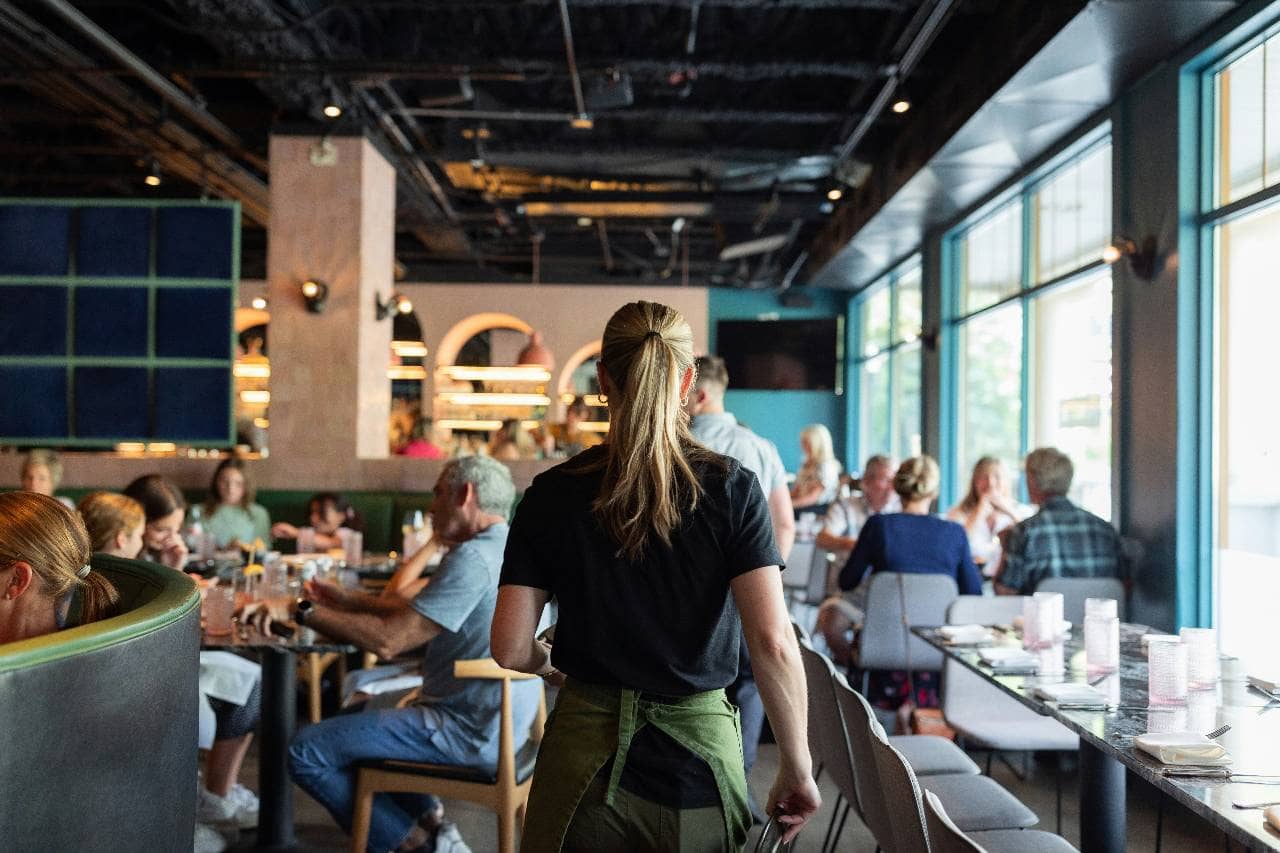
Learn practical ways to reduce labour costs through smarter scheduling, forecasting, productivity, cross-training, automation, overtime control, and performance monitoring strategies.
Aug 26, 2026

A restaurant P&L statement reveals sales, expenses, and profits, helping owners manage costs, improve margins, and plan finances more effectively.
Aug 26, 2026
RaceTrac has appointed Jill Pemberton as chief financial officer, succeeding Karla Ahlert, who moves into the newly created role of chief administrative officer.
Aug 26, 2026
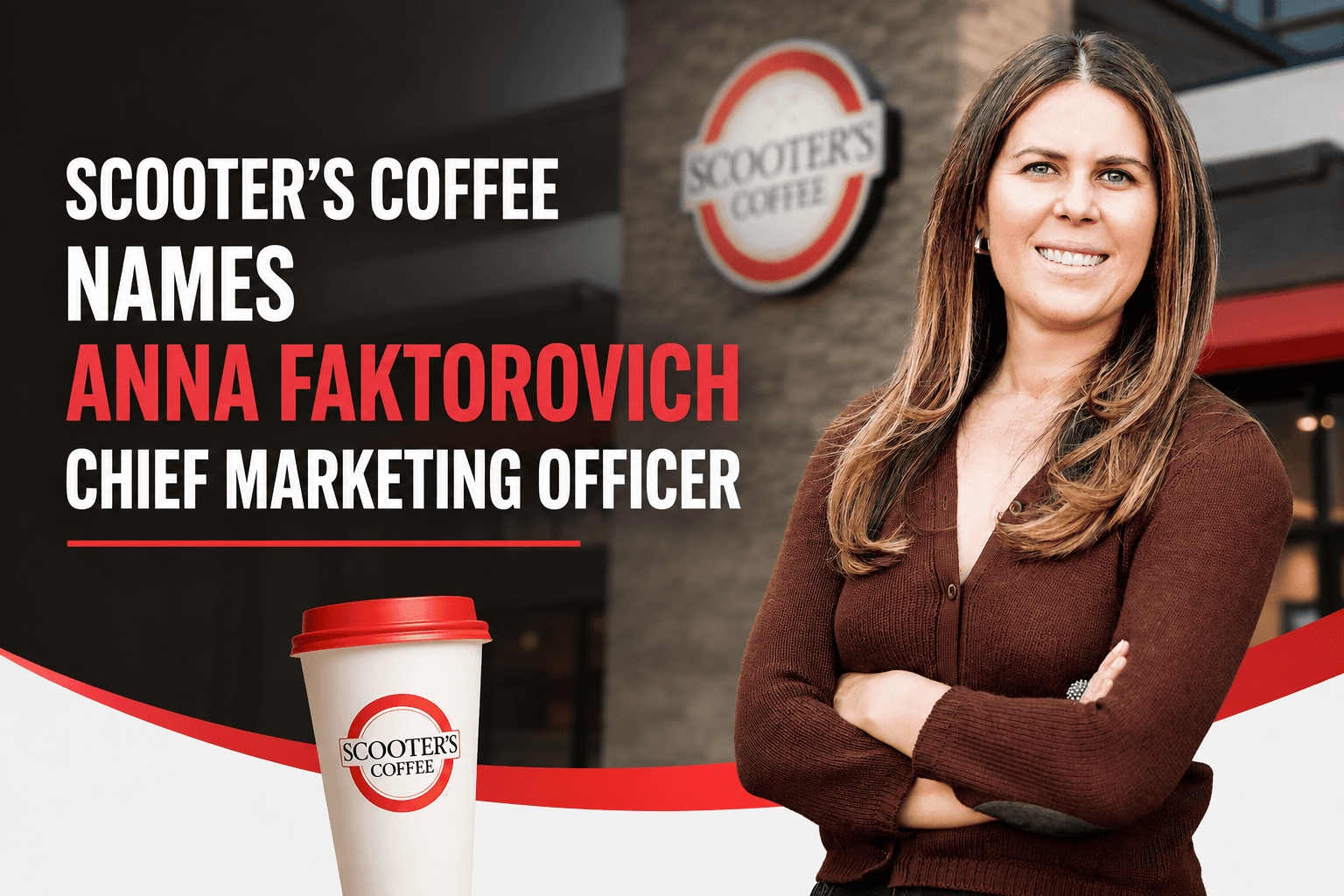
Anna Faktorovich, a seasoned marketing executive, has been named Chief Marketing Officer at Scooter’s Coffee, bringing decades of multi-brand experience to fuel the franchise’s next growth stage.
Aug 25, 2026

A payroll advance policy helps restaurant owners define eligibility, limits, repayment, documentation, approval procedures, and compliance requirements for employee advances.
Aug 24, 2026

Create a practical restaurant marketing plan by setting goals, targeting customers, choosing channels, budgeting wisely, scheduling campaigns, and measuring results.
Aug 24, 2026

Levain Bakery appoints Lorna Sommerville and Taya Stenson as co-CEOs, blending operational and marketing expertise to power national expansion and innovation while staying rooted in its brand values.
Aug 25, 2026

Blaze Pizza welcomes Tracy Stockard as Chief Marketing Officer, bringing decades of brand and franchise experience to drive strategic growth and guest engagement.
Aug 25, 2026
Dave & Buster's refreshes its executive lineup with seasoned leaders in operations, marketing, tech, and finance - signaling a growth-driven future for restaurant operators to watch.
Aug 24, 2026

Unlock Exclusive Access To Webinars, Events, And The Latest News For Free!
By choosing the appropriate restaurant food storage containers, establishments can streamline preparation and inventory counts while reducing food waste.

There are several health regulations and codes restaurants must abide by to maintain a clean and organized kitchen space. Health codes can even help establishments limit their food waste by outlining how and where ingredients should be stored. However, owners must determine their restaurant food storage preferences, such as material, shape, and size, to optimize space and prevent spoilage.
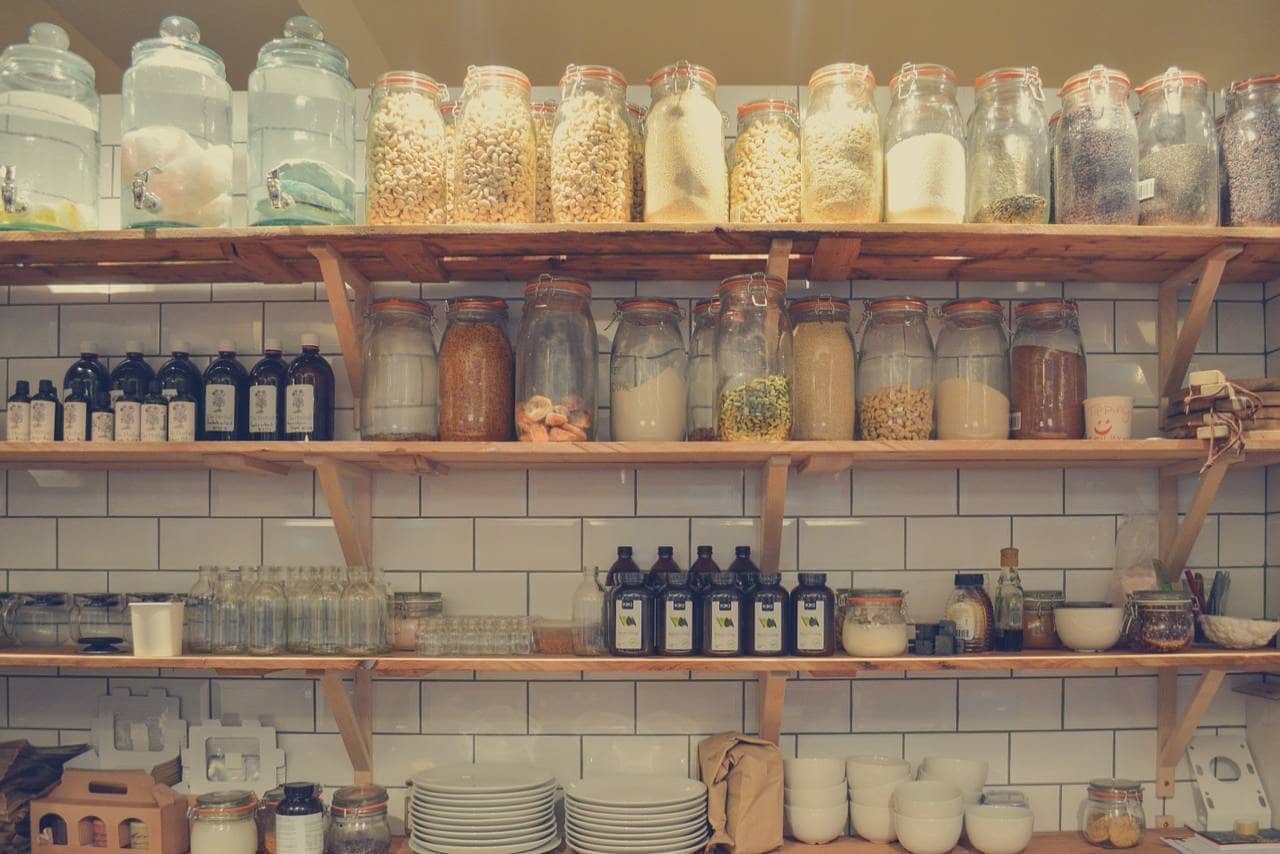
When it comes to storing food, restaurants must determine which containers work best for their ingredients and kitchen space by asking-
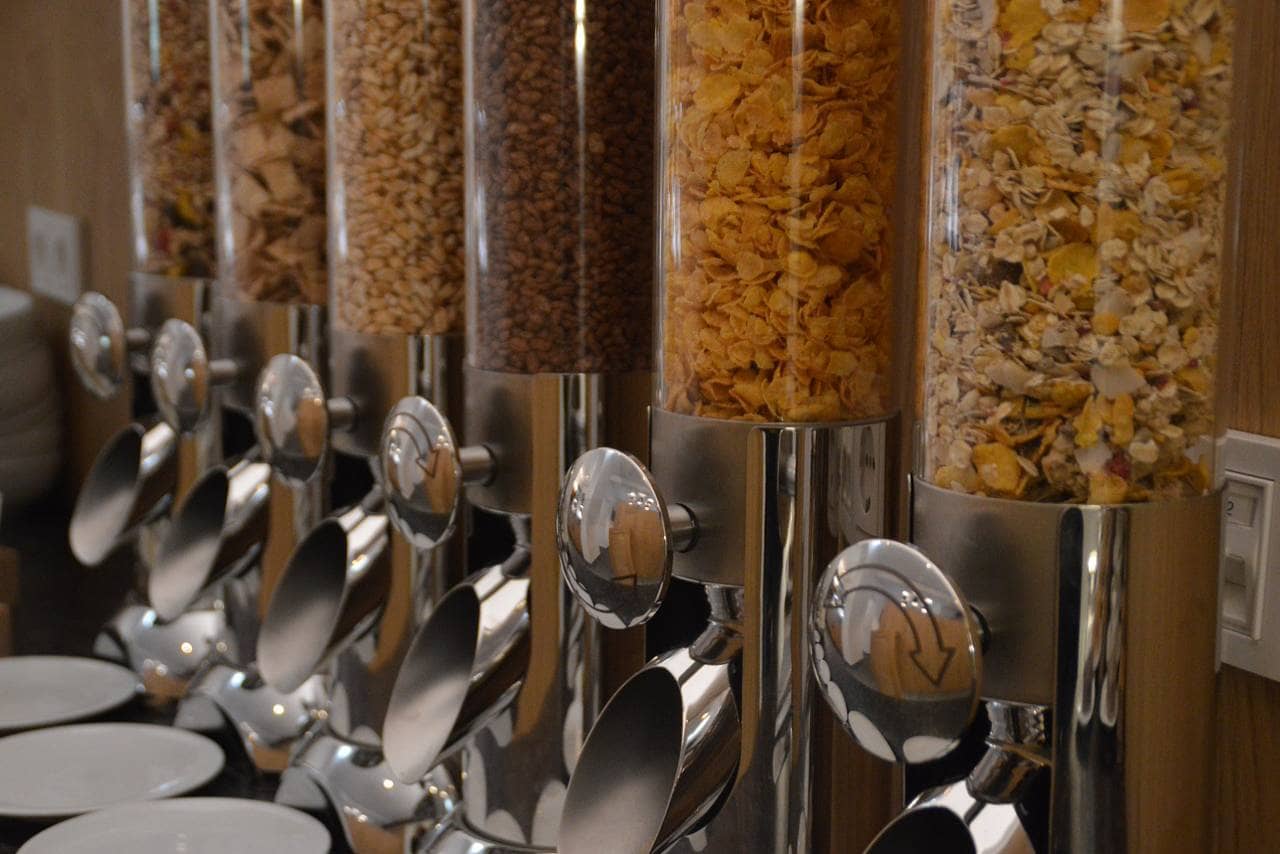
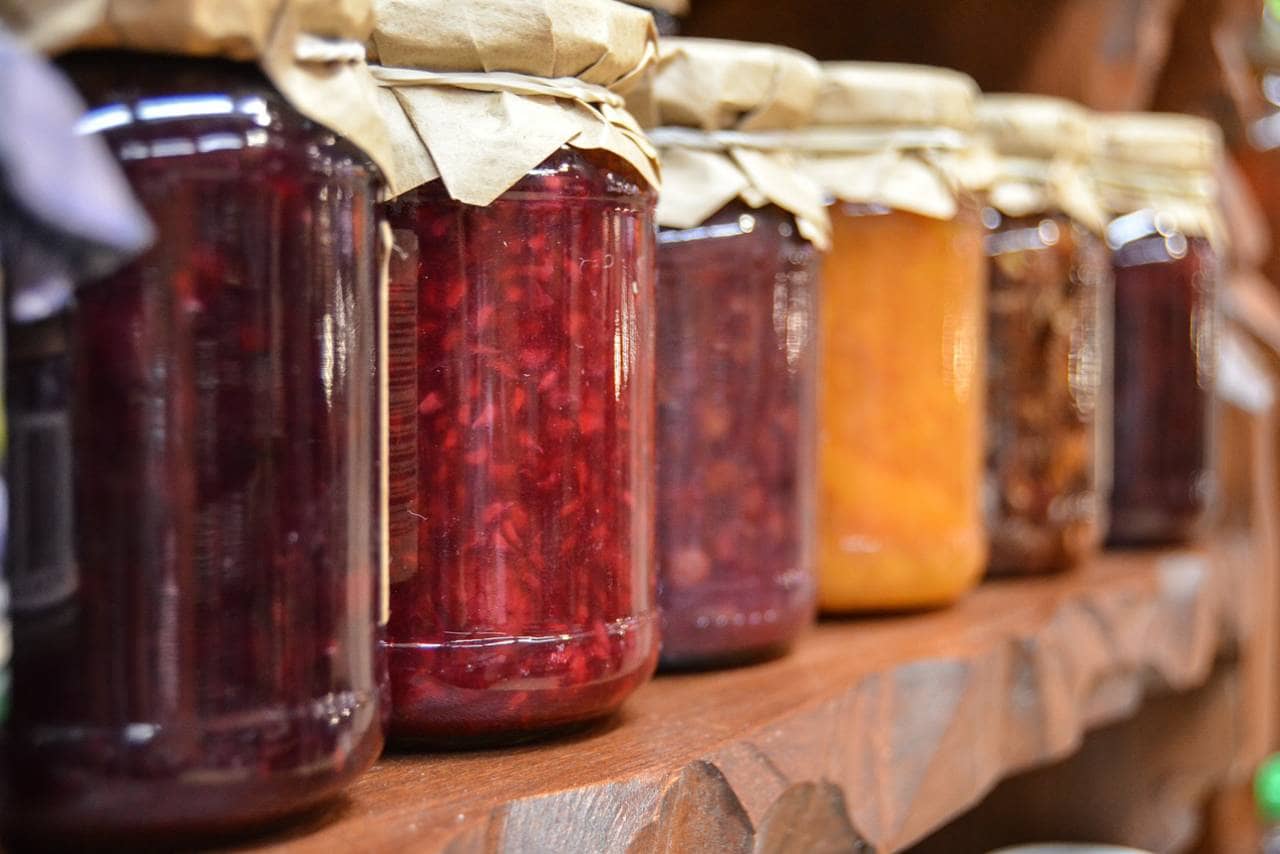
The material food containers are composed of determines their durability, accessibility, and longevity. Plastic is the most common material restaurants use as it is durable and often microwavable. However, there are several types of plastics and metals that restaurants can use, each with its own set of unique properties.

After determining which material is best for each ingredient, restaurants need to assess the different storage options.

Square Containers Square containers typically range from 2 to 22 quarts and are ideal for maximizing limited space as they are stackable and can sit flush against each other. However, these containers are more suitable for liquids, such as dressings and soups, as dry ingredients tend to get stuck in the corners. Square boxes are made from various materials, such as-
Food Boxes Food boxes are rectangular units ranging from 1.75 to 22 gallons used to store large products or smaller items in bulk. Restaurants typically use food boxes to store meat and produce. These containers can come in any color and are made from-

Round Containers Round containers range from 2 to 22 quarts and are used for dry ingredients. However, their curved shape takes up more space, making it challenging to optimize storage. Round containers are also made from-
Ingredient Bins Ingredient bins come as big as 32 gallons, making them ideal for storing bulk ingredients. Many of these containers have FIFO barriers and additional access points so restaurants can retrieve contents while bins are stacked. Ingredient bins are often used in restaurants that use large amounts of certain ingredients, such as pizzerias, bakeries, and coffee shops. These bins are composed of-

Dough Boxes and Pans Dough boxes and pans store unbaked dough to promote or prevent rising. This enables restaurants to prepare large batches of dough at one time. These containers range from 40 to 96 ounces and are made of-
Salad Bar Crocks Salad bar crocks come in 0.6 to 10.38-quart containers and are customized to fit into any food bar. Depending on the size, crocks can be used to store salad dressing, condiments, and salad. These containers are made from several materials-
Kitchen Canisters Kitchen canisters provide storage for smaller amounts, from 4 to 70 ounces. These containers are often used in the front and back-end of restaurants to hold ingredients, such as spices and sugar. Kitchen canisters are composed of-