Chipotle Adds Ex-KFC Global CEO to Board
Chipotle names former KFC global CEO Sabir Sami to its board as the chain expands into Mexico, Saudi Arabia, and South Korea.
Business Growth
Sep 15, 2026
Chipotle names former KFC global CEO Sabir Sami to its board as the chain expands into Mexico, Saudi Arabia, and South Korea.
Sep 15, 2026

LeBron James joins Mike's Red Tacos as an investor, backing the birria chain led by Blaze Pizza and Dave's Hot Chicken veteran Bill Phelps.
Sep 15, 2026

Practical payroll compliance checklist for restaurant owners covering wage rules, tips, overtime, taxes, deductions, and recordkeeping to reduce legal risk.
Sep 14, 2026
Discover practical promotion ideas - time-based deals, loyalty programs, local partnerships, and digital marketing - to boost restaurant foot traffic consistently.
Sep 14, 2026
Lucy Brady joins Jamba as president to lead digital-first growth strategy. GoTo Foods restructures leadership to strengthen franchise platform capabilities.
Sep 14, 2026
Contactless payment offers restaurants faster transactions, better security, and improved customer experience, making it a valuable, worthwhile technology investment today.
Sep 11, 2026

Pei Wei Asian Kitchen named Best Fast-Casual Chain in Reviewed 2026 Awards, reflecting shift from price competition to quality and transparency.
Sep 11, 2026

O'Charley's shuttered all corporate restaurants nationwide on September 9, 2026, ending its 55-year legacy as a casual-dining regional powerhouse.
Sep 11, 2026
Authentic Restaurant Brands lands $325M investment from Trimontium to fuel disciplined regional expansion across five established restaurant concepts.
Sep 11, 2026

Walmart expands restaurant delivery beyond Subway and Dunkin', taking on DoorDash, Uber Eats, and Grubhub with Papa Johns nationwide rollout.
Sep 11, 2026

Unlock Exclusive Access To Webinars, Events, And The Latest News For Free!
Learn how to build a menu for delivery using smarter categories, bundles, pricing, and add-ons to increase order value.
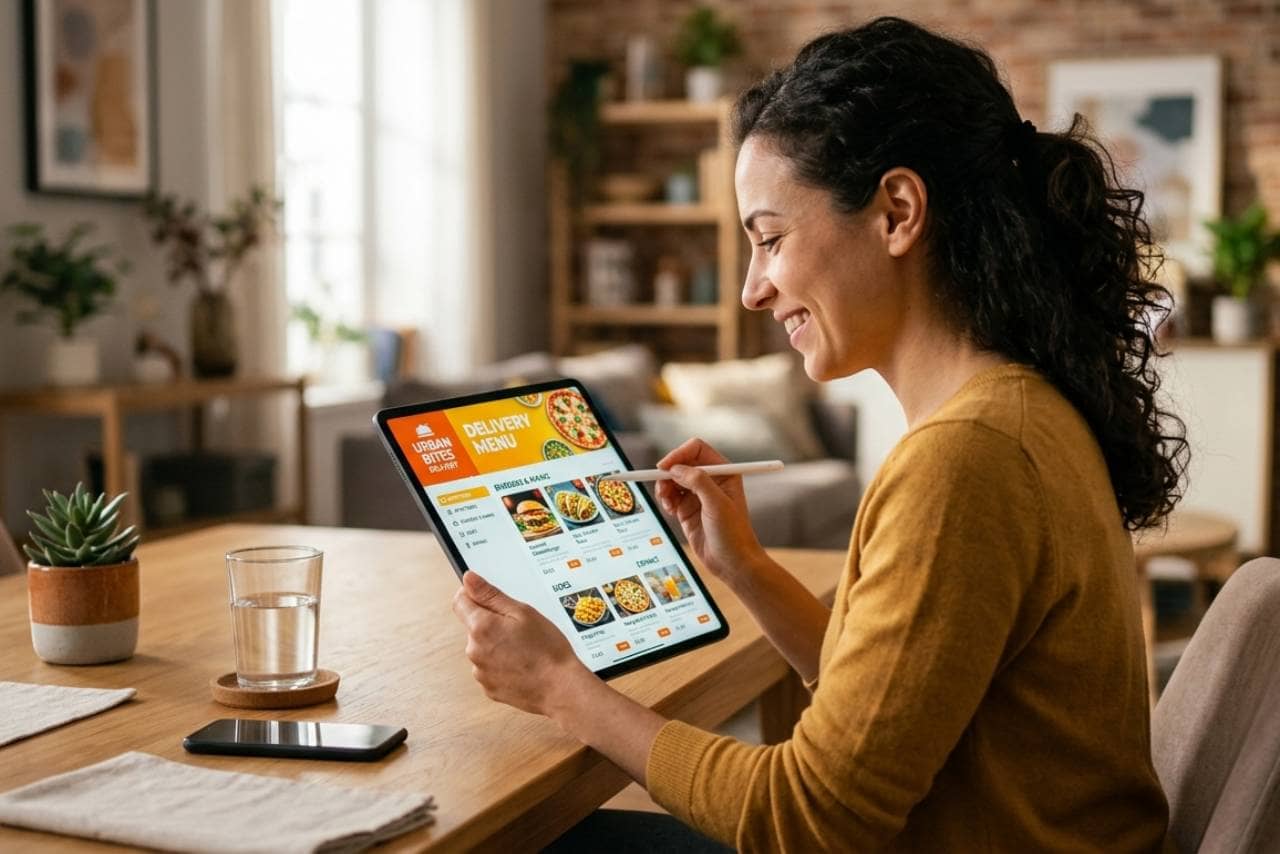
A delivery menu should not be treated as a copy of your dine-in menu. The two serve different customer behaviors, different operational conditions, and different revenue goals. What works in the dining room does not always work on a delivery app. Guests eating in your restaurant have more time to review options, ask questions, notice presentation, and make decisions based on the full in-person experience. Delivery customers behave differently. They move faster, compare options more quickly, and focus heavily on convenience, value, and ease of ordering. That difference is important because the structure of your menu directly affects order value. If your delivery menu is too large, too unorganized, or filled with items that do not travel well, customers are more likely to order only one main item and leave. If the menu is structured clearly, with stronger categories, smart bundles, and relevant add-ons, customers are more likely to build a larger order. In other words, a delivery menu is not just a list of food. It is a sales tool. A practical way to look at it is this- delivery menu design should support three business goals at the same time. 1. Make ordering easier - Customers should be able to scan categories quickly and understand what to buy without extra effort. - A confusing menu slows decision-making and lowers conversion. 2. Increase basket size - The menu should encourage customers to add sides, drinks, desserts, and upgrades. - A well-structured menu creates more natural opportunities for larger orders. 3. Protect operational efficiency - Delivery items need to travel well, hold quality, and fit into the kitchen workflow. - A high-value menu loses effectiveness if it creates delays, errors, or refund issues. A strong delivery menu is built with intention. It highlights items that travel well, groups products in a way that makes sense, and creates clear paths to larger orders. It does not rely on chance. It uses structure to influence behavior.
Before changing a delivery menu, owners should start with data, not assumptions. It is easy to think a menu needs more items, more discounts, or more categories. But the better question is simpler - which items already help increase order value, and which ones create work without adding enough revenue? The first numbers to review are item sales, average ticket size, attachment rates, and item margin. Item sales show what customers already prefer. Average ticket size shows whether current orders are large enough to support delivery costs. Attachment rates show how often guests add sides, drinks, desserts, or upgrades. Item margin helps owners understand whether popular items are also profitable. A high-selling item is not always a strong delivery item if packaging, labor, or waste reduce margin too much. It is also important to review modifier usage and refund trends. Modifier data shows what customers like to customize and where upsell opportunities already exist. Refund and complaint data can reveal menu items that do not travel well, arrive inconsistently, or create confusion. Those items may look strong on paper but hurt the delivery experience and lower long-term value. A practical menu review should help answer five questions - 1. Which items sell often? 2. Which items have the strongest margins? 3. Which items drive add-ons? 4. Which items create operational strain? 5. Which items lead to complaints, remakes, or refunds? This process helps owners avoid a common mistake- building the delivery menu around personal preference instead of actual performance. The goal is not to keep every menu item available online. The goal is to keep the items that support larger, more profitable, and more reliable orders. When owners use POS data and online ordering reports to guide decisions, menu optimization becomes more accurate. Instead of guessing what might work, they can build around proven demand, better margins, and clearer upsell opportunities. That creates a stronger foundation for every pricing, category, and bundle decision that follows.
Menu categories do more than organize food. In delivery, they shape how customers move through the ordering process and strongly influence how much they spend. When categories are clear and well-structured, customers can make decisions faster, notice more items, and add more to the cart. When categories are crowded or poorly arranged, customers are more likely to order one main item and leave. This is important because delivery customers usually scan before they read closely. They want to understand the menu quickly. That means category structure should reduce decision fatigue, not add to it. Instead of listing everything in long, mixed sections, owners should group items in a way that matches how people naturally build an order. A practical delivery menu often performs better when categories are structured like this - 1. Best Sellers or Featured Combos - Start with high-value sections that guide customers toward larger orders early. 2. Entrees or Main Items - Keep core items clear and easy to compare. 3. Family Meals or Group Bundles - Highlight larger-format options for higher ticket sizes. 4. Sides and Add-Ons - Make it easy to add complementary items. 5. Drinks and Desserts - Place these where they feel like natural final attachments. The order of categories matters. If drinks, desserts, or bundles are buried too low, many customers will never reach them. If high-value sections appear early, they have a better chance of driving larger baskets. Category names also need to be simple. Customers should immediately understand what is inside each section without extra thought. Owners should also avoid creating too many overlapping categories. Too much repetition makes the menu feel bigger without making it easier to use. A tighter structure usually performs better because it reduces friction and puts attention on the items that matter most. A strong category layout helps the menu do what good in-store service would normally do - guide the guest, simplify decisions, and increase the total order naturally. That is why category structure is not a cosmetic choice. It is part of delivery sales strategy.
Bundles and combos are some of the most effective tools for increasing delivery order value because they make the buying decision easier while raising total spend. Instead of asking the customer to choose each item one by one, a bundle gives them a ready-made option that feels complete, convenient, and worth the price. That matters in delivery, where speed and simplicity often drive purchasing behavior. For restaurant owners, bundles work best when they combine items customers already tend to buy together. A main item, side, and drink is the most basic example, but the strategy can go further. Family meals, lunch combos, snack bundles, and meal-for-two options can all increase basket size when they are clearly structured and priced with intention. The goal is not to add random items into one package. The goal is to create combinations that feel useful to the customer and profitable to the business. A strong bundle usually does three things well. 1. It simplifies the order - Customers do not have to build the meal from scratch. - Fewer decisions often lead to faster checkout and fewer abandoned carts. 2. It increases perceived value - Bundles make the order feel more complete. - Customers are often more willing to spend more when the package feels like a better deal. 3. It improves attachment rate - Items that might be skipped as standalone add-ons become part of the full order. Owners should keep bundle design operationally simple. If a combo creates too many substitutions, slows down the line, or increases packaging issues, the added revenue may not be worth the strain. The best bundles use items that travel well, are easy to prep consistently, and fit naturally into existing kitchen workflows. Pricing also matters. A bundle should offer enough value to feel attractive, but not so much that it erodes margin. In most cases, the smarter approach is not deep discounting. It is structured value. When owners build bundles around strong pairings, simple execution, and clear pricing, they create an easier path to higher average ticket size without making the menu harder to manage.
Pricing does more than cover food cost and delivery fees. In a delivery menu, pricing helps shape what customers choose, what they skip, and whether they stay with a basic order or move to a higher-value one. That is why pricing strategy should be used to guide behavior, not just list amounts next to each item. A practical delivery pricing strategy starts with margin awareness. Owners need to account for ingredient cost, packaging, labor, and any third-party delivery fees before deciding how items should be priced. If pricing is too low, sales may grow while profits stay weak. If pricing is too high without a clear value structure, customers may reduce their order or leave the app entirely. The goal is to create price points that feel reasonable while still protecting margin. One useful method is tiered pricing. For example, offer a base item, a premium version, and a bundle. This gives customers a clear comparison and often nudges them toward the middle or higher-value option. Price gaps matter here. If the difference between an individual entree and a combo is small, the combo feels like the better deal. That can help increase total spend without forcing the customer to think too hard. Owners should also use anchor pricing carefully. When a larger bundle or premium item appears first, smaller upgrades can feel more affordable by comparison. This does not mean manipulating customers. It means presenting value in a way that makes the next-best option easier to choose. A strong pricing strategy should support three goals - 1. Protect margin 2. Encourage upgrades 3. Make bundles feel worth it It is also important to avoid unnecessary complexity. Too many price points, unclear upgrade options, or inconsistent bundle logic can confuse customers and slow ordering. When pricing is structured well, it helps the menu sell more profitable combinations, not just more items. That is the real goal. Delivery pricing should lead customers toward choices that improve ticket size, support restaurant margins, and still feel fair from the customer's point of view.
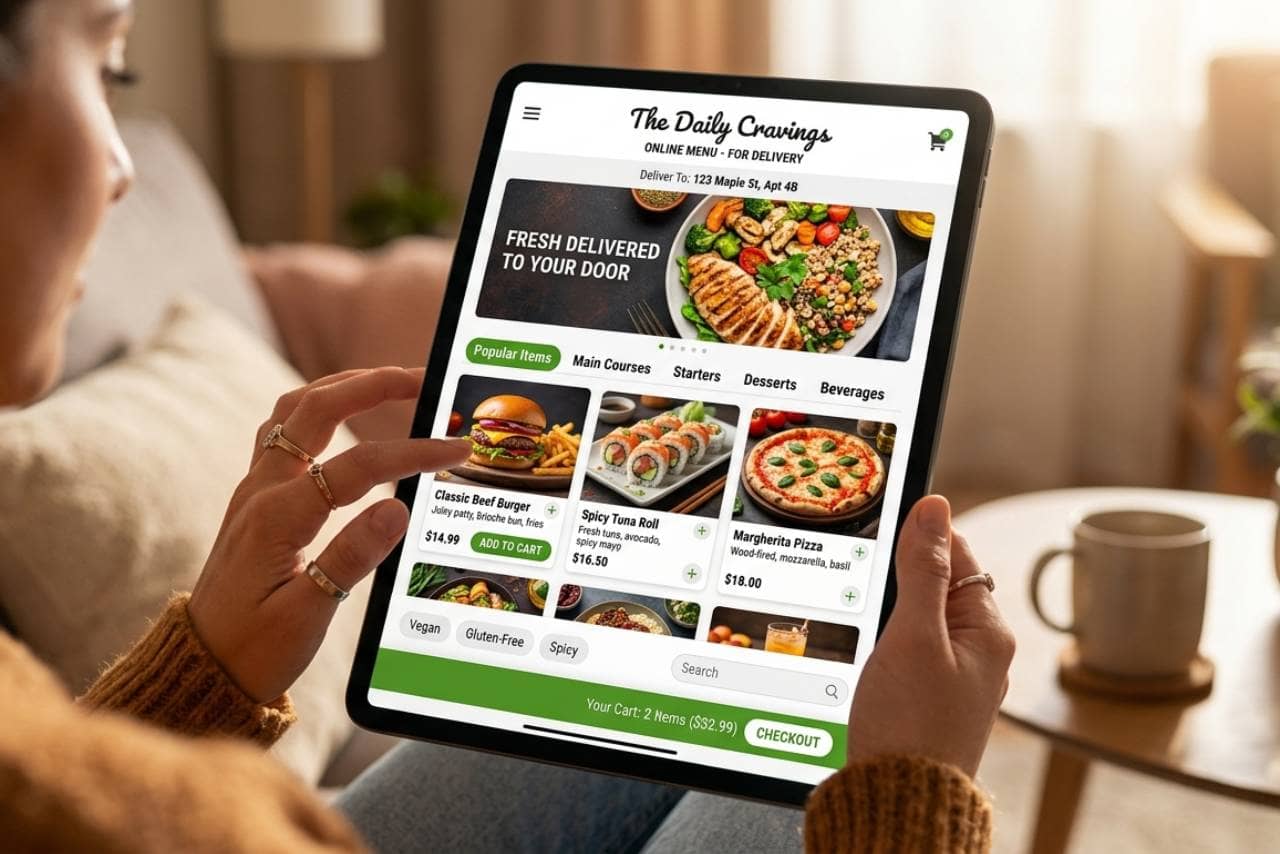
For many restaurants, the fastest way to raise delivery order value is not by relying only on higher-priced entrees. It is by improving attach rate. Attach rate measures how often customers add an extra item to the main order. That could be a side, drink, dessert, sauce, premium topping, or extra protein. These smaller additions may seem minor on their own, but across hundreds of orders, they can create a meaningful lift in revenue. The key is to focus on add-ons that are easy to say yes to. In delivery, customers are more likely to add items when they feel relevant, convenient, and clearly connected to what they are already ordering. A side of fries, an extra dipping sauce, a bottled drink, or a dessert for sharing can feel like a natural extension of the meal. A random or poorly placed add-on usually gets ignored. The best delivery add-ons usually have four qualities - 1. They fit the main item - Extras should feel like a logical match, not an unrelated sales push. 2. They are easy to prepare - Add-ons should not slow down production or complicate the line during peak periods. 3. They travel well - Items that arrive messy, soggy, or inconsistent can hurt the guest experience. 4. They support margin - Strong add-ons often have favorable food cost and low operational strain. Owners should also think carefully about placement. Add-ons work better when they appear at the right point in the order flow. For example, sauces and protein upgrades should appear near the entree decision. Drinks and desserts often perform better after main items are selected. The sequence matters because customers are more likely to say yes when the suggestion feels timely. It is also helpful to keep add-on choices focused. Too many options can reduce action. A smaller set of high-performing extras usually drives better results than a long list of low-impact items. When restaurant owners improve attach rate, they create a more reliable path to higher order value. That makes add-ons more than an afterthought. They become an important part of delivery menu strategy.
A delivery menu can have strong food, fair pricing, and good bundles, but still underperform if the ordering experience feels difficult. Friction is one of the biggest reasons customers stop short of building a larger order. When the menu is confusing, too long, poorly described, or hard to navigate, customers tend to simplify their decision. In most cases, that means ordering one main item and checking out as quickly as possible. For restaurant owners, this is an important point. A menu does not increase order value only by adding more upsell opportunities. It also increases order value by removing barriers that make customers abandon those opportunities. One common source of friction is menu length. Too many items can create decision fatigue. When customers have to scroll through repeated categories, similar items, or unnecessary variations, they spend more time sorting instead of buying. A tighter delivery menu often performs better because it makes the best choices easier to find. Another issue is weak item descriptions. If a customer cannot quickly understand what comes with a meal, how large it is, or why it is worth the price, they are less likely to upgrade or add supporting items. Descriptions should be clear, short, and useful. The goal is not to sound overly creative. The goal is to help the customer make a faster and more confident decision. Modifier structure also matters. Too many required choices, unclear add-on pricing, or inconsistent customization can slow the order process and increase frustration. Customers should not have to work hard to complete a purchase. Owners should review delivery friction in four areas - 1. Too many low-value items 2. Unclear descriptions or bundle details 3. Complicated modifier flows 4. Poor category and item placement A practical delivery menu should feel simple, guided, and easy to complete. That does not mean removing every option. It means removing the options and formatting choices that create noise without increasing value. When friction goes down, conversion improves, add-ons become easier to sell, and basket size becomes easier to grow.
A delivery menu should not be treated as a one-time setup. Customer behavior changes, platform performance shifts, food costs move, and some items perform differently over time. That is why restaurant owners need to treat delivery menu optimization as an ongoing process. The goal is not just to launch a better menu. The goal is to keep improving average order value in a measurable way. The most important metric to monitor is average order value. This shows whether menu changes are actually increasing spend per transaction. But average order value alone is not enough. Owners should also track bundle sales, attach rate, item margin, refund rate, and category performance. These numbers help explain why order value is rising or falling. For example, higher order value may look positive at first, but if refund rates also increase, the menu may be pushing items that do not travel well. If bundle sales grow but margins shrink, pricing may need adjustment. If entrees sell well but drinks and desserts remain weak, the issue may be category placement or add-on flow rather than demand. A practical review process should focus on these questions - 1. Is average order value increasing? 2. Which bundles are selling most often? 3. Which add-ons have the highest attachment rate? 4. Which items have strong sales but weak margin? 5. Which items create complaints, refunds, or remakes? Owners should also test small changes over time. A different category order, a new combo structure, a revised item description, or a better-placed add-on can all affect results. These changes do not need to be dramatic to matter. Even a small increase in average ticket size can create meaningful revenue growth when multiplied across weekly or monthly delivery volume. The strongest delivery menus are not built once and left alone. They are reviewed, measured, and refined based on actual performance. That is how restaurant owners turn delivery from a convenience channel into a more profitable sales engine.
