Integration with Existing Systems
For quick service restaurants (QSRs), efficiency is key, and integrating a scheduling app with existing systems is essential to achieve a streamlined operation. When a scheduling app works seamlessly with tools already in use, such as payroll systems, time clocks, and inventory management software, it can significantly improve workflow and data management.
Importance of Seamless Integration with Tools Like Payroll Systems
A scheduling app that integrates with payroll systems can save time and reduce errors in calculating employee wages. By automatically transferring data such as hours worked, overtime, and paid time off, the app eliminates the need for manual entry and ensures accuracy. This integration not only simplifies payroll processing but also boosts employee trust by ensuring timely and accurate payments.
Integration with payroll systems also helps in managing compliance with labor laws. By tracking and recording break times, overtime, and other labor data, the app ensures that restaurants stay within legal limits while maintaining accurate records for audits or disputes.
Time Clocks and Attendance Tracking
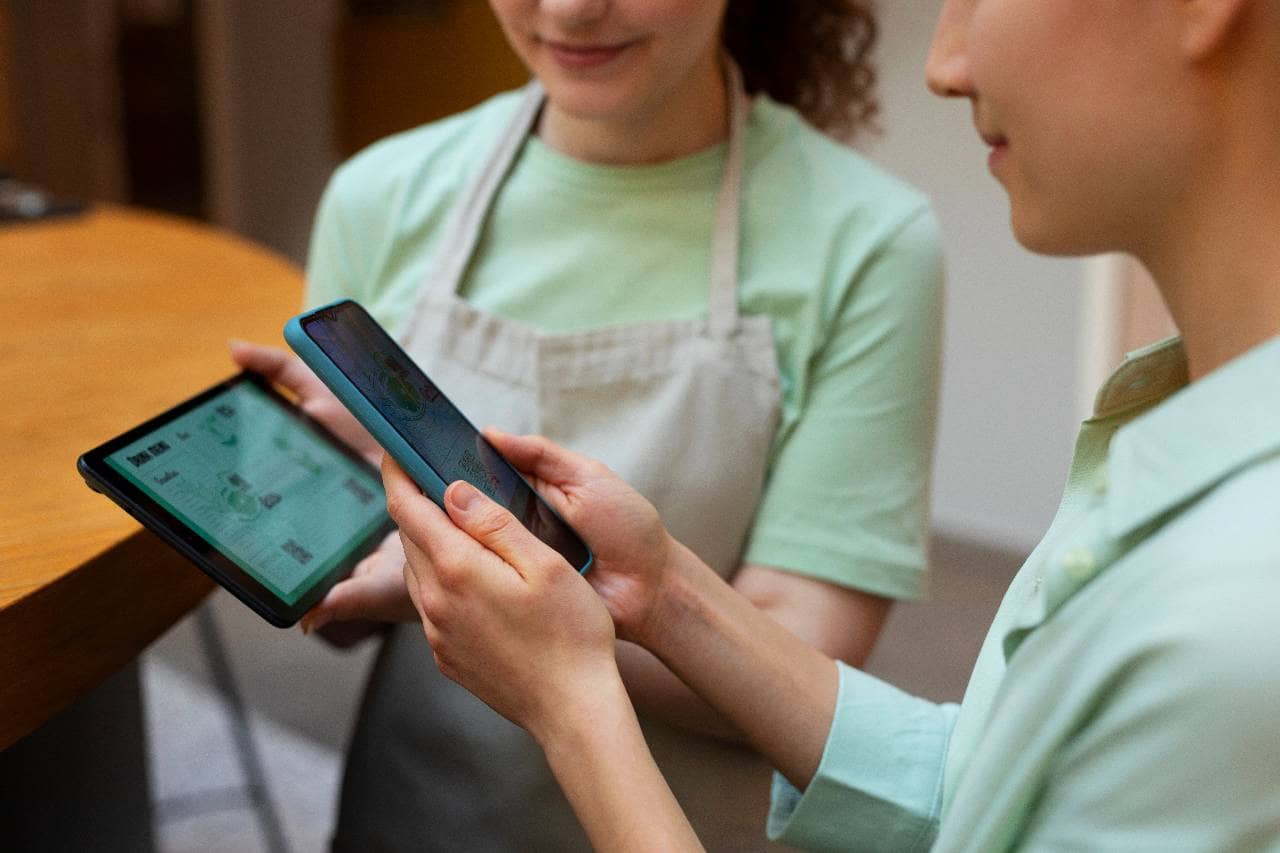
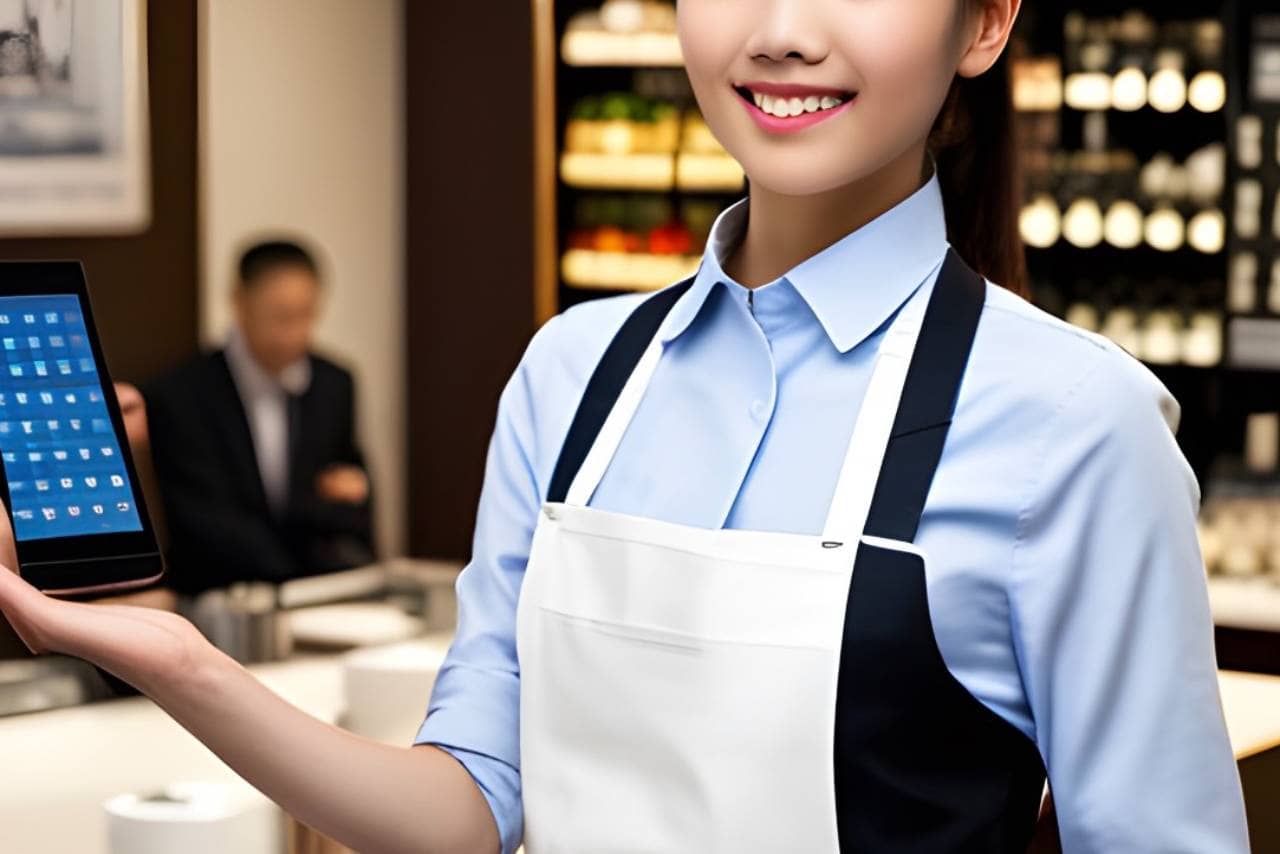
Many scheduling apps integrate with digital time clocks, enabling precise attendance tracking. This feature allows employees to clock in and out directly through the app or via connected hardware, ensuring real-time updates to their schedules. It also helps managers monitor tardiness, absences, and overall attendance trends, which can inform staffing decisions.
Seamlessly connecting time clocks with scheduling software ensures that labor data flows effortlessly into payroll systems, creating a unified and efficient workflow.
Inventory Management and POS Integration
For QSRs, aligning labor schedules with sales data is critical to managing labor costs and optimizing staffing levels. Scheduling apps that integrate with POS systems provide insights into sales trends, enabling managers to adjust shifts based on peak hours or seasonal demand. For example, if sales data shows a surge during lunchtime, managers can schedule additional staff to maintain service quality.
Similarly, integration with inventory management tools can align labor needs with kitchen operations. This ensures that enough staff is present to handle busy times while minimizing labor costs during slower periods.
Benefits of Centralized Data for Operational Efficiency
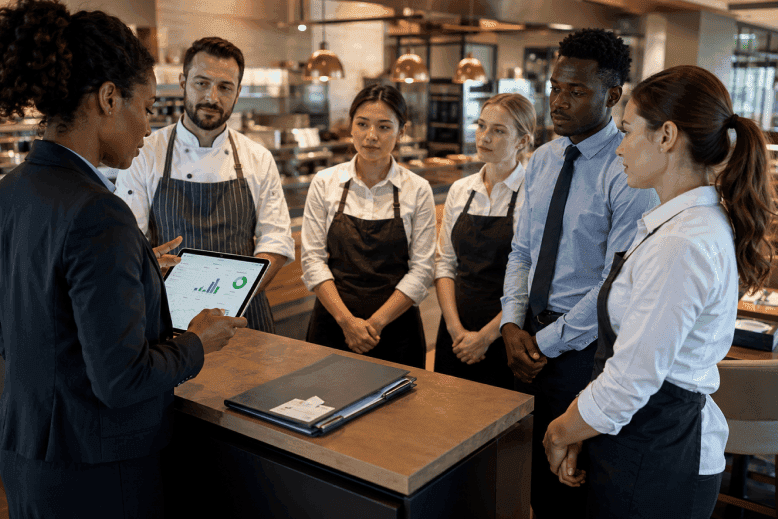
When a scheduling app integrates with other systems, it creates a centralized hub for all operational data. This centralization allows managers to access key metrics - such as labor costs, sales trends, and inventory levels - from a single platform. By having all the necessary information in one place, decision-making becomes faster and more informed.
Centralized data also supports better forecasting and planning. Managers can identify patterns, such as seasonal peaks, and prepare schedules and resources accordingly. This proactive approach reduces waste, controls costs, and enhances overall efficiency.
By choosing a scheduling app that integrates seamlessly with payroll, POS, and inventory systems, QSR owners can create a cohesive and efficient operational ecosystem. This integration not only saves time but also enhances accuracy, compliance, and decision-making, allowing restaurant managers to focus on delivering excellent service.