Mountain Mike's Pizza Names Sheena Dougher CMO
Mountain Mike's Pizza hires Jack in the Box veteran Sheena Dougher as CMO to drive national growth while preserving its regional brand identity.
Franchising
Sep 17, 2026
Mountain Mike's Pizza hires Jack in the Box veteran Sheena Dougher as CMO to drive national growth while preserving its regional brand identity.
Sep 17, 2026

DoorDash pays $425M for Wonder's campus dining platform and a stake in Wonder, betting on robotic kitchens and institutional foodservice growth.
Sep 16, 2026
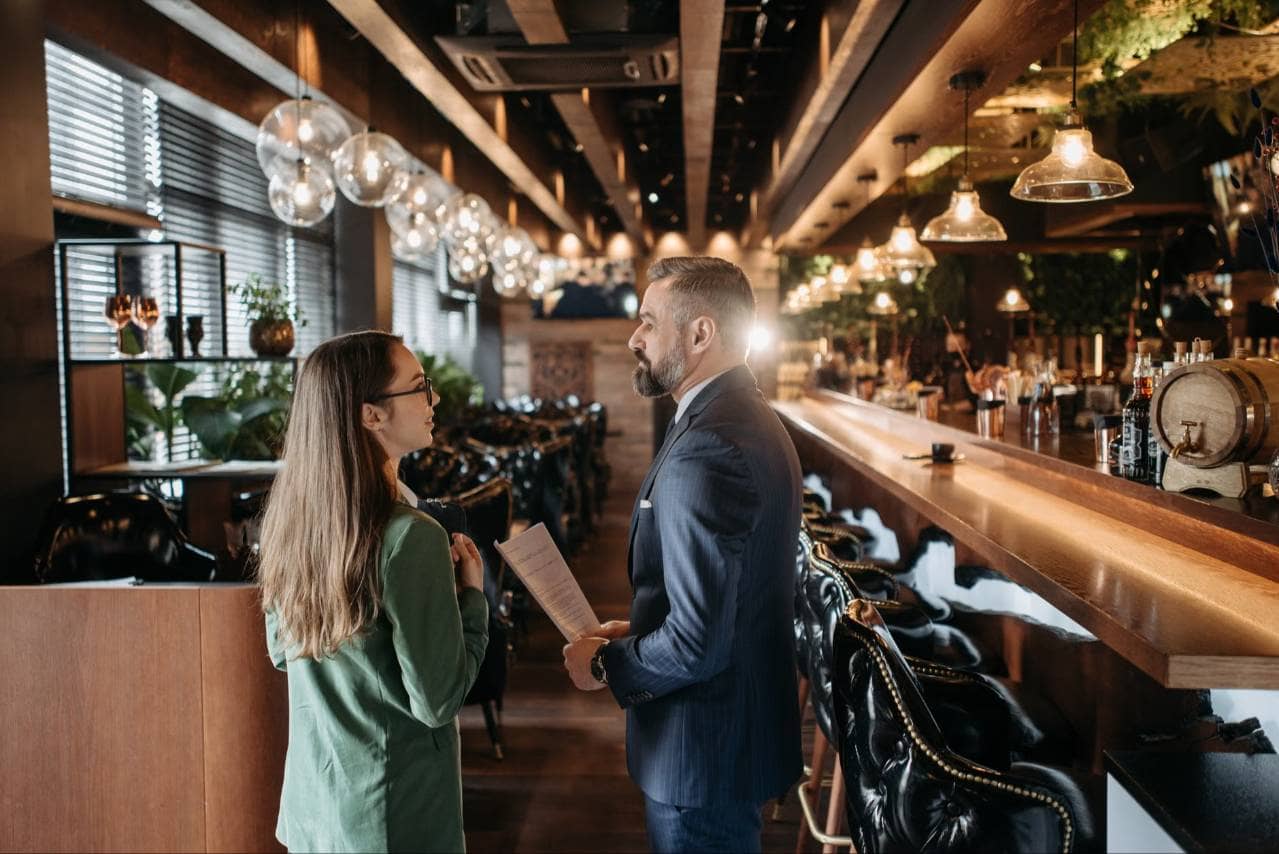
Discover the most common reasons restaurants fail, including inconsistent food quality and pricing mistakes, plus practical ways to avoid them.
Sep 16, 2026
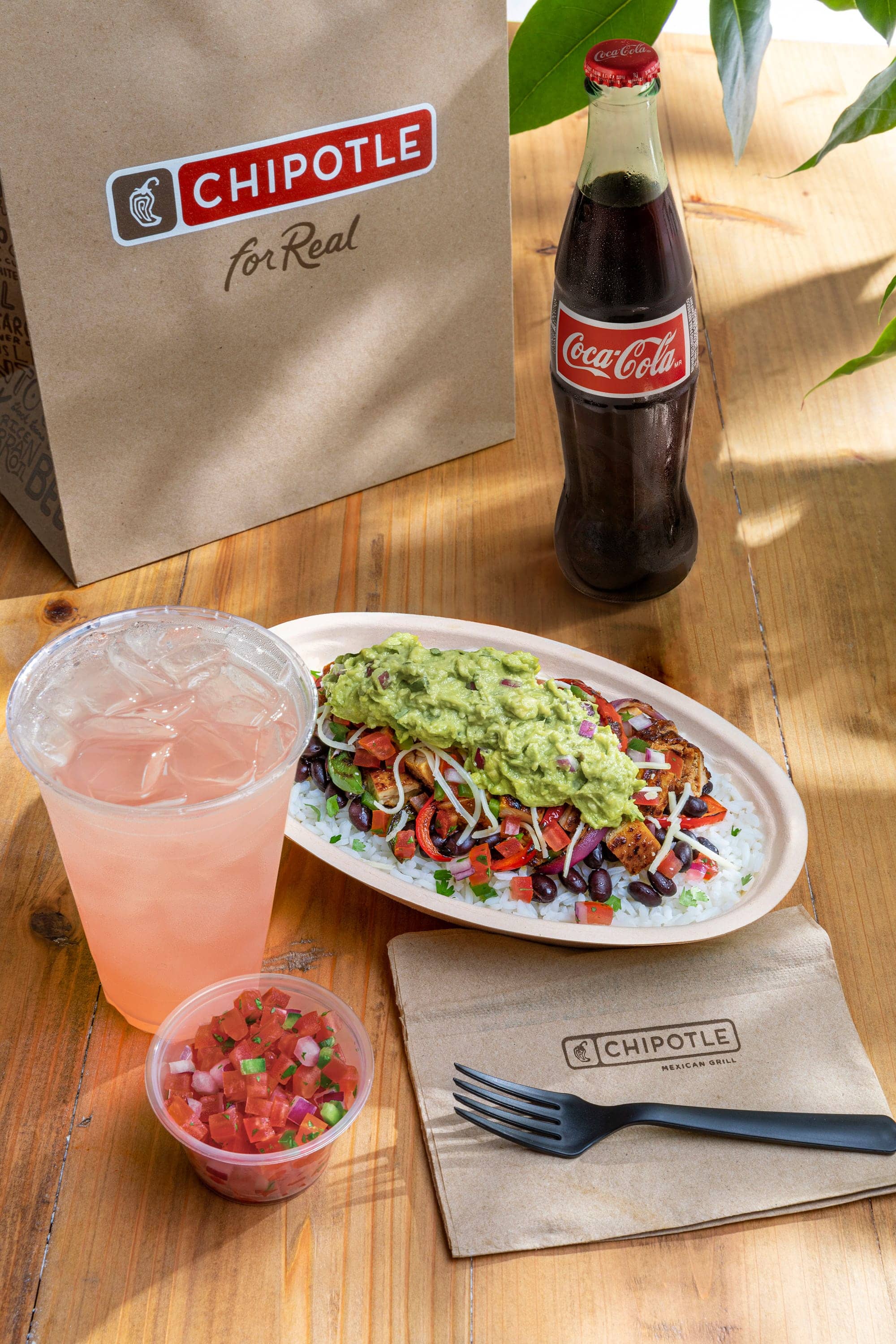
Chipotle names former KFC global CEO Sabir Sami to its board as the chain expands into Mexico, Saudi Arabia, and South Korea.
Sep 15, 2026

LeBron James joins Mike's Red Tacos as an investor, backing the birria chain led by Blaze Pizza and Dave's Hot Chicken veteran Bill Phelps.
Sep 15, 2026
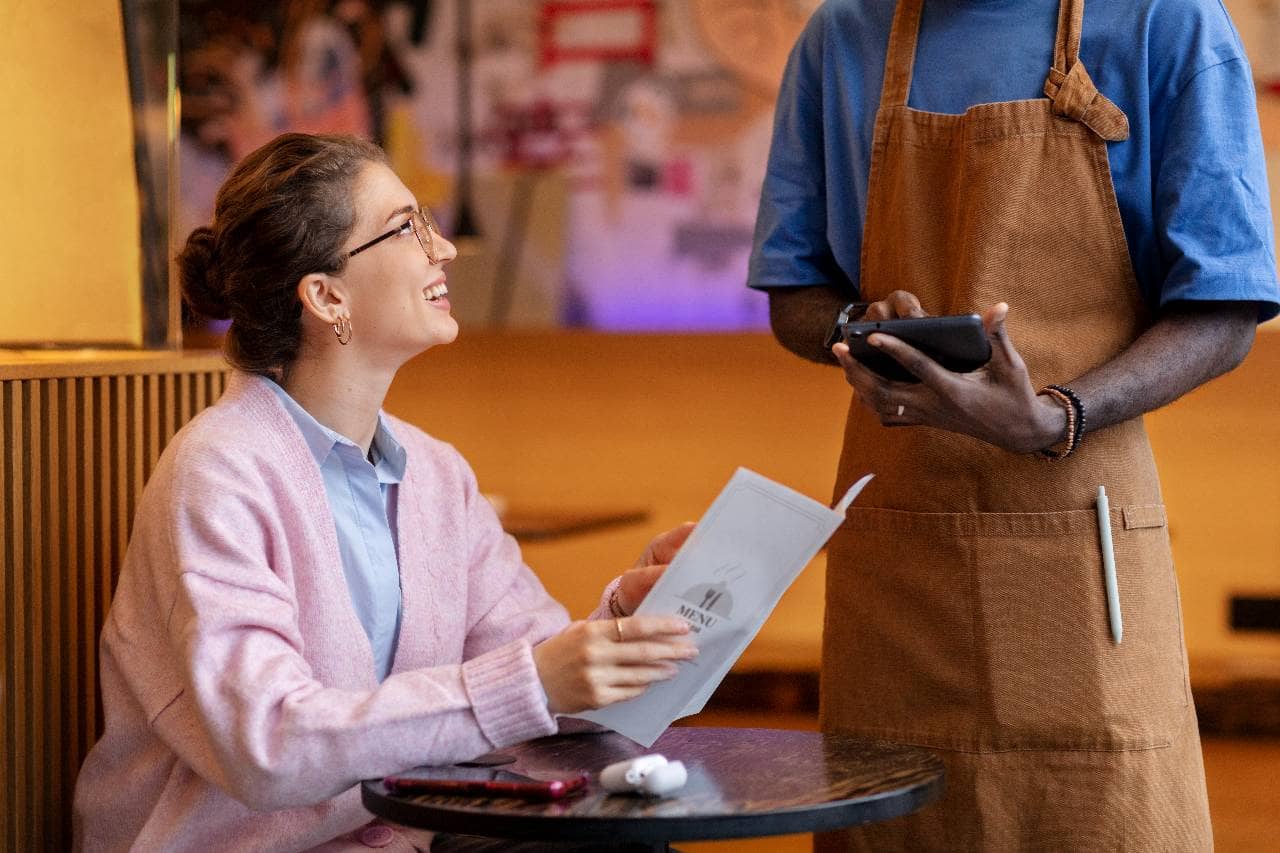
Discover practical promotion ideas - time-based deals, loyalty programs, local partnerships, and digital marketing - to boost restaurant foot traffic consistently.
Sep 14, 2026

Practical payroll compliance checklist for restaurant owners covering wage rules, tips, overtime, taxes, deductions, and recordkeeping to reduce legal risk.
Sep 14, 2026

Lucy Brady joins Jamba as president to lead digital-first growth strategy. GoTo Foods restructures leadership to strengthen franchise platform capabilities.
Sep 14, 2026

Contactless payment offers restaurants faster transactions, better security, and improved customer experience, making it a valuable, worthwhile technology investment today.
Sep 11, 2026

Pei Wei Asian Kitchen named Best Fast-Casual Chain in Reviewed 2026 Awards, reflecting shift from price competition to quality and transparency.
Sep 11, 2026

Unlock Exclusive Access To Webinars, Events, And The Latest News For Free!
Explore how restaurant operations can adapt to declining revenue trends and changing customer behaviors in the dining industry.

Photo by Dan Gold
The restaurant industry, like many others, is not immune to economic fluctuations. When faced with declining revenue, restaurant operations must analyze the root causes to implement targeted solutions. Factors such as changing consumer preferences, economic downturns, and increased competition can all contribute to a drop in sales. By understanding the specific challenges impacting revenue, restaurant operators can strategize effectively to mitigate the effects.

Photo by Dan Gold
Consumer behavior plays a crucial role in shaping the success of restaurant operations. As lower-income diners opt for home-cooked meals over dining out due to discretionary spending constraints, restaurants need to adjust their offerings to cater to evolving preferences. This shift emphasizes the importance of menu innovation, value messaging, and enhancing the off-premise dining experience to appeal to a wider customer base.
To combat declining revenue, restaurant operations must prioritize multi-faceted improvements across various aspects of the business. Strategies such as boosting store count, diversifying franchisee base, and exploring innovative concepts like dual-branded units can inject new life into the brand. By enhancing operational efficiency and adapting to market demands, restaurants can position themselves for long-term growth and sustainability.
The off-premise dining sector presents a significant growth opportunity for restaurant operations. With off-premise sales accounting for a substantial portion of revenue for brands like IHOP and Applebee's, optimizing this channel is essential. Investing in technology solutions for efficient delivery services, curbside pickup options, and streamlined ordering platforms can streamline operations and enhance the overall customer experience.
Amidst organizational changes and revenue challenges, it is vital for restaurant operators to prioritize the well-being of their team members. Providing comprehensive support packages, including severance, outplacement services, and emotional assistance, can help impacted employees navigate through transitions with greater ease. By valuing the contributions of their staff, restaurants can foster a positive work culture and maintain employee loyalty during turbulent times.
Several restaurant brands have recently faced the need for job cuts to realign their businesses amidst revenue pressures. Studying cases like Duck Donuts, Panera Bread, Noodles & Company, and Pinstripes can offer insights into how different organizations are adapting to challenges. By learning from industry examples, restaurant operations can glean valuable lessons on navigating through periods of uncertainty and driving sustainable growth.