
Restaurant Technology Trends in 2026
Explore restaurant technology trends in 2026, including AI, automation, digital ordering, workforce tools, connected kitchens, personalization, and profitability strategies today.
Technology
Aug 28, 2026
Explore restaurant technology trends in 2026, including AI, automation, digital ordering, workforce tools, connected kitchens, personalization, and profitability strategies today.
Aug 28, 2026
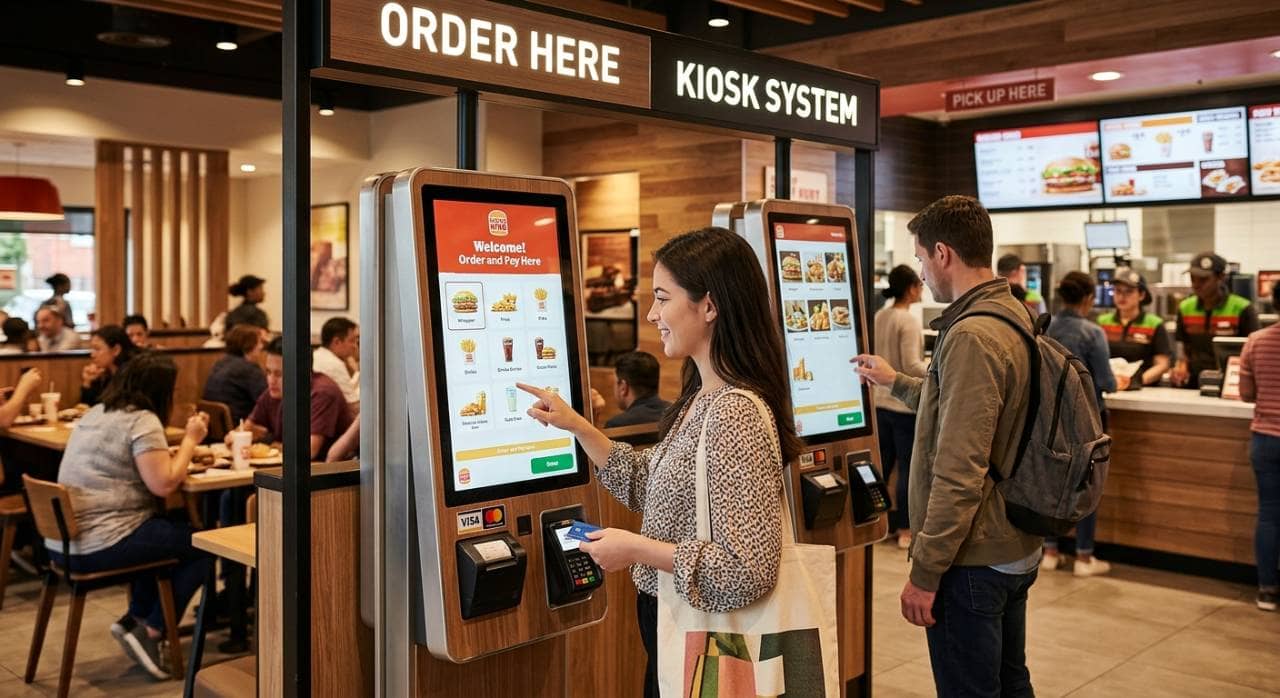
Understand how to evaluate a Kiosk system using key criteria including features, POS integration, hardware, pricing, customer experience, and support.
Aug 31, 2026

Learn how to calculate restaurant cost of goods using inventory, purchases, COGS percentage, variance reviews, and regular tracking for profitability.
Aug 31, 2026

Learn the startup costs of opening an ice cream shop, including rent, equipment, renovations, permits, inventory, labor, marketing, and reserves.
Aug 28, 2026

A restaurant P&L statement reveals sales, expenses, and profits, helping owners manage costs, improve margins, and plan finances more effectively.
Aug 26, 2026
Learn practical ways to reduce labour costs through smarter scheduling, forecasting, productivity, cross-training, automation, overtime control, and performance monitoring strategies.
Aug 26, 2026
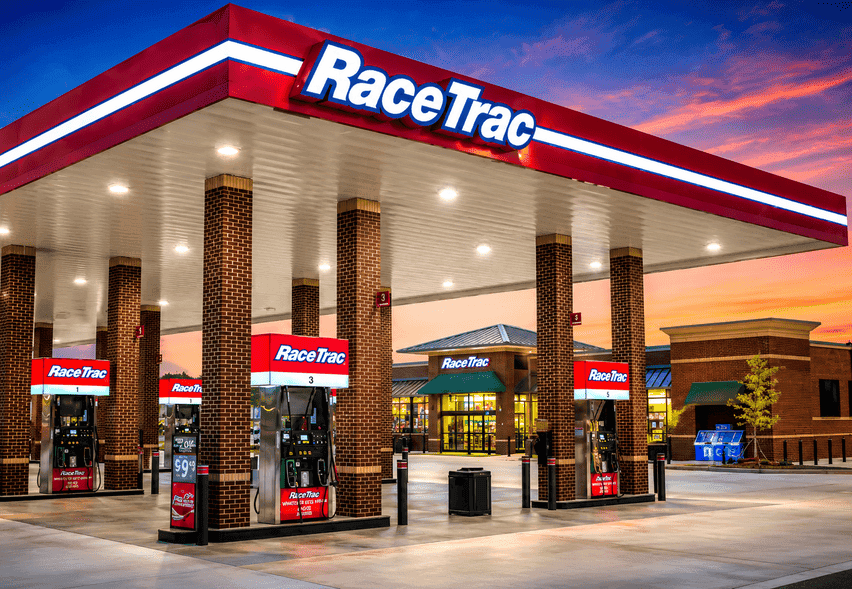
RaceTrac has appointed Jill Pemberton as chief financial officer, succeeding Karla Ahlert, who moves into the newly created role of chief administrative officer.
Aug 26, 2026

Create a practical restaurant marketing plan by setting goals, targeting customers, choosing channels, budgeting wisely, scheduling campaigns, and measuring results.
Aug 24, 2026

Levain Bakery appoints Lorna Sommerville and Taya Stenson as co-CEOs, blending operational and marketing expertise to power national expansion and innovation while staying rooted in its brand values.
Aug 25, 2026

A payroll advance policy helps restaurant owners define eligibility, limits, repayment, documentation, approval procedures, and compliance requirements for employee advances.
Aug 24, 2026

Unlock Exclusive Access To Webinars, Events, And The Latest News For Free!
Starbucks accelerates sustainability with cups, EV chargers, and Illinois solar projects, weaving renewables into daily operations and community life.

Photo by Joshua Rodriguez
At dawn, a quiet café hums with soft chatter and the ritual of ordering. In that familiar stillness, Starbucks is trying on a larger purpose, one that doesn't shout but settles gently into everyday habit. The company has unveiled a three-pronged sustainability push that feels crafted for easy mornings and lingering afternoons: reuse, energy, and community. A returnable cup initiative, steered through the NextGen Consortium, joins a chorus of peers, Dunkin’, Peet’s Coffee, Burger King, and Yum Brands, in testing packaging that lasts. Separately, a bridge to cleaner mobility arrives with a plan to install 400 EV chargers at 100 stores, in partnership with Mercedes-Benz. The thread, if you listen closely, is a daily habit woven toward a brighter horizon: can a cup, a charger, and a solar panel shape a community?
These moves sit inside a broader, careful cadence. The returnable cup program channels the NextGen Consortium's work toward reusable cups, expanding beyond a single brand and embracing a circular mindset across markets. Meanwhile, the collaboration with Mercedes-Benz brings a layer of practical mobility to the store, 400 EV chargers across 100 locations, signaling a partnership that blends retail with mobility infrastructure. In Illinois, six Nexamp-led solar projects will anchor more than 40 megawatts of solar capacity, delivering electricity bill savings to more than 1,100 residents and powering 170 Starbucks stores. The plan builds on an existing wind footprint, with 340 Illinois stores already running on wind energy, underscoring a diversified approach to energy.
Taken together, these steps hint at a strategy that treats energy as an everyday ingredient, not a distant policy goal but something visitors feel in the moment of their morning cup. It is a quiet promise that sustainability can be integrated, accountable, and warmly approachable, even for customers who are simply seeking a little calm before the day.

Behind the scenes, leadership frames the push as a redefinition of purpose. Since Narasimhan took the helm in 2023, the company has framed its work around six promises to partners, customers, farmers, communities, the environment, and shareholders. A central piece is the Environmental Promise, to give more than we take, and it sits alongside a plan to formalize accountability through an Environmental, Partner and Community Impact Board Committee. Executives say the governance move is born of regulatory shifts and careful internal assessments, signaling a steadier, long-term lens on environmental investments and the partnerships that make them possible.
With the governance enhancements, the Nexamp solar program and the wind-energy portfolio are integrated into a formal system that links money spent on renewables to the promises made to communities. The shift isn't purely ceremonial; it is meant to anchor strategy against changing regulations and market conditions, turning big numbers into visible outcomes for neighbors who will feel the benefits of lower bills and cleaner air.
As the company grows bolder, the question becomes how this governance translates to daily choices, from sourcing to store design. The answer, in practice, is likely to be measured, modest, and steady, an ongoing conversation between the café chair and the solar field.

From a practical standpoint, the Nexamp plan unfolds as six community solar projects in Illinois intended to anchor large-scale renewable energy deployment. By committing as a long-term renewable electricity purchaser, Starbucks will anchor the deployment of more than 40 megawatts of solar energy in Illinois communities, with construction underway and sites expected to come online beginning in 2025. The initiative will benefit more than 1,100 residents and support 170 Starbucks stores, while the renewable electricity credits will help power Starbucks stores directly. This builds on Starbucks' existing wind-energy footprint, including 340 Illinois stores already operating on wind power, underscoring a diversified approach to energy sources across the state.
Construction is under way and comes online in 2025, with the initiative acting as a practical anchor for broad-scale renewable energy deployment. The broader Illinois portfolio complements the wind footprint already powering hundreds of stores, illustrating a diversified mix of energy sources under a single corporate banner.
Taken as a whole, the Nexamp project lineup shows a business trying to make community energy tangible, delivering savings and cleaner power to real neighborhoods while keeping pace with store demands and customer expectations.
Senior leaders frame momentum as tangible progress toward sustainability goals. In discussing the Nexamp projects, Michael Kobori, Starbucks Chief Sustainability Officer, emphasizes the moral and practical value of renewable energy and community access. Industry coverage mirrors that sentiment, highlighting the effort as a scalable model for spreading clean energy savings while supporting local economies.
The collaboration is framed as a practical blueprint, with leadership signaling that the partnership extends beyond a single line item on a balance sheet. Nexamp leadership underscores how this approach can expand access to community solar and translate corporate clean-energy ambitions into real, neighborhood-level benefits.
Together, the governance enhancements and program ambitions paint a picture of an enterprise seeking resilience, clarity, and continuity, qualities that matter just as much as the numbers on quarterly reports when a brand invites communities to participate in the clean-energy conversation.
Gaps and uncertainties color the momentum, particularly around regulatory timing and implementation. Illinois' Climate and Equitable Jobs Act shapes the state's clean-energy commitments while adjusting programs such as net metering, a factor that can tilt the economics of large solar projects. As of 2025, net metering rule changes may influence how solar subscribers receive credits, shaping the Nexamp portfolio's financial math. The Nexamp projects are slated to come online by 2025, yet timelines still depend on permitting, interconnection, and supply-chain dynamics.
Starbucks' ongoing emphasis on resilience, cost savings, and reputational benefits will hinge on how policy executes and how markets respond. The company remains committed to weaving renewable-energy into daily operations, even as it navigates regulatory twists and evolving incentives that could alter the pace or scale of these efforts.
The broader takeaway is a careful balance: ambition anchored in community benefit, handled with patient governance and adaptive planning. When a global coffee brand threads daily rituals with wind, sun, and policy, the outcomes reveal themselves in ordinary moments, those lingering conversations that begin over a cup and end with a sense of shared possibility.