
Restaurant Technology Trends in 2026
Explore restaurant technology trends in 2026, including AI, automation, digital ordering, workforce tools, connected kitchens, personalization, and profitability strategies today.
Technology
Aug 28, 2026
Explore restaurant technology trends in 2026, including AI, automation, digital ordering, workforce tools, connected kitchens, personalization, and profitability strategies today.
Aug 28, 2026
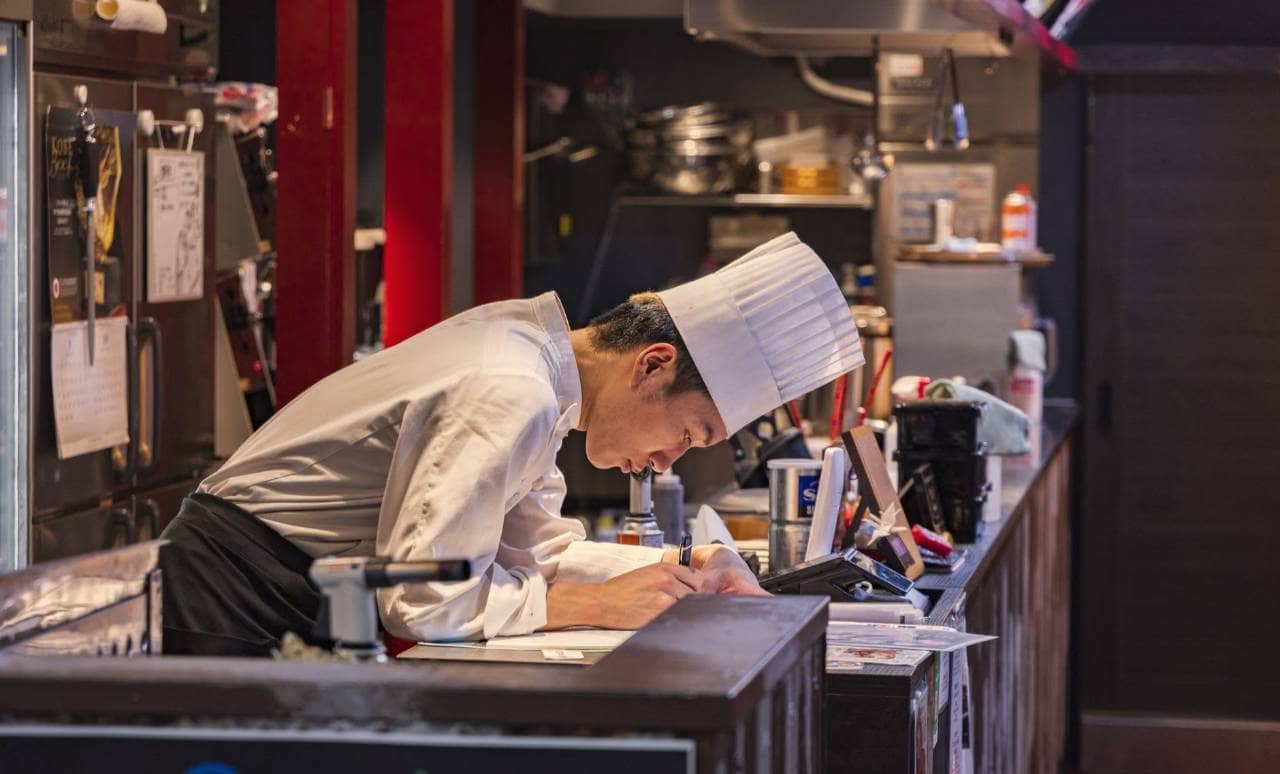
Learn how to calculate restaurant cost of goods using inventory, purchases, COGS percentage, variance reviews, and regular tracking for profitability.
Aug 31, 2026
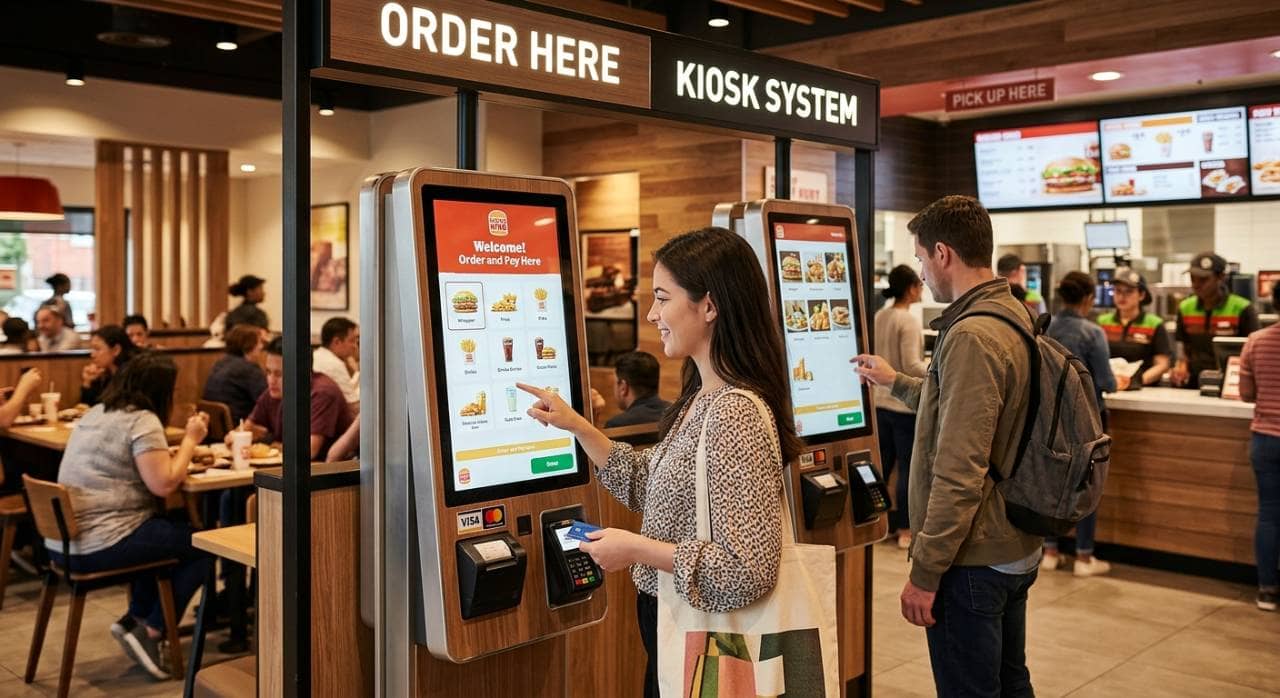
Understand how to evaluate a Kiosk system using key criteria including features, POS integration, hardware, pricing, customer experience, and support.
Aug 31, 2026
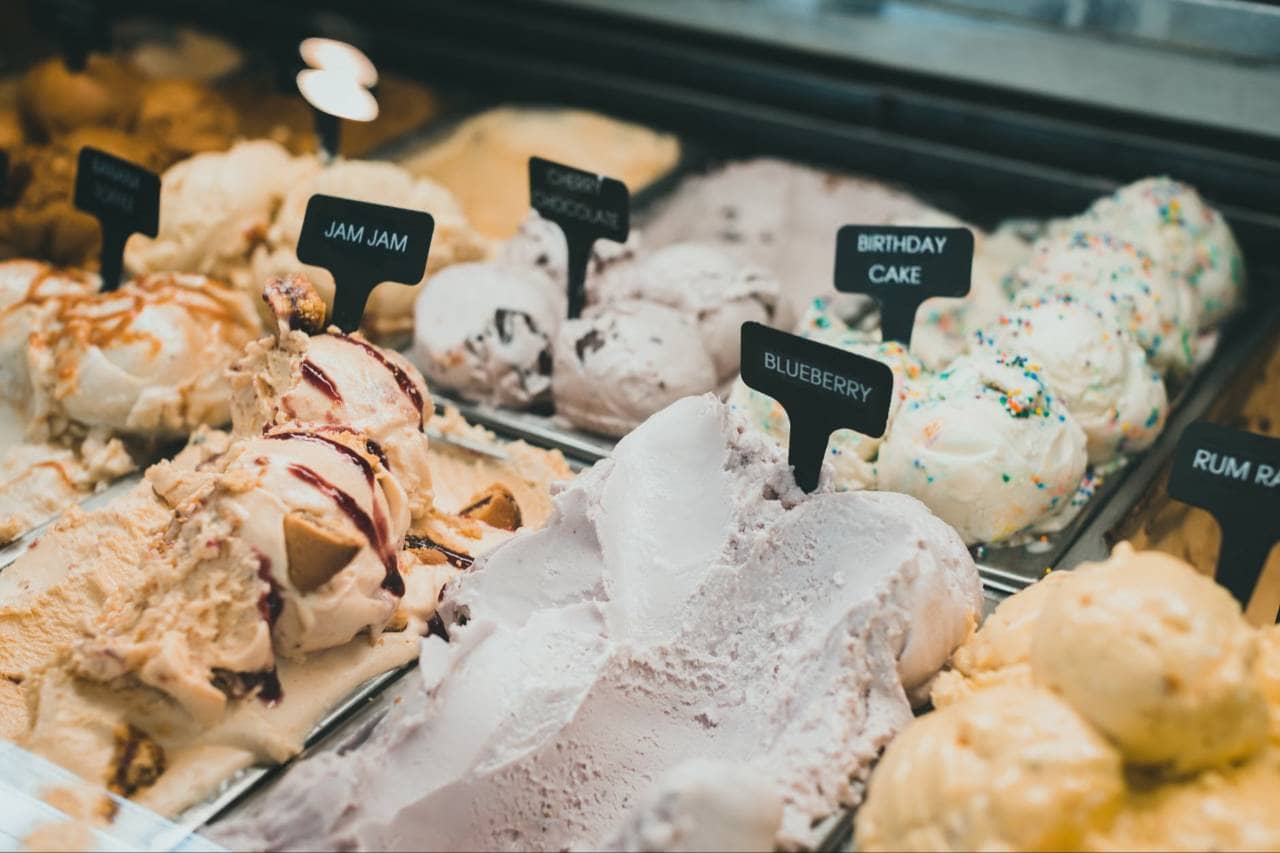
Learn the startup costs of opening an ice cream shop, including rent, equipment, renovations, permits, inventory, labor, marketing, and reserves.
Aug 28, 2026

A restaurant P&L statement reveals sales, expenses, and profits, helping owners manage costs, improve margins, and plan finances more effectively.
Aug 26, 2026
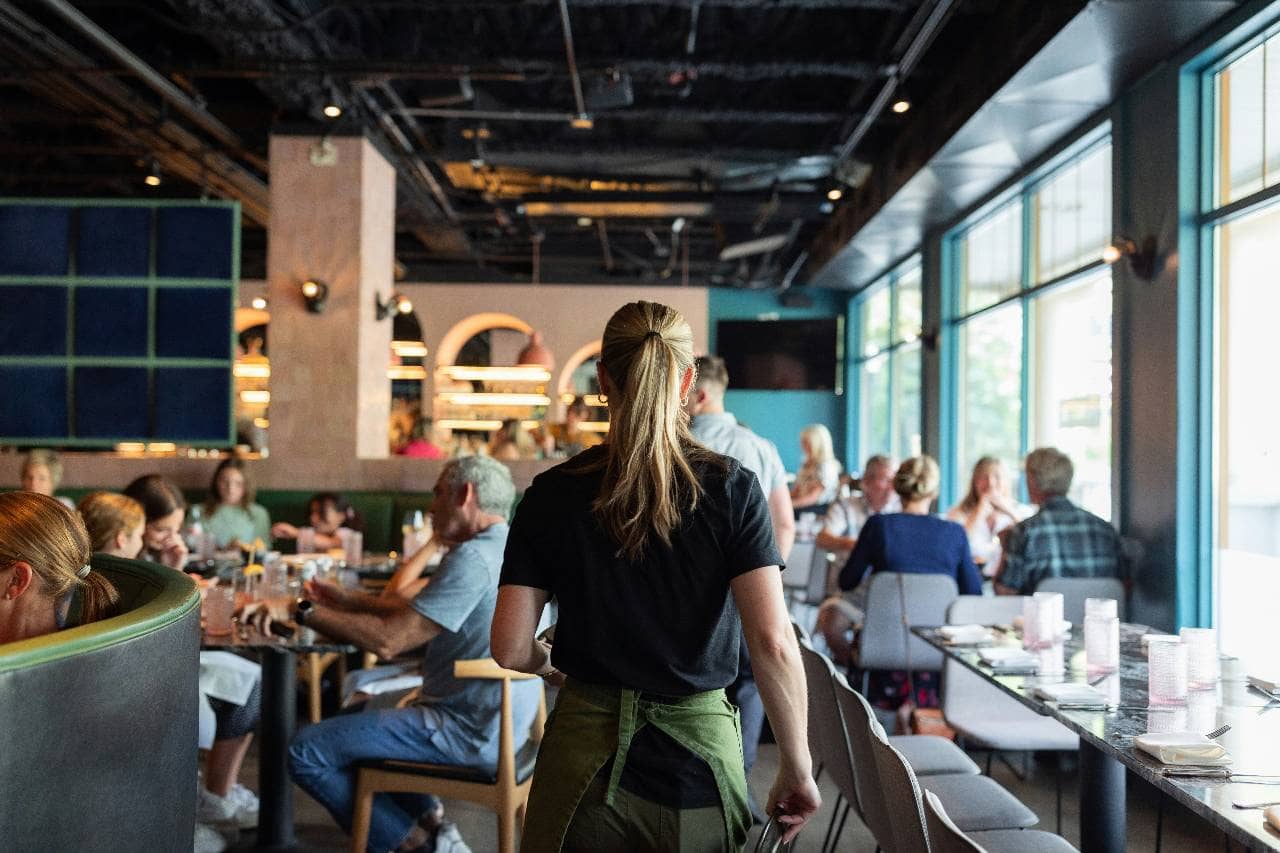
Learn practical ways to reduce labour costs through smarter scheduling, forecasting, productivity, cross-training, automation, overtime control, and performance monitoring strategies.
Aug 26, 2026
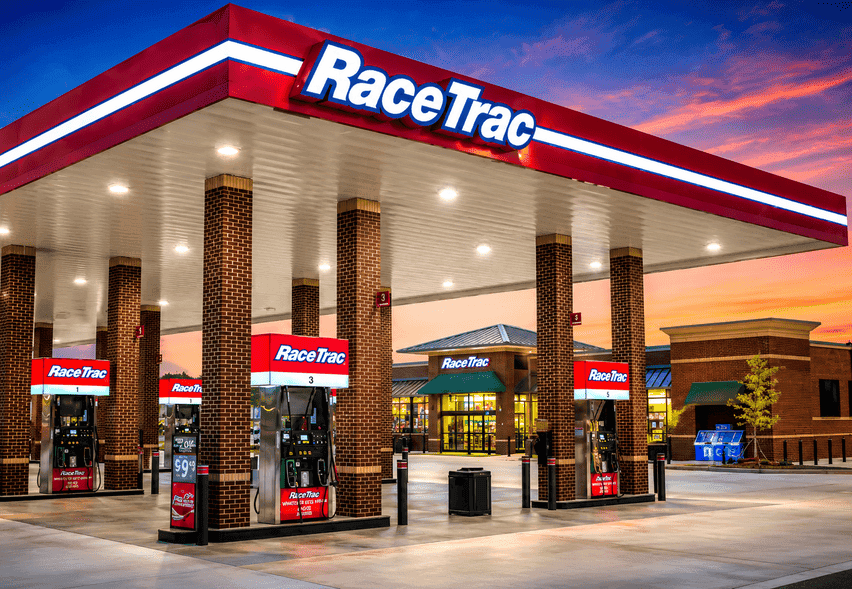
RaceTrac has appointed Jill Pemberton as chief financial officer, succeeding Karla Ahlert, who moves into the newly created role of chief administrative officer.
Aug 26, 2026

Create a practical restaurant marketing plan by setting goals, targeting customers, choosing channels, budgeting wisely, scheduling campaigns, and measuring results.
Aug 24, 2026

Levain Bakery appoints Lorna Sommerville and Taya Stenson as co-CEOs, blending operational and marketing expertise to power national expansion and innovation while staying rooted in its brand values.
Aug 25, 2026

A payroll advance policy helps restaurant owners define eligibility, limits, repayment, documentation, approval procedures, and compliance requirements for employee advances.
Aug 24, 2026

Unlock Exclusive Access To Webinars, Events, And The Latest News For Free!
A profile of Angry Chickz’s bold heat, culture-led growth, and disciplined franchise model expanding from California to Texas and Arizona.

Photo by You Le
From a modest 900-square-foot storefront in East Hollywood to a regional fixture, Angry Chickz is a study in how heat can become hospitality. Founded in 2018 by David Mkhitaryan, the brand fused a Nashville-style appetite for spice with his family’s Mediterranean kitchen roots. The first shop, tiny in footprint but expansive in ambition, became a proving ground for a concept built on flavor intensity and guest energy. That early spark, turning one bright idea into a culture-led dining moment, still shapes the brand as it scales beyond California. It’s a story where fearless flavor meets thoughtful service, and every bite invites a longer look at what a fast-casual chain can be.
Industry profiles trace Angry Chickz’s arc from a West Coast curiosity to a regional force, anchored by a bold culinary proposition and a willingness to push flavor boundaries while keeping a fast-casual, approachable price point. The brand’s identity, offbeat branding, fearless attitude, and a hospitality rhythm built around heat, texture, and a playful energy, has become a hallmark of its growth. “There’s not a single product on our menu that I don't love.” said by Tonya McCoy, vice president of marketing, underscores the culinary culture driving the menu. The narrative is less about locations and more about delivering a culture-driven moment, a goal that has drawn multi-unit operators and investors into the brand's orbit.

The six heat levels are a defining feature of Angry Chickz’s guest experience, with the ladder beginning at Country (no heat) and culminating in Angry, the hottest option. The ladder is more than a culinary ladder, it’s a risk-and-reward ritual that culminates in a waiver for the peak heat. Milk is kept on hand to help manage the burn, and the menu is designed to be customizable across spice levels, balancing bold flavors with restraint. This approach mirrors a broader fast-casual trend toward personality-driven concepts that pair strong flavors with a memorable ritual.
The ladder’s design isn’t merely about heat; it’s a customer experience that invites curiosity, choice, and a ritual of tasting. The beverage program leans lean, non-alcoholic options like lemonades, teas, and sodas, to complement the spice without diluting the core proposition. In this way, Angry Chickz makes heat feel approachable, turning intensity into a balanced, nourishing moment that aligns with thoughtful, mindful dining.

Angry Chickz operates through a franchise framework designed to scale quickly while maintaining brand standards. The materials outline an initial investment range of $603,000 to $1,323,000 for a single restaurant; third-party disclosures show a broader band, with some sources citing $418,000 to $1,000,000 depending on year and scope. The company’s Item 19 financial representation notes a top-earning tier with substantial unit economics, including a top-33% average unit volume around $3.07 million. The franchisor sets criteria for franchisees, including a minimum of three restaurants and roughly $1.5 million in liquidity to pursue multi-unit development. The model emphasizes non-alcoholic beverages and a streamlined menu to support consistency across units.
Discipline in growth is a throughline here: the numbers and conditions signal a measured, scalable path that appeals to multi-unit operators while signaling to investors the potential of a robust return when expansion aligns with capital and execution. The beverage focus, lean menu, and clear unit economics become the backbone for steady, controlled growth across markets.

Angry Chickz has steadily moved eastward, signaling a deliberate, geography-based growth strategy. The brand announced its entry into Texas with a Webster outpost and a grand opening slated for April 25, 2025, at 18207 Egret Bay Blvd. This first Texas debut was widely reported as a milestone event and a proof point for the brand’s scalable model. In Arizona, Goodyear opened in early 2026, with Glendale earlier and Mesa planned for April 17, 2026, expanding the Phoenix area footprint. The growth narrative is underscored by a 2024 recognition as a Hot Concept by Nation’s Restaurant News, which highlighted momentum and culture as drivers of expansion.

Angry Chickz sits at the intersection of a broader hot-chicken wave and the evolving fast-casual landscape. National coverage and industry trade press have framed the brand as a 2024 Hot Concept, recognizing its momentum, culture, and growth potential. The West-to-Southwest expansion aligns with market dynamics in fast casual, where bold flavors and experiential branding attract investor interest and multi-unit development. Trade outlets have tracked the brand’s progress, underscoring its ability to pair a distinctive product with a scalable operating model.
Impact and narrative suggest that culture-driven experiences, when paired with disciplined execution, can translate flavor risk-taking into scalable growth in fast-casual dining. The brand’s ability to sustain momentum, through media visibility, strategic regional push, and a lean beverage program, positions Angry Chickz as a case study in how to translate heat into a national footprint while preserving guest experience and price accessibility.

As with many burgeoning brands, Angry Chickz presents a landscape of varied data points about investment ranges and unit economics. Official franchising materials list an initial investment range of $603,000–$1,323,000, while third-party disclosures show a broader spread, with some sources citing $418,000–$1,000,000 depending on market and build. The discrepancy reflects how site size, market conditions, and construction costs shape total investment and underscores why prospective franchisees should vet multiple sources, including the Franchise Disclosure Document itself. Top-line AUVs suggest strong potential for high-performing units, but broader financial pressures remain a consideration for careful capital planning.
Takeaway for investors is clear: balance the concept’s bold appeal with disciplined financial planning, and weigh the growth trajectory against the variable costs of expansion. The Franchise Disclosure Document and other sources together map a path, but prudent due diligence remains essential as Angry Chickz scales into newer markets.
Angry Chickz’s journey illustrates how a bold flavor narrative, paired with a disciplined franchise framework and targeted regional expansion, can yield rapid growth in fast casual. The brand’s ability to turn heat into an experience, its media visibility (including a 2024 Hot Concept nod), and its steady push into Arizona and Texas signal a model other concepts may emulate. If momentum holds, we may see more market entries, broader investor interest in Southwest expansion, and a continuing emphasis on culture-driven experiences as a differentiator in a crowded chicken segment. The question remains: can they sustain unit-level profitability as scale accelerates?
Bottom line for mindful dining and growth is that bold flavor and disciplined expansion can coexist. Angry Chickz demonstrates how heat, texture, and hospitality, delivered with clarity and capital discipline, can fuel a scalable, culturally resonant fast-casual brand.