
Restaurant Technology Trends in 2026
Explore restaurant technology trends in 2026, including AI, automation, digital ordering, workforce tools, connected kitchens, personalization, and profitability strategies today.
Technology
Aug 28, 2026
Explore restaurant technology trends in 2026, including AI, automation, digital ordering, workforce tools, connected kitchens, personalization, and profitability strategies today.
Aug 28, 2026
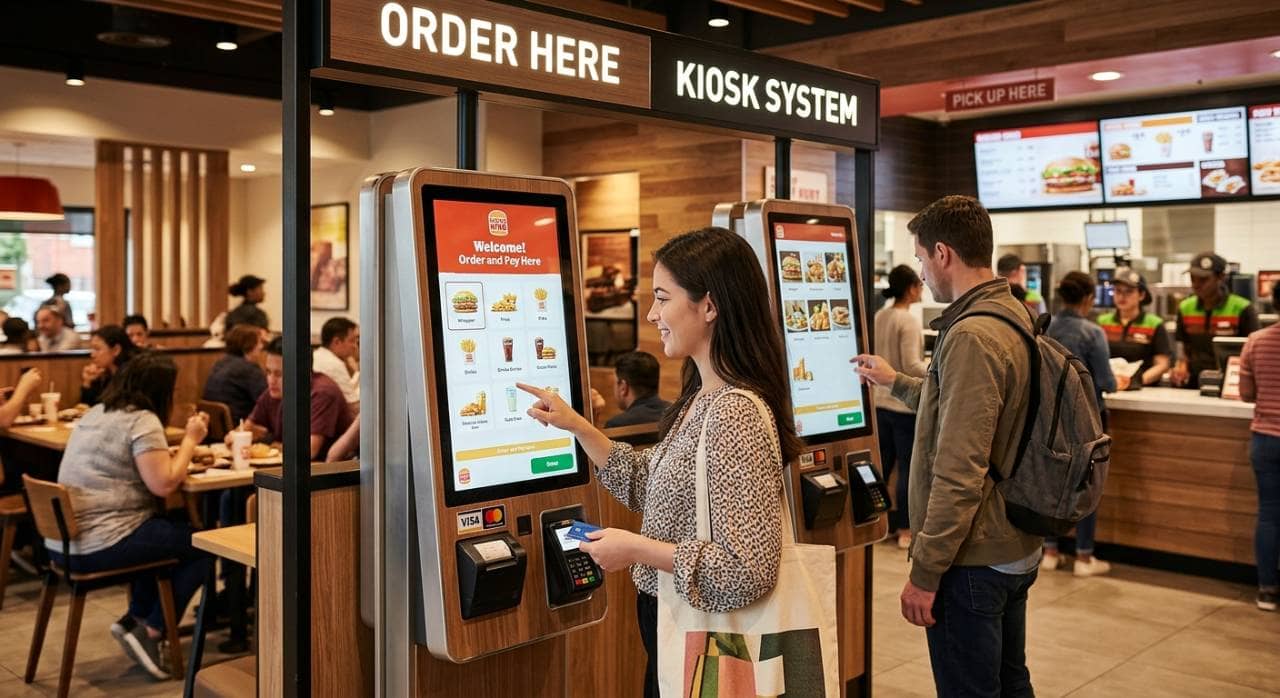
Understand how to evaluate a Kiosk system using key criteria including features, POS integration, hardware, pricing, customer experience, and support.
Aug 31, 2026
Learn how to calculate restaurant cost of goods using inventory, purchases, COGS percentage, variance reviews, and regular tracking for profitability.
Aug 31, 2026

Learn the startup costs of opening an ice cream shop, including rent, equipment, renovations, permits, inventory, labor, marketing, and reserves.
Aug 28, 2026

Learn practical ways to reduce labour costs through smarter scheduling, forecasting, productivity, cross-training, automation, overtime control, and performance monitoring strategies.
Aug 26, 2026

A restaurant P&L statement reveals sales, expenses, and profits, helping owners manage costs, improve margins, and plan finances more effectively.
Aug 26, 2026
RaceTrac has appointed Jill Pemberton as chief financial officer, succeeding Karla Ahlert, who moves into the newly created role of chief administrative officer.
Aug 26, 2026

Create a practical restaurant marketing plan by setting goals, targeting customers, choosing channels, budgeting wisely, scheduling campaigns, and measuring results.
Aug 24, 2026

Levain Bakery appoints Lorna Sommerville and Taya Stenson as co-CEOs, blending operational and marketing expertise to power national expansion and innovation while staying rooted in its brand values.
Aug 25, 2026

Blaze Pizza welcomes Tracy Stockard as Chief Marketing Officer, bringing decades of brand and franchise experience to drive strategic growth and guest engagement.
Aug 25, 2026

Unlock Exclusive Access To Webinars, Events, And The Latest News For Free!
Cantina Chicken lifts Taco Bell's momentum in Yum Brands' Q2, pairing new menu with digital engagement and AI-driven operations to fuel growth across brands.

Photo by Sargent Seal
Into the second quarter, Yum! Brands posted a rhythm of stabilization after a tougher start. The spotlight rested on Taco Bell, whose Cantina Chicken platform, unveiled in mid-March, reframed the pace. In the company’s own words, the chicken-forward lineup has “exceeded expectations so far,” said David Gibbs, anchoring a narrative that digital-first innovations can translate into tangible momentum. Cantina Chicken didn’t simply add new items; it recalibrated value and taste into a more digestible, craveable path for customers. As the quarter unfolded, the question was no longer if Cantina Chicken would land, but how enduring its lift would prove to be for the broader portfolio. That momentum would soon intersect with an expanding tech-enabled playbook.
From a metrics lens, the quarter underlined a shift: worldwide system sales rose 3% excluding foreign currency translation, while global same-store sales declined by 1%, a modest improvement from Q1’s contraction of 3%. The engine of this progress was Taco Bell, which posted 5% SSS growth as Cantina Chicken rolled out. The chicken platform helped lift the brand’s chicken sales mix by about 10 percentage points, with nearly 25% of orders now featuring Cantina Chicken items. Beyond menu changes, digital engagement rose meaningfully and loyalty sales climbed as customers embraced a more seamless mobile experience. This momentum set a stage for how Cantina Chicken would sit at the intersection of promotions and tech in the months ahead.
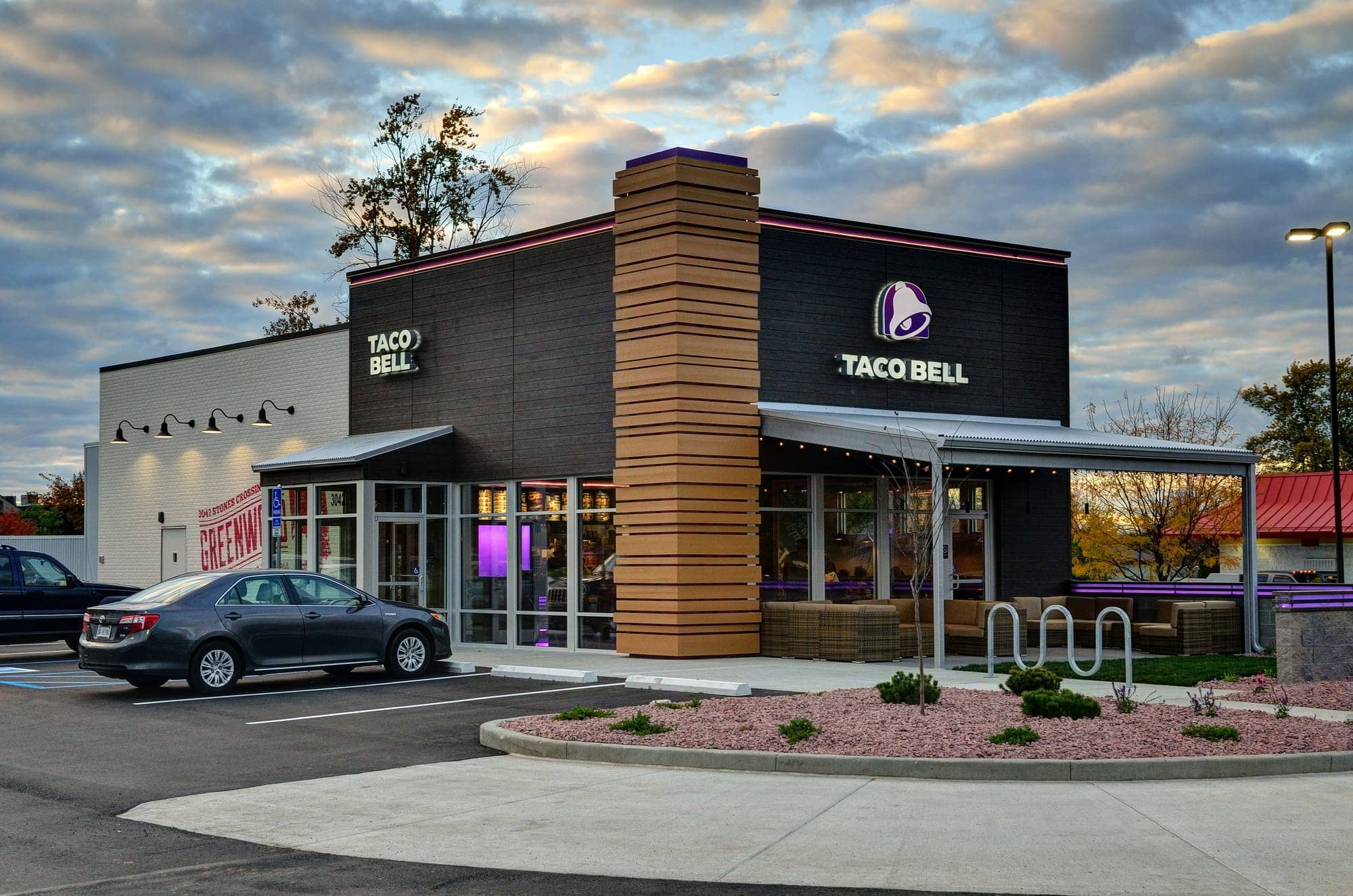
To begin with, the operational engine behind the quarter’s momentum centered on Cantina Chicken and a suite of technology-enabled initiatives. The Taco Bell Cantina Chicken Menu, introduced in March, acted as a major growth catalyst, broadening the chicken platform and reinforcing its pricing and value architecture. Executives stressed that the Cantina Chicken platform contributed to stronger chicken sales and helped lift the overall chicken mix. In parallel, Taco Bell’s digital engagement rose meaningfully, with loyalty sales climbing as guests responded to data-driven marketing and a more seamless mobile experience. The company’s broader tech play was already taking shape, foreshadowing a tighter, omni-channel cadence.
Across Pizza Hut, the emphasis shifted to value-driven promotions and a technology upgrade, the Dragontail AI-enabled restaurant management system, to streamline operations and drive satisfaction. The My Hut Box at Pizza Hut U.S. bundles meals at attractive price points, including Melts or two-topping personal pans, sides, and drinks, starting at $6.99. These moves, along with ongoing tech investments, are positioned as cornerstones of Yum’s plan to sustain momentum in a challenging environment. The combined effect is a more cohesive, digitally integrated engine that keeps the system nimble and responsive to customer demand.
Leadership commentary carried a confident tone, with Gibbs framing the quarter as evidence of the power of Taco Bell’s uninterrupted innovation and the Cantina Chicken platform’s contribution to growth. The cadence of statements suggested a deliberate pivot toward digital-first decisions and craveable iterations that respond quickly to consumer feedback. In the market's eyes, Taco Bell’s machine looked resilient when paired with disciplined execution and ongoing digital integration, while other brands, KFC U.S. and The Habit Burger Grill, posted softer momentum. The operator’s narrative hinted at a broader plan: keep chicken as a growth engine while refining the mix across the portfolio.
Behind the rhetoric, the industry signal was clear: a chicken-centric growth driver sits at the heart of Yum’s strategy to diversify sales mix and profit pools across brands, while holding value where appropriate. Cantina Chicken sits as a core catalyst for digital-led customer engagement and a more nimble pricing stance. Executives stressed disciplined execution and ongoing investment in the digital ecosystem as essential to sustaining momentum in a competitive, price-sensitive landscape.

From a financial perspective, the quarter reinforced the importance of brand mix and operational efficiency. GAAP operating profit rose, and core operating profit grew meaningfully, as the company benefited from higher unit counts and the Cantina Chicken contribution. The pace of new unit development remained robust, with 894 gross new units added across the portfolio. Digital engagement remained at the forefront, contributing to nearly $8 billion in digital sales and a digital mix exceeding 50%, signaling the revenue-generation potential of Yum’s tech-led approach. These elements collectively set a foundation for what Yum’s leadership described as a stronger, more agile growth path into 2025.
Looking forward, the leadership framed 2025 as a year where the tech-driven, value-forward playbook should translate into steadier system sales and improved profitability. Cantina Chicken’s ongoing evolution, the expansion of digital loyalty and drive-thru AI initiatives, and continued emphasis on value across Pizza Hut and KFC are all expected to shape Yum’s trajectory as it navigates a dynamic consumer landscape. In short, the quarter reinforced a strategic pivot toward scalable technology-enabled growth with Taco Bell at the center and a careful expansion across the portfolio.
Beyond Yum, the industry is tilting toward technology-enabled, value-forward strategies. Analysts cited the balance between menu innovation, digital engagement, and value messaging as critical to sustaining traffic in an increasingly price-sensitive environment. In Yum’s case, the Cantina Chicken launch and ongoing investments in a digital ecosystem, along with loyalty and mobile-ordering enhancements, are emblematic of a larger trend toward omni-channel execution. The emphasis on loyalty programs, data-driven promotions, and AI-enabled restaurant operations aligns with broader industry observations about how QSR players differentiate themselves in a crowded field.
Yet uncertainties persist. External factors, including geopolitical tensions and regional market volatility, can influence consumer sentiment in critical geographies, as noted in industry assessments and coverage of Yum’s regional dynamics. While the Cantina Chicken platform has contributed to near-term gains, sustaining momentum will require continued menu innovation, disciplined promotional activity, and execution across the brand portfolio. The pace of broader digital adoption, customer acquisition costs, loyalty engagement, and partner ecosystems, remains fluid in an environment where inflation and input costs can shift consumer spending behaviors. Yum’s leadership has signaled ongoing investments in technology and agility as the backbone of its strategic plan, but the exact trajectory will depend on macro conditions and the effectiveness of its value-price ladder in different markets.