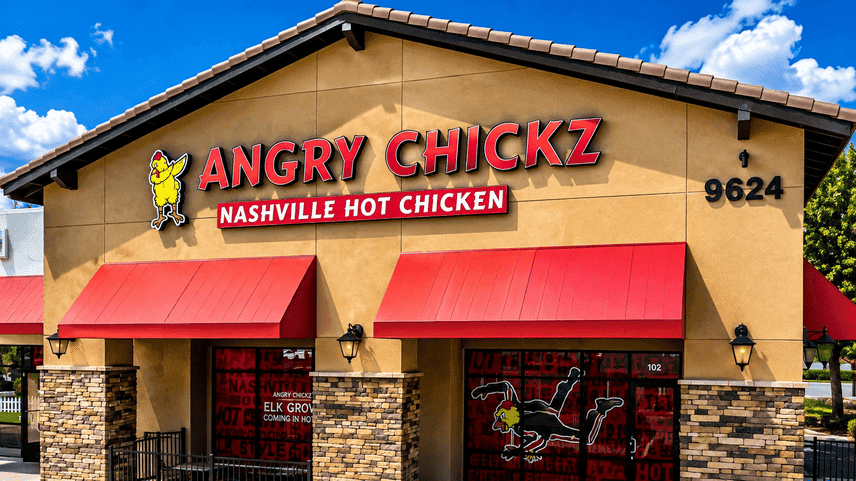
Nashville Hot Chicken Comes to Midwest
Angry Chickz enters Illinois with its signature hot chicken concept and ambitious plans for Midwest expansion, setting the stage for new franchise opportunities and community engagement.
News
Sep 2, 2026
Angry Chickz enters Illinois with its signature hot chicken concept and ambitious plans for Midwest expansion, setting the stage for new franchise opportunities and community engagement.
Sep 2, 2026
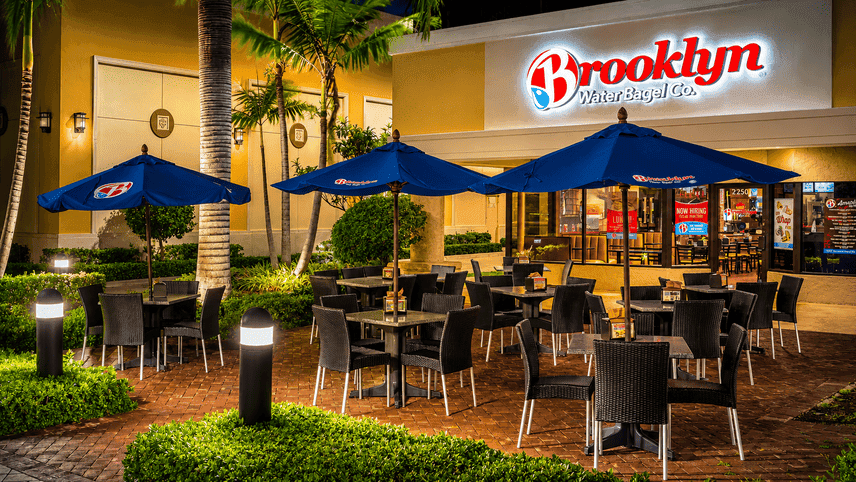
Brooklyn Water Bagel launches its first campus eatery at Nova Southeastern, signaling strategic growth and fresh potential for multi-unit operators seeking new market wins.
Sep 2, 2026
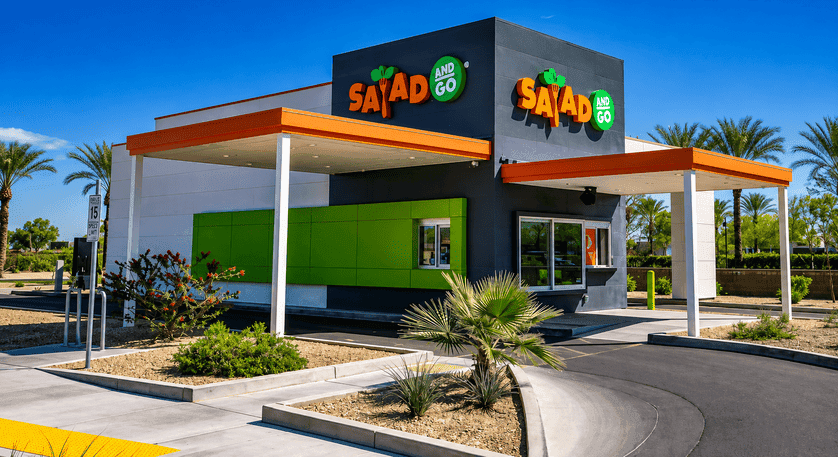
7 Brew has acquired 73 former Salad and Go locations, surpassing Dutch Bros with a $143M bid, signaling a major shift in the competitive landscape for drive-thru brands.
Sep 2, 2026
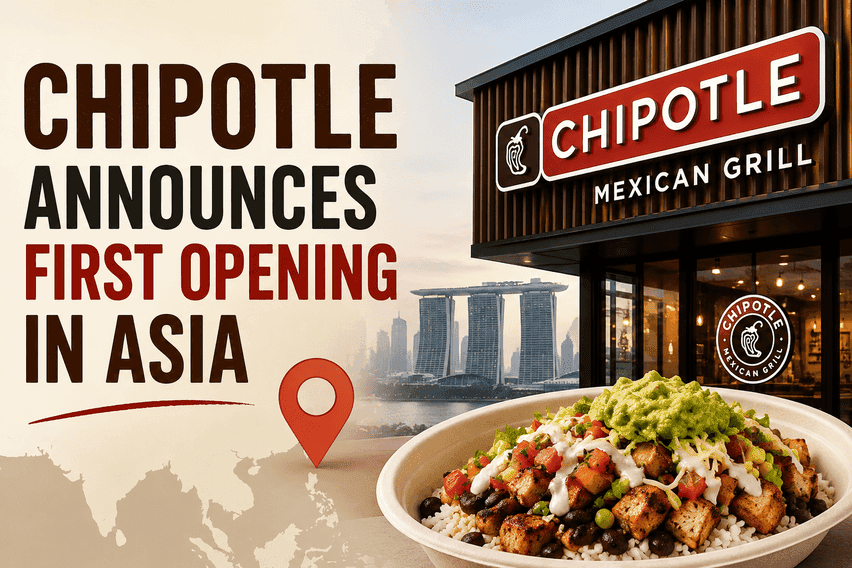
Chipotle makes its highly anticipated entry into Asia with a Seoul opening, partnering with Sangmidang Holdings and setting a template for future international growth.
Sep 2, 2026
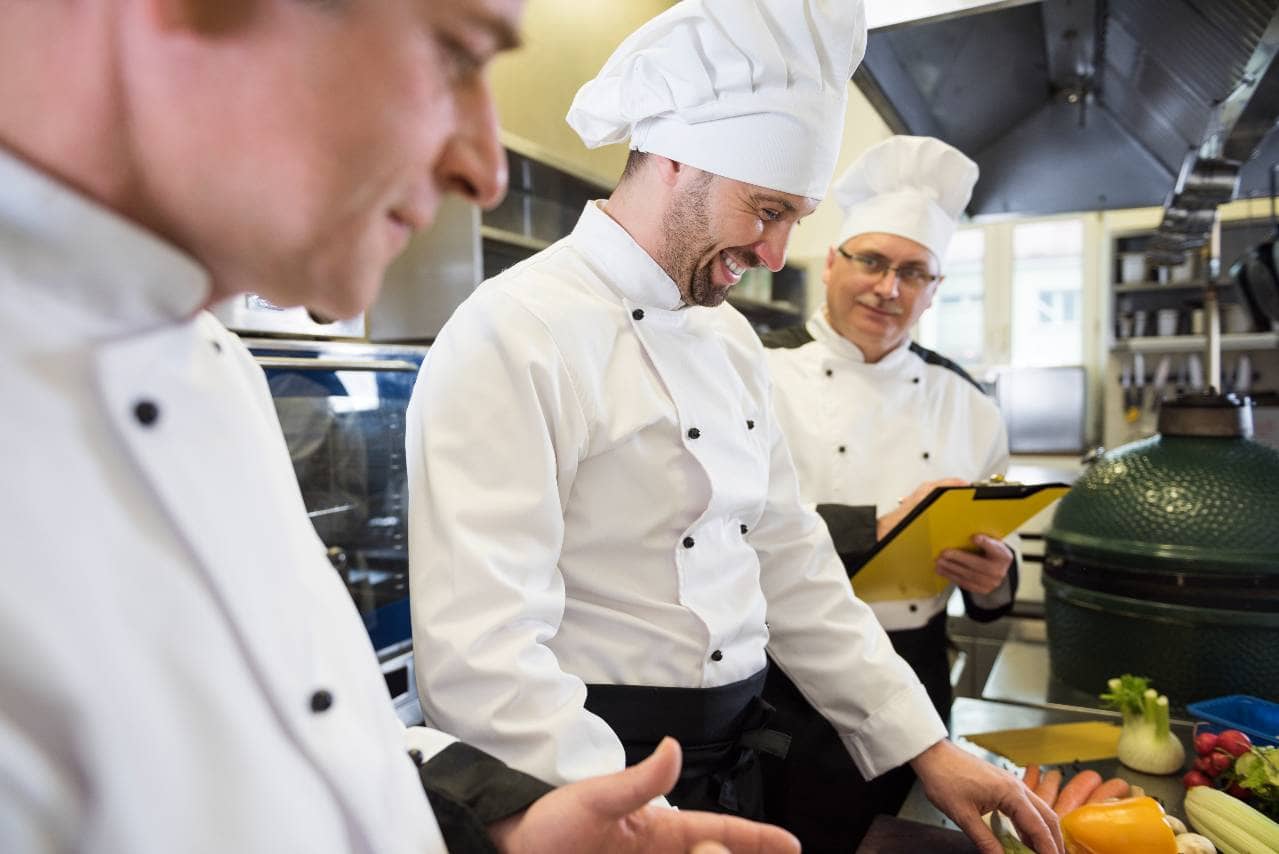
Restaurant labor management helps owners optimize staffing, control labor costs, improve productivity, monitor overtime, and maintain efficient restaurant operations.
Sep 2, 2026
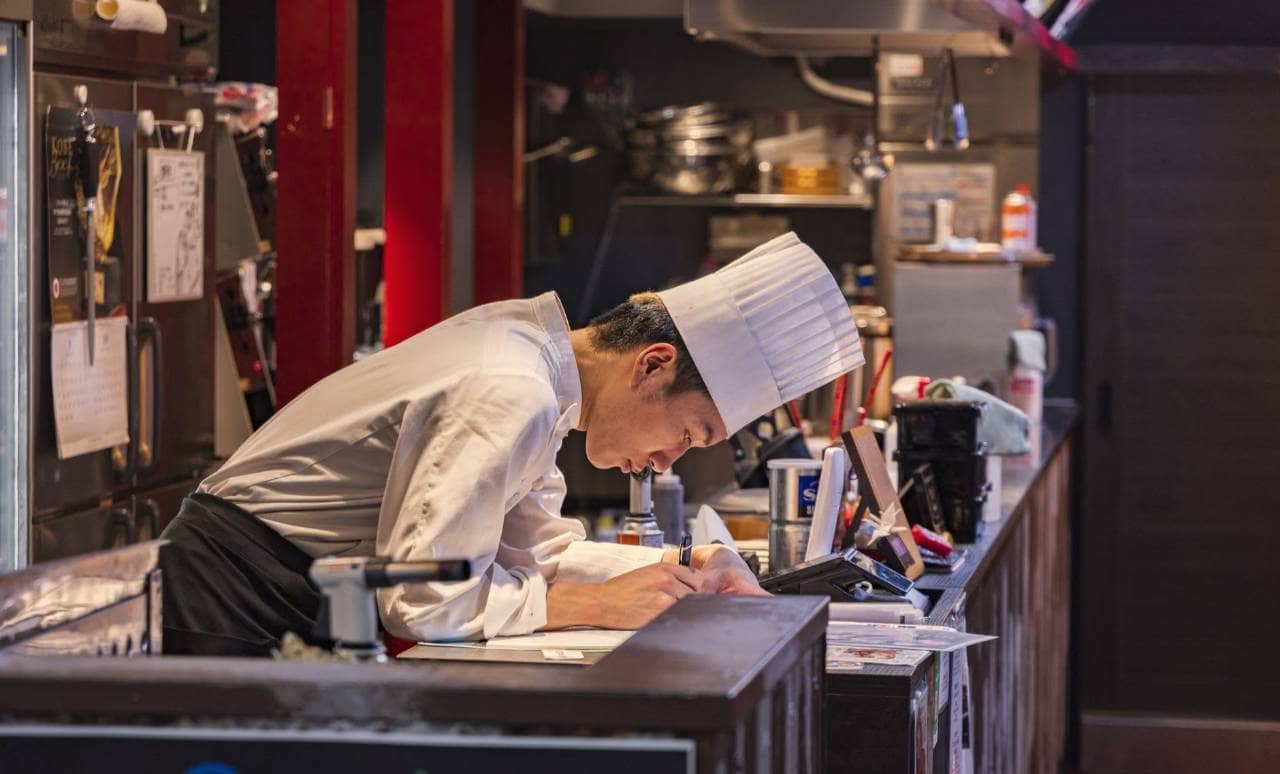
Learn how to calculate restaurant cost of goods using inventory, purchases, COGS percentage, variance reviews, and regular tracking for profitability.
Aug 31, 2026
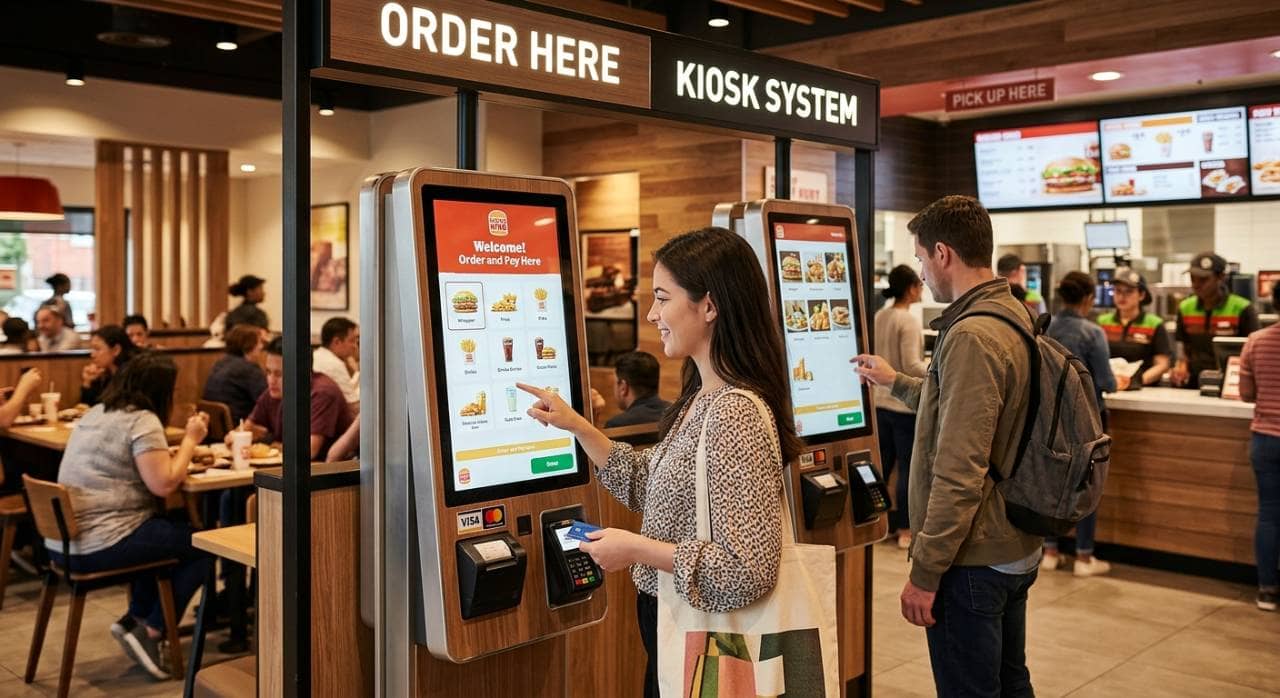
Understand how to evaluate a Kiosk system using key criteria including features, POS integration, hardware, pricing, customer experience, and support.
Aug 31, 2026

Explore restaurant technology trends in 2026, including AI, automation, digital ordering, workforce tools, connected kitchens, personalization, and profitability strategies today.
Aug 28, 2026
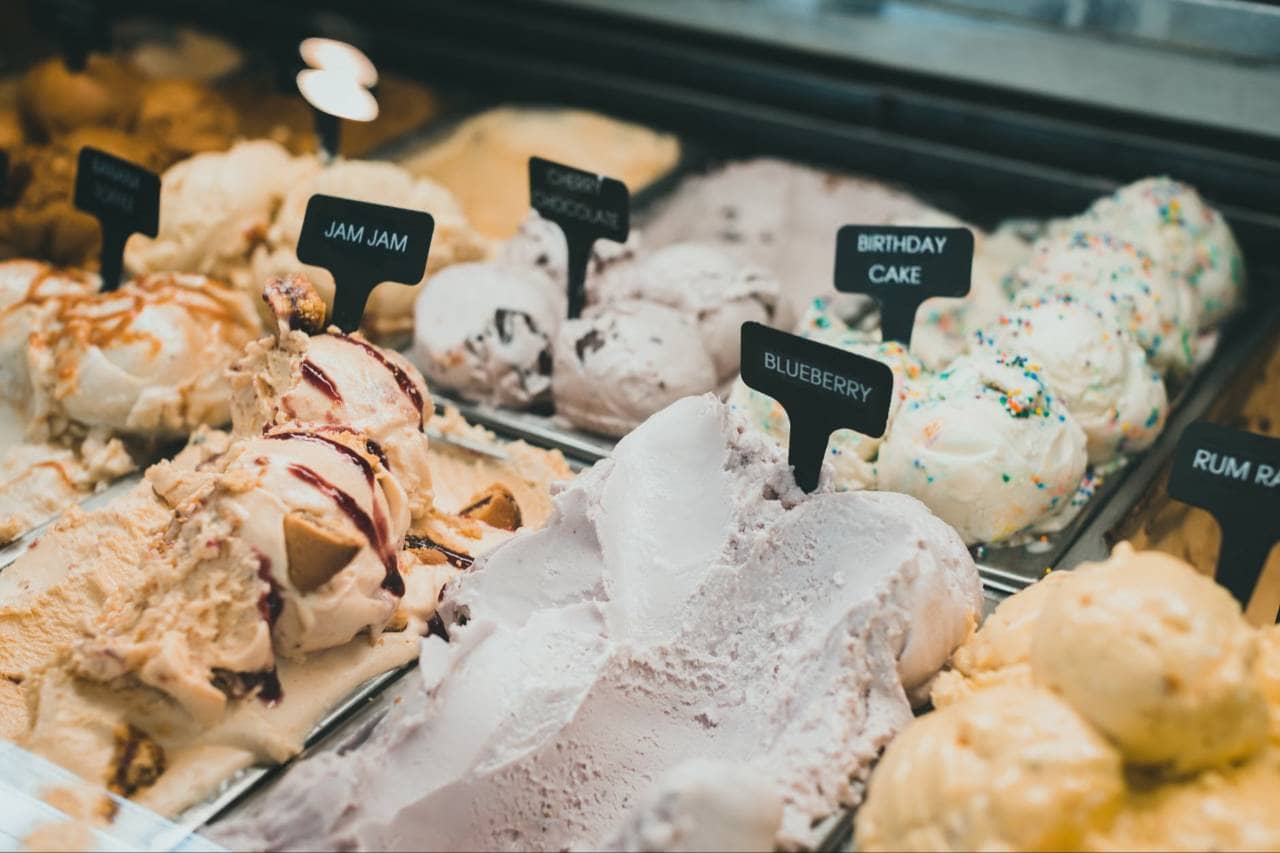
Learn the startup costs of opening an ice cream shop, including rent, equipment, renovations, permits, inventory, labor, marketing, and reserves.
Aug 28, 2026

A restaurant P&L statement reveals sales, expenses, and profits, helping owners manage costs, improve margins, and plan finances more effectively.
Aug 26, 2026

Unlock Exclusive Access To Webinars, Events, And The Latest News For Free!
Explore the key operational trends and challenges facing restaurants in 2025. Learn how technology and changing consumer preferences are shaping the industry.

Photo by Louis Hansel
In 2025, the restaurant industry is set to embrace a host of operational trends that will reshape the way businesses operate. One key trend is the increasing focus on technology integration, both in the back-of-house operations and in enhancing the consumer-facing experience. Restaurants are leveraging technologies like AI-powered automation, robotics, and data analytics to streamline processes, improve efficiency, and deliver personalized services to customers. By harnessing the power of technology, restaurants can optimize operations, reduce costs, and adapt to changing consumer demands.
Technology is not only revolutionizing operational efficiency but also transforming the way restaurants engage with their customers. In 2025, restaurants are leveraging digital tools to create more personalized and convenient experiences for diners. From mobile ordering and payment systems to AI-driven recommendation engines, technology is enabling restaurants to cater to the evolving preferences of tech-savvy consumers. By offering seamless digital experiences, restaurants can drive customer loyalty and differentiate themselves in a competitive market.
While technology presents promising opportunities for restaurants in 2025, it also brings its own set of challenges. One major obstacle is the need for significant investments in technology infrastructure and staff training to fully leverage its potential. Restaurants must navigate issues such as data security, integration complexities, and ensuring a balance between automation and human touch in service. However, the upside is tremendous, as restaurants that successfully integrate technology into their operations can gain a competitive edge, enhance customer satisfaction, and drive profitability.
Another crucial aspect of restaurant operations in 2025 is aligning with changing consumer preferences. Today's diners are seeking not only quality and affordability but also unique experiences and sustainability initiatives. Restaurants need to stay ahead of these trends by offering innovative menu items, incorporating locally sourced ingredients, and implementing environmentally friendly practices. By staying attuned to consumer preferences and market trends, restaurants can stay relevant and attract a loyal customer base.