Starbucks Restructures Workforce Amid Expansion Plan
Starbucks is making strategic staffing changes, laying off 200+ workers as it restructures operations and prepares for future growth in southern and eastern regions.
News
Aug 21, 2026
Starbucks is making strategic staffing changes, laying off 200+ workers as it restructures operations and prepares for future growth in southern and eastern regions.
Aug 21, 2026
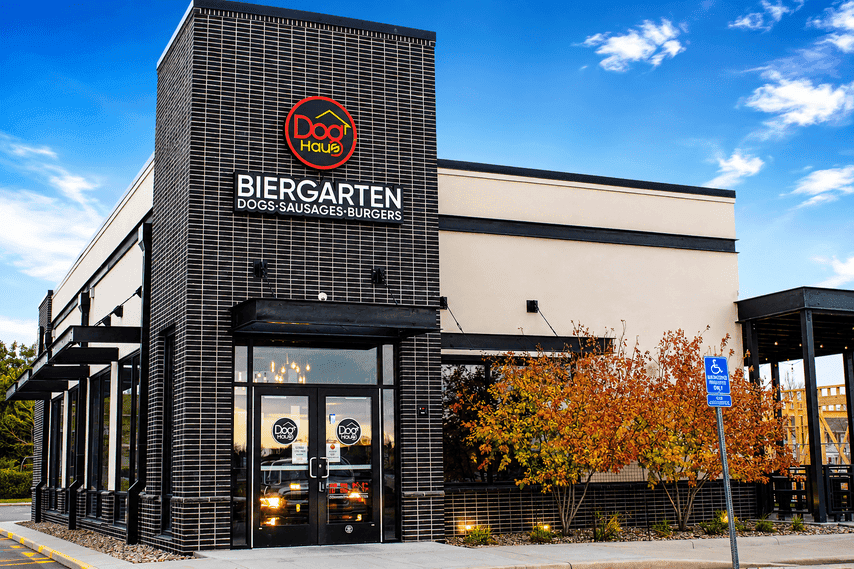
Dog Haus appoints James Field as chief marketing officer and promotes CJ Ramirez to chief experience officer, setting the stage for innovative brand growth and franchisee success in the national restaurant scene.
Aug 21, 2026

Panera Bread welcomes Andrew Rebhun as Chief Marketing Officer, succeeding Mark Shambura. Learn about his background at CAVA, El Pollo Loco, and McDonald's.
Aug 20, 2026

Learn how to open a restaurant with no experience by planning your concept, budget, location, team, operations, and successful launch.
Aug 19, 2026
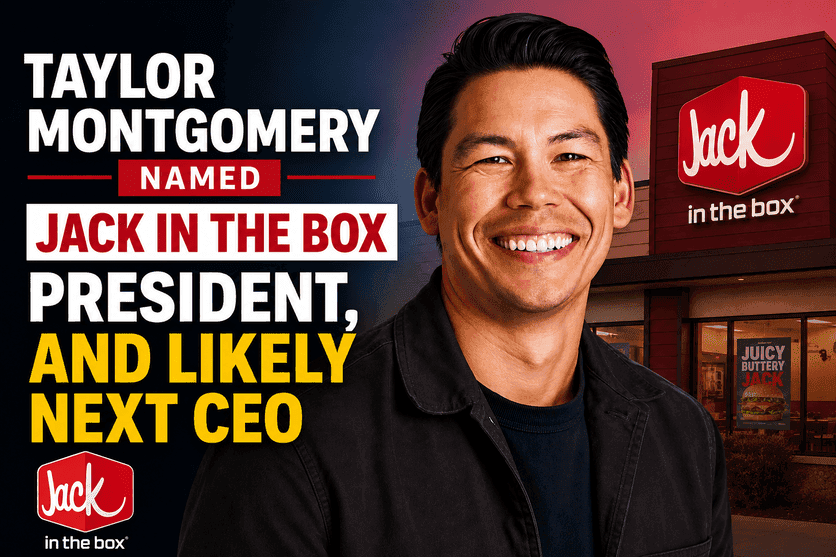
Taco Bell’s Taylor Montgomery has been appointed as President of Jack in the Box, positioning him to take over as CEO within a year - signaling major shifts for the QSR brand's future.
Aug 20, 2026

Payroll advances help restaurant owners give hourly employees earlier access to earned wages while maintaining accurate records, policies, and compliance.
Aug 19, 2026

Learn the eight essential steps of the restaurant payroll process, from tracking hours and calculating wages to payments and recordkeeping.
Aug 17, 2026

Explore the main types of ordering technology restaurants use to improve accuracy, speed, payments, customer convenience, and operational efficiency daily.
Aug 17, 2026
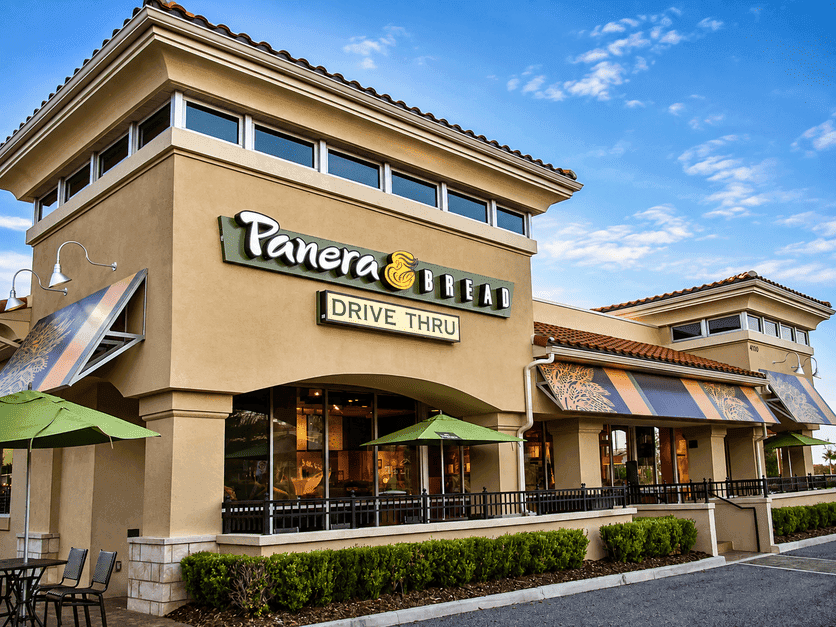
Panera Bread welcomes Andrew Rebhun as its new CMO to spearhead strategic brand growth and transformation, bolstering its vision for 2028.
Aug 17, 2026

Discover how restaurant SMS marketing works, from building subscriber lists and creating campaigns to improving engagement and measuring marketing performance.
Aug 14, 2026

Unlock Exclusive Access To Webinars, Events, And The Latest News For Free!
Learn how tariffs could impact the restaurant industry, causing supply chain disruptions and increased food costs. Discover strategies to mitigate these challenges.

Tariffs have the potential to significantly disrupt the supply chain for restaurant operators, leading to challenges in sourcing essential ingredients for their menus. With recent increases in the price of eggs and the looming threat of tariffs affecting key imports from countries like Mexico, Canada, and China, independent owners and chains are bracing themselves for possible cost escalations and logistical constraints.
Chipotle, a prominent fast-casual brand, exemplifies how restaurant chains are strategizing to mitigate tariff risks. By diversifying its sourcing locations to countries like Colombia, Peru, and the Dominican Republic, Chipotle aims to reduce its dependency on Mexican imports, thus minimizing the impact of potential tariffs. This proactive approach showcases the importance of supply chain flexibility in navigating uncertain economic conditions.
The current scenario underscores the significance of diversifying the supply chain for restaurant operators. By spreading their sourcing across multiple countries, businesses can mitigate the adverse effects of tariffs on specific regions. Diversification not only helps in securing the necessary ingredients but also enhances resilience against geopolitical uncertainties that may arise unexpectedly.
While tariffs pose a looming threat, restaurant operators are also grappling with other pressing challenges such as labor costs and employee retention. The data report highlights that both full-service and limited-service establishments are actively addressing labor and food expenses as key concerns for the industry. Balancing these variables alongside potential tariff impacts demands a holistic approach to operational management.
Restaurant operators can adopt several strategies to navigate the challenges posed by tariffs effectively. This includes closely monitoring market trends, renegotiating supplier contracts to mitigate cost fluctuations, and exploring alternative sourcing options to diversify their ingredient procurement. Additionally, investing in staff training and retention programs can help in retaining skilled employees amidst cost pressures.