
How to Start a Restaurant With No Experience
Learn how to open a restaurant with no experience by planning your concept, budget, location, team, operations, and successful launch.
Business Management
Aug 19, 2026
Learn how to open a restaurant with no experience by planning your concept, budget, location, team, operations, and successful launch.
Aug 19, 2026

Panera Bread welcomes Andrew Rebhun as Chief Marketing Officer, succeeding Mark Shambura. Learn about his background at CAVA, El Pollo Loco, and McDonald's.
Aug 20, 2026

Payroll advances help restaurant owners give hourly employees earlier access to earned wages while maintaining accurate records, policies, and compliance.
Aug 19, 2026

Taco Bell’s Taylor Montgomery has been appointed as President of Jack in the Box, positioning him to take over as CEO within a year - signaling major shifts for the QSR brand's future.
Aug 20, 2026

Explore the main types of ordering technology restaurants use to improve accuracy, speed, payments, customer convenience, and operational efficiency daily.
Aug 17, 2026

Learn the eight essential steps of the restaurant payroll process, from tracking hours and calculating wages to payments and recordkeeping.
Aug 17, 2026

Discover how restaurant SMS marketing works, from building subscriber lists and creating campaigns to improving engagement and measuring marketing performance.
Aug 14, 2026
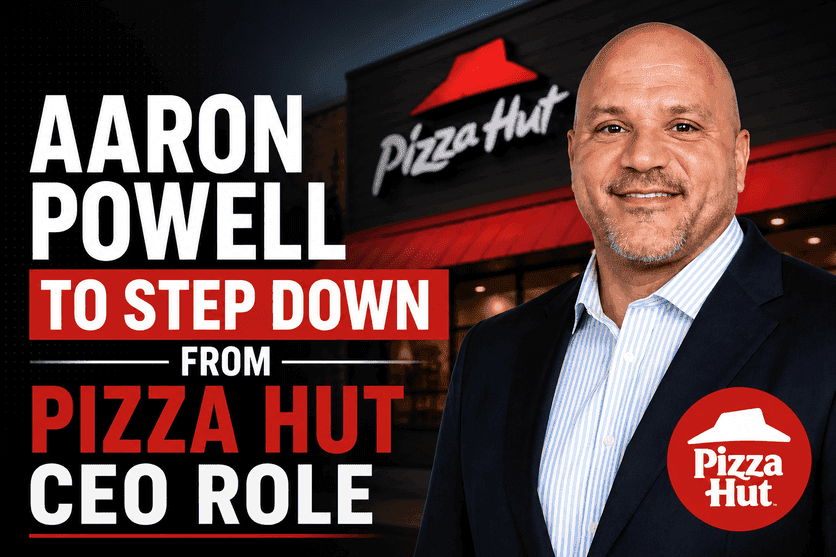
The transition of Pizza Hut's CEO, Aaron Powell, marks a pivotal moment for the chain and offers valuable leadership lessons for restaurant owners. Here’s what this executive change could mean for your business.
Aug 17, 2026

Panera Bread welcomes Andrew Rebhun as its new CMO to spearhead strategic brand growth and transformation, bolstering its vision for 2028.
Aug 17, 2026

Learn how to manage cash flow in your restaurant by tracking finances, controlling costs, forecasting needs, and building cash reserves.
Aug 14, 2026

Unlock Exclusive Access To Webinars, Events, And The Latest News For Free!
Explore the impact of the FTC's regulations on franchisors and their fee structures. Learn about the importance of transparency and compliance in franchise agreements.

Photo by m.

Photo by m.
The recent guidelines from the Federal Trade Commission regarding fees for franchisors underscore the importance of transparency in fee structures within the franchise model. Transparency is fundamental to fostering trust between franchisors and franchisees, ensuring fair practices, and protecting the interests of all parties involved. By providing clear and upfront information about fees, franchisors can build stronger relationships with their franchisees and promote a more sustainable and ethical business environment.

Photo by m.
The FTC's stance on fees has significant implications for franchise agreements, particularly concerning the ability for unilateral changes. While some argue that allowing unilateral changes is essential for adapting to market dynamics, others believe that such changes could potentially harm franchisees by imposing undisclosed fees or altering fee structures unexpectedly. Franchisors need to strike a balance between innovation and protecting the interests of their franchisees to maintain a mutually beneficial relationship.
One of the key challenges highlighted by the FTC is the potential negative impact of unilateral fee changes on smaller operators within the franchise system. Unilateral changes, especially when accompanied by undisclosed fees or unjustified increases, can create financial burdens for franchisees, affecting their profitability and sustainability. Franchisors must carefully consider the fairness and transparency of any fee adjustments to avoid creating disparities among franchisees.

Photo by m.
Matthew Haller's concerns about the FTC guidance restricting franchisors' ability to innovate emphasize the delicate balance between compliance and equity in the franchising industry. While innovation is essential for growth and adaptation, it should not come at the expense of fairness and equity for franchisees. Franchisors must proactively review their practices to ensure compliance with the law while also safeguarding the interests of their franchise partners.
The FTC's emphasis on prohibiting contractual terms that hinder franchisees from reporting potential law violations to regulators is aimed at promoting fairness and legal compliance within the franchising ecosystem. By enabling franchisees to communicate concerns without fear of reprisal, the industry can uphold ethical standards and accountability. This proactive approach not only protects franchisees but also fosters a culture of transparency and adherence to the law.
The industry's response to the FTC's guidance reflects a nuanced conversation on the balance between regulatory oversight and business innovation. While some view the regulations as necessary for safeguarding franchisee rights, others express concerns about potential restrictions on operational flexibility. As regulatory environments evolve, franchisors need to adapt their practices to comply with legal requirements while maintaining operational efficiency and competitiveness.