How to Manage a Restaurant Franchise Supply Chain
A strong franchise supply chain helps restaurant owners standardize products, control costs, track inventory, forecast demand, and manage suppliers efficiently.
Jul 6, 2026
A strong franchise supply chain helps restaurant owners standardize products, control costs, track inventory, forecast demand, and manage suppliers efficiently.
Jul 6, 2026
Discover the operational philosophy and guest experience behind Bad Daddy's Burger Bar, featuring insights from chef John Elliott on how the Southeast burger concept builds consistency, drives innovation, and elevates the American burger experience.
Jul 6, 2026
Quick-service restaurant visits dipped 4.4% in May, while diners gravitate toward full-service. Explore what's driving the trend and actionable insights for your operation.
Jul 6, 2026
Tiki Taco expands its Kansas City presence with a new Liberty-adjacent location, highlighting local growth, community ties, and what this means for restaurant operators watching rising independent brands.
Jul 6, 2026
Menu optimization helps restaurant owners improve pricing, reduce food waste, promote profitable items, simplify operations, and increase sales using data.
Jul 6, 2026
QR code menu helps restaurants update items faster, improve mobile ordering, reduce printing costs, and track customer behavior over time.
Jul 2, 2026
Jersey Mike’s plans an IPO, showcasing sharp growth and franchise strength - a move with ripple effects for restaurant owners watching industry trends.
Jul 2, 2026
McDonald’s welcomes Bryan Brown as chief development officer, leveraging his experience to drive store modernization and support the “NEXT” strategy for franchisees and teams.
Jul 2, 2026
White Castle and Garage Beer, two Ohio-based favorites, announce a summer collaboration with new promotions and products. Learn how restaurant owners can ride the LTO wave.
Jul 2, 2026
Learn how to build a restaurant catering system that attracts clients, improves margins, simplifies operations, and creates repeat revenue.
Jul 2, 2026
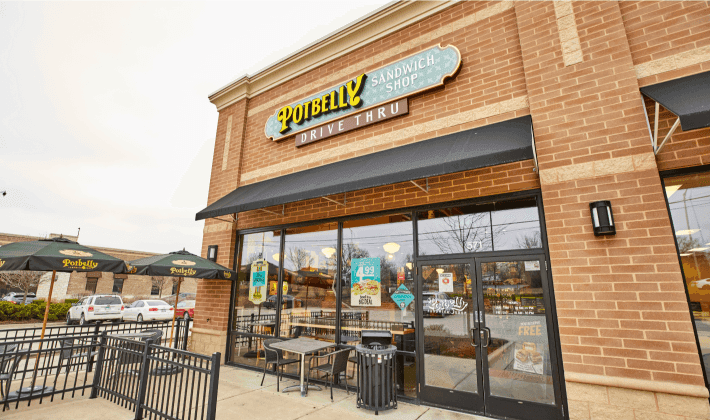
Potbelly’s five-year reset—digital makelines, a smaller 1,800-sq-ft box, and disciplined franchising—meets a RaceTrac partnership, with 3.2% Q2 comps signaling momentum amid risks.

Potbelly has spent the last five years rebuilding itself around operational discipline, a gentle, methodical reset that began when CEO Bob Wright arrived in 2020. The mood then was uncertain, months of sales declines and questions about financial obligations, and yet the response was notably clear: a five-point strategy aimed first at stability and then at speed. That plan prioritized franchised development for efficient expansion, menu enhancements to meet guests where their appetites were, and digital brand awareness to align with changing behavior. The heart of it lived inside the four walls, operational changes designed to lift throughput and unit economics, so a familiar sandwich shop could feel welcoming even as the back-of-house became sharper and faster. It set a soothing tone for the brand’s next chapter: keep the warmth, refine the rhythms, and let a steadier cadence carry growth forward.

From crisis to a five-point plan, Potbelly’s reset moved with deliberate steps. Inside the shops, the company retooled how orders flow, using the Potbelly Digital Kitchen to introduce a digital makeline that helps process online orders. Deployed over the past few years, it was a gentle but firm nudge toward modernity, streamlining throughput and improving accuracy without crowding out the brand’s familiar welcome. The cadence is straightforward: meet the guest in the digital moment, keep the line moving, and hold the quality line steady. In the small, everyday choices of service design, how tickets appear, how teams hand off items, how pace stays soothing but swift, the brand created space for growth to feel natural rather than forced. The operational spine settled in first so the guest experience could remain easy and unhurried on the surface.
The physical box evolved alongside the software. A 1,800-square-foot store, roughly 500 square feet smaller than traditional locations, now reduces construction and lease costs without sacrificing the brand experience. It’s the kind of design choice that feels efficient yet still inviting, like a well-arranged dining room where every table matters and the light falls softly in the right places. The operating logic is calm and compelling: push more orders through a better-designed system while lowering the fixed costs of the box. In practice, that means the digital makeline absorbing surges with grace and teams working within a tighter footprint that keeps steps short and service focused. Guests encounter the same cozy ritual, but behind the counter, there’s a quiet hum of precision supporting it.

"3.2% in Q2," described as making the brand "one of the few fast casual chains to see improvement in that key metric during the second quarter." That stat is less a trumpet blast than a steady heartbeat, the sign that throughput and accuracy, paired with a leaner box, are translating into healthier stores. It ties mechanism to outcome: if digital makelines lift speed and precision while smaller footprints trim cost, unit performance should improve. The reported growth suggests those pieces are moving in concert. Momentum, once the goal, is now a platform, sturdy enough to support the next layer of expansion without rushing the gentle cadence that gives the brand its warmth.
Enter RaceTrac, a partner positioned to open doors while protecting what feels distinctly Potbelly. The companies said they have "complementary strengths as multi-unit, multi-market consumer facing businesses including core capabilities in real estate, franchising, operations, food innovation and marketing." In practice, RaceTrac’s network can help the brand find locations and markets that suit its franchised development agenda and operational model. The guardrails are explicit and comforting: "RaceTrac’s strategy isn’t to put a Potbelly in all of its c-stores either," a stance that favors fit over ubiquity. The effect is reassuring, expansion that feels curated, not scattershot, so new shops can carry the same welcoming note as the originals. The partnership aims to translate process improvements into durable growth, one site at a time, where brand identity remains intact.

The operating model and real estate strategy are designed to slot together. The Potbelly Digital Kitchen, its digital makeline built to process online orders, complements the 1,800-square-foot prototype by enabling more transactions through a tighter box. That combination lowers construction and lease costs while protecting the guest experience the brand wants to scale. RaceTrac’s multi-market reach offers a thoughtful screen for site selection, turning internal improvements into market-facing advantages. In this approach, franchised development targets geographies where digital capacity, speed, and cost discipline can sustain unit economics. The companies are signaling growth that prioritizes fit over ubiquity, using site-by-site decisions to align throughput potential with the cost structure of a leaner footprint. It’s an architecture of expansion with a hospitable center.

Momentum does not erase risk. William Blair analyst Sharon Zackfia flagged geographic concentration, noting the brand’s footprint is centered in Chicago and that there is an "intense competitive environment" for restaurants. She also warned that wage inflation and third-party delivery fees could pressure margins, potentially offsetting gains from digital throughput or smaller builds. The caution lands gently but firmly: growth must carry its costs. Zackfia also highlighted a "nascent state of franchising development." The chain has signed "hundreds of commitments" but opened just six franchised stores last quarter, and franchised units account for "less than a quarter" of the base. Those markers don’t diminish the strategy; they define the work ahead. Converting commitments into openings, at a pace that keeps unit economics balanced, is the execution challenge. The stakes are visible in the careful pairing of speed and care that has shaped the turnaround so far.

Some details remain tucked away. The statements do not describe a timeline, site list, or location targets for any RaceTrac-assisted expansion. What is clear is that Potbelly is expected to remain a distinct brand and that RaceTrac does not plan deployment in all of its c-stores, parameters that keep the brand’s identity intact as the map widens. The conversation is anchored by noted sources, "William Blair analyst Sharon Zackfia said in a report emailed to Restaurant Dive" and "Wright told The Wall Street Journal." Even with that attention, the path forward depends on how quickly the franchising engine can convert commitments into openings while maintaining cost discipline. Wage inflation and third-party delivery fees present variable headwinds, the kind that can blunt the impact of operational gains if not managed carefully. The Q2 same-store sales lift offers a proof point, and the next test is whether that strength persists as the store base broadens beyond core geographies.

The turnaround playbook is as clear as it is comforting: "tighten the box, digitize the makeline, sharpen the brand, then match franchised development with disciplined real estate." With "complementary strengths" in real estate, franchising, operations, food innovation, and marketing, the partnership offers scaffolding to carry that playbook into more markets without defaulting to blanket placement. The cost structure of the 1,800-square-foot store is built for flexibility, and the Potbelly Digital Kitchen is built for speed and accuracy, a pairing designed to travel without losing its welcoming tone. The constraints remain equally clear: an "intense competitive environment," inflationary costs, and a "nascent state of franchising development" that must translate "hundreds of commitments" into consistent openings. The lesson so far is soothing in its simplicity: throughput, accuracy, and unit economics can move together. The implication ahead is that disciplined, fit-first expansion will determine how far and how fast the brand’s momentum carries, growth that feels curated, gentle, and true to the experience guests expect when they step inside for something warm and satisfying.