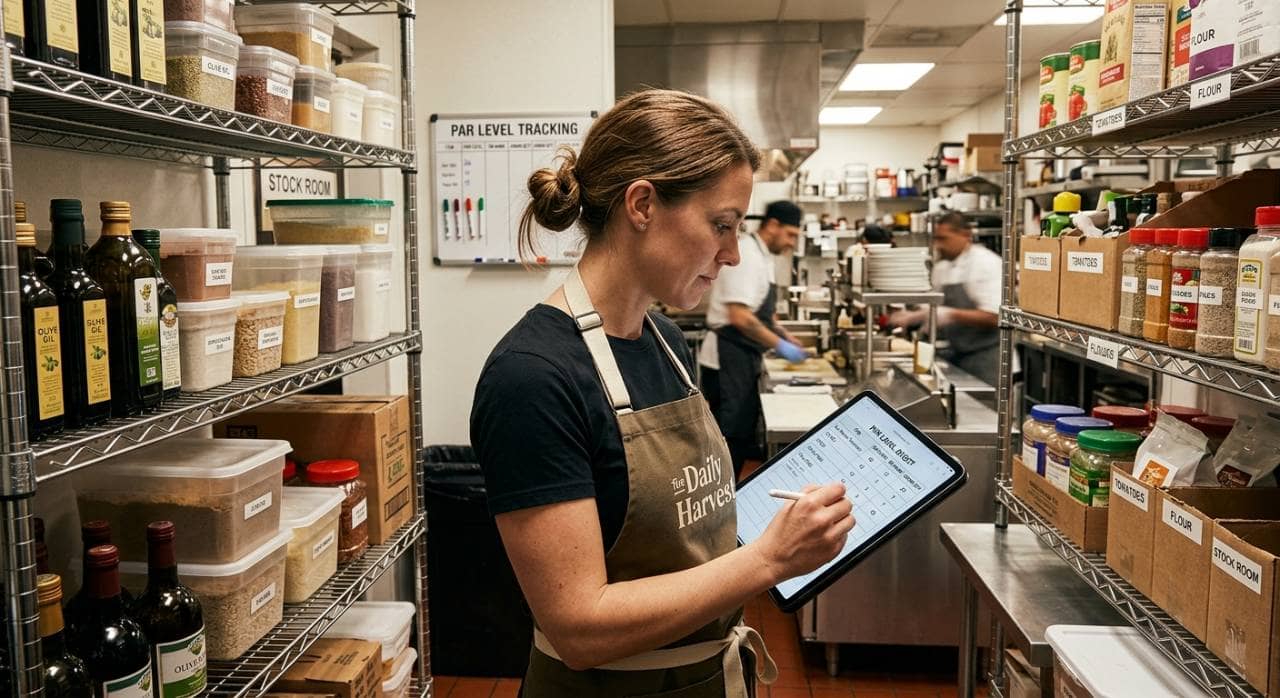
How to Set Par Levels for Restaurant Inventory
Learn to calculate par levels for restaurant food, beverages, and packaging inventory, preventing stockouts and waste through proper formulas.
Back Office
Sep 4, 2026
Learn to calculate par levels for restaurant food, beverages, and packaging inventory, preventing stockouts and waste through proper formulas.
Sep 4, 2026
Caribou Coffee appoints Zane Thomas-Rogers as Chief Operations Officer to strengthen execution across its expanding coffeehouse network.
Sep 4, 2026
Compare the top 10 restaurant POS systems in the USA for 2026. Explore features, pricing, pros, cons, and the best POS options for every restaurant type.
Jul 1, 2026

Learn how to handle restaurant payroll yourself, from calculating hours and wages to managing tips, taxes, and final paychecks.
Sep 2, 2026
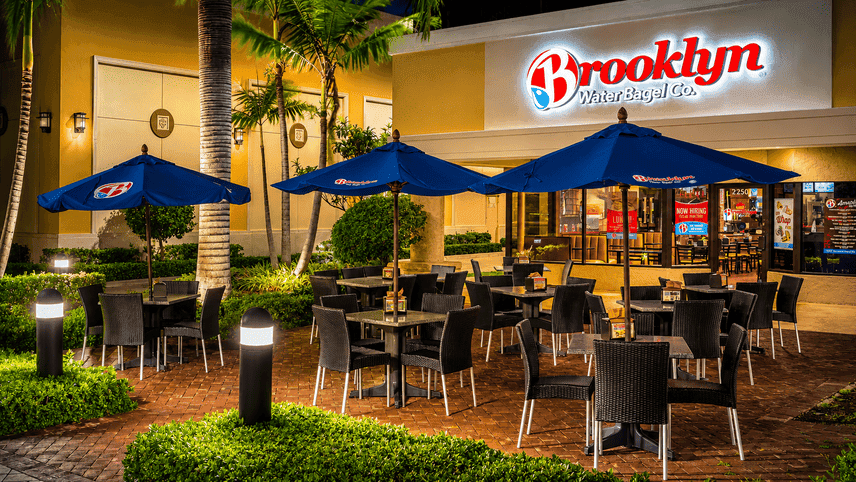
Brooklyn Water Bagel launches its first campus eatery at Nova Southeastern, signaling strategic growth and fresh potential for multi-unit operators seeking new market wins.
Sep 2, 2026
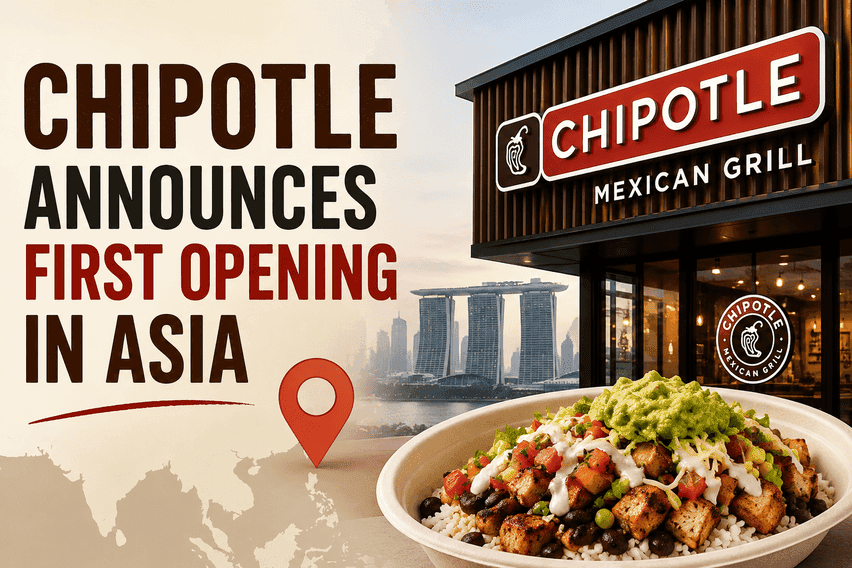
Chipotle makes its highly anticipated entry into Asia with a Seoul opening, partnering with Sangmidang Holdings and setting a template for future international growth.
Sep 2, 2026
Restaurant labor management helps owners optimize staffing, control labor costs, improve productivity, monitor overtime, and maintain efficient restaurant operations.
Sep 2, 2026
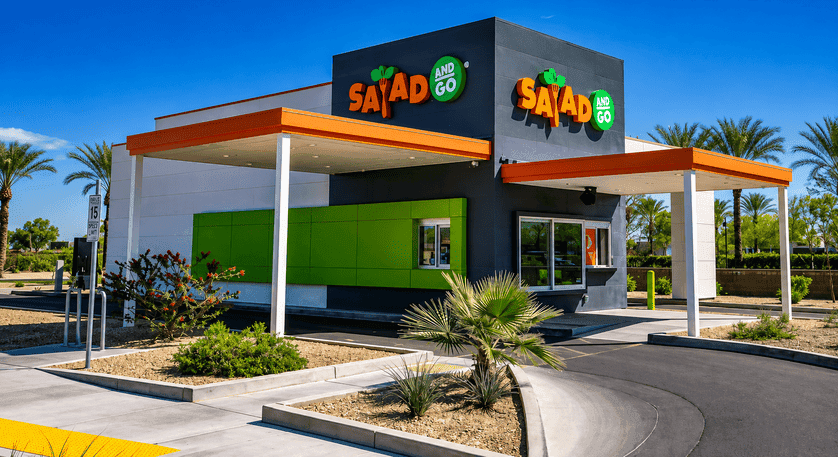
7 Brew has acquired 73 former Salad and Go locations, surpassing Dutch Bros with a $143M bid, signaling a major shift in the competitive landscape for drive-thru brands.
Sep 2, 2026
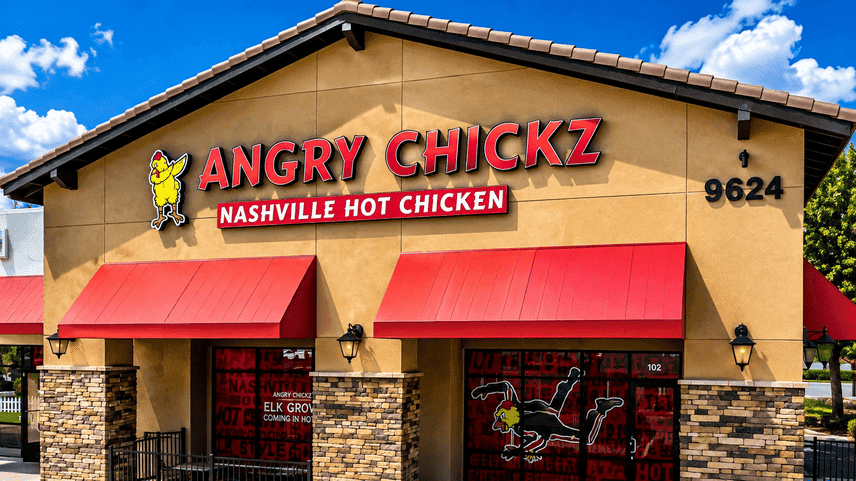
Angry Chickz enters Illinois with its signature hot chicken concept and ambitious plans for Midwest expansion, setting the stage for new franchise opportunities and community engagement.
Sep 2, 2026

Explore restaurant technology trends in 2026, including AI, automation, digital ordering, workforce tools, connected kitchens, personalization, and profitability strategies today.
Aug 28, 2026

Unlock Exclusive Access To Webinars, Events, And The Latest News For Free!
QDOBA targets 2,000 restaurants in 10 years, powered by franchising and recent securitizations, aiming for $5B sales, $2.7M AUV, and 28% margins.

Photo by Adhitya Sibikumar
QDOBA Restaurant Corporation is pressing the accelerator. The company is plotting a rapid march to 2,000 restaurants over the next decade, leaning on a larger franchise base and fresh capital to carry the load. At the ICR Conference, CEO John Cywinski said “many, many more” QDOBAs were coming, and he laid out targets that would recast the brand’s scale: $5 billion in systemwide sales, $2.7 million average-unit volumes, a 28 percent store-level EBITDA margin and a $200 million national marketing fund. Ambition of that size rests on a long record of consistency, with same-store sales growth in 19 of the past 22 years across 2004 to 2025.
The architect behind this phase is Cywinski, a former Applebee’s brand president who took charge of Modern Restaurant Concepts in January 2023. He labeled QDOBA a “diamond in the rough” built to occupy whitespace between the pizza and chicken categories. The brand’s roots reach back to 1995 as Zuma Fresh Mexican Grill, followed by two rebrands, first as Z-TECA in 1997 and then QDOBA Mexican Grill in 1999. Expansion came early, with 200 units by 2005, then steadier growth to clear 600 in 2011. Today there are 865 units, a fraction of the 3,934 at Chipotle and 7,784 at Taco Bell at year-end 2025, leaving the Mexican fast casual field underpenetrated and open for a bold mover.
The playbook leans hard into franchising and financing. Over the past three years, QDOBA shifted to an 85 percent franchise mix, up from 55 percent in 2021, and executed triple-digit refranchising in 2023 while partnering with large multi-brand operators. As of early 2026, the brand had more than 650 restaurant commitments on the books, including 50 openings tied to deals in Atlanta and Nashville. Key partners include 7 Star Eats, North Fork Fresh Mex, Barry Dubin, Mark Cafua, Thrive Restaurant Group and The Rose Group.
The capital stack has been rebuilt to match the pace: a $305 million inaugural securitization closed in late 2023, followed by a $435 million whole business securitization on May 27, 2026 through Qdoba Funding LLC, comprising $360 million of senior notes and a $75 million variable funding note. A $527 million continuation fund raised in 2025 allowed early investors to cash out and back expansion. Legal advisors from Kirkland & Ellis, including Janette McMahan and Micheal Urschel, represented QDOBA on the most recent transaction.
Cywinski points to fundamentals as the bedrock of this sprint, emphasizing that a large underpenetrated category and decades of comp growth form the rationale, and that unit development and density will drive both sales and margins. At ICR he promised “many, many more” locations and set the bar with those $5 billion, $2.7 million and 28 percent targets, supported by a $200 million national marketing fund.
Butterfly Equity Managing Director Francesco D’Arcangelo called the May 27, 2026 securitization an “exciting milestone” that offers additional flexibility to accelerate growth and modernize operations. The momentum follows a long ownership arc, from Jack in the Box’s 2003 purchase at 85 stores for $45 million and 2018 sale for $305 million, to a four-year run under Apollo Global Management, then Butterfly Equity’s October 2022 acquisition via Modern Restaurant Concepts.

The market is giving this thesis room. According to Technomic’s Top 500 Chain Restaurant Report, the limited-service Mexican category generated $35.1 billion in U.S. sales in 2025, up 4.7 percent year over year and outpacing pizza for the second straight year. Fast casual overall posted $77 billion in systemwide chain sales in 2025, a 6 percent rise, even as growth moderates with maturation. Consumers are gravitating to authenticity and experiential dining, which favors brands that can modernize without losing the flavors and formats guests expect.
QDOBA still has a visibility gap, with only 43 percent of Americans recognizing the brand and awareness under 40 percent in the South, Southeast, Northeast and West Coast regions. Density will be a lever, since markets with one to three locations average $1.6 million AUVs and 21.2 percent EBITDA margins, while clusters of 12 or more restaurants deliver $1.9 million AUVs and 29.6 percent margins. Hitting $2.7 million AUV and a 28 percent margin will hinge on media investments, clustering strategy and franchisee performance.
What comes next is a test of execution at scale. QDOBA’s mix of experienced operators, ample underpenetrated markets and robust financing positions it to potentially reshape the Mexican fast casual field. Success will depend on sustaining same-store sales gains, lifting brand awareness through increased marketing contributions, and delivering on development agreements across diverse geographies. If the company reaches 100 annual openings and climbs to 2,000 units within ten years, it would earn a more central seat beside incumbents while creating attractive returns for franchisees and investors alike.