
DoorDash's $425M Bet on Campus Dining, Robot Kitchens
DoorDash pays $425M for Wonder's campus dining platform and a stake in Wonder, betting on robotic kitchens and institutional foodservice growth.
Industry Trends
Sep 16, 2026
DoorDash pays $425M for Wonder's campus dining platform and a stake in Wonder, betting on robotic kitchens and institutional foodservice growth.
Sep 16, 2026
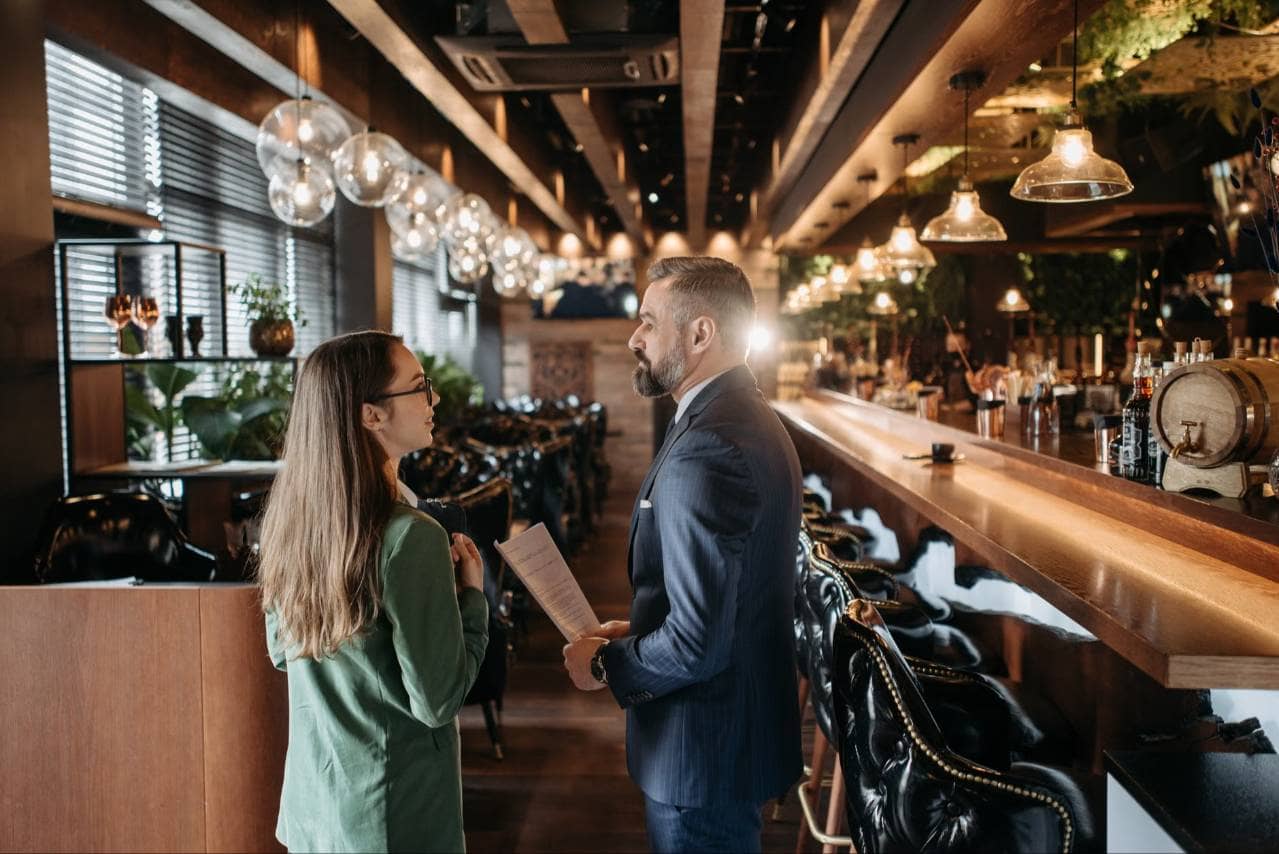
Discover the most common reasons restaurants fail, including inconsistent food quality and pricing mistakes, plus practical ways to avoid them.
Sep 16, 2026
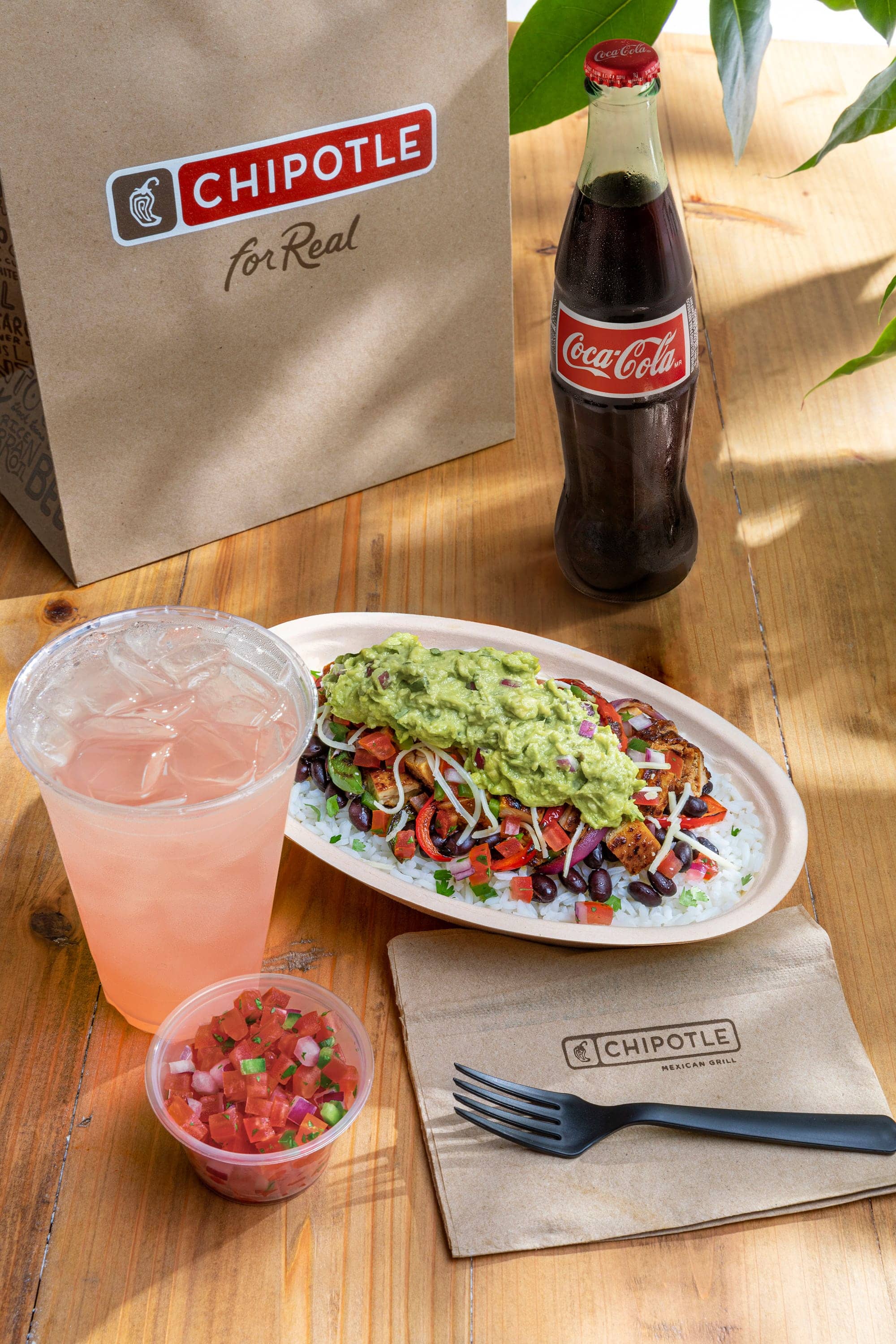
Chipotle names former KFC global CEO Sabir Sami to its board as the chain expands into Mexico, Saudi Arabia, and South Korea.
Sep 15, 2026

LeBron James joins Mike's Red Tacos as an investor, backing the birria chain led by Blaze Pizza and Dave's Hot Chicken veteran Bill Phelps.
Sep 15, 2026

Practical payroll compliance checklist for restaurant owners covering wage rules, tips, overtime, taxes, deductions, and recordkeeping to reduce legal risk.
Sep 14, 2026
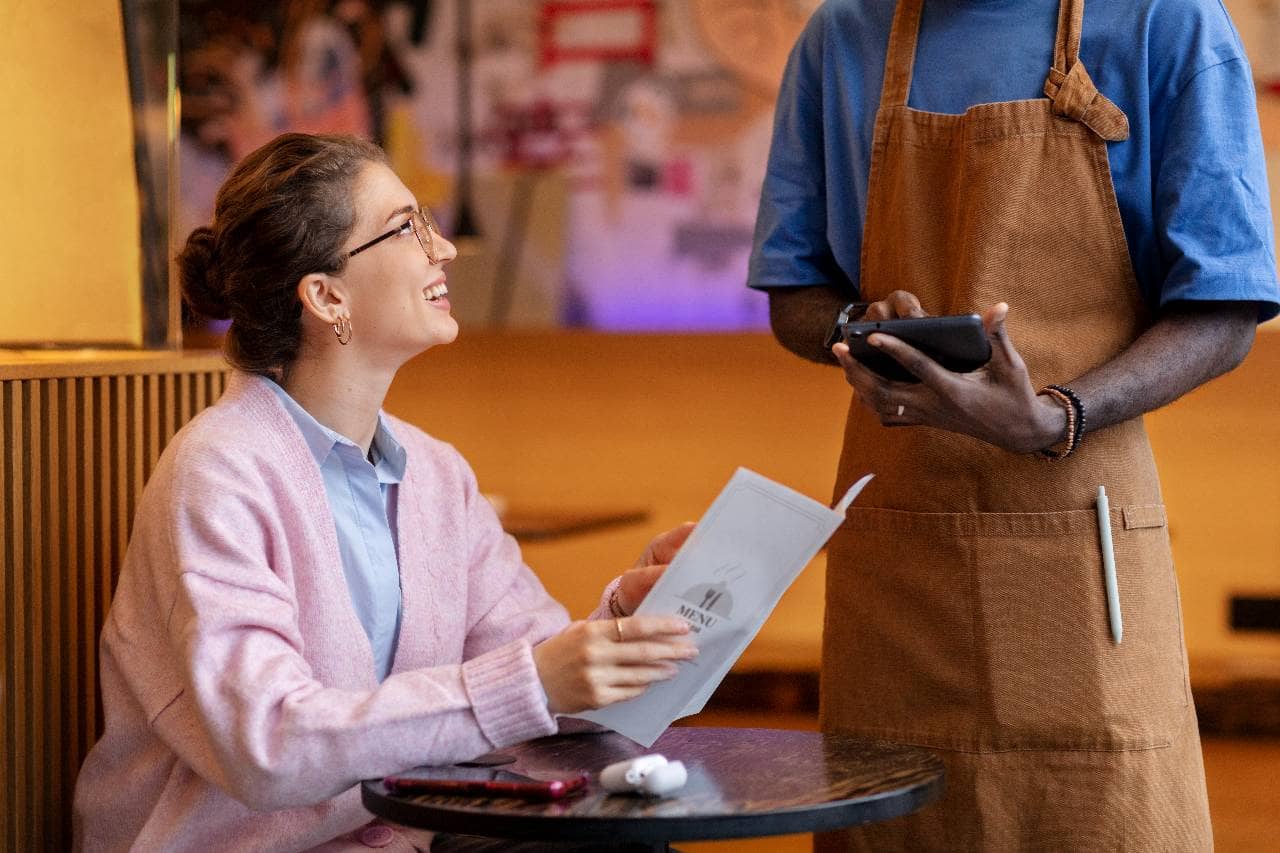
Discover practical promotion ideas - time-based deals, loyalty programs, local partnerships, and digital marketing - to boost restaurant foot traffic consistently.
Sep 14, 2026

Lucy Brady joins Jamba as president to lead digital-first growth strategy. GoTo Foods restructures leadership to strengthen franchise platform capabilities.
Sep 14, 2026
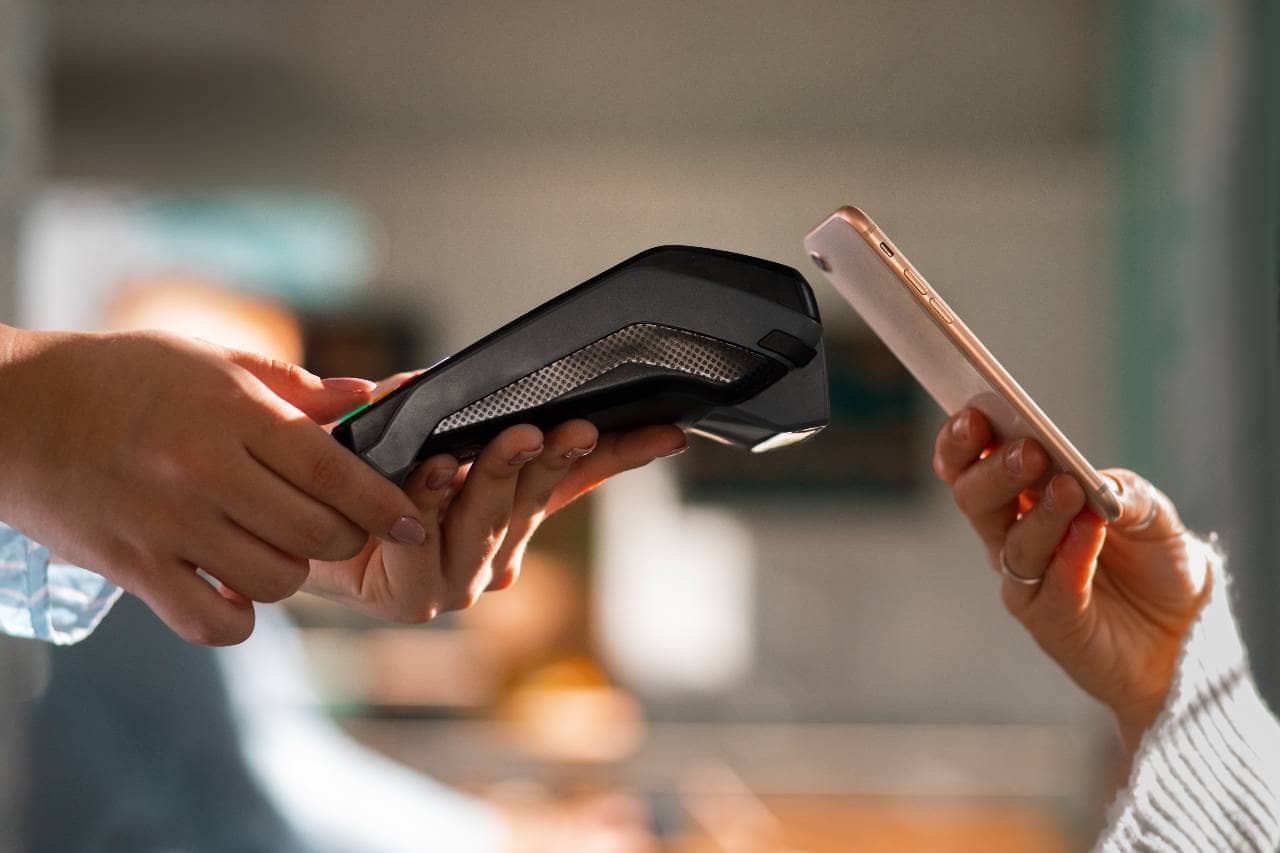
Contactless payment offers restaurants faster transactions, better security, and improved customer experience, making it a valuable, worthwhile technology investment today.
Sep 11, 2026

Pei Wei Asian Kitchen named Best Fast-Casual Chain in Reviewed 2026 Awards, reflecting shift from price competition to quality and transparency.
Sep 11, 2026

O'Charley's shuttered all corporate restaurants nationwide on September 9, 2026, ending its 55-year legacy as a casual-dining regional powerhouse.
Sep 11, 2026

Unlock Exclusive Access To Webinars, Events, And The Latest News For Free!
Restaurants race to modernize POS as mobile wallets surge, cloud adoption grows, drive-thru integrations expand, and costs and interoperability shape strategic selection.

Photo by SpotOn
Restaurants are rebuilding the nerve center of service at speed. Global spending on restaurant POS systems reached $21.8 billion in 2024 as operators chase frictionless ordering and payments. Mobile wallets now account for 20% of in-store transactions, the fastest-climbing tender in hospitality, and a bright signal that the counter has gone decisively digital.
The pressure is not abstract. Venues have moved from monochrome terminals to touchscreens that knit together in-person, online, and catering orders while handling cash, card, and digital wallets in stride.
Consumers have shifted with them, with more than half reporting recent restaurant purchases via their smartphones. According to DoorDash, 70% of U.S. diners now order delivery online, and industry surveys indicate that 52% of U.S. consumers consider takeout an “essential part of their lifestyle.” Gen Z is pushing flexibility further, with 66% of Gen Z diners now paying with digital wallets in restaurants.
The vendor bench is broad, with Square, Lightspeed, TouchBistro, Clover, Toast, SpotOn, and Revel anchoring a crowded field.
The modern restaurant POS acts as a unified hardware and software hub. Staff take customized orders tableside or at the counter, route tickets to kitchen displays or printers, and plug in loyalty, inventory, and payroll. Deployment choices span locally installed legacy systems, cloud-based platforms, and hybrids, while mobile POS on tablets or smartphones speeds tableside service and line busting.
Cloud-based systems accounted for 67.3% of global POS deployments in 2025, leaving on-premises solutions with 32.7% as operators weigh flexibility against offline reliability. Vendor strategies reflect the same tide, with 78% of POS providers now offering at least one cloud-based product.
High-volume formats are setting the tempo for feature integration.
Co-founder Steve Fredette of Toast described the April 2026 rollout of its unified Drive-Thru solution as “By seamlessly integrating POS, KDS, outdoor digital menu boards, and AI voice ordering partnerships, Toast Drive-Thru gives operators the tools they need to keep pace with peak demand today, and the flexible foundation required to adopt new innovations in the future.” Technomic Ignite data shows there are just over 140,000 drive-thru locations across U.S. restaurants, a sheer scale that demands orchestration as tight as a well-run kitchen line.
Growth forecasts mirror the urgency. The global restaurant POS software market reached $11.75 billion in 2025 and is forecast to exceed $21.62 billion by 2033, reflecting a compound annual growth rate of 7.9%.
Within the full-service category, cloud-based solutions generated $4.46 billion and captured 65.1% of the market in 2025. North America led the restaurant POS market with 61.7% of installations in 2025, a reflection of aggressive digitization across the region.
Friction remains, though. Divergent data models and integration standards still impede interoperability, and veterans note that each platform’s unique schema for orders and modifiers forces add-on developers to rebuild logic for every system, creating high switching costs and reinforcing fragmentation rather than consolidation. On-premises POS solutions still hold a significant 38.3% global revenue share in 2025, largely among enterprise chains and fine-dining operators that prize data sovereignty.
Costs can quietly erode margins if not modeled with care. In 2026, software subscription fees typically range from $99 to $400 per terminal each month, hardware investments run between $300 and $1,500 per station, and payment processing costs average 2.4% to 3.5% per card transaction. A restaurant POS system typically costs between $300 and $2,500+, depending on the type and features.
Free or low-cost entry plans still hinge on processing margins, and optional modules for loyalty, online ordering, or inventory can add $20 to $80 per month. Installation and training span from $200 for remote setups to upwards of $2,000 for comprehensive onsite services.
Selection now carries strategic weight that reaches beyond the front counter. As Kadence Edmonds of Epos Now advises, “Instead of making the decision based on cost alone, you will need to evaluate the value a modern, cloud-based restaurant POS system adds to your business.”
Restaurants that rigorously scope requirements and choose adaptable solutions will be best positioned to streamline operations and drive future growth.

