Mountain Mike's Pizza Names Sheena Dougher CMO
Mountain Mike's Pizza hires Jack in the Box veteran Sheena Dougher as CMO to drive national growth while preserving its regional brand identity.
Franchising
Sep 17, 2026
Mountain Mike's Pizza hires Jack in the Box veteran Sheena Dougher as CMO to drive national growth while preserving its regional brand identity.
Sep 17, 2026

From fixed costs to contribution margin, learn exactly how to calculate your restaurant's break even point with confidence.
Sep 16, 2026

DoorDash pays $425M for Wonder's campus dining platform and a stake in Wonder, betting on robotic kitchens and institutional foodservice growth.
Sep 16, 2026
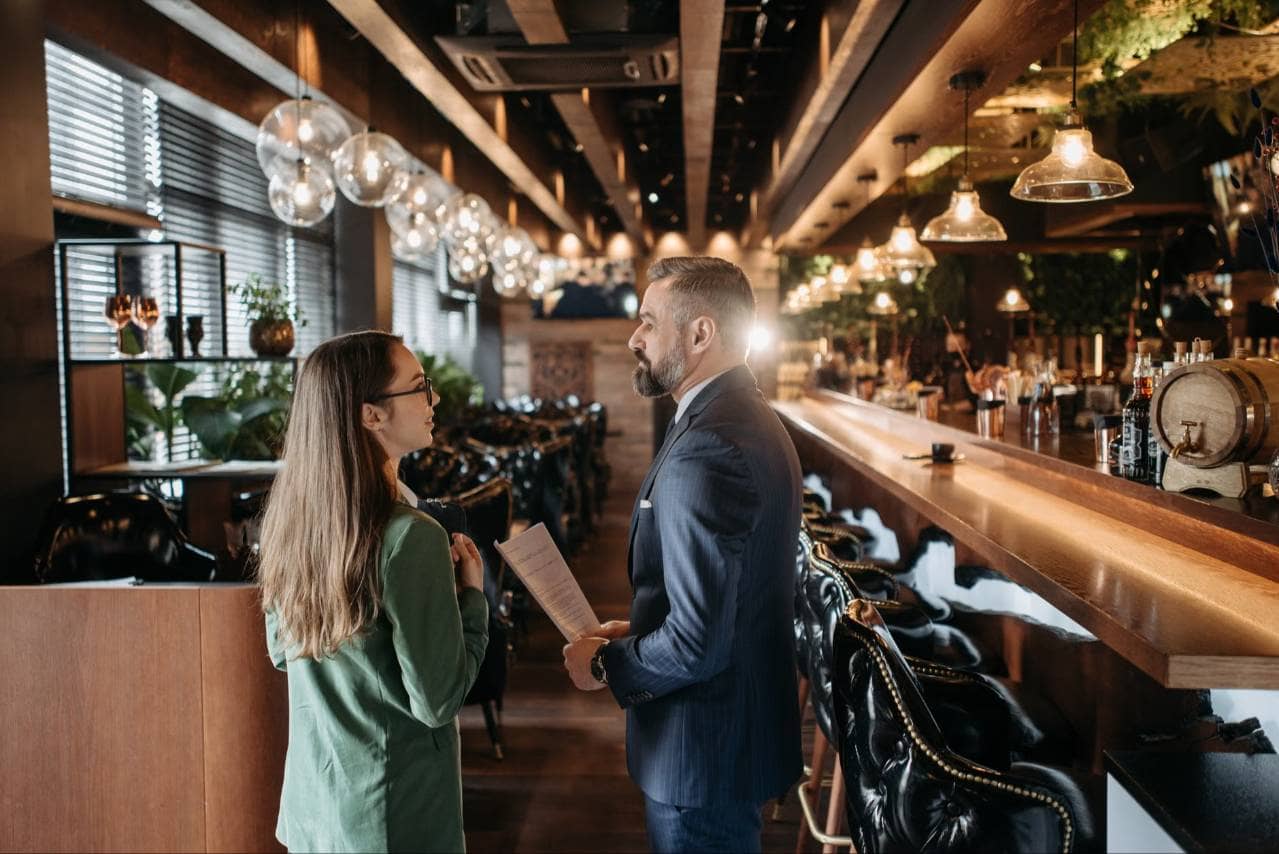
Discover the most common reasons restaurants fail, including inconsistent food quality and pricing mistakes, plus practical ways to avoid them.
Sep 16, 2026
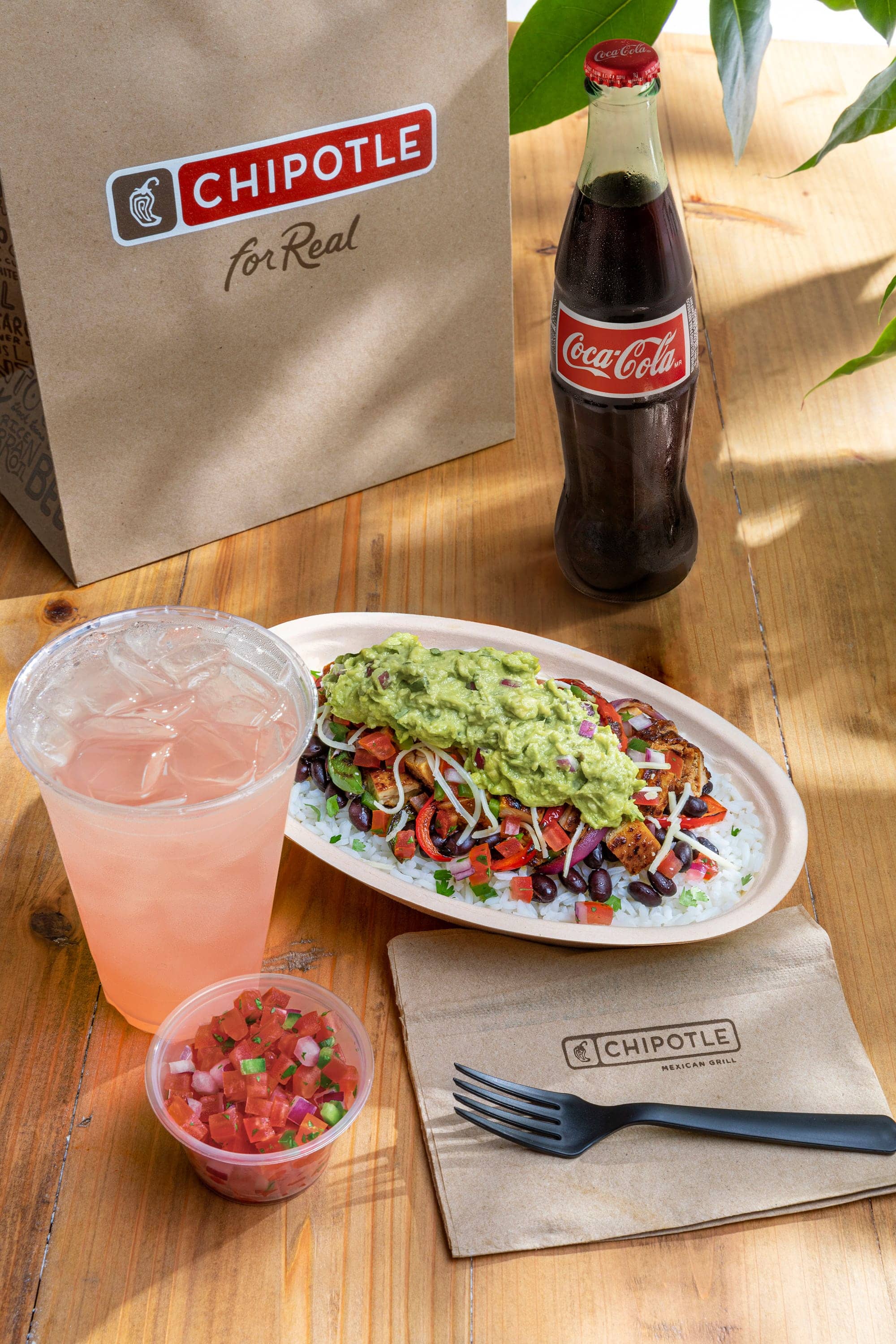
Chipotle names former KFC global CEO Sabir Sami to its board as the chain expands into Mexico, Saudi Arabia, and South Korea.
Sep 15, 2026

LeBron James joins Mike's Red Tacos as an investor, backing the birria chain led by Blaze Pizza and Dave's Hot Chicken veteran Bill Phelps.
Sep 15, 2026

Practical payroll compliance checklist for restaurant owners covering wage rules, tips, overtime, taxes, deductions, and recordkeeping to reduce legal risk.
Sep 14, 2026
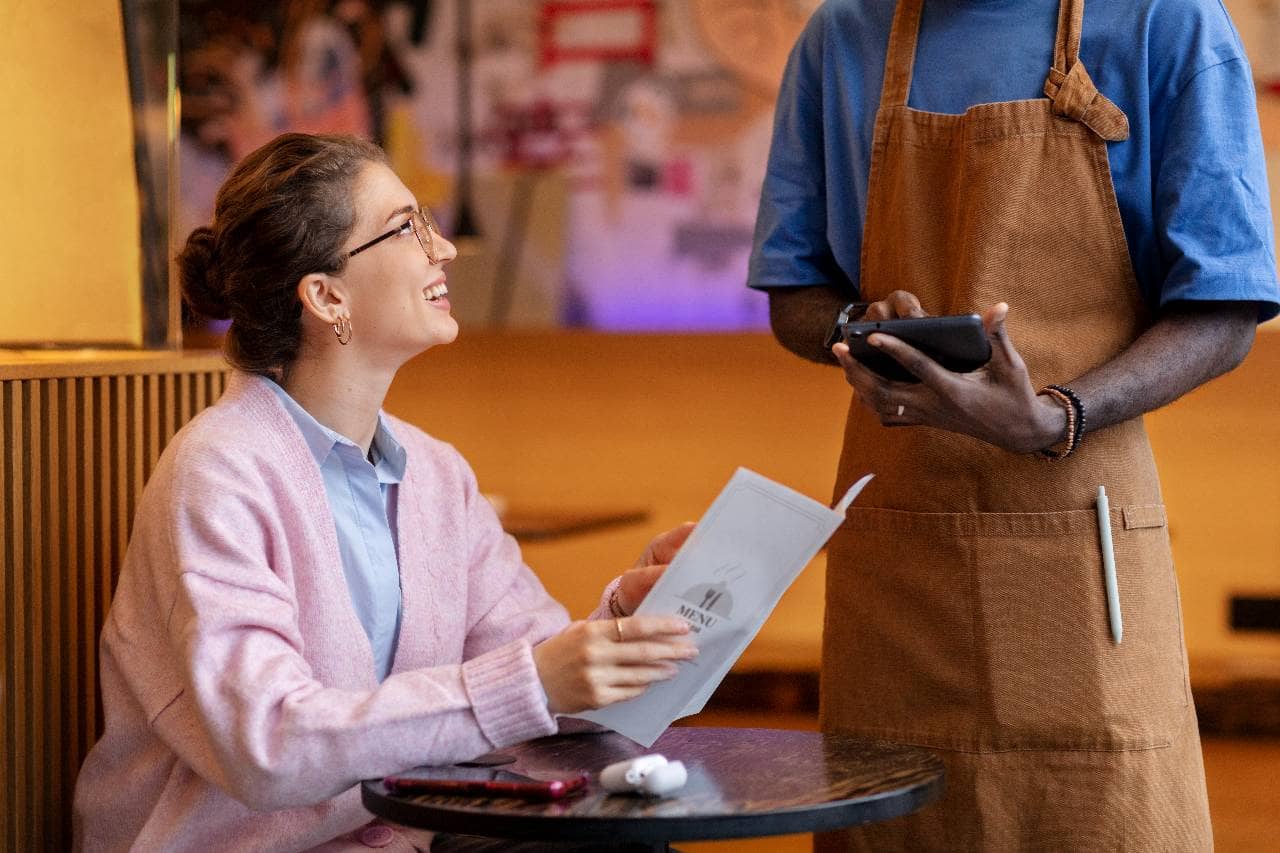
Discover practical promotion ideas - time-based deals, loyalty programs, local partnerships, and digital marketing - to boost restaurant foot traffic consistently.
Sep 14, 2026
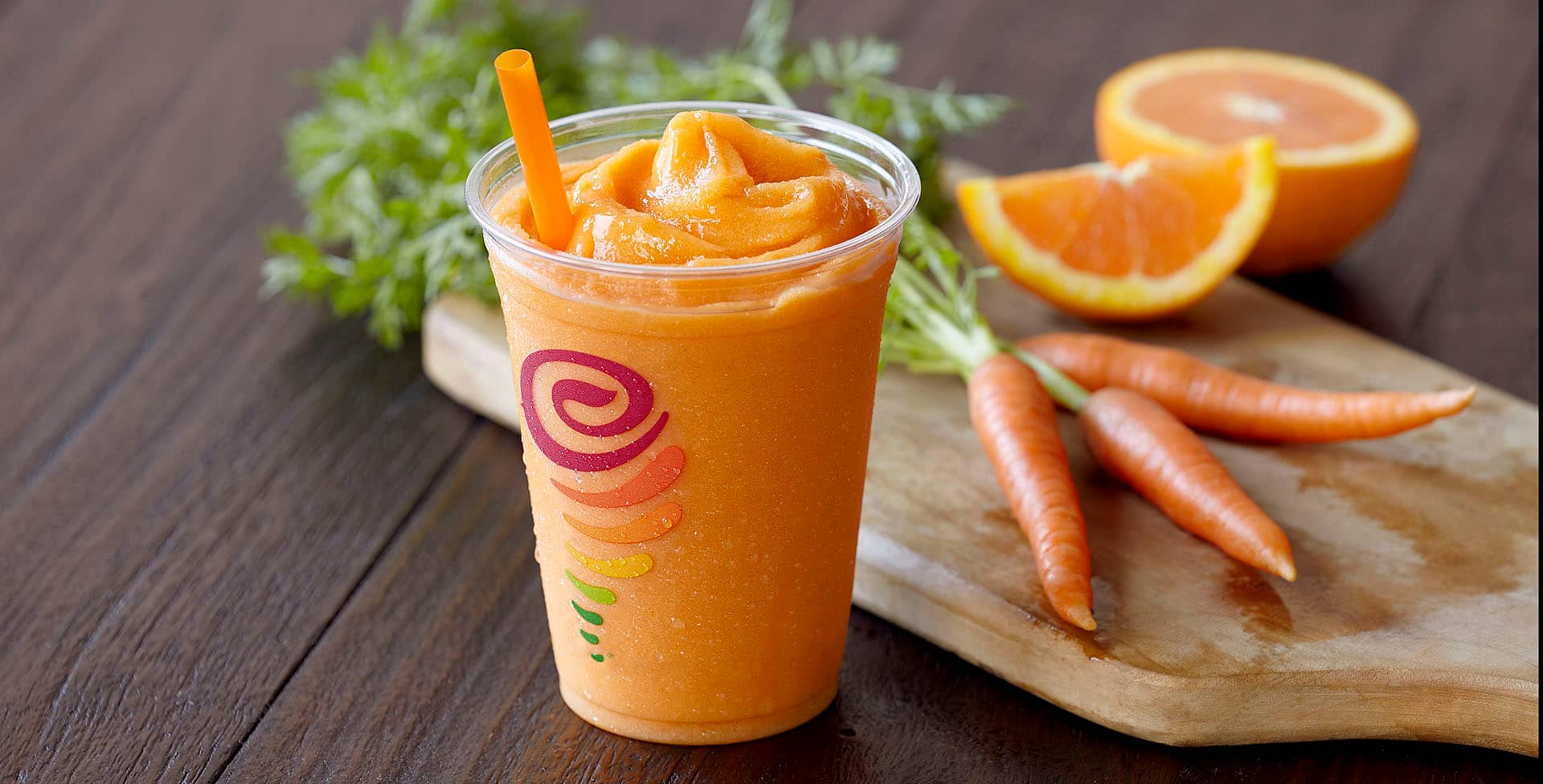
Lucy Brady joins Jamba as president to lead digital-first growth strategy. GoTo Foods restructures leadership to strengthen franchise platform capabilities.
Sep 14, 2026

Contactless payment offers restaurants faster transactions, better security, and improved customer experience, making it a valuable, worthwhile technology investment today.
Sep 11, 2026

Unlock Exclusive Access To Webinars, Events, And The Latest News For Free!
Explore the allegations against Restaurant Brands International for supposedly pressuring Carrols Restaurant Group into an underpriced transaction and the ensuing civil lawsuit filed by a pension fund.

Photo by Louis Hansel
Restaurant Brands International Inc. has come under scrutiny for its alleged involvement in pressuring Carrols Restaurant Group Inc., a Burger King and Popeyes franchisee, into a $1 billion buyout. The civil lawsuit, initiated earlier this month by a pension fund, accuses RBI of forcing Carrols, a publicly owned company, into an underpriced transaction. The lawsuit, filed in Delaware Chancery Court by Plymouth County Retirement Association, sheds light on the purported tactics employed by RBI in its acquisition strategy.
The crux of the allegations against Restaurant Brands International revolves around the claim that the company used its influence over Carrols to push for a buyout that was disadvantageous to the latter. It is suggested that RBI indicated it would obstruct Carrols from expanding, leaving investors with a difficult decision – either accept the less-than-favorable deal or risk the negative consequences of stunted growth. This scenario has been likened to a 'Hobson's choice,' where the affected parties face a dilemma without any real alternative.
Restaurant Brands International offered $9.55 per share in an all-cash transaction for Carrols as part of the announced acquisition in January. Additionally, RBI proposed a $500 million investment to reimagine around 600 Carrols-owned restaurants under its 'Reclaim the Flame' plan introduced in fall 2022. Furthermore, the company outlined its intention to refranchise the majority of the acquired portfolio to new or existing smaller franchise operators over a seven-year period. Notably, representatives from RBI were yet to provide a response at the time of press.

Photo by Louis Hansel
The legal battle between the pension fund and Restaurant Brands International has wider implications within the franchise industry. Such disputes could potentially influence how acquisitions and buyouts are conducted in the future, emphasizing the importance of transparency and fairness in such transactions. This case also underscores the challenges faced by franchise owners when navigating complex acquisition deals involving large corporate entities.

Photo by Louis Hansel