
Restaurant Technology Trends in 2026
Explore restaurant technology trends in 2026, including AI, automation, digital ordering, workforce tools, connected kitchens, personalization, and profitability strategies today.
Technology
Aug 28, 2026
Explore restaurant technology trends in 2026, including AI, automation, digital ordering, workforce tools, connected kitchens, personalization, and profitability strategies today.
Aug 28, 2026
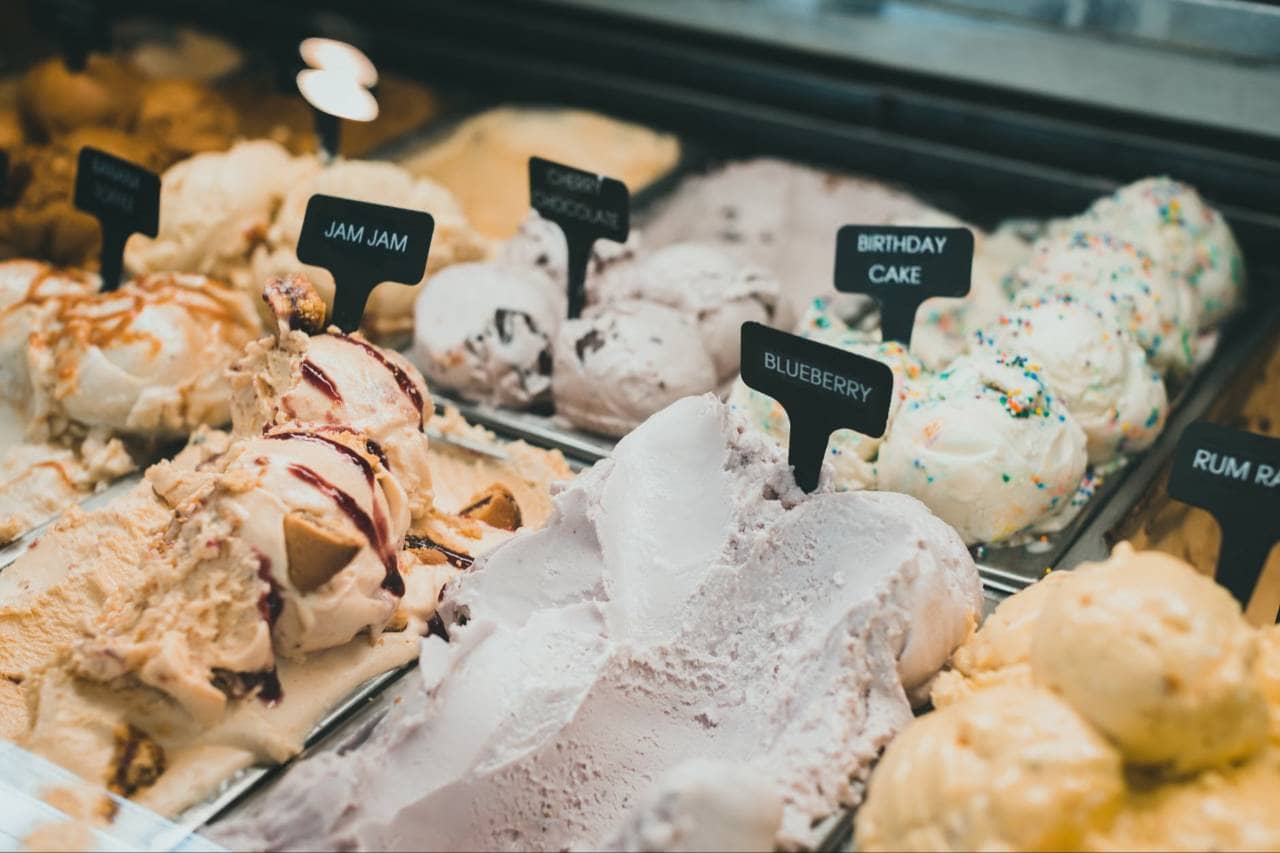
Learn the startup costs of opening an ice cream shop, including rent, equipment, renovations, permits, inventory, labor, marketing, and reserves.
Aug 28, 2026

A restaurant P&L statement reveals sales, expenses, and profits, helping owners manage costs, improve margins, and plan finances more effectively.
Aug 26, 2026
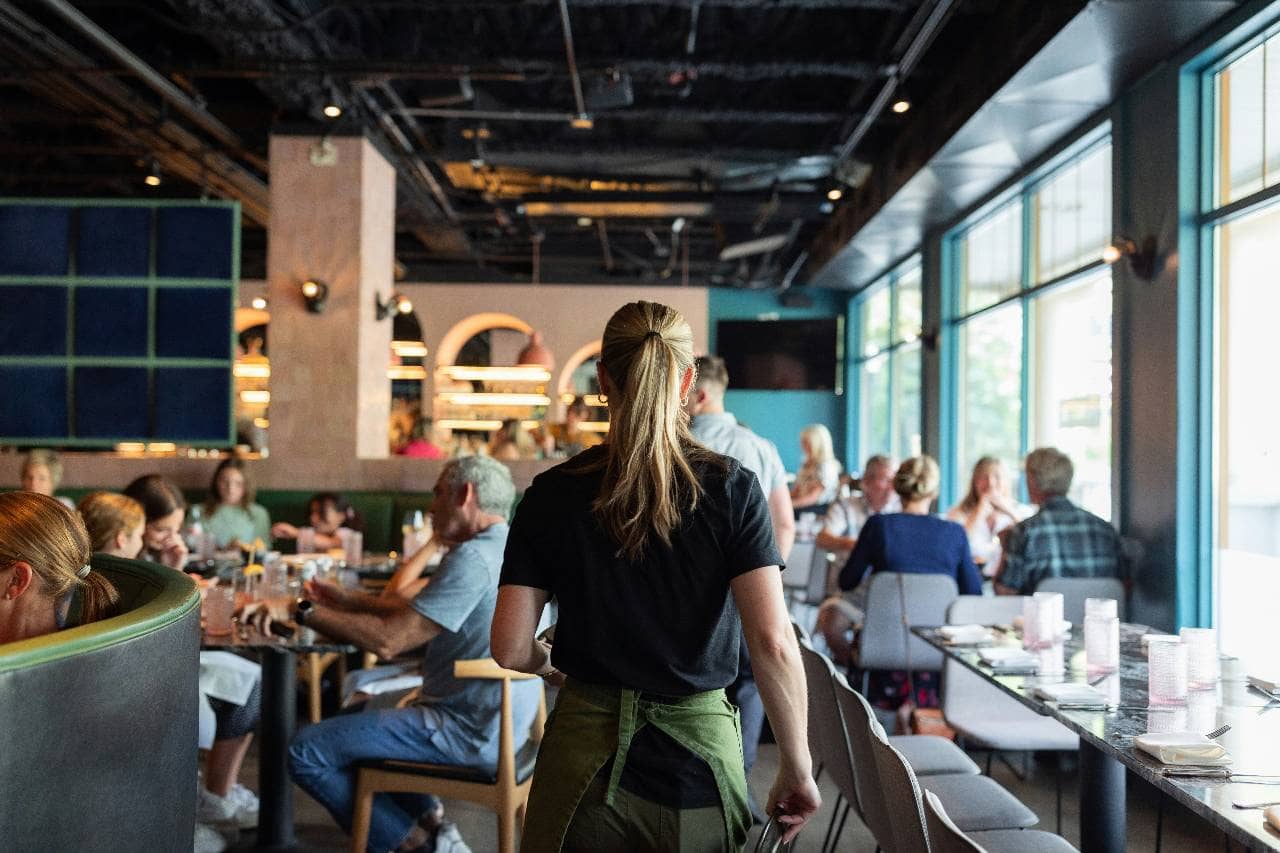
Learn practical ways to reduce labour costs through smarter scheduling, forecasting, productivity, cross-training, automation, overtime control, and performance monitoring strategies.
Aug 26, 2026
RaceTrac has appointed Jill Pemberton as chief financial officer, succeeding Karla Ahlert, who moves into the newly created role of chief administrative officer.
Aug 26, 2026

A payroll advance policy helps restaurant owners define eligibility, limits, repayment, documentation, approval procedures, and compliance requirements for employee advances.
Aug 24, 2026
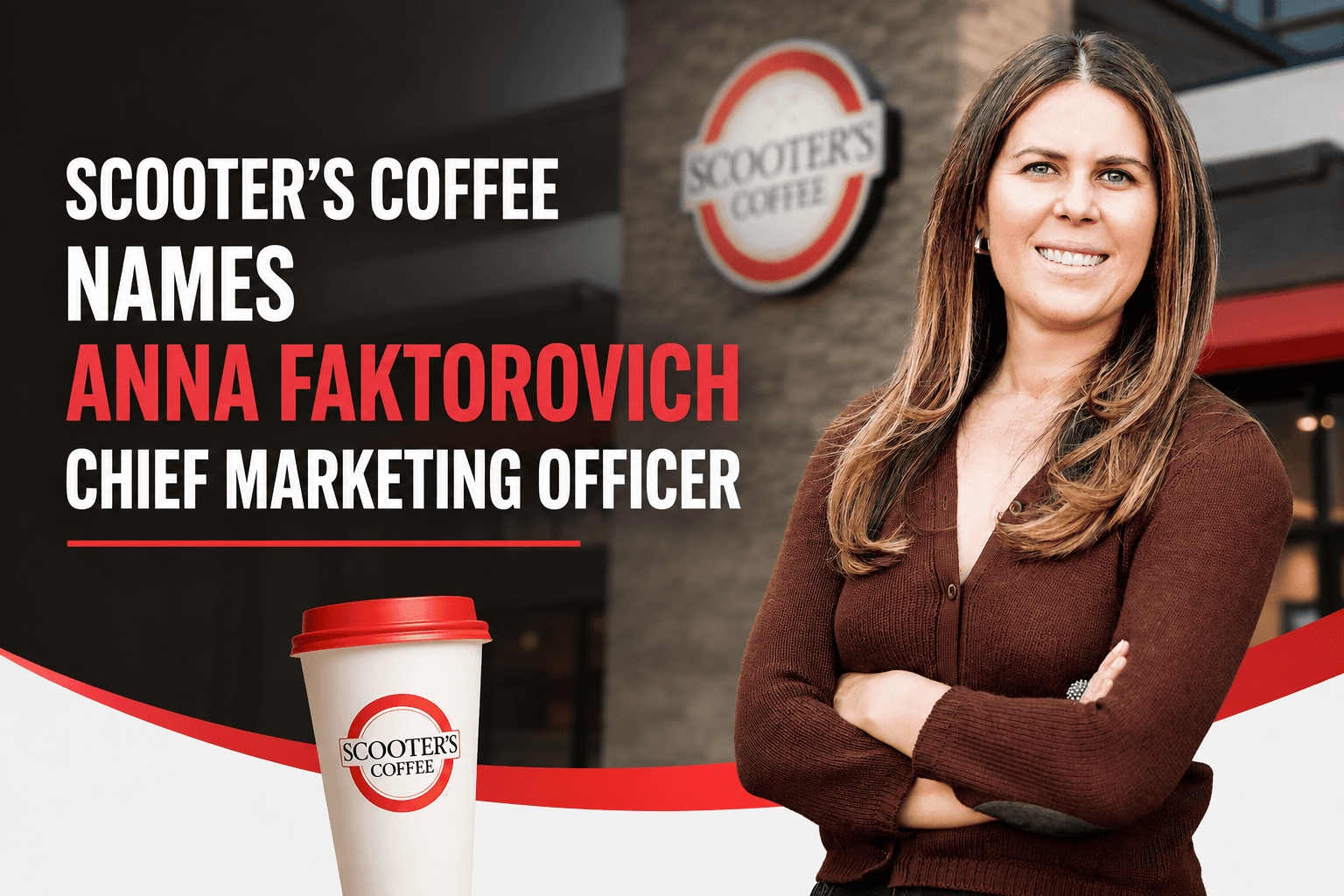
Anna Faktorovich, a seasoned marketing executive, has been named Chief Marketing Officer at Scooter’s Coffee, bringing decades of multi-brand experience to fuel the franchise’s next growth stage.
Aug 25, 2026

Create a practical restaurant marketing plan by setting goals, targeting customers, choosing channels, budgeting wisely, scheduling campaigns, and measuring results.
Aug 24, 2026

Levain Bakery appoints Lorna Sommerville and Taya Stenson as co-CEOs, blending operational and marketing expertise to power national expansion and innovation while staying rooted in its brand values.
Aug 25, 2026
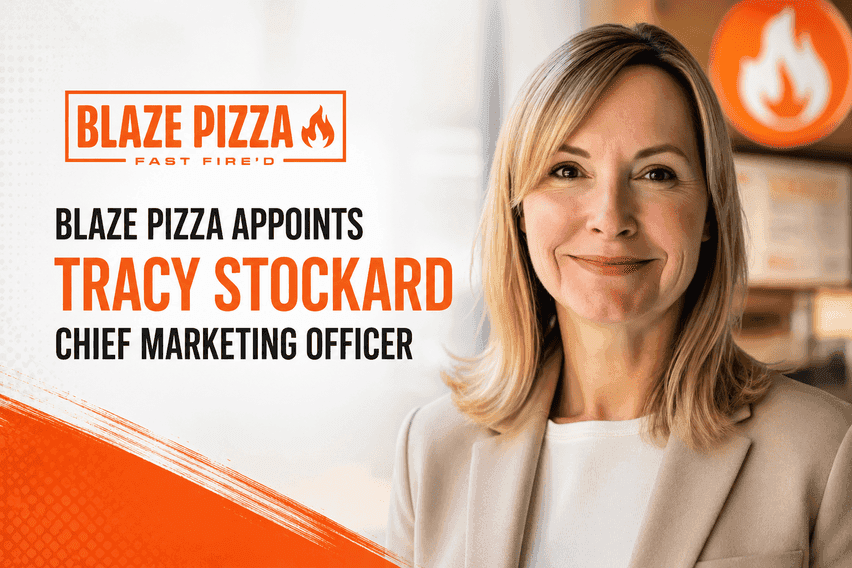
Blaze Pizza welcomes Tracy Stockard as Chief Marketing Officer, bringing decades of brand and franchise experience to drive strategic growth and guest engagement.
Aug 25, 2026

Unlock Exclusive Access To Webinars, Events, And The Latest News For Free!
Understanding and controlling the 4 major sources of Restaurant Cost Breakdown will help businesses protect their bottom line.
One of the main challenges of running a restaurant is understanding and managing the various costs that are associated with operations. Along with the expenses for equipment and utilities, management must also control rising food costs caused by inflation and increases in taxes and labor costs. By keeping track of these expenses, restaurant managers will be able to make informed decisions that will help them to remain profitable.
Restaurant costs depend on the size of the business, its concept, and location. However, most eateries can expect 4 main costs - labor, food, utilities, and equipment.
Labor costs refer to the hourly wages and salaries a business pays to its employees. These costs also encompass vacation and sick day pay, healthcare, overtime, bonuses, and payroll taxes. To ensure that the amount of money spent on labor does not make a negative impact on profitability, restaurant managers need to calculate their labor cost percentage. They can do so by dividing their total labor costs by their total sales in a given period and multiplying the quotient to 100. This percentage will give businesses insight into how efficient their labor force is in producing profits. Typically, fast-casual restaurants will have an average labor cost percentage of 28.9%, while upscale-casual eateries have 30.4%. Restaurants with rising labor costs can implement various methods to control expenses without having to sacrifice quality service, such as-

By understanding food costs, managers can establish menu prices that will ensure profitability. The two main costs related to food that restaurateurs need to monitor are the cost per dish - also known as plate costs - and period costs, which is the cost of food over a given period. To find a restaurant's plate cost, managers need to take the portion cost and divide it by the sales price, and then multiply the total to 100. On the other hand, the period cost is calculated by dividing food cost by its price and then multiplying the quotient to 100. If businesses want to find their total food cost for a given period they need to add their beginning inventory and food purchases, and then subtract the total to their ending inventory. For example, if the eatery started with $4,000 in food inventory at the start of February and purchased $20,000 throughout the month, and ended with $3,000 worth of inventory, their total food cost would be $21,000. Restaurants that want to improve their food costs should-
Utility costs usually cover water, electricity, rent, gas, Internet, and phone services. These expenses will vary for each restaurant depending on various factors, such as-

Restaurants need equipment to operate and provide customer service. The most common supplies management needs to invest in are-
By understanding the different restaurant costs and effectively implementing measures to minimize expenses, restaurateurs can protect their bottom line and increase their profit margins.