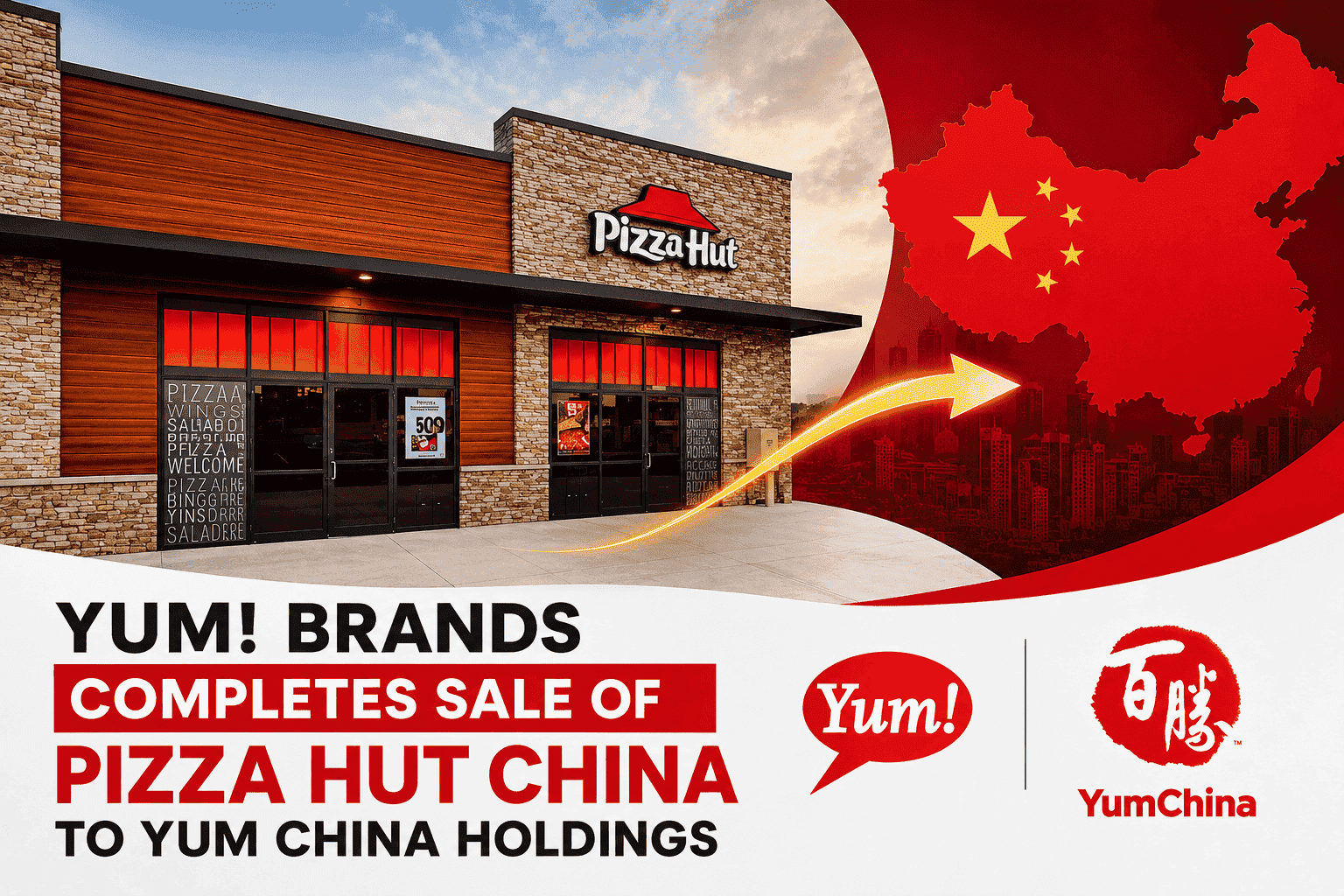
Pizza Hut’s $1.2B China Sale Shakes Up Market
Yum! Brands has finalized a $1.2B deal to transfer Pizza Hut China to Yum China Holdings, signaling big strategic moves for both global franchisors and operators.
News
Aug 7, 2026
Yum! Brands has finalized a $1.2B deal to transfer Pizza Hut China to Yum China Holdings, signaling big strategic moves for both global franchisors and operators.
Aug 7, 2026
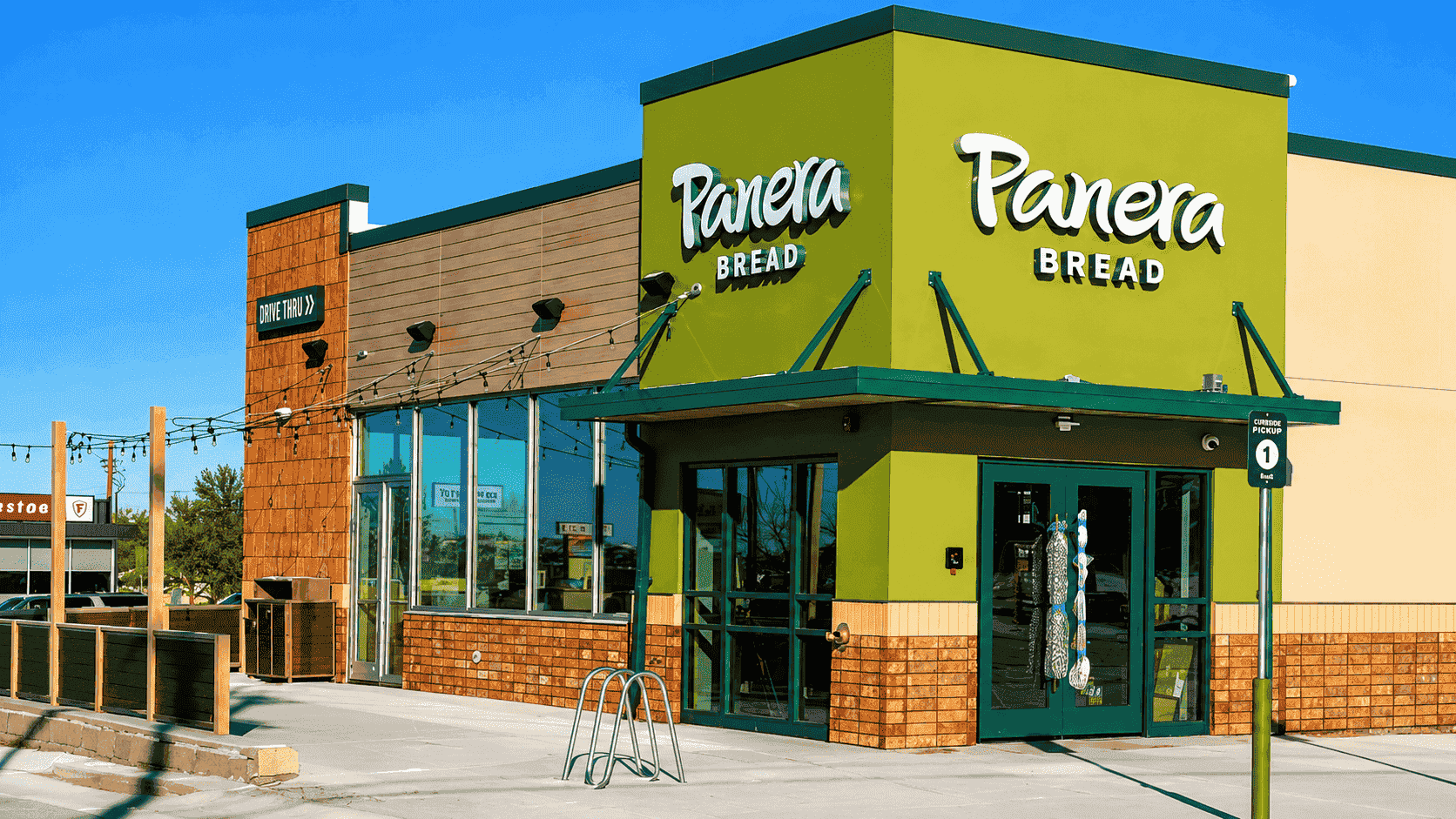
Panera Bread appoints industry veteran Andy Rebhun as Chief Marketing Officer, ushering in a new era of brand growth and consumer engagement.
Aug 7, 2026
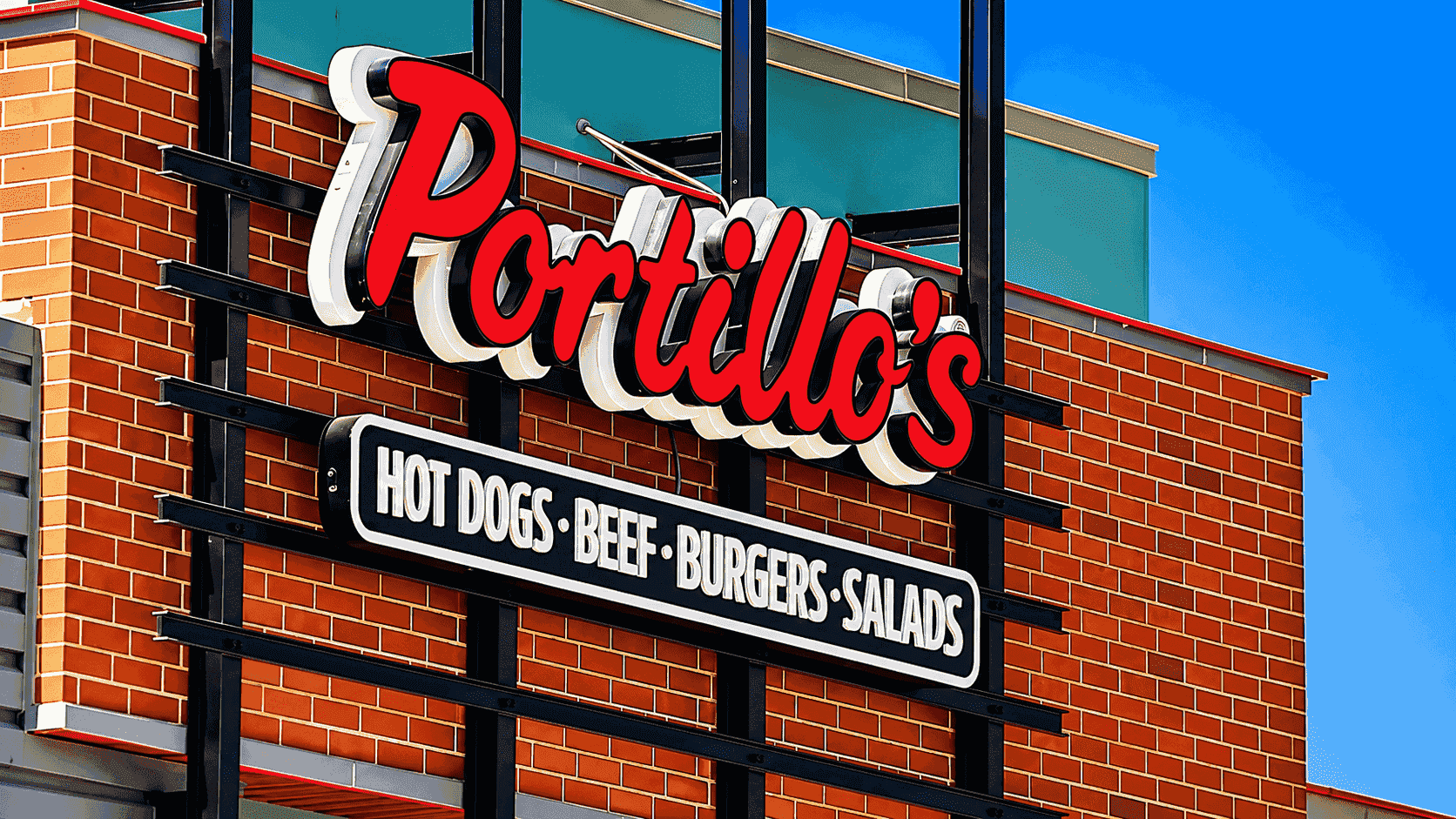
Portillo’s trims 18% of its corporate staff in a bid to refocus resources on restaurant excellence and navigate operational challenges. Discover what the changes mean for the chain’s future.
Aug 7, 2026
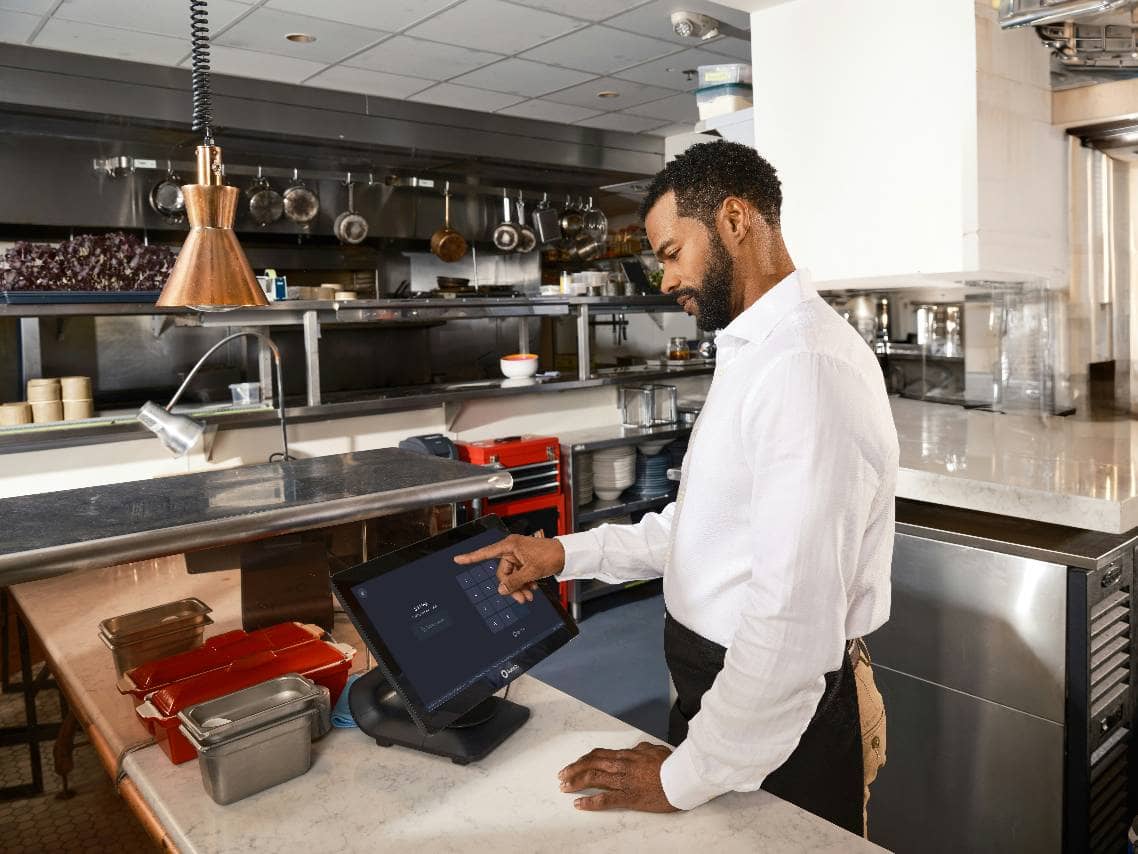
Scheduling software helps restaurants save time, control labor costs, improve communication, prevent conflicts, support compliance, and make smarter staffing decisions.
Aug 5, 2026
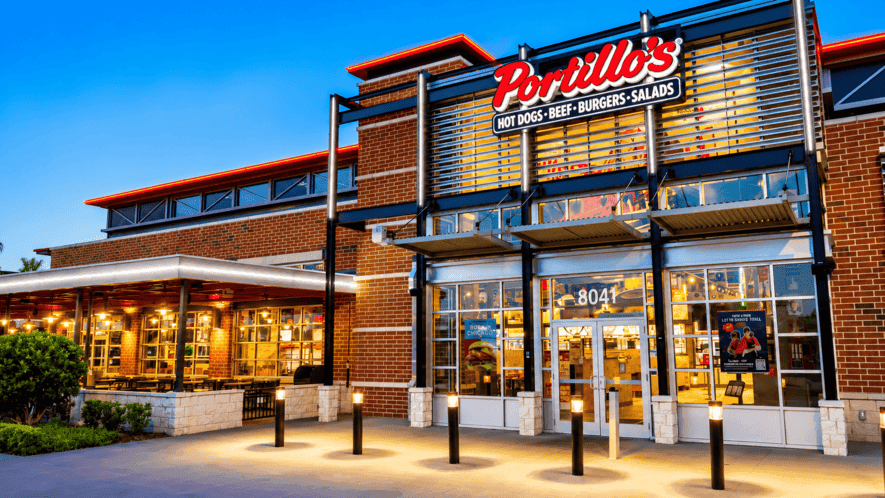
Portillo’s trims corporate and field roles by 18% in a strategic shake-up to support future growth after soft traffic and sales. Read what this means for multi-unit operators.
Aug 6, 2026
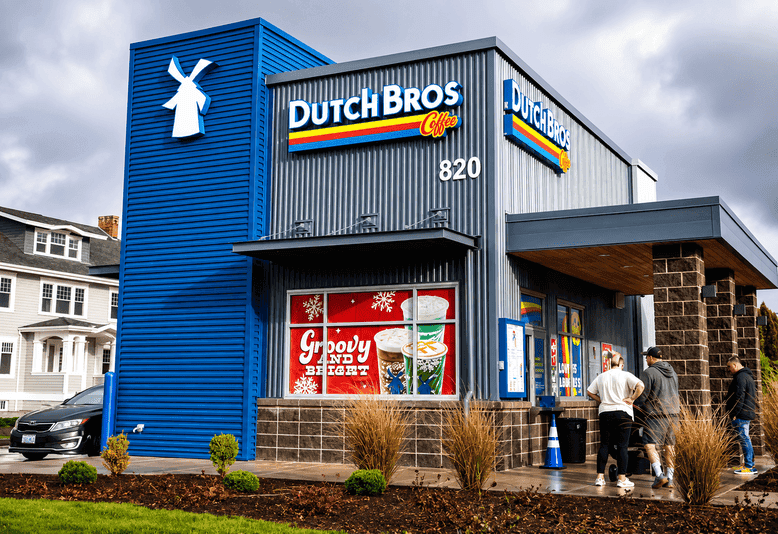
Dutch Bros invests $105 million to acquire Salad and Go’s closed locations, targeting rapid expansion in key southern markets. Learn what this means for multi-unit restaurant owners and operators.
Aug 6, 2026
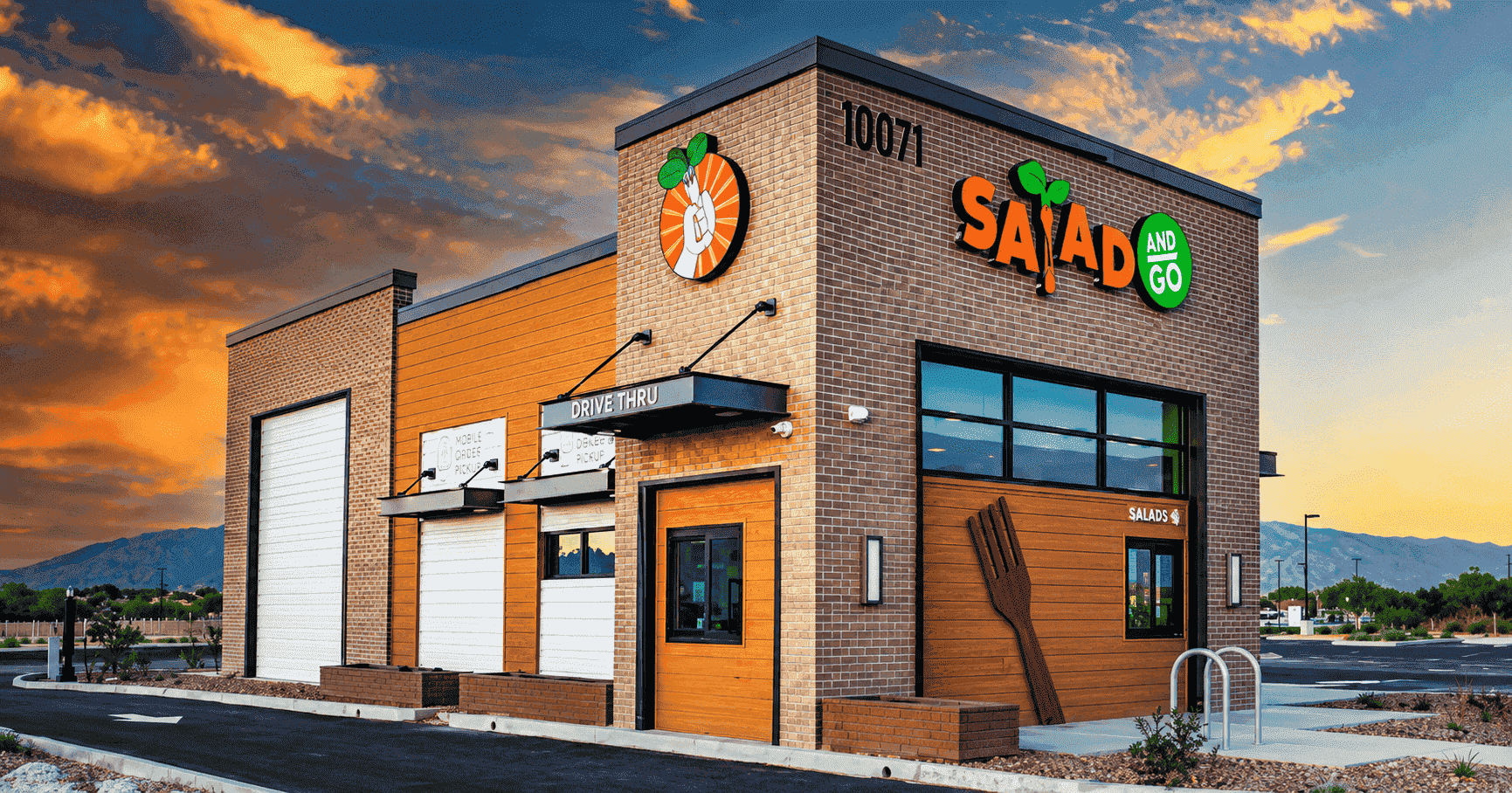
Salad and Go's bankruptcy and closure offer key lessons on growth, risk management, and market dynamics for restaurant leaders. See what every operator can learn.
Aug 5, 2026
Learn how to calculate prime cost, track food and labor expenses, measure percentages, identify problems, and improve restaurant profitability consistently.
Aug 5, 2026
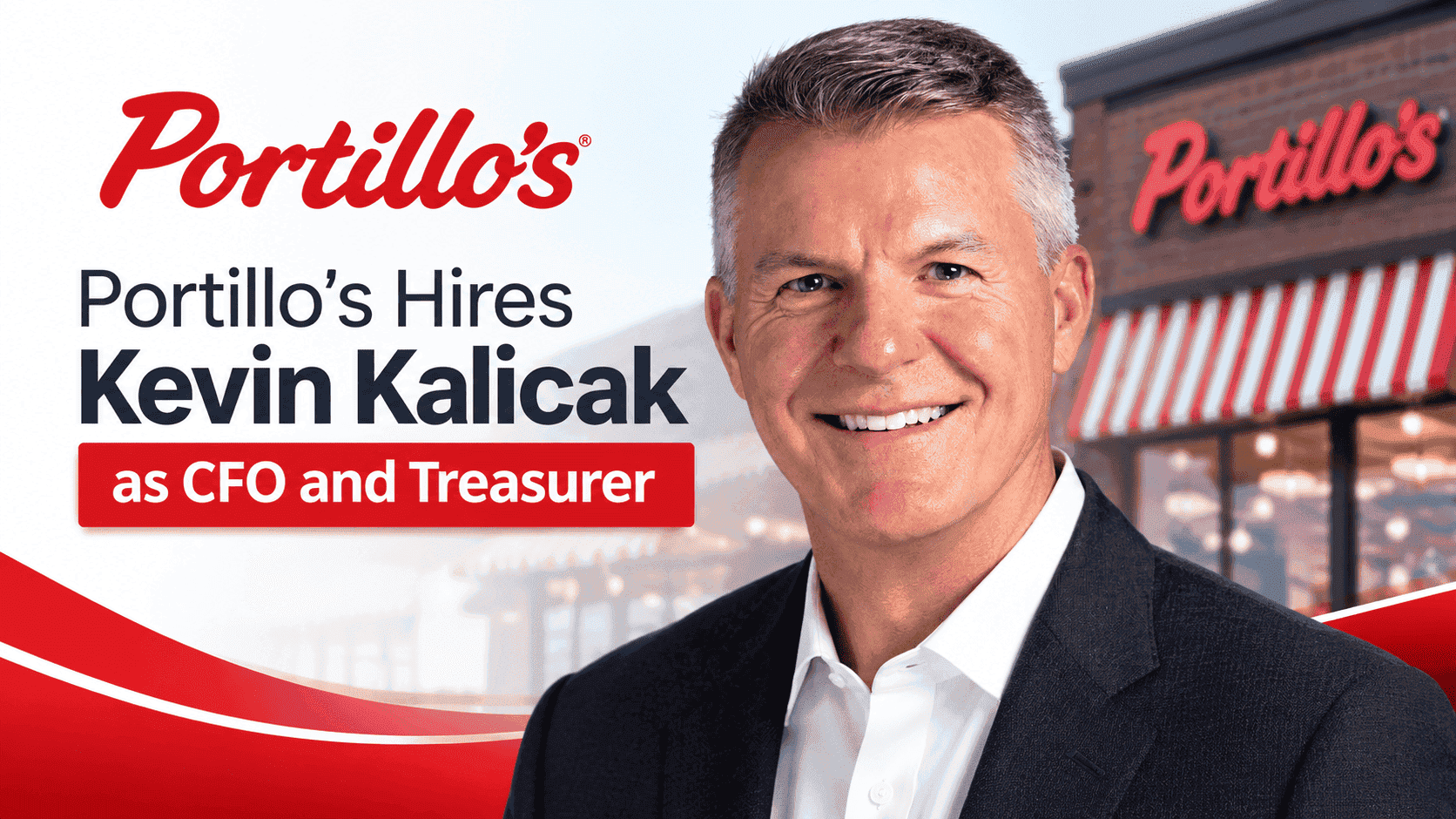
Portillo’s announces industry veteran Kevin Kalicak as its new CFO and Treasurer, underscoring the brand’s growth strategy and financial vision.
Aug 5, 2026
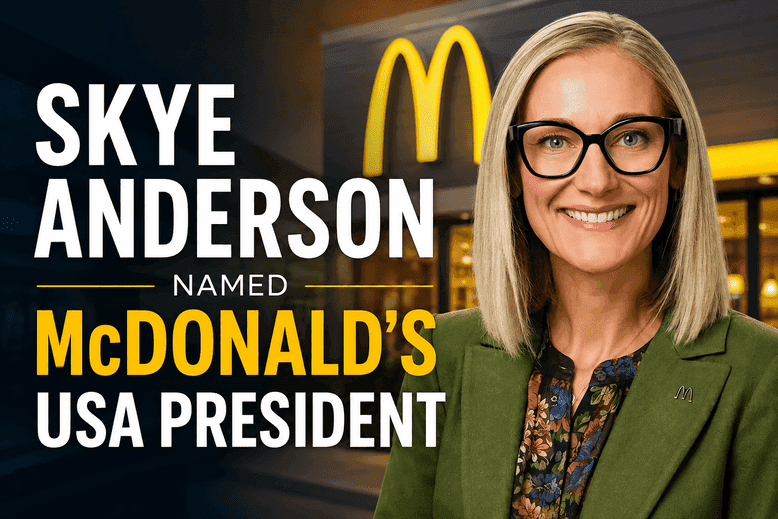
Skye Anderson will lead McDonald's USA as its new president, stepping in to accelerate growth and revive sales. Learn how her leadership could shape the future of the restaurant industry.
Aug 4, 2026
World Cup promotion strategies help restaurants drive reservations, repeat visits, group orders, takeout, and stronger revenue across every tournament stage.
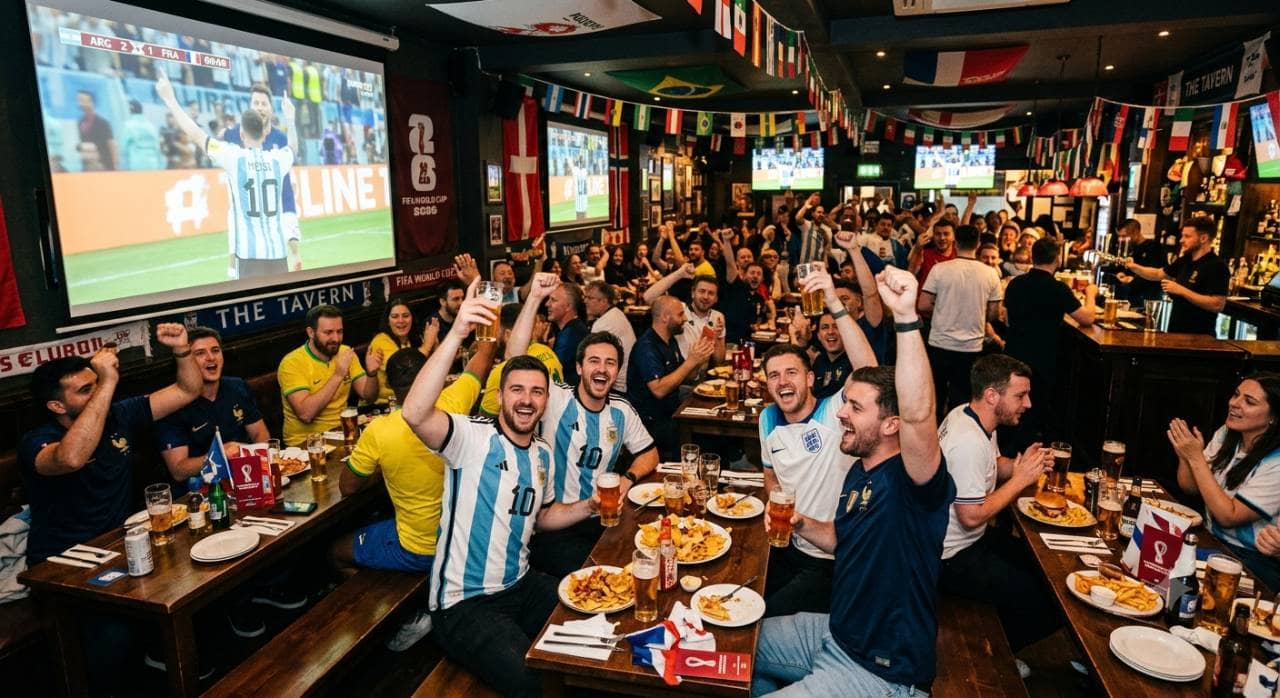
The FIFA World Cup gives restaurants a valuable chance to turn game-day excitement into steady customer traffic. Unlike one championship event, the World Cup lasts for weeks and includes different stages, teams, match times, and fan groups. This gives restaurant owners several opportunities to attract customers with promotions for the opening match, group stage, knockout rounds, semi-finals, and final. For customers, the decision is not only about where to eat. They are choosing where to watch the match, meet friends, support their team, and enjoy the atmosphere. A strong promotion can turn a normal lunch, happy hour, dinner, or weekend shift into a more exciting event. World Cup promotions can also help increase average check size. Groups may order shareable appetizers, wings, burgers, tacos, pizza, beer buckets, pitchers, desserts, and special drinks while watching the game. Restaurants can also drive takeout and delivery sales with party packs, family bundles, and pre-order meals for customers watching at home. The key is to match each promotion to the tournament stage. Early matches may need simple discounts or loyalty rewards, while knockout games and the final may need reservations, group packages, prepaid offers, and better crowd control.
World Cup promotions should start before the first match begins. If a restaurant waits until game day to promote its offers, many customers may have already chosen where they will watch the matches. Pre-tournament marketing helps owners build awareness early, collect reservations, prepare staffing, and create demand before the busiest games arrive. A strong pre-tournament plan should focus on measurable actions, not just excitement. Restaurant owners should know how many tables they want to reserve, how many group bookings they can handle, which menu items they want to promote, and which customer channels will drive the most response. 1. Start With the Match Schedule - The first step is to review the match calendar and identify the games most likely to drive traffic. These may include opening matches, U.S. games, matches involving strong local fan communities, weekend games, and high-profile international teams. Once those dates are marked, the restaurant can plan promotions around expected demand instead of reacting at the last minute. 2. Promote Early Reservations - Pre-tournament reservations help restaurants estimate traffic before the event begins. Owners can promote "book your World Cup table now" campaigns through email, SMS, social media, website banners, and Google Business Profile updates. This is especially useful for restaurants with limited seating, large screens, patios, or private dining areas. 3. Build a World Cup Contact List - The tournament is also a chance to grow the restaurant's marketing list. Restaurants can encourage customers to sign up for match reminders, exclusive offers, loyalty rewards, or reservation alerts. This gives the business a direct way to promote future games instead of relying only on social media reach. 4. Preview Limited-Time Offers - Before the tournament starts, restaurants can introduce menu teasers such as team-themed appetizers, shareable platters, drink specials, or takeout bundles. The goal is to make customers think of the restaurant before they make game-day plans. Each pre-tournament campaign should have clear numbers attached to it. Owners can track reservation count, email sign-ups, SMS opt-ins, social media engagement, catering inquiries, and pre-orders. These early signals help the restaurant adjust staffing, inventory, and marketing before the busiest matches.
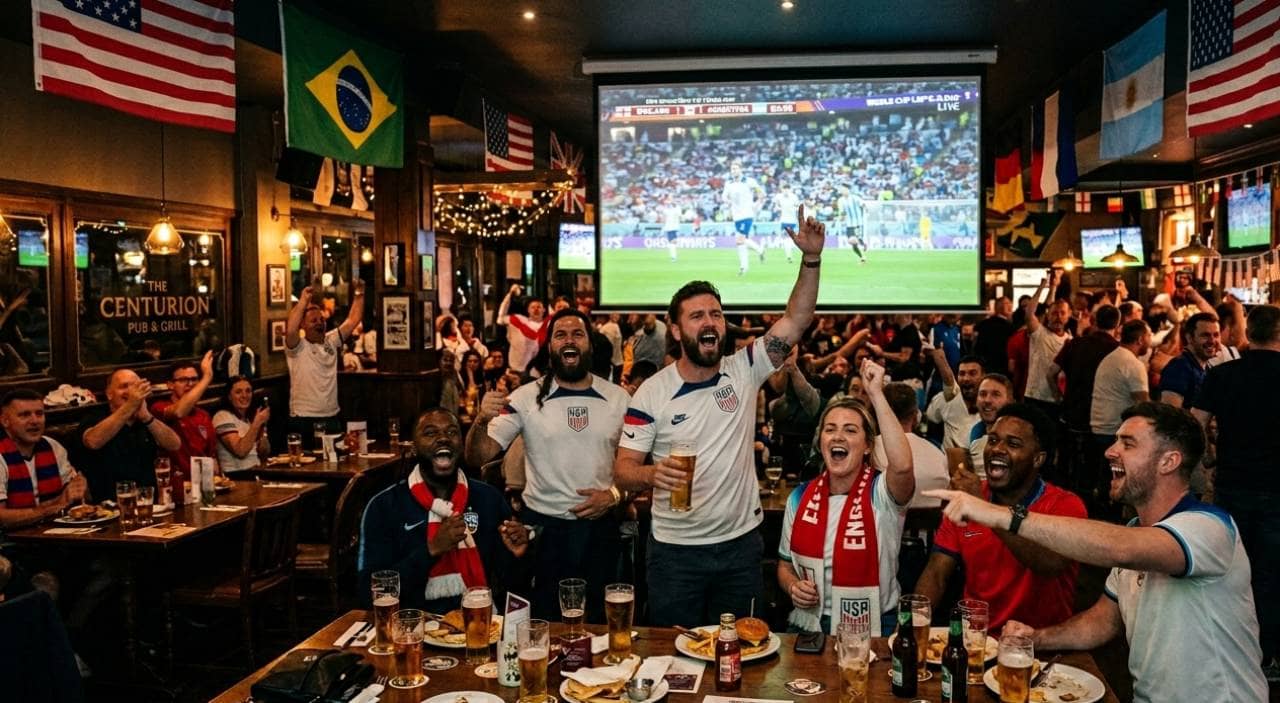
The opening match is one of the best moments for restaurants to create early momentum. Customers are excited, teams are starting fresh, and many fans are deciding where they want to watch future matches. 1. First Match - A regular food discount may not be enough to stand out during the World Cup. Restaurants should position the opening match as a special event with clear messaging such as "World Cup Opening Watch Party," "Kickoff Party," or "Opening Match Specials." This makes the promotion feel more urgent than a normal weekday offer. 2. Limited-Time Opening Combo - Opening day is a good time to promote simple, high-volume menu items. A restaurant can offer a combo such as wings and beer, burger and fries, pizza and drinks, tacos and margaritas, or a shareable appetizer platter. The best opening match offers should be easy for the kitchen to execute quickly, especially if the restaurant expects larger groups. 3. Group Reservations - World Cup matches are often watched with friends, coworkers, and family. Restaurants can encourage larger parties by offering a free appetizer, reserved seating, or a group platter for tables of four or more. This can help increase average check size while giving guests a reason to book early instead of walking in at the last minute. 4. Add Team Spirit Promotions - Simple fan-based promotions can make the restaurant feel more connected to the match. Customers wearing a jersey, team colors, or national team gear could receive a small discount, free side, or bonus loyalty points. These offers also create better social media content because the dining room looks more energetic and event-focused. The opening match should also support the rest of the tournament. Restaurants can hand out bounce-back offers, promote the next match schedule, collect email or SMS sign-ups, and invite customers to reserve tables for upcoming games. This turns first-day traffic into repeat visits instead of a one-time sales spike.
The group stage gives restaurants the most chances to bring customers back because there are many matches across different days and times. Unlike the final, which is one major event, the group stage is about repeat traffic. A customer may visit for one national team match, return for another big matchup, order takeout for a weekday game, and come back with friends for a weekend match. For restaurant owners, the goal is to build promotions that reward frequency. A single discount may fill seats once, but a repeat-visit campaign can help turn the tournament into several weeks of steady sales. 1. Loyalty Rewards - A simple World Cup loyalty offer can motivate customers to return for multiple matches. For example, a restaurant could offer "watch 3 matches, get a free appetizer" or "visit during 4 game days, earn $10 off your next order." This gives customers a reason to choose the same restaurant instead of switching between bars, delivery apps, or competitors. 2. Match Promotions - Not every World Cup match will happen during dinner. Some games may fall during lunch, afternoon, or happy hour. Restaurants should create offers based on the time of day. Lunch matches may need quick combos. Afternoon games may work better with appetizer and drink specials. Evening matches can support larger group meals, platters, and higher check sizes. 3. Country-Themed Specials - The group stage includes teams from many countries, which gives restaurants a chance to create rotating specials. A pizza restaurant could feature toppings inspired by different teams. A bar could create country-themed drinks. A casual restaurant could offer limited-time appetizers or desserts tied to popular matchups. These specials make each game feel different and give customers a reason to come back. 4. Takeout and Delivery - Some fans may not be able to dine in for every game. Restaurants can still capture sales by offering World Cup takeout bundles, family meals, and party packs. These offers should be easy to order online and timed around kickoff. Pre-order options can also help the kitchen manage volume more smoothly. 5. Run Prediction-Based Offers - Prediction contests can increase engagement without requiring a large discount. Customers can guess the winning team, final score, or first goal scorer for a chance to win a small reward. This keeps guests involved during the group stage and gives the restaurant more reasons to post on social media, collect entries, and invite people back for future matches. The best group stage promotions are built around consistency. Restaurants should track which teams, time slots, offers, and ordering channels drive the most sales. That data can help owners adjust promotions before the knockout rounds, when demand and competition become stronger.
The knockout rounds change the way customers think about the World Cup. During the group stage, fans may choose between many matches. In the knockout rounds, every game feels more important because one team advances and one team goes home. This creates stronger emotions, bigger crowds, and more pressure on restaurants to manage demand. For restaurant owners, knockout round promotions should focus less on broad discounts and more on urgency, reservations, group spending, and limited availability. 1. Demand Control - Early in the tournament, discounts can help attract attention. During the knockout rounds, demand may already be higher, especially for popular teams, weekend matches, and evening games. Instead of offering deep discounts, restaurants can promote limited seating, table reservations, group packages, and premium viewing areas. This helps protect margins while still giving customers a clear reason to book early. 2. Reservation Packages - Knockout matches are more likely to bring larger groups. A restaurant can create reservation packages that include a table, shareable appetizers, drinks, or a minimum food and beverage spend. This helps the restaurant estimate revenue before the match starts. It also reduces the risk of guests occupying prime tables without ordering enough during long game windows. 3. "Win or Go Home" Specials - The knockout stage is built around urgency, so the promotion should match that energy. Restaurants can offer win or go home platters, limited-time drink specials, or match-specific combos available only during that game. Because the offer disappears after the match, customers have a stronger reason to visit now instead of waiting. 4. Reward Fans - Bounce-back offers work well during the knockout rounds because fans are already thinking about the next match. If a customer's team wins, the restaurant can offer a coupon for the next round, bonus loyalty points, or priority reservation access. This turns one match-day visit into a reason to return. 5. Prepare for Higher Operational Pressure - Knockout round promotions should be designed around kitchen speed and service capacity. Shareable platters, fixed menus, pre-order options, and simplified drink specials can help reduce bottlenecks. If the restaurant promotes too many complicated items, the kitchen may fall behind just as the dining room gets louder and busier. The best knockout round promotions create excitement without losing control of the operation. Restaurants should use this stage to increase average check size, protect table availability, and move customers from casual interest to committed reservations.
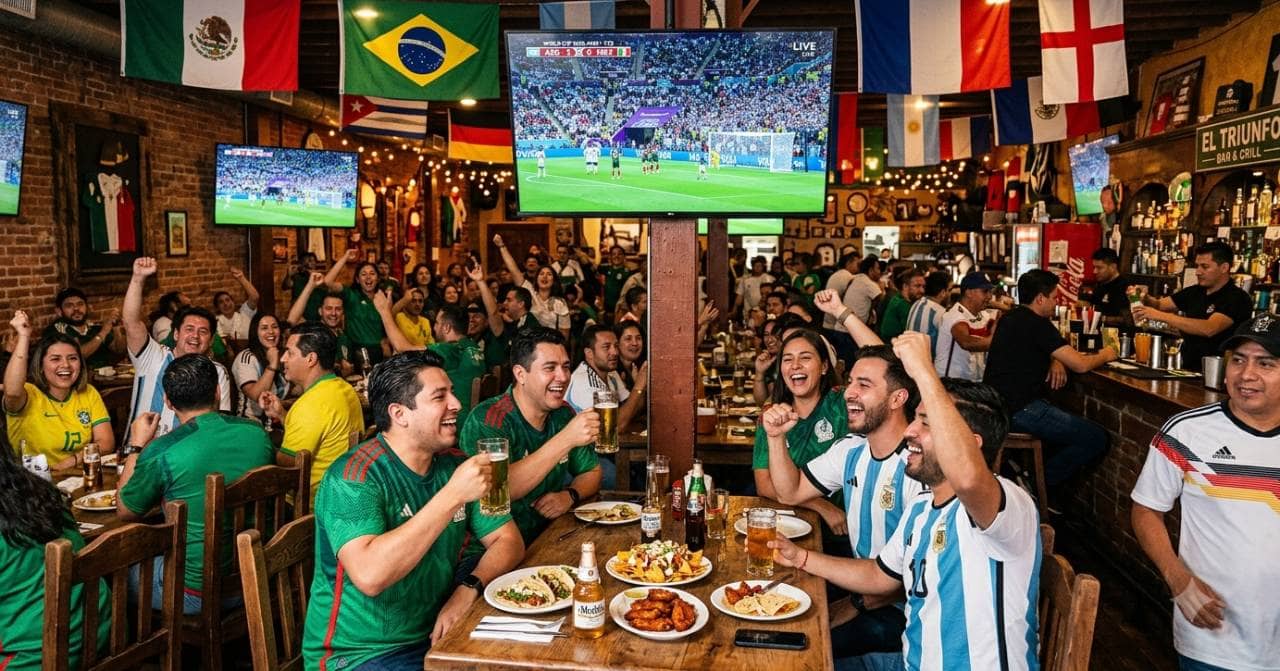
The semi-finals are different from the earlier rounds because the audience becomes larger and more mixed. By this stage, many casual fans who did not watch every group stage match may start paying attention. The tournament is close to the final, the remaining teams have stronger storylines, and customers are more likely to treat the match as a social event. 1. Group Packages - Semi-final matches are a strong fit for group dining. Restaurants can offer packages for tables of four, six, or eight that include appetizers, entrees, drinks, and desserts. A package gives customers a simple way to order while helping the restaurant forecast sales before the match begins. 2. Shareable Menu Items - During high-energy matches, customers often prefer food that is easy to share. Wings, sliders, nachos, fries, flatbreads, tacos, pizza, dips, and sampler platters can help raise check averages without slowing service. These items also work well because guests can continue watching the match while eating. 3. Use Pre-Orders - Semi-final crowds can create order spikes before kickoff, during halftime, and after big moments in the match. Restaurants can reduce pressure by encouraging guests to pre-order platters, drinks, or meal bundles when they reserve their table. This helps the kitchen prepare more accurately and reduces wait times during peak moments. 4. Fan Zone Seating - If a restaurant expects supporters from both teams, it can create simple fan zones by section. This makes the atmosphere more exciting and gives customers a reason to book with friends. Fan zones can also help staff manage larger parties, group reservations, and table assignments more smoothly. 5. Limited-Time Offers - The semi-finals are a good time to introduce premium specials instead of heavy discounts. Restaurants can promote "final four" drink specials, team-themed desserts, upgraded platters, or limited-time combo meals. Since demand is usually stronger at this stage, owners should focus on value, experience, and convenience rather than lowering prices too much. Semi-final promotions should help restaurants turn high attention into high-quality revenue. By using group packages, shareable items, pre-orders, and premium offers, owners can serve bigger crowds while keeping service organized.
The World Cup final is the biggest promotional opportunity of the tournament. By this stage, even customers who did not watch earlier matches may want to be part of the event. Demand is usually higher, groups are larger, and customers are more willing to plan ahead. For restaurant owners, the final should be treated less like a normal game-day special and more like a major revenue event. 1. Make Reservations the Priority - Walk-in traffic can be hard to manage during the final. Restaurants should push reservations early through email, SMS, social media, website banners, and in-store signage. A reservation-only approach can help owners control seating, reduce overcrowding, plan staffing, and estimate sales before the match begins. 2. Offer Prepaid Packages - For high-demand events, prepaid packages can reduce no-shows and improve cash flow. A restaurant can sell packages that include reserved seating, appetizers, entrees, drinks, or shareable platters. This gives customers a clear experience while helping the restaurant forecast food, labor, and bar needs more accurately. 3. Final Match Menu - The final is a good time to simplify the menu. Instead of offering every regular item, restaurants can create a focused match-day menu built around fast, profitable, high-volume items. Wings, burgers, tacos, pizza, fries, sliders, nachos, and drink bundles can help the kitchen serve more guests without slowing down. 4. Takeout and Catering Bundles - Not every customer will watch the final inside the restaurant. Owners can still capture revenue with party packs, family meals, office catering, and pre-order bundles for home watch parties. These offers should be promoted several days before the final so customers can order ahead instead of waiting until match day. 5. Use the Final to Build Future Loyalty - The final should also support sales after the tournament ends. Restaurants can give guests a bounce-back coupon, loyalty reward, or invitation to the next major sports event. This helps turn World Cup traffic into future visits instead of a one-day spike. A strong final match promotion balances excitement with control. When reservations, packages, menus, staffing, and takeout offers are planned in advance, restaurants can turn the biggest match of the tournament into one of their strongest sales days.
