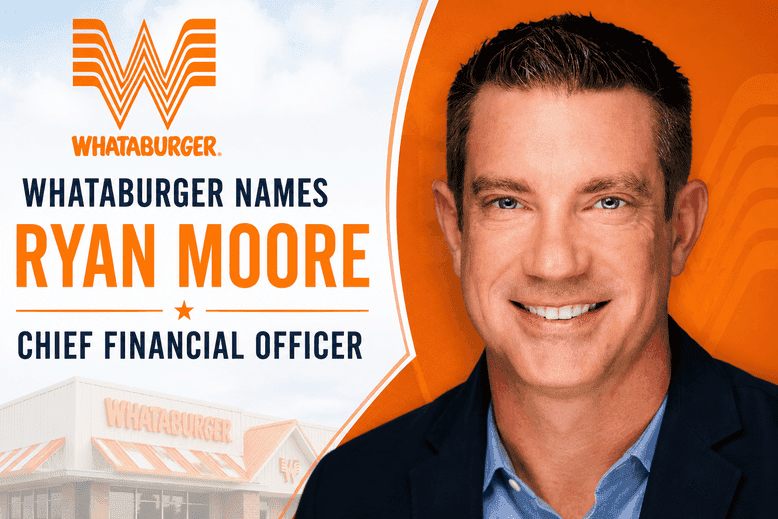
Whataburger Appoints Ryan Moore as CFO
Whataburger welcomes financial veteran Ryan Moore as its new CFO, signaling a strategic focus on national expansion and sustainable growth for the iconic brand.
News
Jul 29, 2026
Whataburger welcomes financial veteran Ryan Moore as its new CFO, signaling a strategic focus on national expansion and sustainable growth for the iconic brand.
Jul 29, 2026
DoorDash is changing how it calculates delivery and service fees, with longer-distance orders likely to cost more and shorter, larger orders set to stay the same or decrease.
Jul 29, 2026
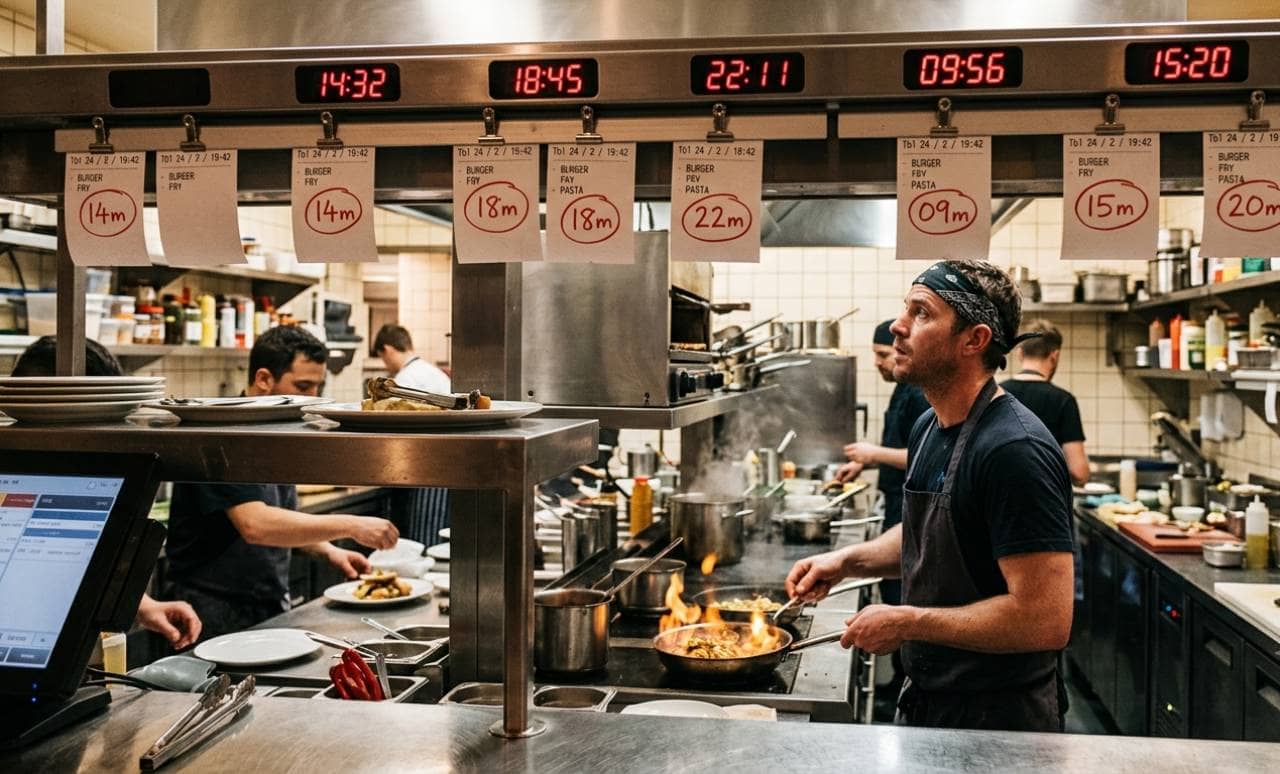
Improve kitchen ticket times with practical strategies for better preparation, smoother workflows, stronger communication, smarter staffing, and effective restaurant technology.
Jul 27, 2026
TGI Fridays emerges from Chapter 11 bankruptcy under new ownership, focused on growth and stability. Discover what's next for the iconic chain and its global operations.
Jul 28, 2026

PopUp Bagels welcomes industry veteran Mike Smith as Chief Operating Officer to lead their next phase of growth, putting quality and guest experience at the forefront.
Jul 28, 2026

Learn how restaurant owners can manage payroll accurately, track labor costs, reduce errors, maintain compliance, and improve workforce profitability efficiently.
Jul 27, 2026

Veteran restaurant executive David Deno assumes the helm at Cracker Barrel, signaling a pivotal moment for the brand’s revitalization. Learn what this means for operators, staff, and industry leaders.
Jul 27, 2026
Noodles & Company achieves historic sales growth and operational turnaround in 2026, sharing critical lessons for restaurant owners on boosting traffic, innovation, and team culture.
Jul 27, 2026
Cicis Pizza’s systemwide sales have surged over 50%, fueled by digital innovation, modern operations, and a revamped franchise strategy. Learn what restaurant owners can take away from Cicis’ transformation.
Jul 24, 2026

Fogo de Chão has announced Daniel Duran as its new CFO, marking a strategic leadership transition designed to enhance global growth and financial innovation for the renowned restaurant brand.
Jul 24, 2026
With employee management software you can keep tabs on your team and your payroll without driving yourself crazy.
As a restaurant owner, managing the day-to-day operations of your business can be a challenging and time-consuming task. From scheduling employees and managing the HR processes involved in tracking employee attendance and preparing for payroll. You likely have a lot on your plate - no pun intended. However, there are solutions available to make these must-do human resource tasks easier. One such solution is an employee management system, a software that can help simplify and streamline your workforce management processes. An employee management system is designed to help restaurant owners manage their employees with ease and efficiency. It automates various HR tasks and processes, freeing up your time and reducing the risk of errors and omissions. The right employee management system can help you manage everything, from scheduling and attendance tracking to performance evaluation and employee benefits. The benefits of employee management software are numerous. Not only does it help simplify your HR processes, but it also provides valuable insights into your workforce, allowing you to make informed decisions and drive employee engagement. With features like scheduling, time and attendance tracking, and performance evaluation, you can create a more efficient and productive workforce that supports your business goals. Whether you're a small restaurant or a large chain, employee management software is a must-have tool for any modern business looking to streamline its workforce management process. But, how do you know if an employee management software is right for your restaurant? One way to determine this is to assess its features and benefits.
An Employee Management System for restaurants can help streamline HR processes and improve overall management of the workforce. Some key features of an Employee Management System for restaurants include-
Managing time-off requests at a restaurant can be daunting. With employees having diverse schedules, conflicting availability, and differing needs for time off, the manual process of tracking and approving requests can quickly become overwhelming. However, with the help of restaurant management software, managing time off requests becomes a breeze. With employee management software such as Zip Clock by Altametrics, managers can easily keep all of their Employee Time-off information in one central location. This allows for a streamlined process in which managers can release new shifts to their team at any time, and team members can independently swap shifts, with the manager only having to handle approvals remotely. The software's user-friendly interface and intuitive design make it simple for employees to request time off and for managers to approve or deny the requests. This can save managers valuable time and reduces the stress associated with managing time-off requests. In addition, with a centralized system for tracking time off, managers will be able to keep track of their staff's availability and ensure that their schedule is properly balanced. This can result in a more efficient and effective scheduling process, as well as improved labor compliance.
Making an employee schedule that meets the needs of both your business and your employees is a complex task. Balancing employee availability, maintaining compliance with labor laws, (when an employee works both closing and opening shifts), and ensuring top performers are working the most popular shifts can be a headache-inducing challenge. However, there's a way around it. By using an employee management system, you can say goodbye to the old-fashioned, manual process of using spreadsheets and spending hours trying to accommodate employee shift requests. With a simple, user-friendly interface, you can quickly schedule your employees with the click of a button and easily edit the schedule if necessary. The schedules can then be sent out to employees via email, providing them with easy access to their hours worked and future shifts. The benefits of using an employee management system go beyond just scheduling. With features such as time and attendance tracking, performance evaluation, and employee benefits management, you can streamline the entire workforce management process, saving you time and reducing the risk of manual errors.
A Cloud Based employee management system offers a number of benefits to restaurant businesses. Perhaps the most important of these is the ability for staff to access their schedules from anywhere and at any time. With this functionality, employees can check their schedules from the comfort of their own homes or on the move, using a variety of smart devices. This is especially advantageous for individuals who hold multiple jobs or have other commitments, such as family or education, to prioritize. With a cloud-based employee management system, you can also keep your staff informed in real time. For example, if a big catering order or an upcoming party has been scheduled, your staff will be alerted with real-time notifications. This means that your employees will always feel in the loop and well-informed, which can improve their performance and help to avoid misunderstandings or mistakes.
An employee management system can revolutionize the way restaurants manage their workforce. With features such as cost-saving labor data management, stress-free overtime control, and time-saving benefits, restaurants can streamline their processes and improve their bottom line. The right employee management system, such as Zip Schedules by Hubworks, can simplify overtime management. Restaurants can receive notifications for any potential overtime and easily monitor actual costs compared to budgeted expenses, preventing costly overtime violations and keeping labor costs under control. By simplifying the overall staff management process, an employee management system can free up valuable time for restaurants to focus on other important tasks, such as menu development, enhancing the customer experience, or business growth.
Another important aspect of employee management is keeping track of staff performance and motivation. Issues may arise with staff, whether they are related to the need for positive recognition or areas that need improvement. Employee management software can help keep managers informed of these issues and provide tools for tracking and recording them. This helps maintain employee motivation and performance, which is especially important during a time of labor shortage. Employee management software can provide assistance in employee retention and onboarding, helping to ensure that new hires are quickly integrated into the team and that experienced employees remain motivated. This is especially important in the food service industry, where staff are often working in fast-paced environments and require regular support and guidance.
In conclusion, an employee management system is an essential tool for restaurant owners to streamline and simplify HR processes. With features such as scheduling, time and attendance tracking, performance evaluation, and employee benefits management, technology can assist you in creating a more efficient and productive workforce. A cloud-based employee management system offers added benefits such as accessibility and real-time notifications, which can help keep employees informed and engaged. By automating various HR tasks and providing valuable insights into your workforce, an employee management system can help you manage your business with ease and efficiency.