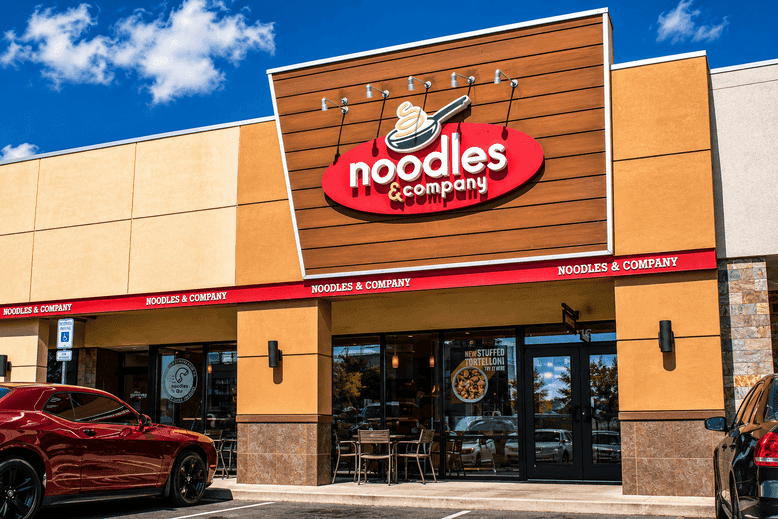
Noodles & Company Surges with Record Sales
Noodles & Company achieves historic sales growth and operational turnaround in 2026, sharing critical lessons for restaurant owners on boosting traffic, innovation, and team culture.
news
Jul 27, 2026
Noodles & Company achieves historic sales growth and operational turnaround in 2026, sharing critical lessons for restaurant owners on boosting traffic, innovation, and team culture.
Jul 27, 2026
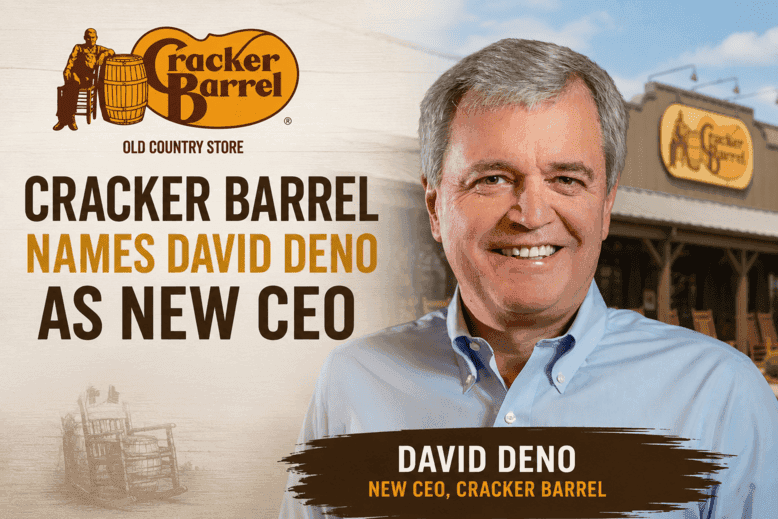
Veteran restaurant executive David Deno assumes the helm at Cracker Barrel, signaling a pivotal moment for the brand’s revitalization. Learn what this means for operators, staff, and industry leaders.
Jul 27, 2026
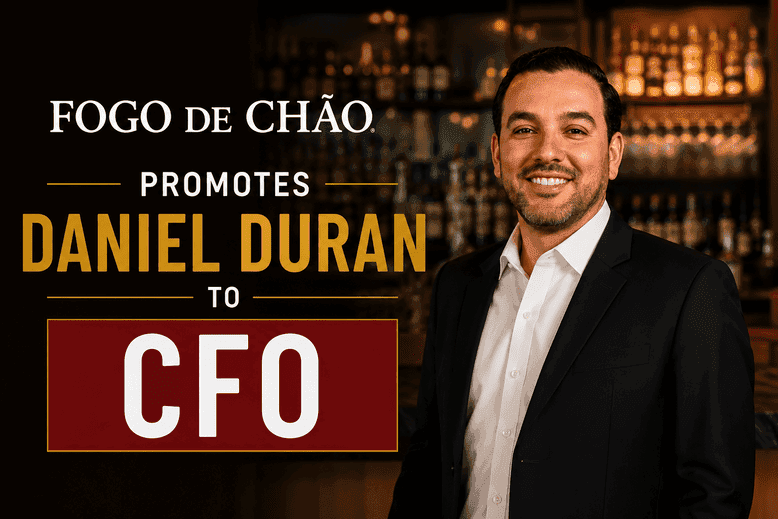
Fogo de Chão has announced Daniel Duran as its new CFO, marking a strategic leadership transition designed to enhance global growth and financial innovation for the renowned restaurant brand.
Jul 24, 2026
Discover how restaurant apps help owners manage labor, payroll, inventory, food safety, reporting, and back-office operations more efficiently every day.
Jul 24, 2026

Learn how to calculate, benchmark, track, and improve restaurant payroll percentage while balancing staffing costs, sales, service, and profitability effectively.
Jul 24, 2026
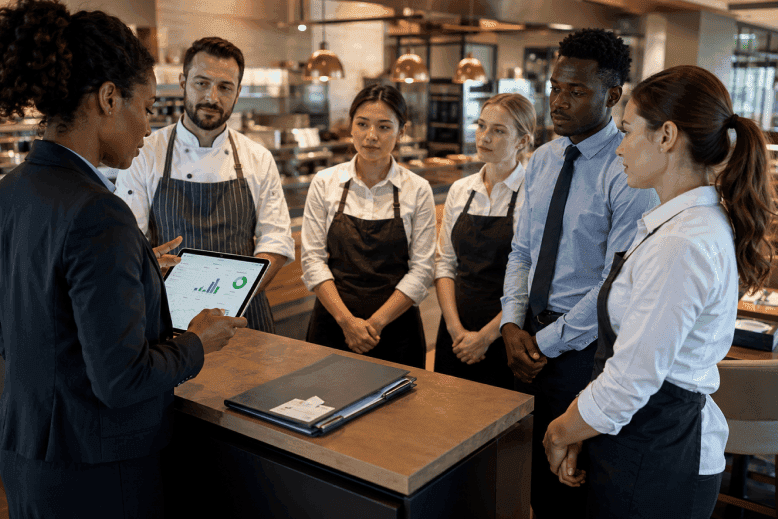
Stay compliant with key restaurant labor regulations in Summer 2026, including minimum wage increases, scheduling laws, and retirement requirements.
Jul 24, 2026
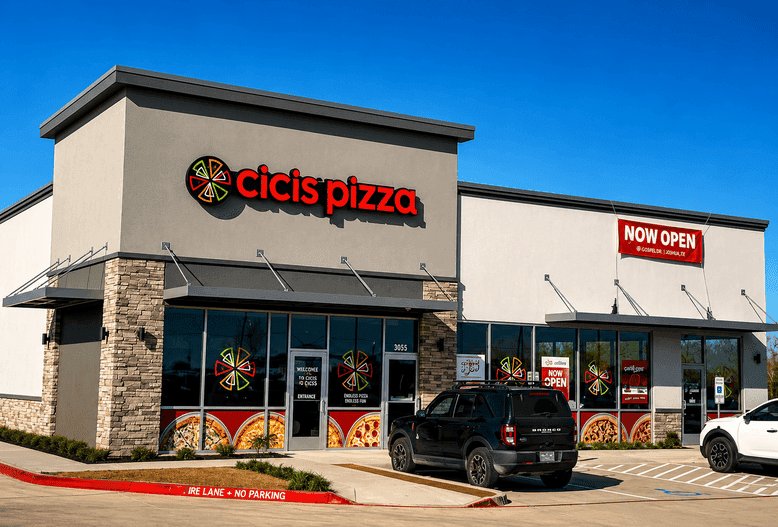
Cicis Pizza’s systemwide sales have surged over 50%, fueled by digital innovation, modern operations, and a revamped franchise strategy. Learn what restaurant owners can take away from Cicis’ transformation.
Jul 24, 2026
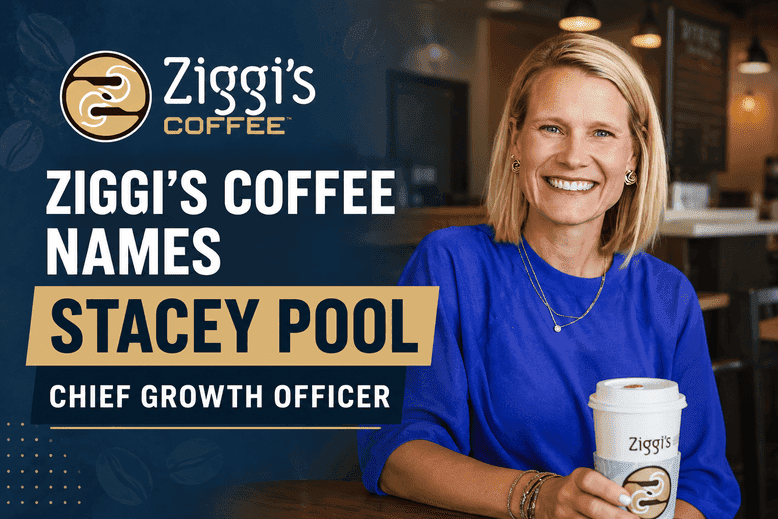
Ziggi’s Coffee welcomes Stacey Pool as Chief Growth Officer to spearhead national expansion and enhance franchise profitability as the brand celebrates a decade of franchising success.
Jul 23, 2026
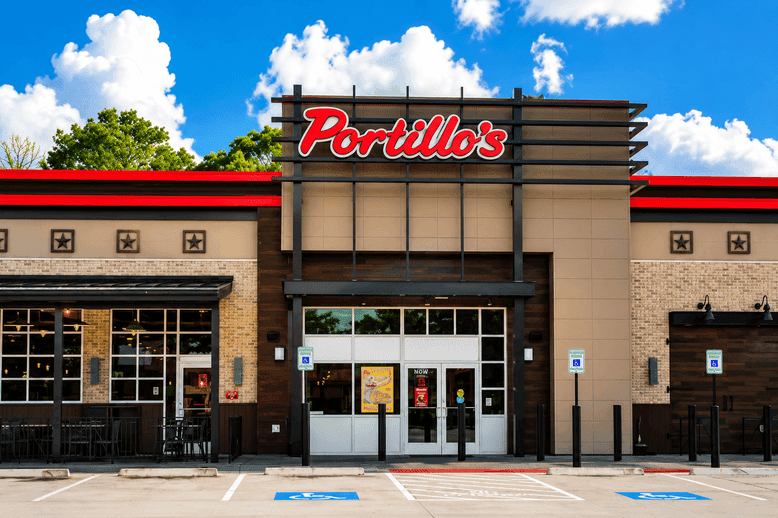
Portillo’s welcomes industry veteran Christopher Hansen as Executive Chef and Senior Director of Culinary Innovation to steer menu strategy and fuel national growth.
Jul 23, 2026
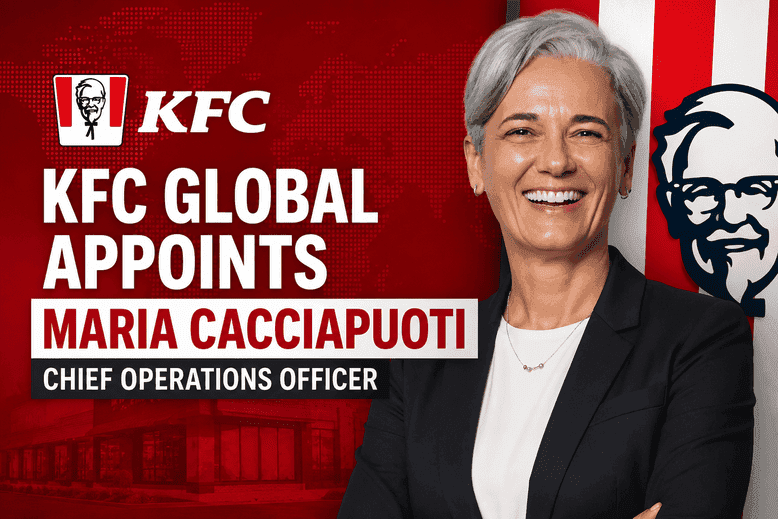
KFC Global has selected experienced leader Maria Cacciapuoti as its new Chief Operations Officer. Discover how her extensive expertise will help shape KFC’s global operations and franchise partnerships.
Jul 23, 2026
Starbucks executives say the chain's recovery under CEO Brian Niccol is outpacing expectations, with afternoon sales and menu innovation seen as the next big growth levers.
Speaking at the Bernstein Conference on Tuesday, CEO Brian Niccol said Starbucks still has considerable room to grow its transaction volume, since current numbers haven't returned to 2023 levels and remain further behind the 2018-2019 benchmarks. This points to meaningful unused capacity for serving customers. Backing this up, an analysis of company filings shows the typical Starbucks store finished fiscal 2025 (ended in September) with about 15% fewer customers than it had in 2018, as the chain's struggles in 2024 and 2025 wiped out much of the recovery momentum built after the pandemic.
Even with fewer customers per store, average-unit sales volumes have risen 31% over the same stretch, largely because menu prices have jumped more than 40%. Much of this growth has come from customers paying more for the same visit, whether through higher prices or add-ons like cold foam, flavored syrups, and food items rather than from a surge in foot traffic.
Average-unit volumes are still trailing 2023 levels, underscoring that the recovery remains incomplete. While last quarter's results showed encouraging signs, with U.S. same-store sales up 7.1% and transactions up 4.3%, the company acknowledges there's still meaningful ground to cover before reaching a full turnaround.
The competitive environment Starbucks operates in today looks very different from 2018. Back then, drive-thru chain 7 Brew had only just opened its very first location, and Dutch Bros was still a regional brand with a little over 300 stores, largely confined to the Pacific Northwest. Both chains have since grown into significant national competitors.
Niccol remains optimistic that demand exists across both morning and afternoon dayparts. He outlined a strategy centered on continuing improvements already underway - making service faster, refining the various ways customers can order, creating a more welcoming environment for in-store guests, and introducing new menu innovations.
Executives also reflected candidly on where the brand lost its way after the pandemic. Niccol described a broad drift away from what originally made Starbucks appealing, touching marketing, technology, and store operations, with the in-store experience being the most visible casualty. He noted that understaffing and overly utilitarian store designs had, in many cases, resulted in experiences that lacked warmth or personality.
The afternoon period is viewed as the area with the greatest untapped potential, with Niccol indicating these efforts are still in their early stages. Bringing seating back to stores, including smaller locations with limited space, is part of this push, since the in-store experience tends to matter more later in the day even though most Starbucks business comes from takeaway orders. Additional touches like handwritten cup messages and free coffee refills support this goal. On the product side, the company has dramatically shortened development timelines, cutting the time needed to create a new syrup from 18 months down to roughly eight, with an eventual target of four. Starbucks is also expanding its Refresher lineup, including energy-infused options, building on a platform that has generated billions in sales since its debut more than 15 years ago and has since inspired similar offerings across the restaurant industry. Niccol expressed confidence that continued investment in these established platforms would keep delivering results.
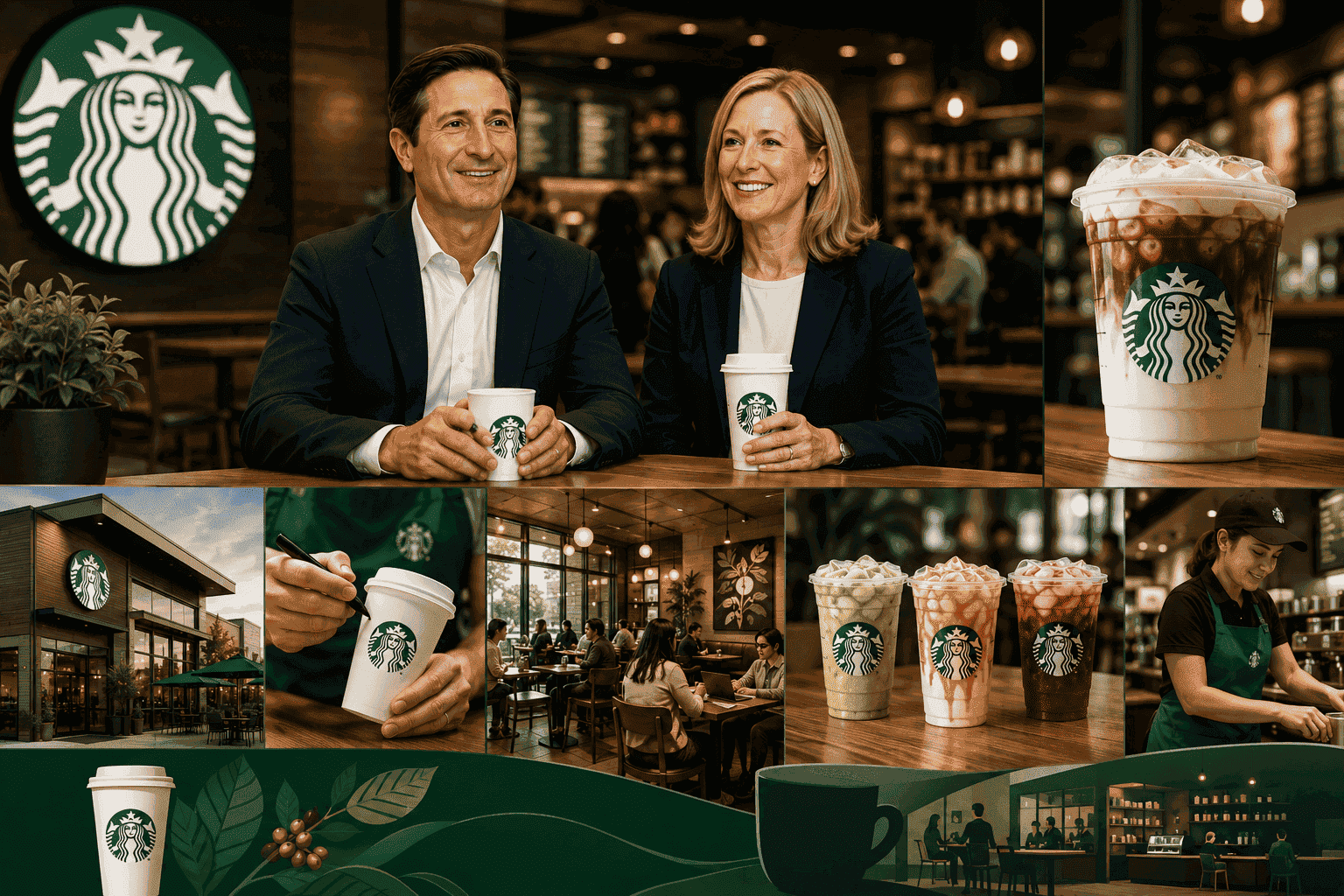
For investors tracking Starbucks' stock, these updates suggest a company still in the middle of a multi-year rebuilding effort rather than one that has fully turned the corner. The gap between current performance and pre-pandemic benchmarks gives management a built-in growth narrative, framing future same-store sales gains as recovery rather than just incremental improvement. At the same time, the heavy reliance on price increases to drive revenue growth raises questions about how much further that lever can be pulled before it starts to affect customer visit frequency, especially as competitors expand aggressively.
Starbucks' challenges reflect broader shifts in the coffee and quick-service beverage industry over the past several years. The rapid rise of drive-thru-focused chains has changed customer expectations around speed and convenience, areas where traditional café-style chains like Starbucks have historically been less competitive. At the same time, customization-heavy menus, popularized in part by chains built around energy drinks and Refresher-style beverages, have pushed legacy brands to broaden their own offerings to stay relevant with younger consumers.
One of the more interesting tensions in Starbucks' strategy is reconciling its long-standing "third place" identity, the idea of stores as a comfortable space to linger, with the reality that most customers now interact with the brand primarily through mobile orders, drive-thru, or quick pickups. Reintroducing seating and in-store touches like handwritten cups and refills suggests an attempt to recapture some of that original appeal without abandoning the convenience-focused infrastructure that now drives the bulk of transactions.
The push to compress product development timelines, cutting syrup creation time from 18 months to a target of four, reflects a broader industry trend where speed to market has become as important as the quality of the innovation itself. As smaller, more agile chains continue to introduce new flavors and formats at a rapid pace, larger companies like Starbucks face pressure to match that cadence in order to keep customers engaged and prevent market share erosion to newer entrants.