
How to Start a Restaurant With No Experience
Learn how to open a restaurant with no experience by planning your concept, budget, location, team, operations, and successful launch.
Business Management
Aug 19, 2026
Learn how to open a restaurant with no experience by planning your concept, budget, location, team, operations, and successful launch.
Aug 19, 2026
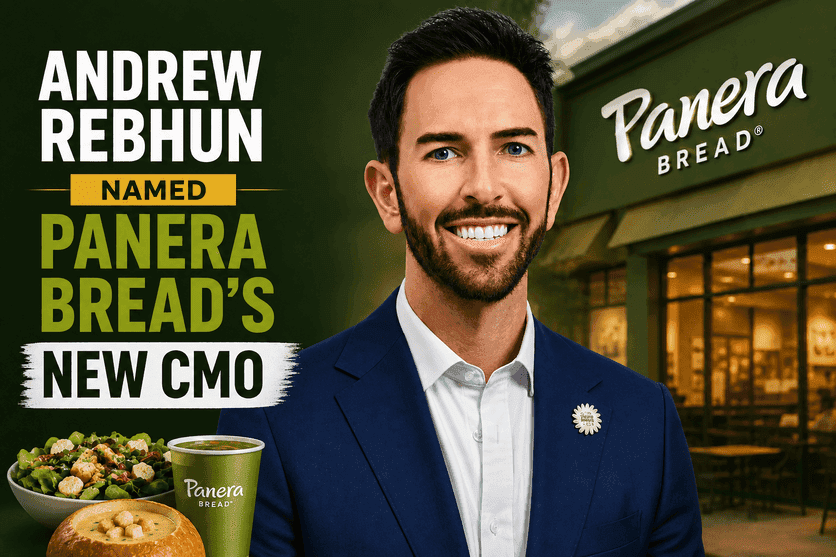
Panera Bread welcomes Andrew Rebhun as Chief Marketing Officer, succeeding Mark Shambura. Learn about his background at CAVA, El Pollo Loco, and McDonald's.
Aug 20, 2026

Payroll advances help restaurant owners give hourly employees earlier access to earned wages while maintaining accurate records, policies, and compliance.
Aug 19, 2026
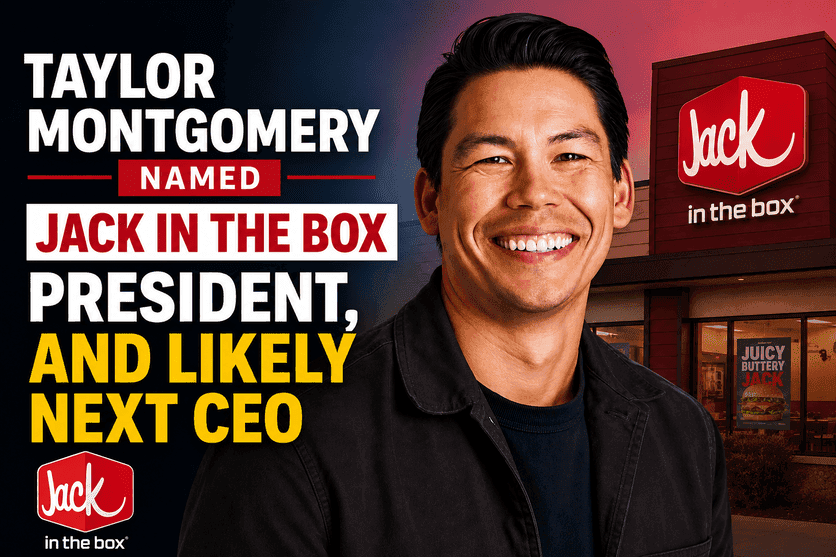
Taco Bell’s Taylor Montgomery has been appointed as President of Jack in the Box, positioning him to take over as CEO within a year - signaling major shifts for the QSR brand's future.
Aug 20, 2026
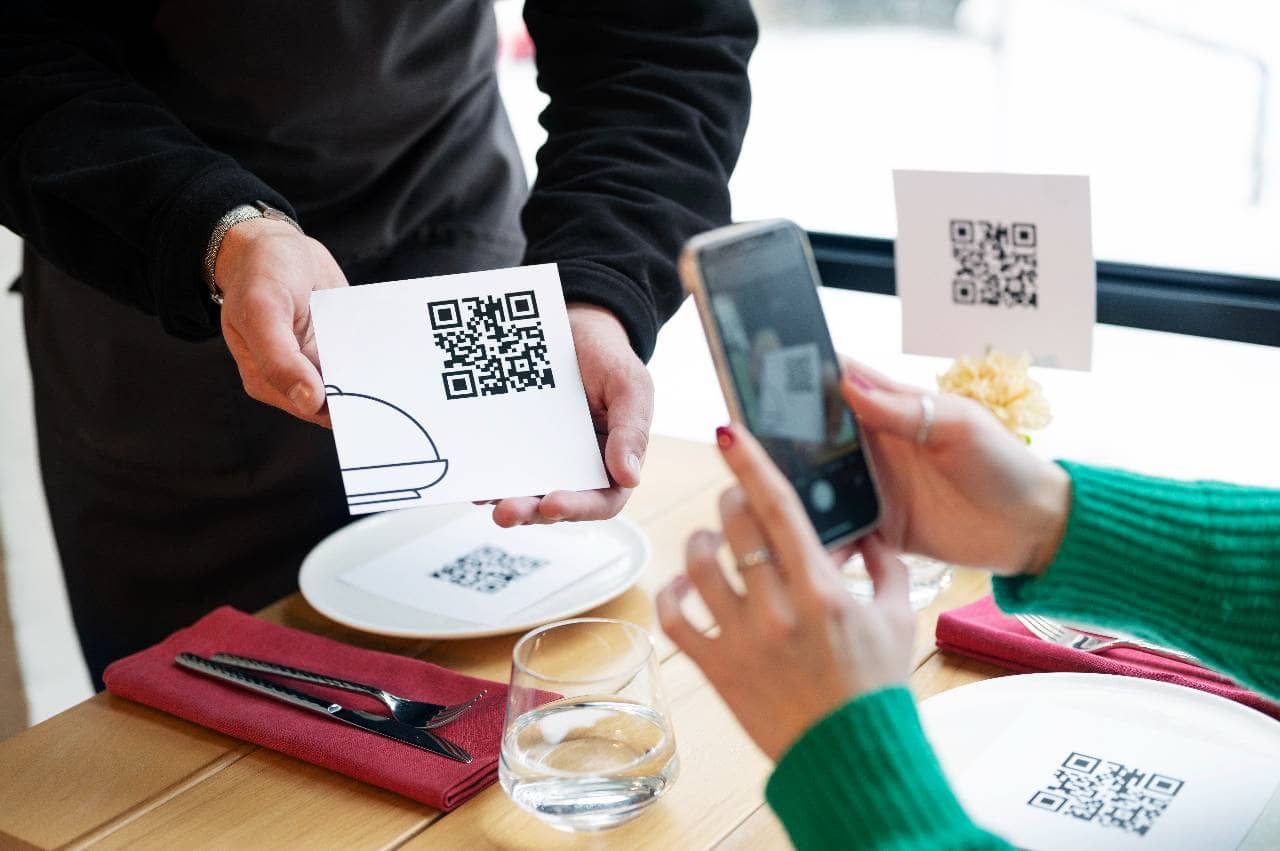
Explore the main types of ordering technology restaurants use to improve accuracy, speed, payments, customer convenience, and operational efficiency daily.
Aug 17, 2026

Learn the eight essential steps of the restaurant payroll process, from tracking hours and calculating wages to payments and recordkeeping.
Aug 17, 2026

Discover how restaurant SMS marketing works, from building subscriber lists and creating campaigns to improving engagement and measuring marketing performance.
Aug 14, 2026
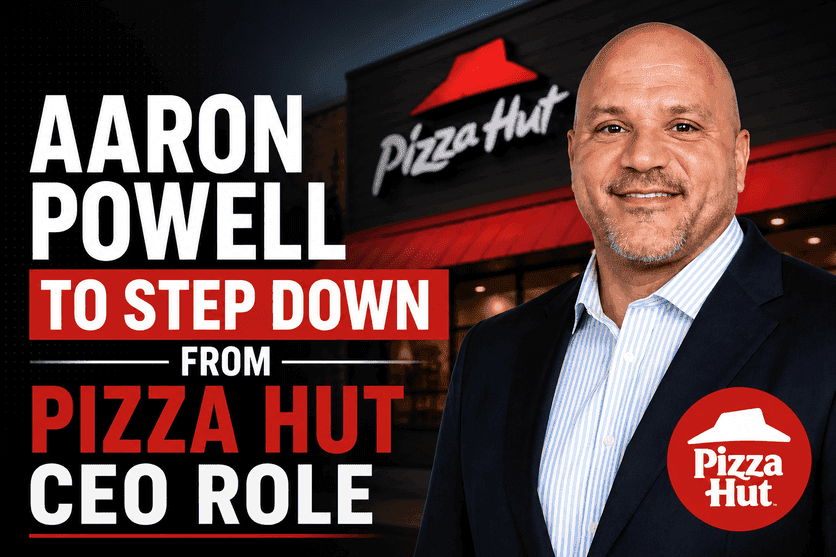
The transition of Pizza Hut's CEO, Aaron Powell, marks a pivotal moment for the chain and offers valuable leadership lessons for restaurant owners. Here’s what this executive change could mean for your business.
Aug 17, 2026
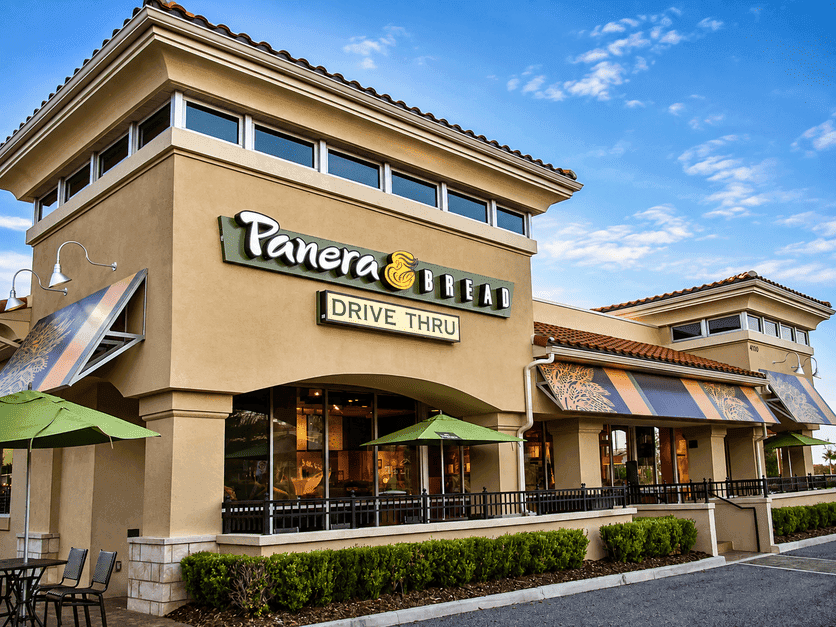
Panera Bread welcomes Andrew Rebhun as its new CMO to spearhead strategic brand growth and transformation, bolstering its vision for 2028.
Aug 17, 2026

Learn how to manage cash flow in your restaurant by tracking finances, controlling costs, forecasting needs, and building cash reserves.
Aug 14, 2026

Unlock Exclusive Access To Webinars, Events, And The Latest News For Free!
Explore how Kura Sushi USA Inc. leverages strategic market expansion and enhanced customer experiences for growth.
Kura Sushi USA Inc., a prominent player in the Japanese revolving service model, is strategically expanding into smaller markets to diversify its presence and test scalability. By venturing into cities like Bakersfield, Calif., the company is breaking away from its traditional focus on larger metropolitan areas. This strategic move allows Kura Sushi to assess the viability of its concept in markets with different demographic profiles and competitive landscapes.
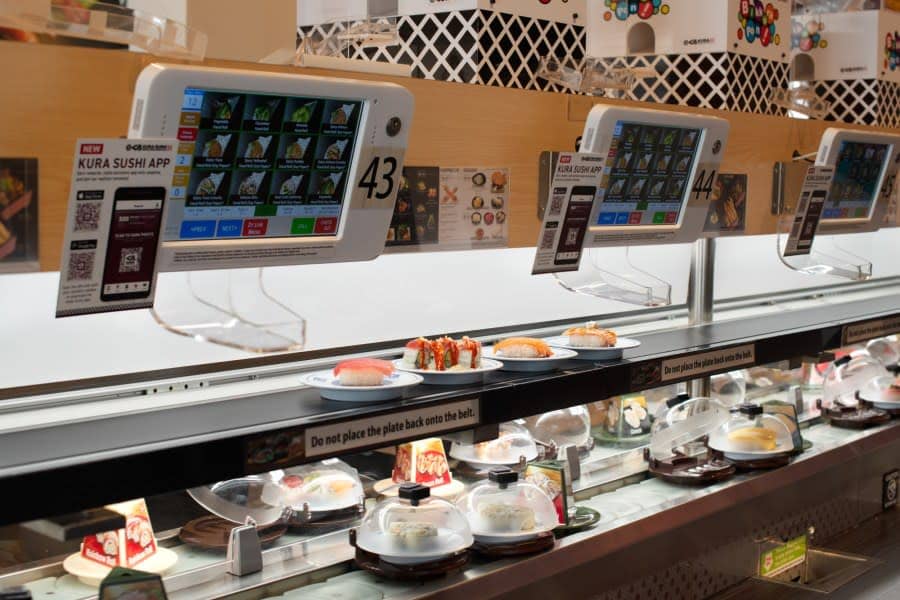
One of the key drivers behind Kura Sushi's success has been its relentless focus on enhancing the customer experience. By introducing a reservation and self-seating system, the company is addressing a critical aspect of the dining journey. This system not only improves convenience for patrons but also optimizes operational efficiency by potentially eliminating the need for dedicated hosting positions. Furthermore, the impending rollout of updated ordering panels and a redesigned Mr. Fresh 2.0 underscores Kura Sushi's commitment to modernizing its in-house processes and technologies to elevate guest satisfaction.
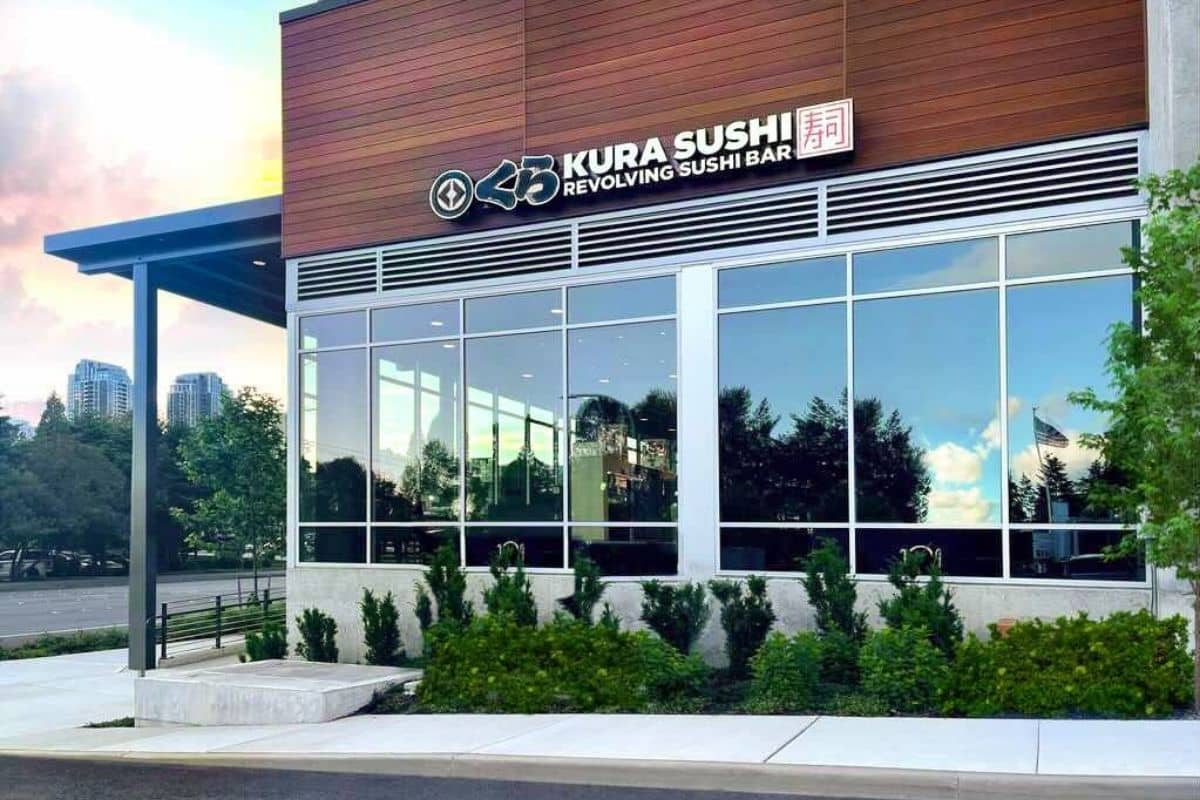
Despite experiencing a net loss in the first quarter, Kura Sushi USA remains optimistic about its growth potential. With an increase in same-store sales and a strategic expansion strategy into untapped markets, the company is poised for long-term success. The positive customer response from its Bakersfield location and the confidence gained from successful openings in other cities signal a promising trajectory for Kura Sushi's expansion plans.