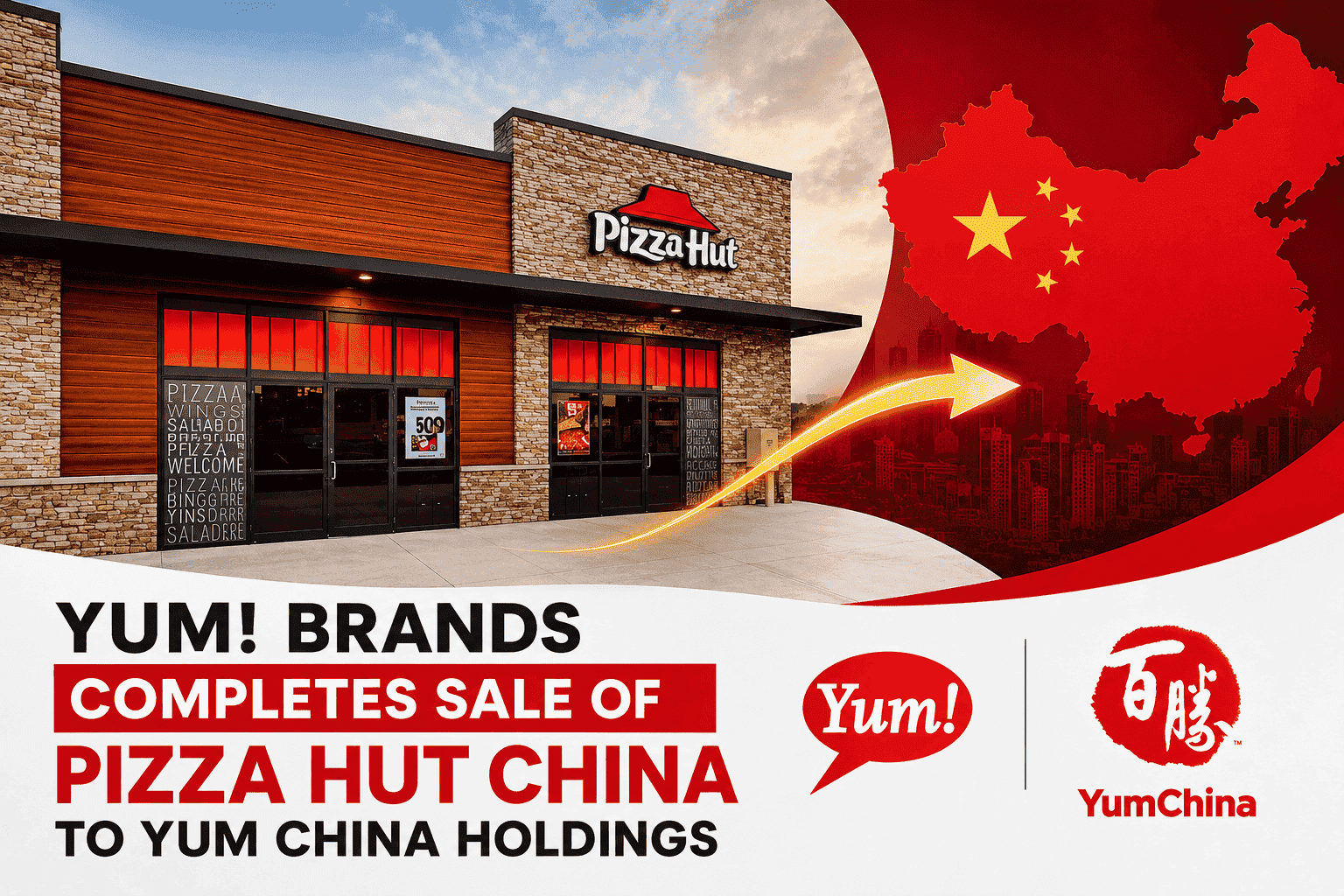
Pizza Hut’s $1.2B China Sale Shakes Up Market
Yum! Brands has finalized a $1.2B deal to transfer Pizza Hut China to Yum China Holdings, signaling big strategic moves for both global franchisors and operators.
News
Aug 7, 2026
Yum! Brands has finalized a $1.2B deal to transfer Pizza Hut China to Yum China Holdings, signaling big strategic moves for both global franchisors and operators.
Aug 7, 2026
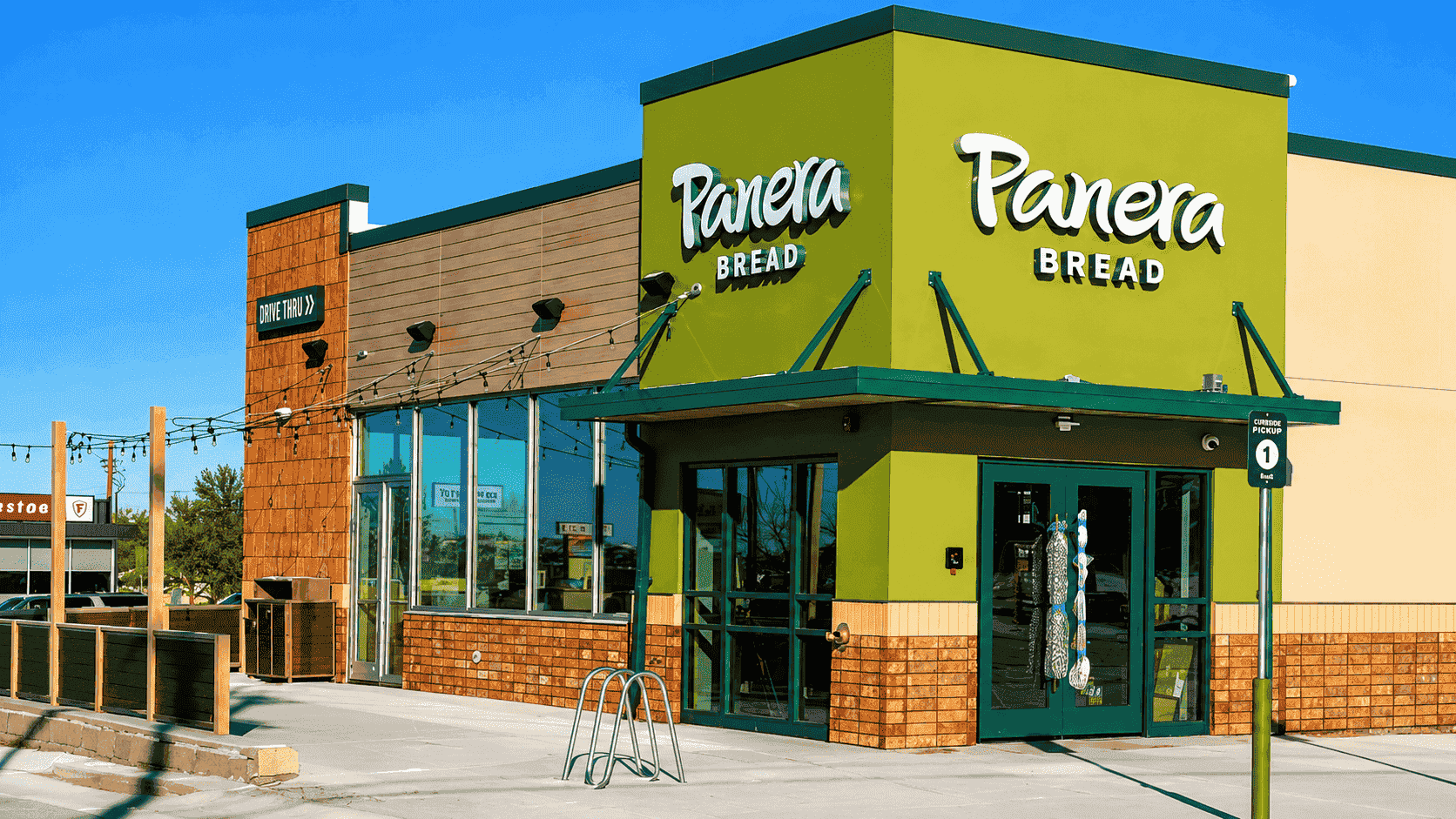
Panera Bread appoints industry veteran Andy Rebhun as Chief Marketing Officer, ushering in a new era of brand growth and consumer engagement.
Aug 7, 2026
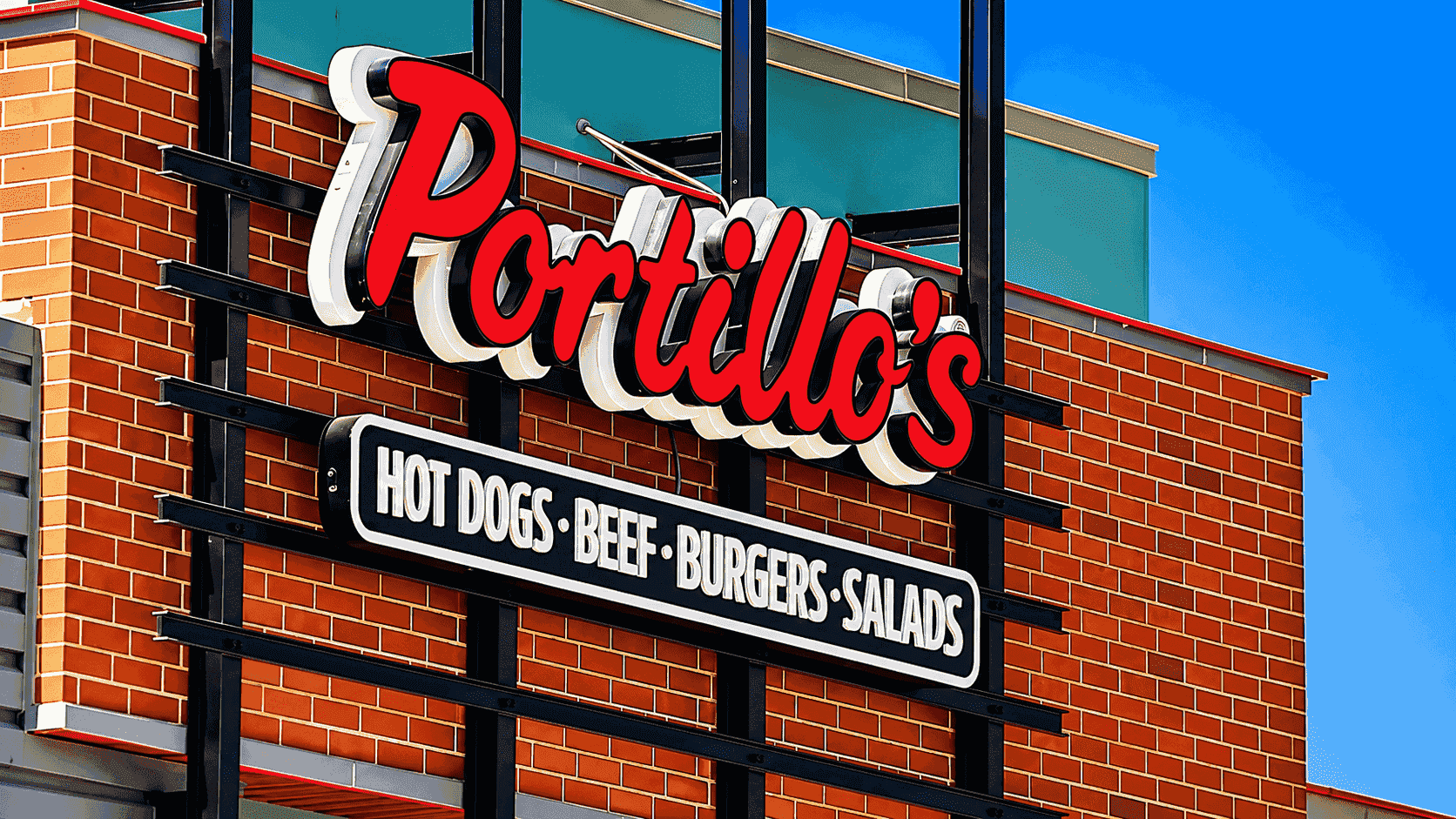
Portillo’s trims 18% of its corporate staff in a bid to refocus resources on restaurant excellence and navigate operational challenges. Discover what the changes mean for the chain’s future.
Aug 7, 2026
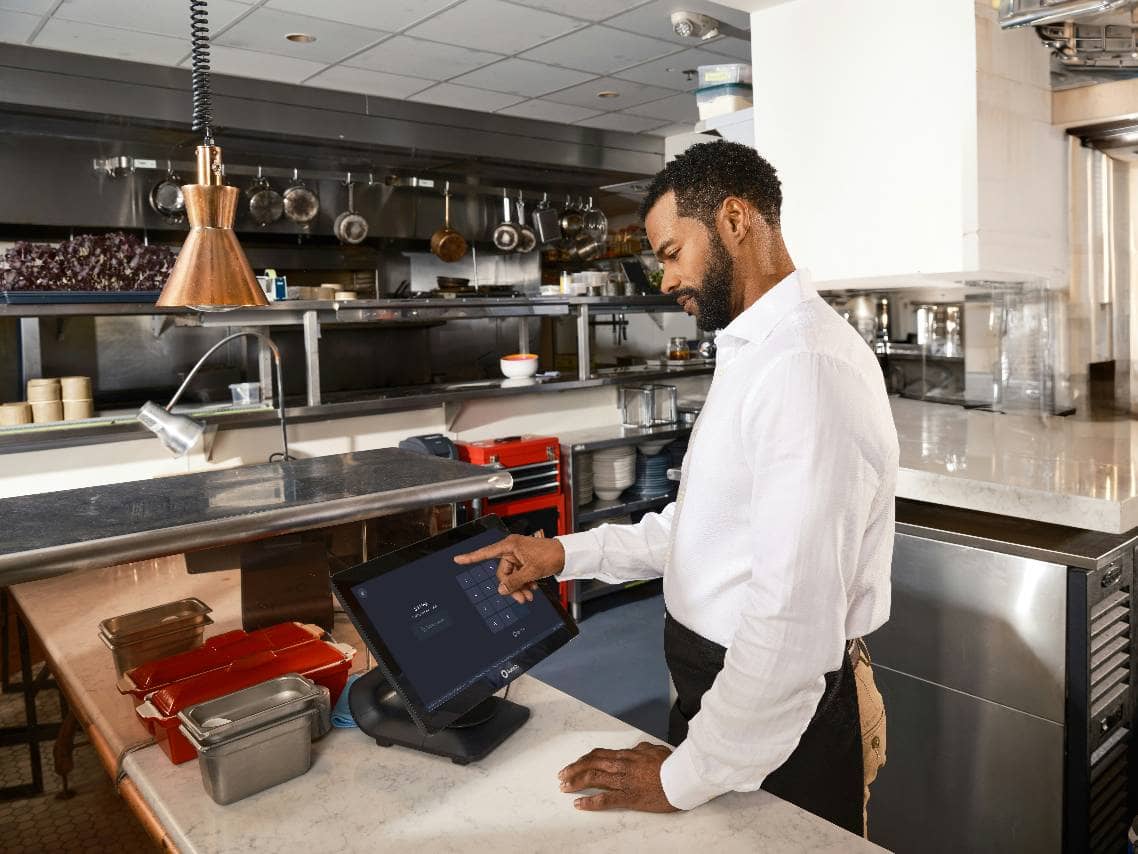
Scheduling software helps restaurants save time, control labor costs, improve communication, prevent conflicts, support compliance, and make smarter staffing decisions.
Aug 5, 2026
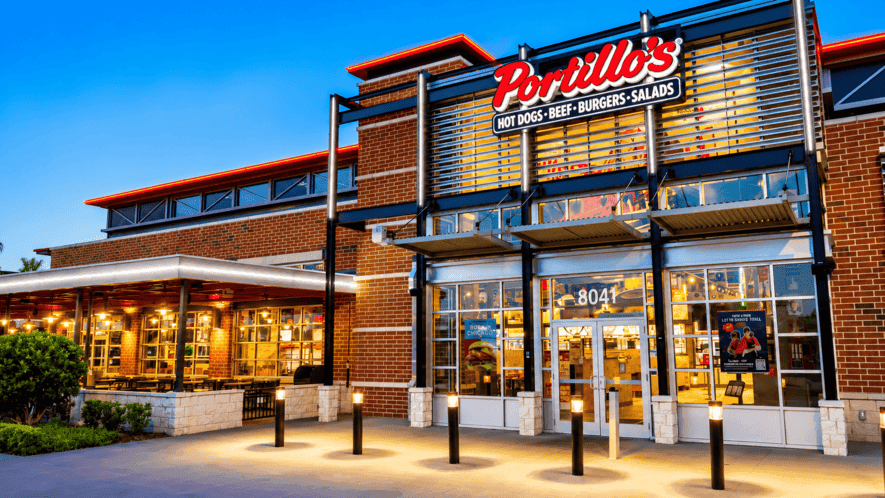
Portillo’s trims corporate and field roles by 18% in a strategic shake-up to support future growth after soft traffic and sales. Read what this means for multi-unit operators.
Aug 6, 2026
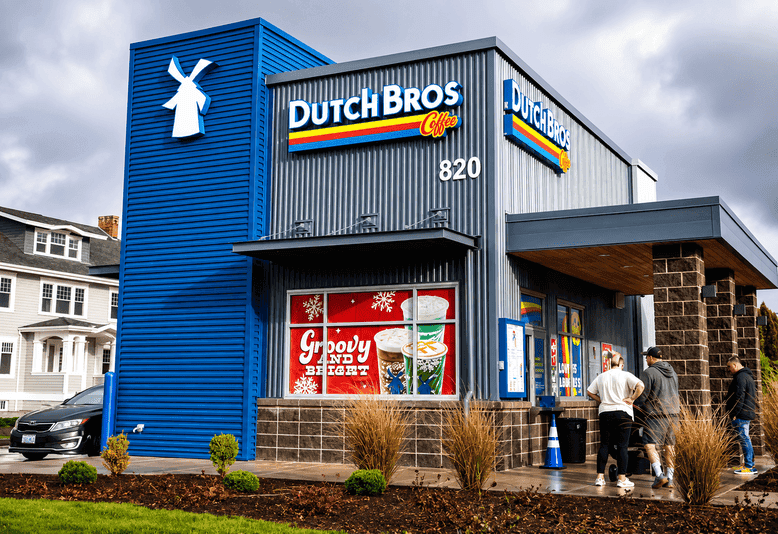
Dutch Bros invests $105 million to acquire Salad and Go’s closed locations, targeting rapid expansion in key southern markets. Learn what this means for multi-unit restaurant owners and operators.
Aug 6, 2026
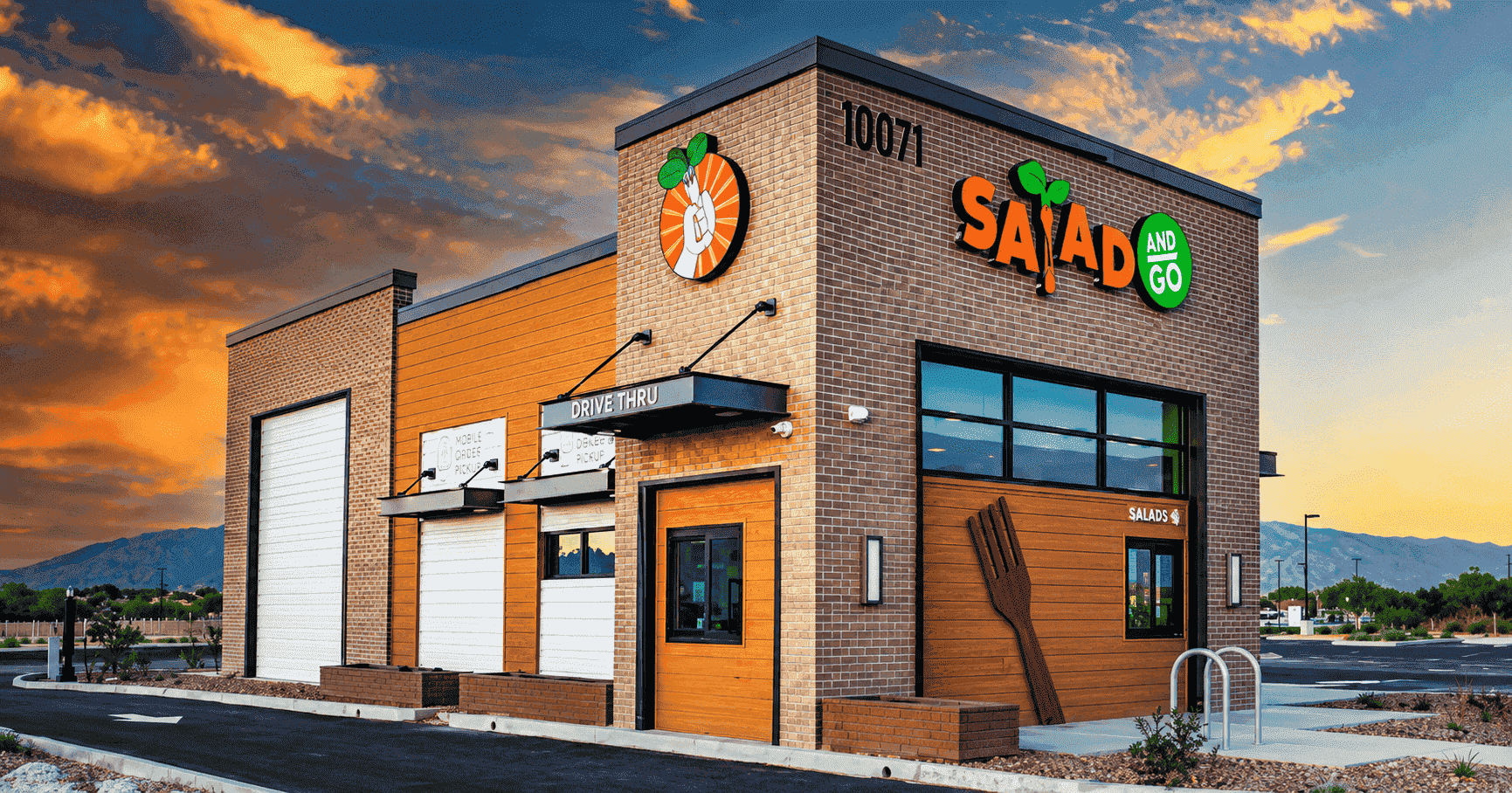
Salad and Go's bankruptcy and closure offer key lessons on growth, risk management, and market dynamics for restaurant leaders. See what every operator can learn.
Aug 5, 2026

Learn how to calculate prime cost, track food and labor expenses, measure percentages, identify problems, and improve restaurant profitability consistently.
Aug 5, 2026

Portillo’s announces industry veteran Kevin Kalicak as its new CFO and Treasurer, underscoring the brand’s growth strategy and financial vision.
Aug 5, 2026
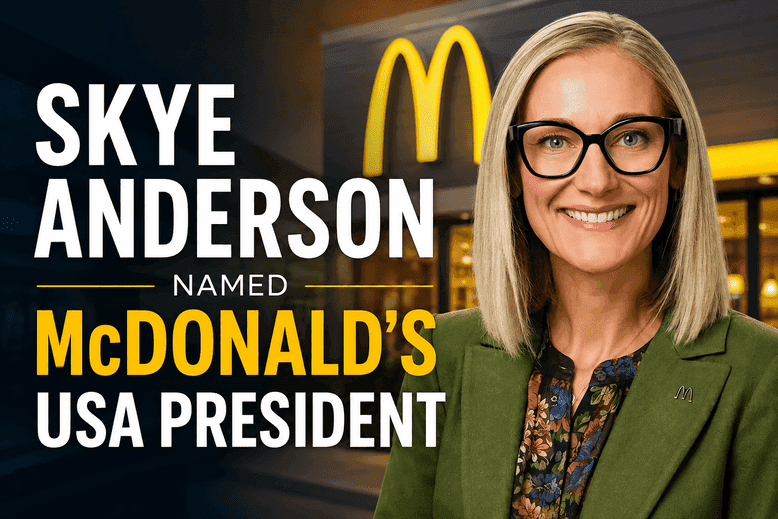
Skye Anderson will lead McDonald's USA as its new president, stepping in to accelerate growth and revive sales. Learn how her leadership could shape the future of the restaurant industry.
Aug 4, 2026
Explore the latest developments in the restaurant industry, from McDonald's shifting its DEI policy to KFC's transformation plan and the impact of merger and acquisition activity on regional brands.
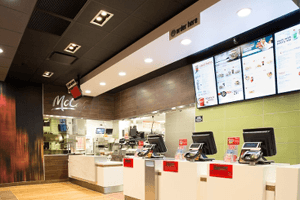
McDonald's recent announcement regarding its decision to walk back its official Diversity, Equity, and Inclusion (DEI) policy has sparked discussions within the restaurant industry. This move comes at a time when many companies are reevaluating their diversity initiatives and practices. While specifics about McDonald's revised approach are yet to be fully disclosed, the brand's pivot emphasizes the ongoing importance of fostering inclusivity and equality within the workplace.

Restaurants, including fast-food chains like McDonald's and KFC, are recognizing the significance of diversifying their talent pipelines. By incorporating individuals from various backgrounds, cultures, and experiences, companies can benefit from a more innovative and dynamic workforce. Diversity in talent pipelines not only enhances creativity and problem-solving but also enables organizations to better understand and cater to diverse consumer demographics.
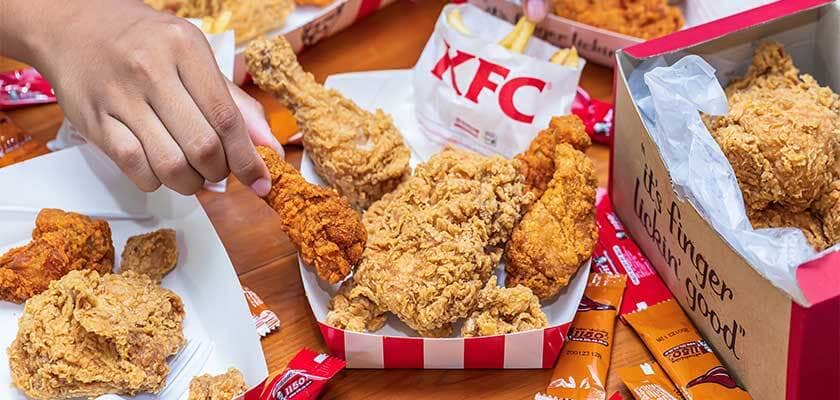
KFC faced challenges in 2024, experiencing consecutive quarters of negative same-store sales and decreasing system sales despite a strong demand for chicken products. In response, the chain unveiled a transformation plan aimed at revitalizing its brand and reinvigorating growth. This strategic initiative encompasses comprehensive changes such as menu innovation, store redesigns, and enhanced customer experiences to attract and retain customers in a competitive market.
As KFC implements its transformation plan, industry experts are eager to see if the new strategies will reverse the brand's recent sales slumps and propel it towards success. By adapting to evolving consumer preferences, streamlining operations, and differentiating itself from competitors, KFC aims to regain market share and satisfy customer demands. The success of this transformation plan will be a critical indicator of KFC's ability to adapt and thrive in a changing industry landscape.
With merger and acquisition activity gaining momentum in 2025, smaller regional restaurant brands are facing new opportunities and challenges. The consolidation within the industry can provide regional brands with access to resources, technology, and wider market reach. However, it also brings increased competition and the need to differentiate themselves to maintain market relevance. Understanding the implications of mergers and acquisitions is crucial for regional brands to navigate the evolving competitive landscape effectively.