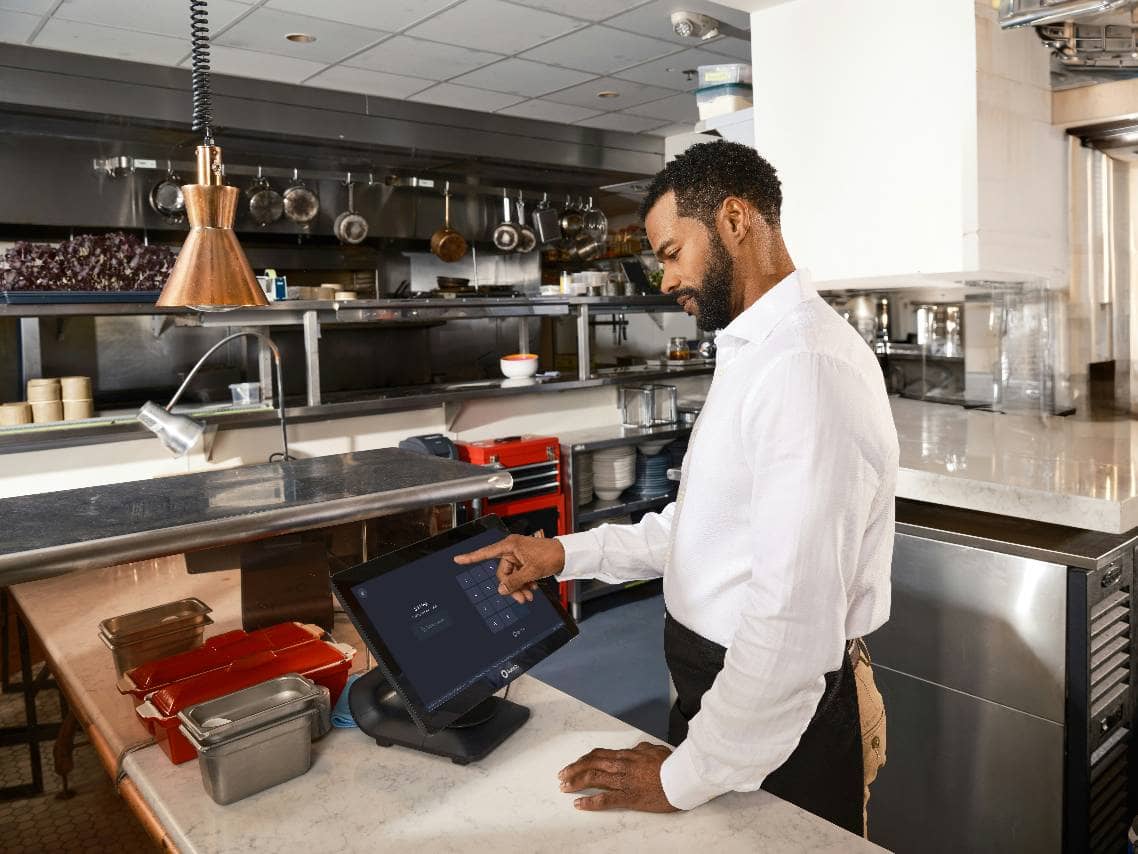
The Benefits of Scheduling Software for Restaurants
Scheduling software helps restaurants save time, control labor costs, improve communication, prevent conflicts, support compliance, and make smarter staffing decisions.
Technology
Aug 5, 2026
Scheduling software helps restaurants save time, control labor costs, improve communication, prevent conflicts, support compliance, and make smarter staffing decisions.
Aug 5, 2026
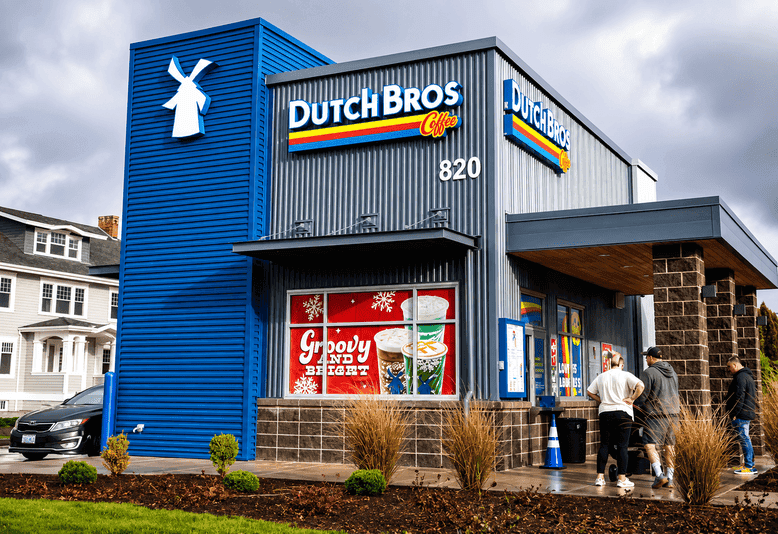
Dutch Bros invests $105 million to acquire Salad and Go’s closed locations, targeting rapid expansion in key southern markets. Learn what this means for multi-unit restaurant owners and operators.
Aug 6, 2026
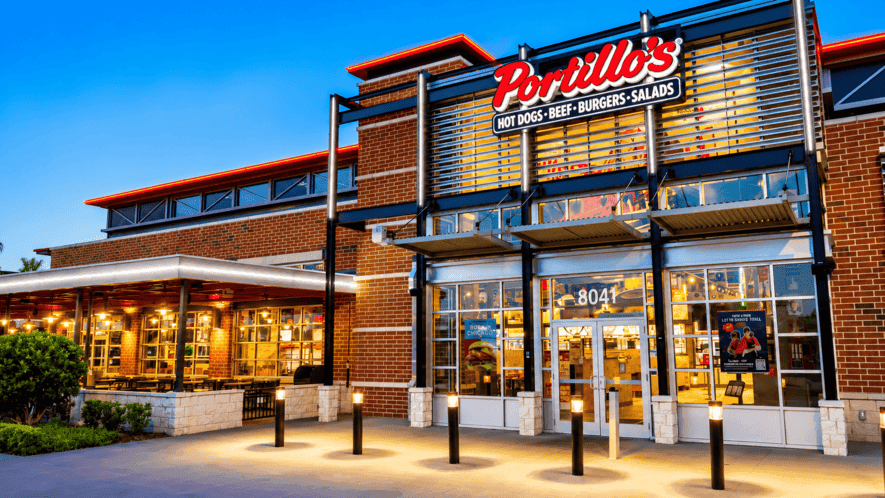
Portillo’s trims corporate and field roles by 18% in a strategic shake-up to support future growth after soft traffic and sales. Read what this means for multi-unit operators.
Aug 6, 2026
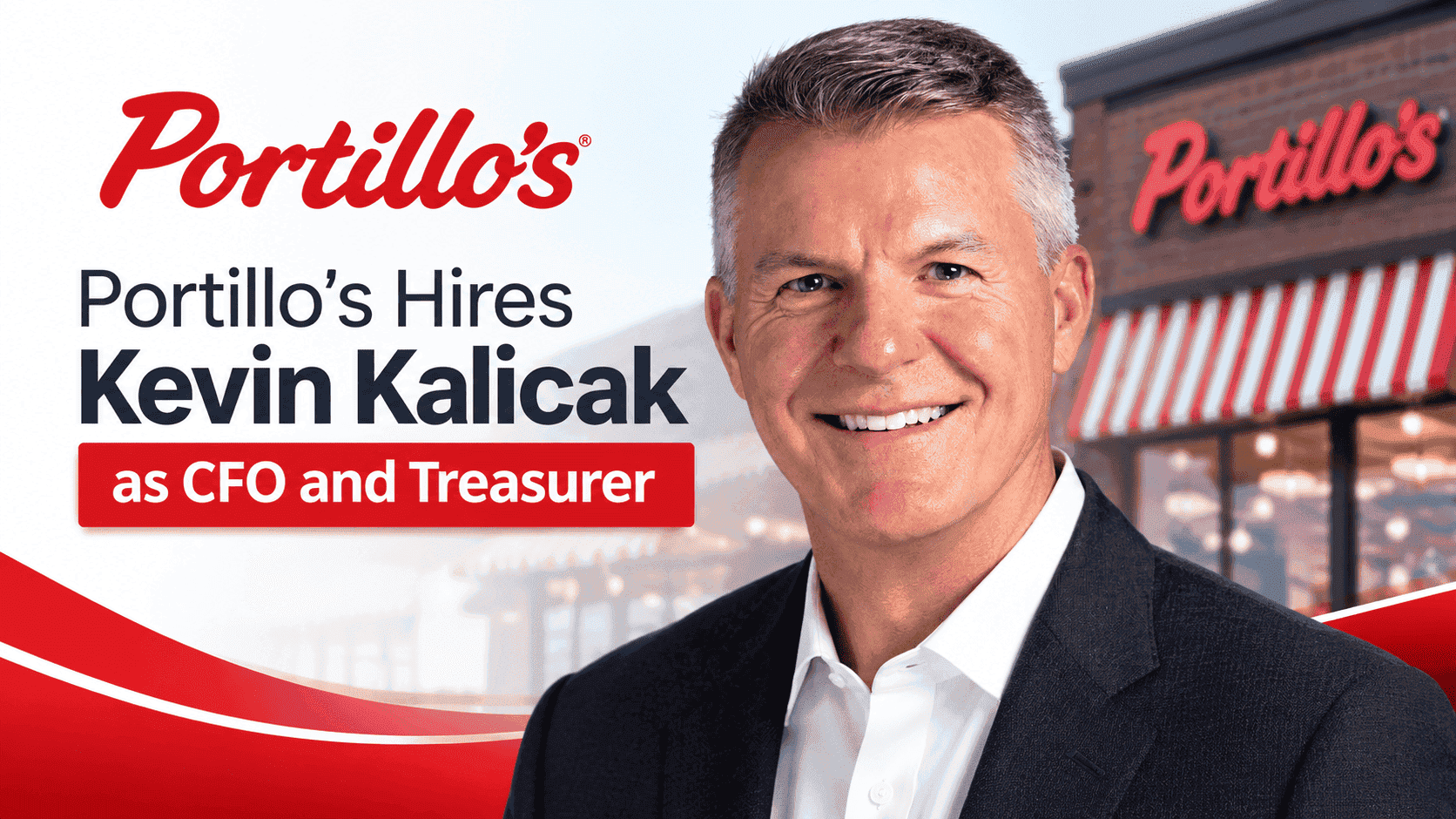
Portillo’s announces industry veteran Kevin Kalicak as its new CFO and Treasurer, underscoring the brand’s growth strategy and financial vision.
Aug 5, 2026
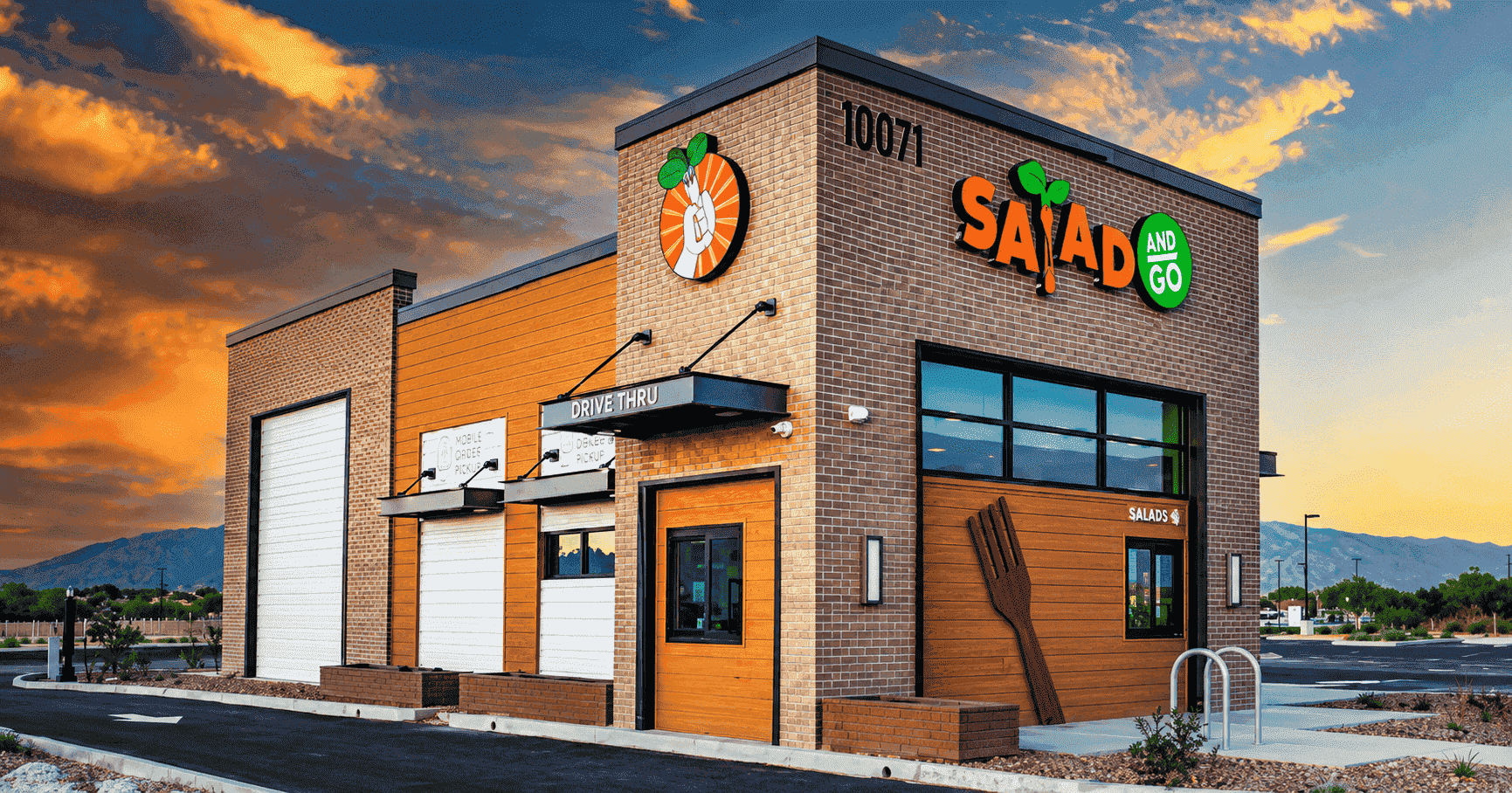
Salad and Go's bankruptcy and closure offer key lessons on growth, risk management, and market dynamics for restaurant leaders. See what every operator can learn.
Aug 5, 2026

Learn how to calculate prime cost, track food and labor expenses, measure percentages, identify problems, and improve restaurant profitability consistently.
Aug 5, 2026
Checkers & Rally’s welcomes Peter Busse as Chief Development Officer, signaling a new era of strategic expansion and franchise support for the quick-service brand.
Aug 4, 2026
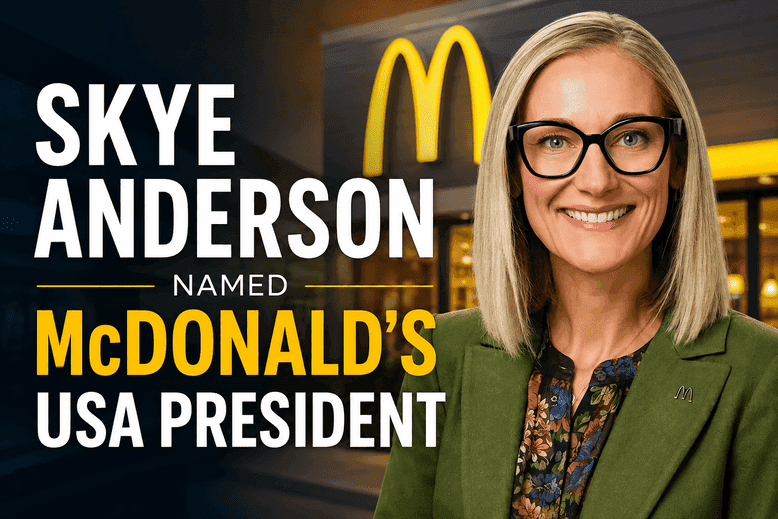
Skye Anderson will lead McDonald's USA as its new president, stepping in to accelerate growth and revive sales. Learn how her leadership could shape the future of the restaurant industry.
Aug 4, 2026
Dave & Buster’s announces Tarun Lal’s retirement as CEO, welcoming Darin Harper to the helm as the brand continues its Back-to-Basics strategy and growth initiatives.
Aug 4, 2026
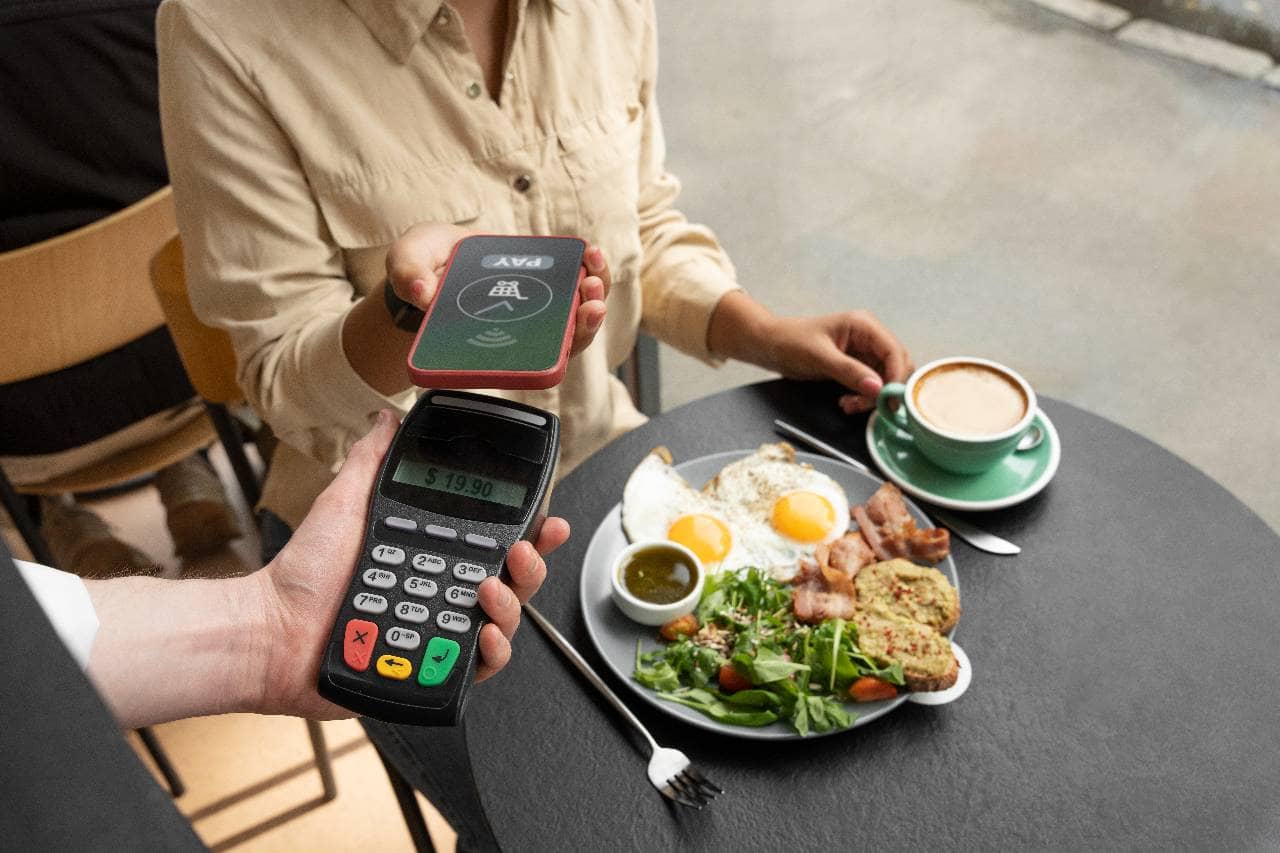
Explore restaurant payment processing and learn how payments are authorized, settled, secured, reconciled, refunded, disputed, and deposited into business accounts.
Aug 3, 2026
Explore the potential consequences of DoorDash acquiring Deliveroo and the implications for the food delivery market. Learn from past international acquisitions in the industry.

Photo by UAVWRIGHT Productions
DoorDash, a key player in the U.S. food delivery market, has been expanding its reach beyond national borders through strategic acquisitions. The potential acquisition of Deliveroo, with its significant presence in the U.K., Ireland, and other international markets, could mark a milestone in DoorDash's global expansion strategy. By leveraging Deliveroo's existing infrastructure and customer base in diversified geographies, DoorDash aims to solidify its position as a leading player in the competitive food delivery industry.

Photo by UAVWRIGHT Productions
International acquisitions in the food delivery sector have showcased a mixed record of success. Companies like Just Eat Takeaway ventured into the U.S. market through the acquisition of Grubhub, aiming for market dominance. However, the eventual sale of Grubhub for significantly less than the acquisition price highlights the challenges and risks associated with cross-border acquisitions. DoorDash's potential acquisition of Deliveroo must carefully consider these past lessons to ensure a successful integration and sustained growth in new markets.
The acquisition of Deliveroo by DoorDash would undoubtedly shake up the food delivery industry's competitive landscape. With DoorDash's proven track record in technology-driven innovations and operational efficiency coupled with Deliveroo's strong market presence in Europe and other regions, the combined entity could pose a formidable challenge to competitors globally. This move could trigger further consolidation in the industry as players strive to enhance their market positions and offerings to meet evolving consumer demands.
Entering new markets requires a deep understanding of local preferences, regulations, and business practices. DoorDash's acquisition of Deliveroo presents an opportunity to implement tailored market penetration and localization strategies across diverse regions. By adapting to local cultures, cuisines, and consumer behaviors, the merged entity can establish stronger connections with customers and create a competitive edge in each market. This localized approach is crucial for sustainable growth and customer loyalty in the highly competitive food delivery sector.