The Benefits of Scheduling Software for Restaurants
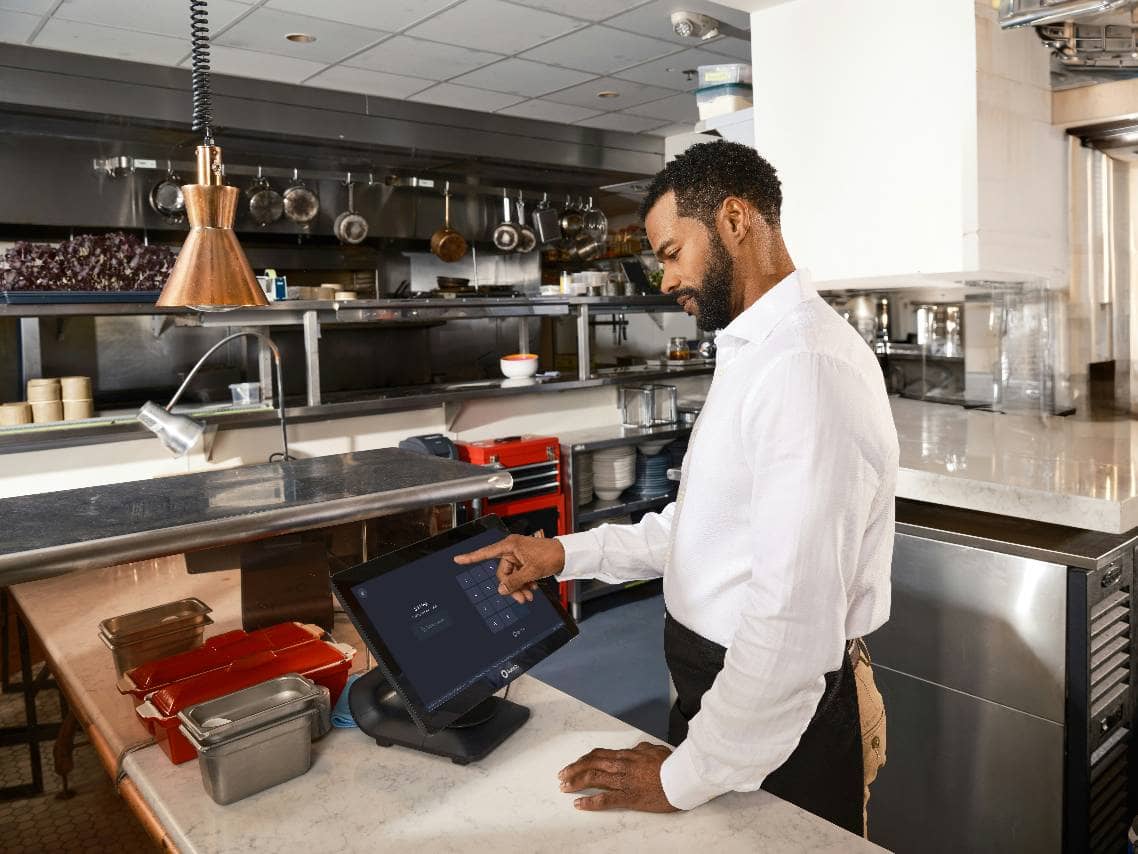
Scheduling software helps restaurants save time, control labor costs, improve communication, prevent conflicts, support compliance, and make smarter staffing decisions.
Technology
Aug 5, 2026
Scheduling software helps restaurants save time, control labor costs, improve communication, prevent conflicts, support compliance, and make smarter staffing decisions.
Aug 5, 2026
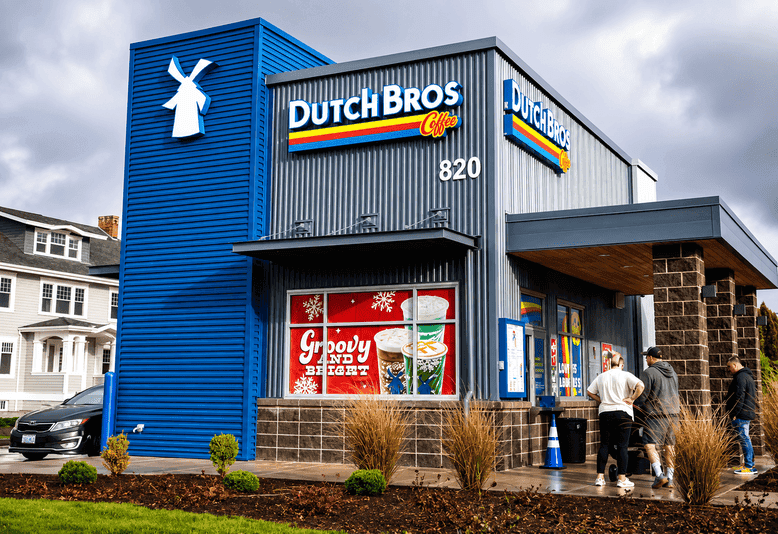
Dutch Bros invests $105 million to acquire Salad and Go’s closed locations, targeting rapid expansion in key southern markets. Learn what this means for multi-unit restaurant owners and operators.
Aug 6, 2026
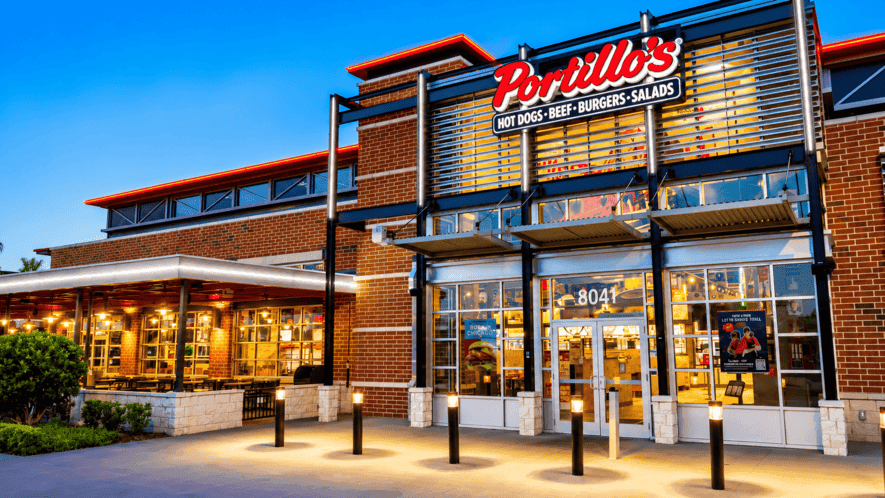
Portillo’s trims corporate and field roles by 18% in a strategic shake-up to support future growth after soft traffic and sales. Read what this means for multi-unit operators.
Aug 6, 2026
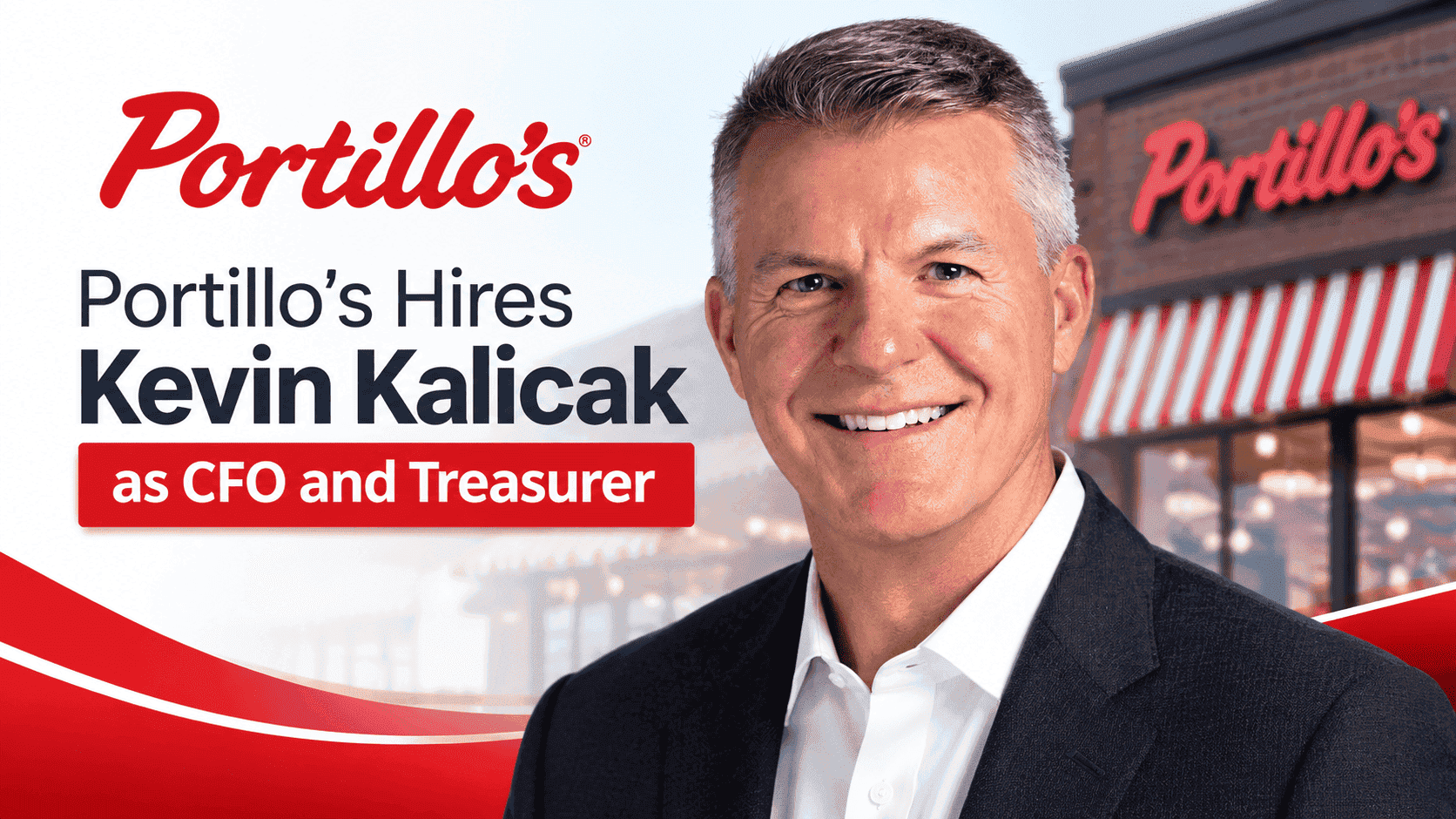
Portillo’s announces industry veteran Kevin Kalicak as its new CFO and Treasurer, underscoring the brand’s growth strategy and financial vision.
Aug 5, 2026
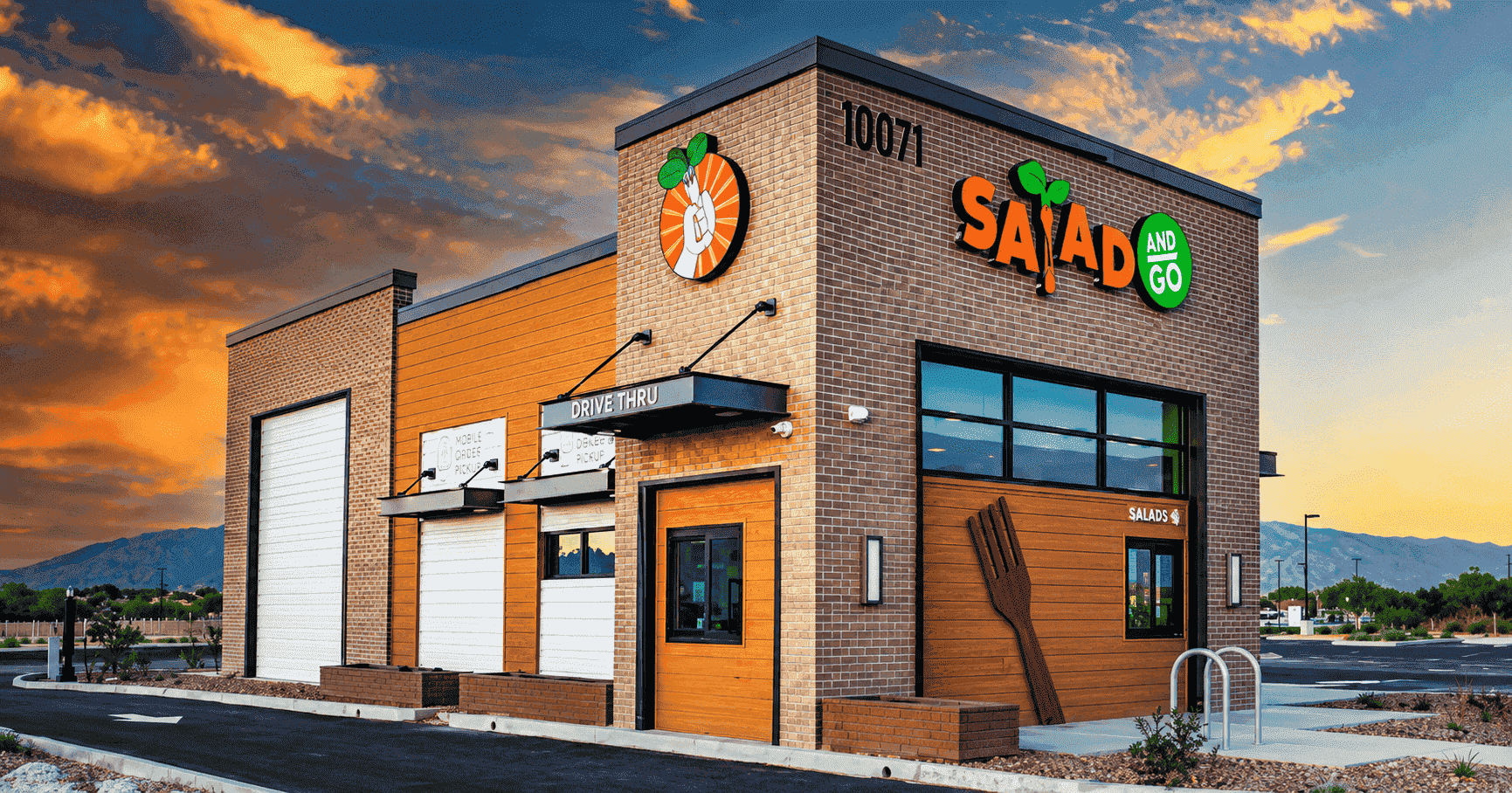
Salad and Go's bankruptcy and closure offer key lessons on growth, risk management, and market dynamics for restaurant leaders. See what every operator can learn.
Aug 5, 2026

Learn how to calculate prime cost, track food and labor expenses, measure percentages, identify problems, and improve restaurant profitability consistently.
Aug 5, 2026
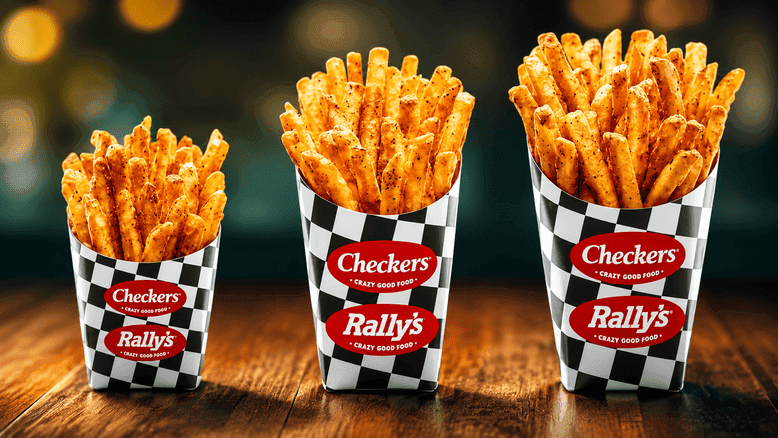
Checkers & Rally’s welcomes Peter Busse as Chief Development Officer, signaling a new era of strategic expansion and franchise support for the quick-service brand.
Aug 4, 2026
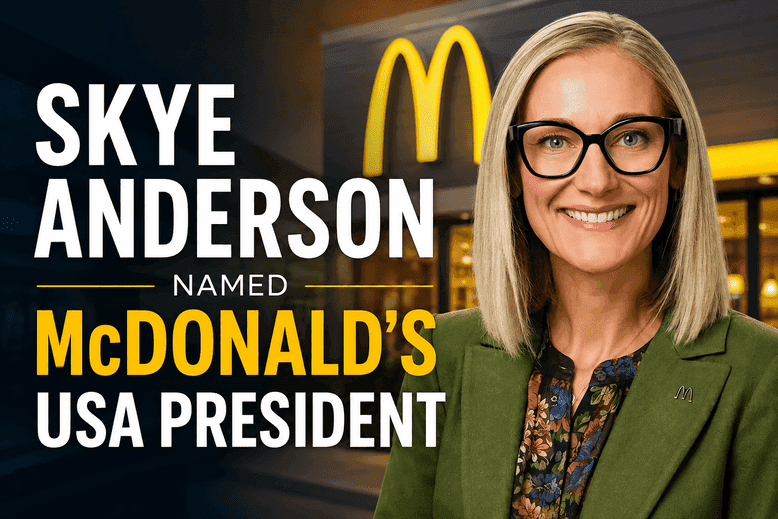
Skye Anderson will lead McDonald's USA as its new president, stepping in to accelerate growth and revive sales. Learn how her leadership could shape the future of the restaurant industry.
Aug 4, 2026
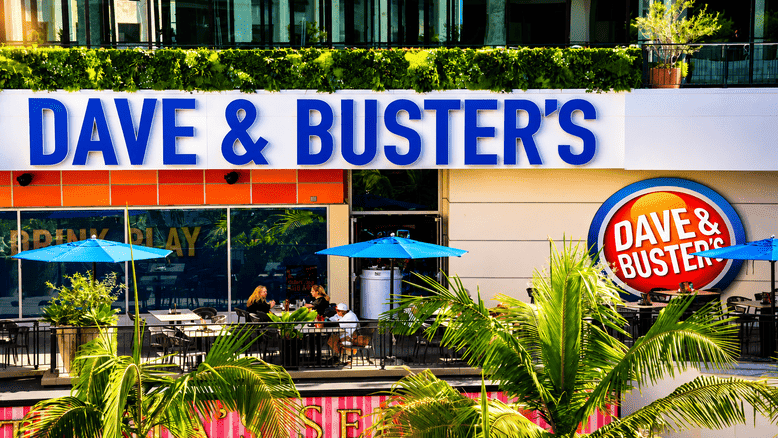
Dave & Buster’s announces Tarun Lal’s retirement as CEO, welcoming Darin Harper to the helm as the brand continues its Back-to-Basics strategy and growth initiatives.
Aug 4, 2026
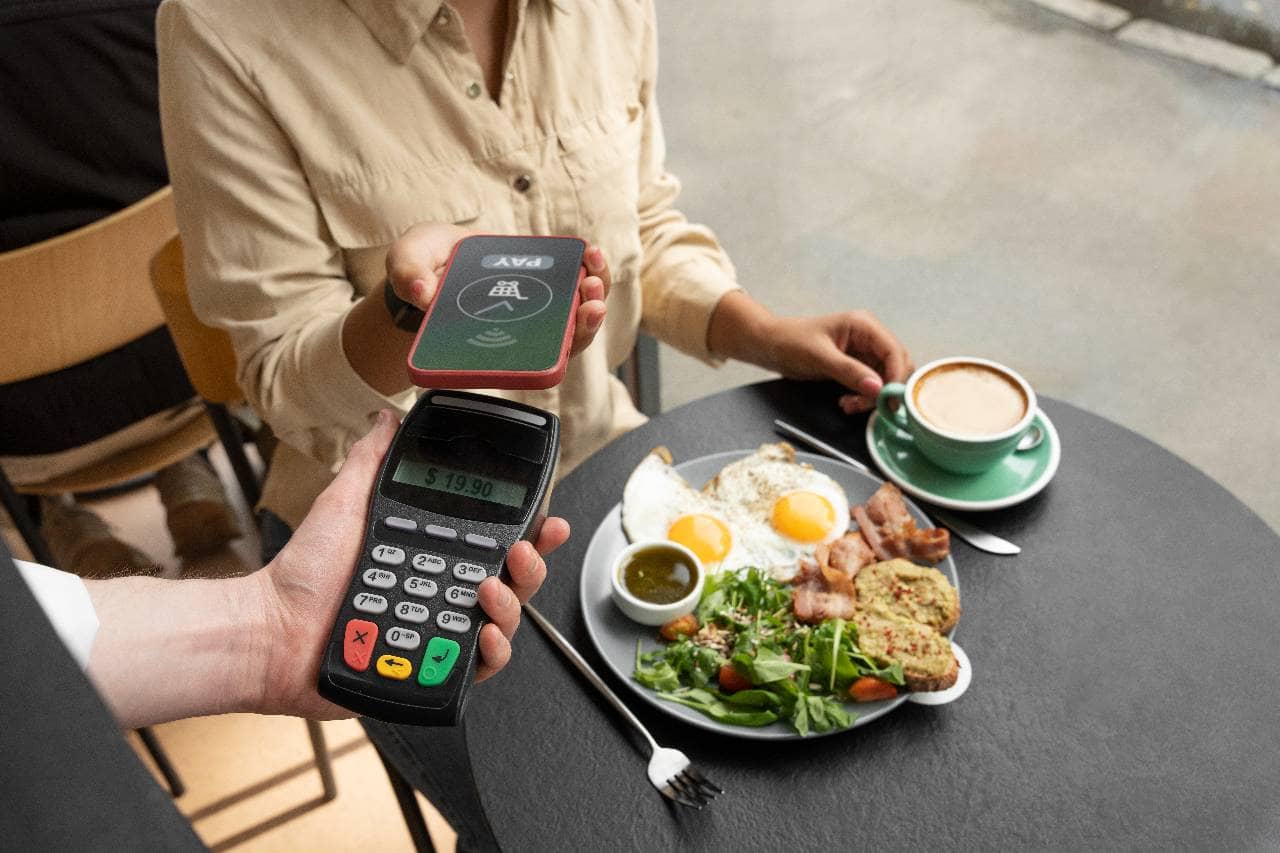
Explore restaurant payment processing and learn how payments are authorized, settled, secured, reconciled, refunded, disputed, and deposited into business accounts.
Aug 3, 2026
The pivotal role of franchisees in the restaurant sector and how they contribute to brand expansion and market growth.

Franchisees serve as the veins that spread the creative ideas of founders and chefs throughout the restaurant industry. They play a critical role in the success of the business by enabling brands to expand rapidly using external funding. Whether it's a novice owner managing a couple of franchise locations or an experienced veteran shaping the industry, franchisees make a significant impact on a business's prosperity.
Sam Batt's journey into frozen yogurt franchising began with a passion for entrepreneurship after working at a consulting firm. His decision to venture into franchising stemmed from a desire to own his own business and a love for the TCBY brand. Batt's strategic move to introduce self-serve options aligned with market trends, highlighting the importance of adapting to changing consumer preferences.
As an area developer, Sam Batt not only operates TCBY franchises but also supports other franchisees in expanding the brand within designated territories. This role involves identifying potential franchisees, guiding them through the establishment process, and providing ongoing operational and marketing assistance. By assuming the responsibility of a developer, franchisees like Batt contribute significantly to brand growth and market presence.
Sam Batt's success story with TCBY showcases the positive reception of established brands among consumers. The nostalgia associated with TCBY attracted customers to Batt's outlets, prompting him to consider large-scale expansion. Overcoming challenges such as landlord preferences for trendy brands, Batt's strategic approach led to the successful establishment of multiple TCBY locations, demonstrating the power of brand recognition and consumer loyalty.
Managing a franchise involves constant dedication, resembling the round-the-clock commitment required in parenting. Sam Batt's analogy of viewing his stores as 'children with distinct personalities' reflects the deep personal investment that franchise owners make. Despite the demanding nature of the business, the flexibility afforded by franchise ownership allows individuals to balance work commitments with personal life.
Cobranding offers franchisees opportunities to diversify their business portfolio and tap into new markets. Sam Batt's decision to combine TCBY with Mrs. Field’s in a dual-branded venture exemplifies the strategic benefits of cobranding. By leveraging seasonal demand variations and local market preferences, franchisees can maximize revenue streams and enhance brand visibility.
Sam Batt's vision for expanding the Mrs. Field’s brand underscores the long-term planning and strategic foresight typical of successful franchise operators. By identifying new franchise opportunities and nurturing potential owners, Batt aims to further strengthen the presence of Famous Brands in the market. The focus on sustainable growth and brand building reflects the entrepreneurial spirit driving franchisee initiatives.
Famous Brands' approach to allowing franchisees flexibility in operating their stores highlights the importance of personalization in the franchise model. By tailoring offerings to meet local preferences and customer demands, franchisees can create unique store identities that resonate with their target market. This customization not only enhances customer satisfaction but also fosters innovation and adaptability in the competitive food industry.