
How to Start a Restaurant With No Experience
Learn how to open a restaurant with no experience by planning your concept, budget, location, team, operations, and successful launch.
Business Management
Aug 19, 2026
Learn how to open a restaurant with no experience by planning your concept, budget, location, team, operations, and successful launch.
Aug 19, 2026
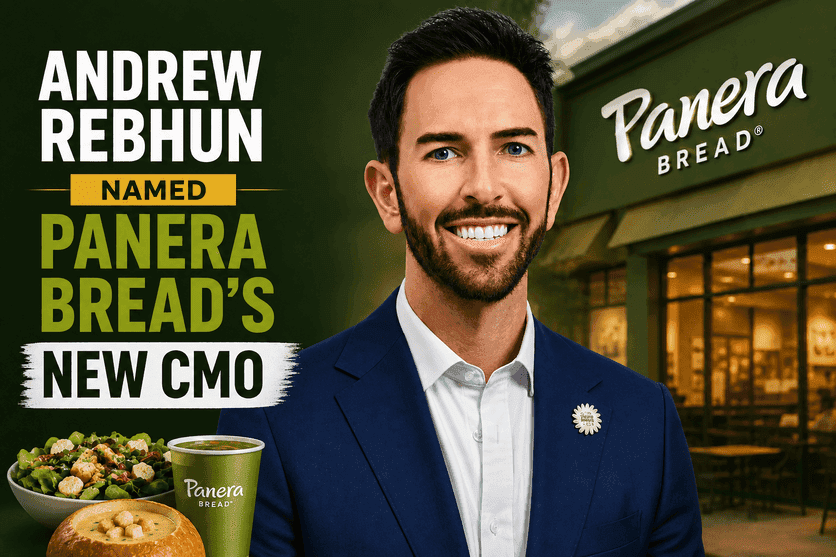
Panera Bread welcomes Andrew Rebhun as Chief Marketing Officer, succeeding Mark Shambura. Learn about his background at CAVA, El Pollo Loco, and McDonald's.
Aug 20, 2026

Payroll advances help restaurant owners give hourly employees earlier access to earned wages while maintaining accurate records, policies, and compliance.
Aug 19, 2026
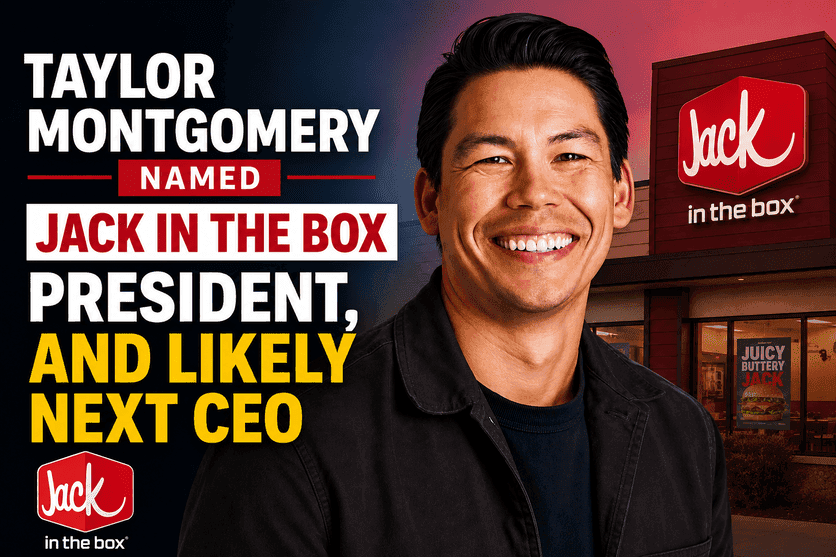
Taco Bell’s Taylor Montgomery has been appointed as President of Jack in the Box, positioning him to take over as CEO within a year - signaling major shifts for the QSR brand's future.
Aug 20, 2026
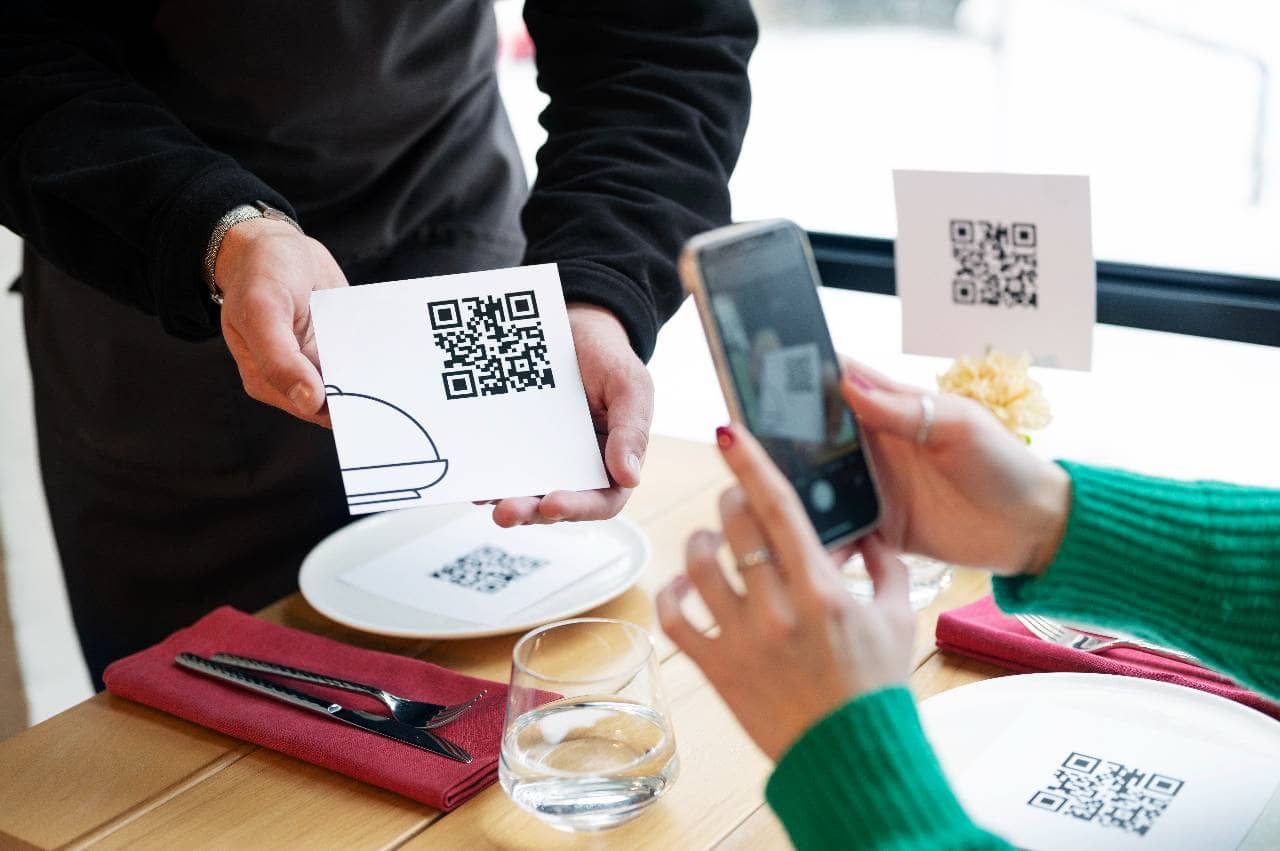
Explore the main types of ordering technology restaurants use to improve accuracy, speed, payments, customer convenience, and operational efficiency daily.
Aug 17, 2026

Learn the eight essential steps of the restaurant payroll process, from tracking hours and calculating wages to payments and recordkeeping.
Aug 17, 2026

Discover how restaurant SMS marketing works, from building subscriber lists and creating campaigns to improving engagement and measuring marketing performance.
Aug 14, 2026
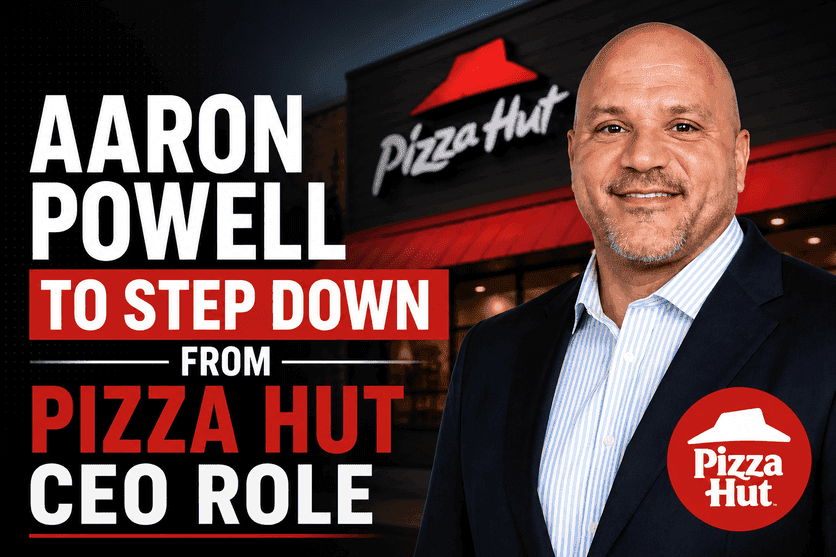
The transition of Pizza Hut's CEO, Aaron Powell, marks a pivotal moment for the chain and offers valuable leadership lessons for restaurant owners. Here’s what this executive change could mean for your business.
Aug 17, 2026
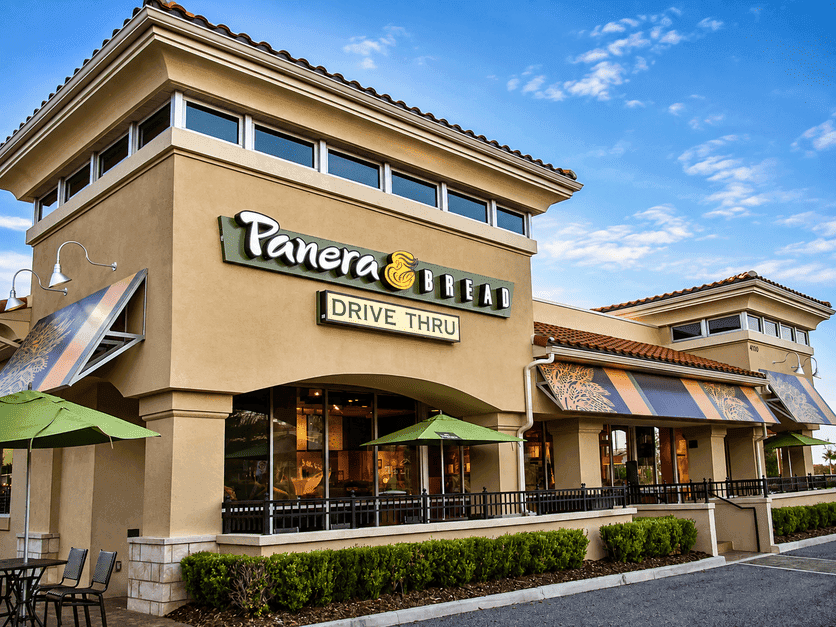
Panera Bread welcomes Andrew Rebhun as its new CMO to spearhead strategic brand growth and transformation, bolstering its vision for 2028.
Aug 17, 2026

Learn how to manage cash flow in your restaurant by tracking finances, controlling costs, forecasting needs, and building cash reserves.
Aug 14, 2026

Unlock Exclusive Access To Webinars, Events, And The Latest News For Free!
Explore the role of salads in menu development, how they cater to customer preferences, and drive innovation in the restaurant industry.
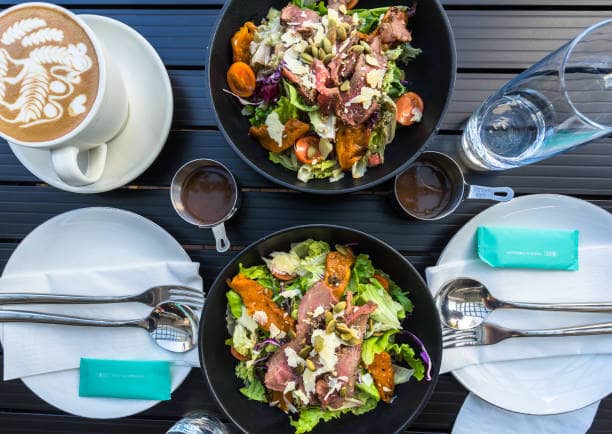
Salads have emerged as a staple in the menus of various successful chains, offering a versatile and healthy option that caters to a broad spectrum of customer preferences. While salads may not always be the top-selling items in establishments that do not specialize in them, they play a crucial role in appealing to customers seeking lighter, fiber-rich, or healthier alternatives. By including salads on the menu, restaurants can effectively address the 'veto vote' scenario, where a single diner's preference for a salad can influence the dining decisions of an entire group.
Studies have shown that the presence of salads on a menu can have a significant psychological impact on customers, even if they do not ultimately choose to order a salad. Offering salads can enhance the overall perception of a restaurant in the eyes of customers, making them feel that the establishment values health-conscious options and caters to a diverse range of preferences. This positive association with salads can contribute to a more favorable view of the restaurant, potentially leading to increased customer satisfaction and loyalty.
One of the key benefits of incorporating salads into a menu is the opportunity to showcase local produce and seasonal ingredients. Customers are increasingly interested in knowing where their food comes from and are drawn to restaurants that emphasize fresh, locally sourced items. Salads serve as an excellent platform to feature a variety of seasonal fruits, vegetables, and other local components, allowing restaurants to align with current food trends and appeal to eco-conscious consumers.

Innovation within the salad category has been on the rise, with restaurants constantly seeking new ways to reinvent traditional salad offerings and cater to evolving consumer preferences. Strategies such as customizable salad bowls, unique flavor combinations, plant-based protein options, and globally-inspired ingredients have been prevalent in driving innovation and differentiation in the salad segment. By staying attuned to changing tastes and dietary trends, restaurants can stay competitive and capture the interest of health-conscious diners.