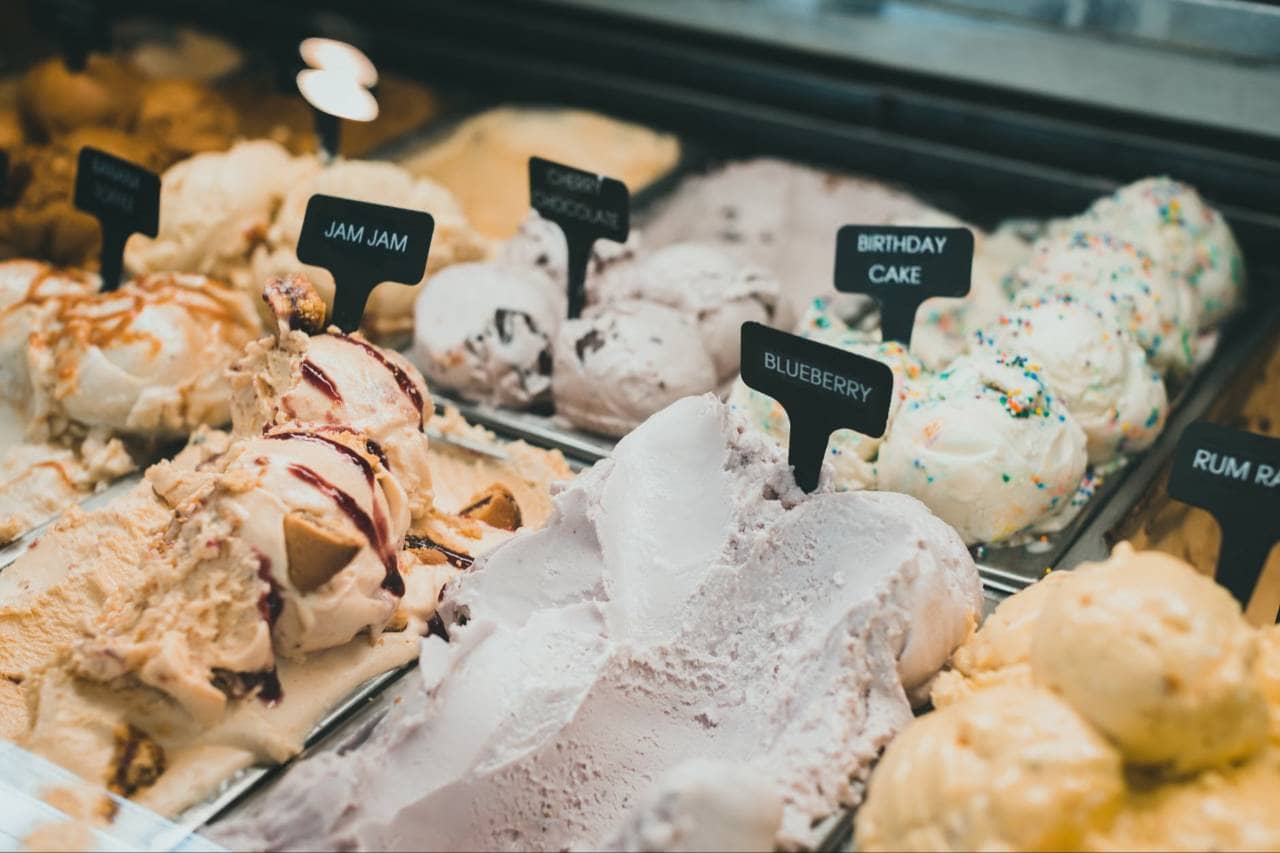
How Much Does It Cost to Open an Ice Cream Shop?
Learn the startup costs of opening an ice cream shop, including rent, equipment, renovations, permits, inventory, labor, marketing, and reserves.
Business Management
Aug 28, 2026
Learn the startup costs of opening an ice cream shop, including rent, equipment, renovations, permits, inventory, labor, marketing, and reserves.
Aug 28, 2026
RaceTrac has appointed Jill Pemberton as chief financial officer, succeeding Karla Ahlert, who moves into the newly created role of chief administrative officer.
Aug 26, 2026

A restaurant P&L statement reveals sales, expenses, and profits, helping owners manage costs, improve margins, and plan finances more effectively.
Aug 26, 2026
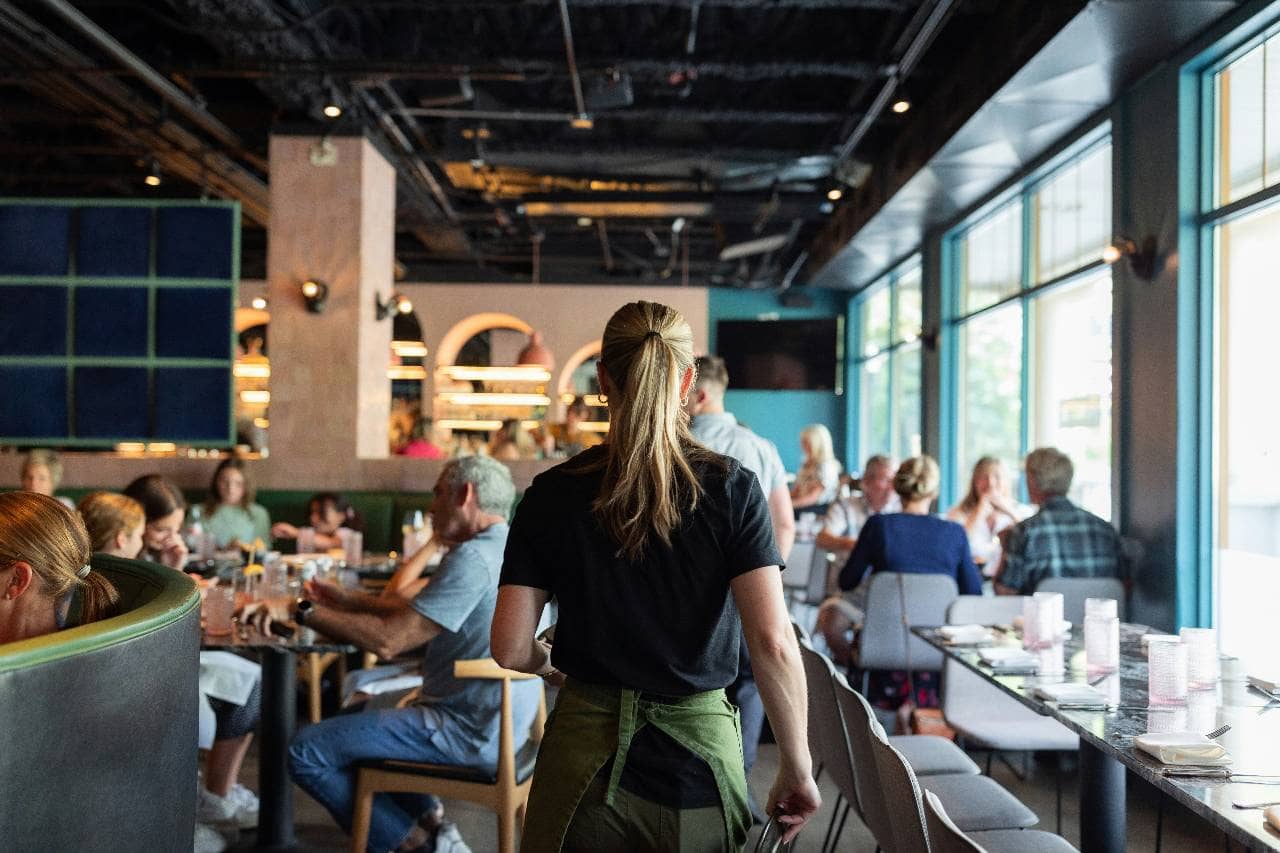
Learn practical ways to reduce labour costs through smarter scheduling, forecasting, productivity, cross-training, automation, overtime control, and performance monitoring strategies.
Aug 26, 2026
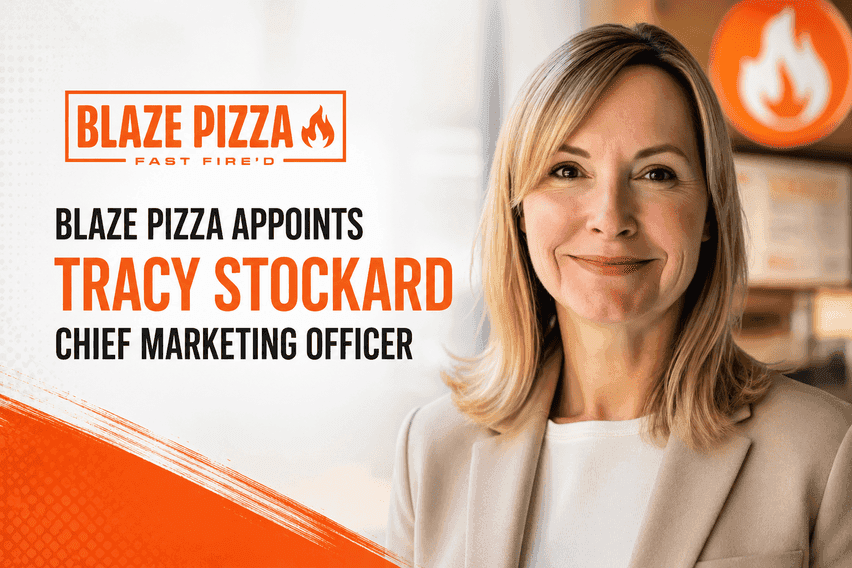
Blaze Pizza welcomes Tracy Stockard as Chief Marketing Officer, bringing decades of brand and franchise experience to drive strategic growth and guest engagement.
Aug 25, 2026

A payroll advance policy helps restaurant owners define eligibility, limits, repayment, documentation, approval procedures, and compliance requirements for employee advances.
Aug 24, 2026

Create a practical restaurant marketing plan by setting goals, targeting customers, choosing channels, budgeting wisely, scheduling campaigns, and measuring results.
Aug 24, 2026

Levain Bakery appoints Lorna Sommerville and Taya Stenson as co-CEOs, blending operational and marketing expertise to power national expansion and innovation while staying rooted in its brand values.
Aug 25, 2026
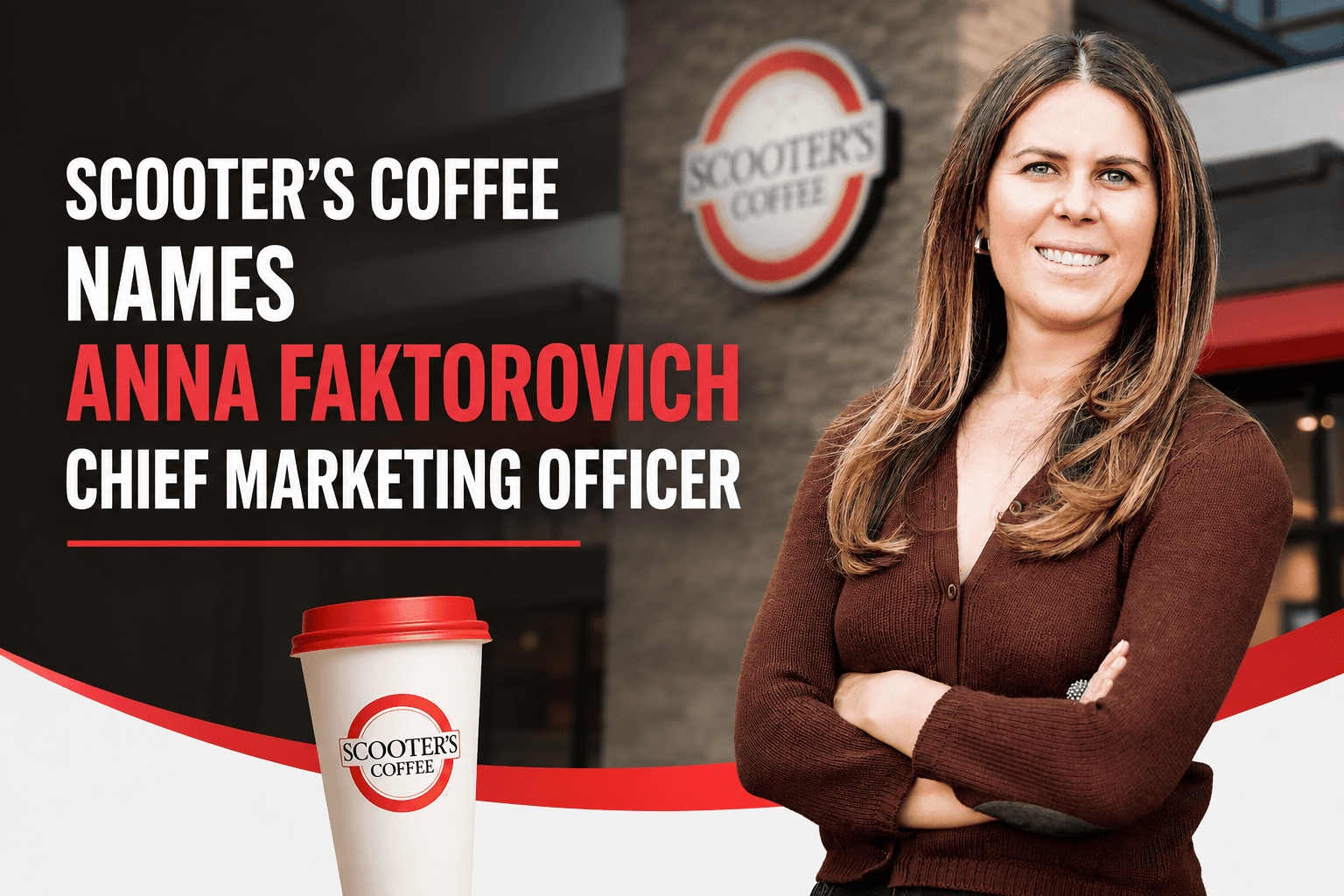
Anna Faktorovich, a seasoned marketing executive, has been named Chief Marketing Officer at Scooter’s Coffee, bringing decades of multi-brand experience to fuel the franchise’s next growth stage.
Aug 25, 2026
Dave & Buster's refreshes its executive lineup with seasoned leaders in operations, marketing, tech, and finance - signaling a growth-driven future for restaurant operators to watch.
Aug 24, 2026

Unlock Exclusive Access To Webinars, Events, And The Latest News For Free!
A thoughtful look at how fast-service restaurants are embedding safety into infrastructure through cameras, lighting, guards, and real-time communications.

Photo by Lee Milo
In the fast lane of quick-service dining, speed and crowding create a delicate balancing act. Safety has emerged not as an add-on but as a strategic backbone, an operating principle that sustains daily operations, guest trust, and staff welfare. In bustling, high-traffic spaces, the risk of chaos, crime, or emergencies remains constant, and operators are learning that robust security is essential to keep doors open and to protect the experience diners expect. A layered approach, where people, technology, and protocols work in harmony, offers a thoughtful, nourishing dining environment. The question is what that layered system looks like in practice.
At its core, a layered model combines technology, trained personnel, and real-time communication. Observers describe safety as infrastructure, planned, funded, and continually refined, so that when the dining room swells, the operation stays calm. A well-orchestrated security ecosystem reduces disruptions, accelerates recovery from incidents, and underpins loyalty by preserving a sense of care. In 2026, the industry notes, this safety-first stance aligns with broader trends toward technology-enabled resilience, even when margins are tight. It’s not about fear; it’s about enabling a smooth, confident service where guests and teams can focus on nourishment.