Pills, Pixels and Power Lifts Rewrite Fitness Franchises
GLP-1 meds, wearables and strength training are reshaping fitness franchises as brands blend digital, boutique and big-box strategies for growth.
May 26, 2026
GLP-1 meds, wearables and strength training are reshaping fitness franchises as brands blend digital, boutique and big-box strategies for growth.
May 26, 2026
Dutch Bros and 7 Brew race to expand as coffee QSRs boom. Growth, unit economics, AI-driven labor, and competition shape a widening field.
May 26, 2026
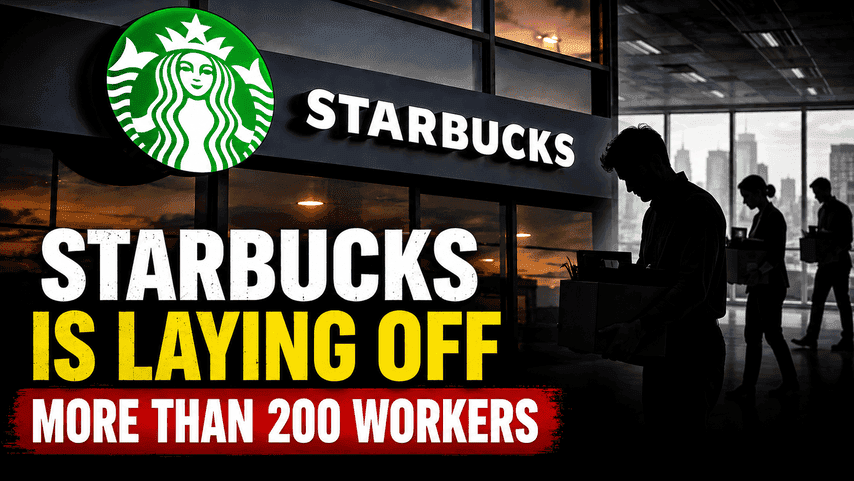
After miscounts and staff backlash, Starbucks is retiring its Automated Counting AI across North America, highlighting the risks of restaurant automation.
May 26, 2026
Discover how Bruxie in downtown Brea pioneered the handheld chicken and waffle sandwich, transforming a breakfast classic into a restaurant empire. Explore operational insights, business strategy, and customer experience lessons from Chef Kelly’s journey.
May 26, 2026
Smashburger has appointed Kate Savelli as its new chief marketing officer, bringing over two decades of restaurant marketing experience to a brand working to reverse years of unit count decline and push back toward 200 locations nationwide.
May 26, 2026
Red Robin's restaurant-level margins climbed to their highest point in five years during Q1, with CEO David Pace pointing to meaningful adoption of ChatGPT among managers as a contributing factor in the chain's improving operational performance.
May 26, 2026
Starbucks has quietly ended its computer vision inventory tracking system after employees flagged reliability issues, reverting to traditional stock-keeping methods as the chain doubles down on getting supply and availability right across its cafes.
May 26, 2026
Barre3 CEO Sadie Lincoln outlines a women-first, self-funded growth strategy as the brand expands franchises, posts rising AUVs, and enters Chile.
May 25, 2026
CAVA posts 9.7% comps on 6.8% traffic, raises 2026 outlook as value-first menu, tech, and expansion drive gains despite AB 1228 headwinds.
May 25, 2026
Giordano’s ties weekly pizza discounts to AAA’s Chicago gas average, aiming to offset pump pain, drive loyalty redemptions, and defend casual dining traffic.
May 25, 2026
Unlock Exclusive Access To Webinars, Events, And The Latest News For Free!
Tijuana Flats pivots to franchising after bankruptcy, blending nostalgia with bold new strategy under Latitude Food Group.
Photo by Hybrid Storytellers
The mood in the dining room has changed at Tijuana Flats. Where uncertainty once hovered, now there’s a quietly hopeful energy as the chain, long anchored in Florida’s sun‑drenched neighborhoods, readies itself for a new chapter. Since Latitude Food Group (LFG) took the reins after a careful acquisition by &pizza in late 2025, the brand’s vision has softened the sting of its recent troubles and opened the door to fresh opportunity.
The heart of the new plan: refranchising. Out of 95 locations, most of which are company‑owned, LFG will open these units to motivated franchisees seeking to nurture their own piece of the Tijuana Flats story. The new owners won’t go it alone; about 20 percent of restaurants will remain corporate, preserving a comforting sense of consistency and operational touchstone.
For guests who linger over their Tex‑Mex favorites, little is changing on the surface. But behind the kitchen doors, there’s a gentle recalibration, one designed to balance growth’s reach with nurturing the brand’s core soul.
The motivation for this shift is rooted firmly in survival’s bittersweet lessons. Not so long ago, Tijuana Flats faced the necessary discomfort of bankruptcy—shedding nearly forty locations with the help of turnaround specialist James Greco. In the space left behind, LFG found a way to quietly stitch its brands together, blending the backbone of its operations across both Tijuana Flats and &pizza. Payroll, HR, even back‑office routines now hum thanks to shared efficiencies.
This “asset‑light” strategy is about careful expansion over reckless sprawl. LFG aims to hold roughly 20% of units as their own, ensuring franchisees always have a working example of what good looks like. It’s structure with softness—and the hope is that the math adds up not just for LFG, but for every ambitious franchisee that comes in from the warmth of the Florida sun.
Forged through crisis, the leaner support system lets both brands operate with a kind of cozy intensity—trimming corporate bulk but preserving the inviting heart that longtime fans expect.
Change, for Tijuana Flats, isn’t a disruptive force, but a gentle hand guiding the brand into the future. The practical rollout centers on prized Florida markets—Miami, Orlando, Tampa, Jacksonville, Palm Beach, Fort Myers—where company‑owned stores are being opened to new franchisees dedicated to multi‑unit growth. Some restaurants will remain corporate, acting like anchor homes amid the bustle, ensuring standards are felt rather than enforced.
Menu pricing, too, gets a careful touch. Years of brand research revealed that some markets were simply overpriced, while others lingered behind, under-valued. LFG’s responsive plan will lower prices in overheated regions, and softly nudge them up where the brand’s value outpaces the ticket.
With menu updates—including a few nostalgic returns—promised just ahead of Cinco de Mayo, there’s a sense that the past is being honored alongside the promise of what’s next. Delivery is also being gently nudged homeward, away from third-party platforms and into the brand’s own digital arms, protecting margins and deepening the guest relationship.
There’s a palpable energy in how LFG CEO Mike Burns frames this moment—one that feels as invigorating as it is approachable. “Latitude Food Group”, he explains, was chosen deliberately, the acronym LFG doubling as a rallying cry among the team. But the connection is more than slogan-deep. The operational overlap between &pizza and Tijuana Flats has sparked a particularly cozy innovation: a protein-forward menu designed for guests on emerging wellness journeys, with anchor items like a $12 Protein Pie and $14 Protein Salad, brimming with gentle satiety from chicken, chickpeas, and goat cheese.
Burns paints the brands as siblings: “Protein and fiber are things we do quite well at &pizza and Tijuana Flats,” he said, showing how gentle cross-brand pollination can bring warmth and relevance to everyday operations.
You can sense the relief woven into Tijuana Flats’ newly structured foundation. The Chapter 11 filing in April 2024 felt, at the time, like an end. Yet what actually transpired was a slow, careful narrowing—closing underperforming stores one by one, and resolving the accounting tangle that had kept growth on the sidelines. By March 2025, the slate had been gently wiped clean: debt restructured for breathing room, and administrative processes compressed for clarity.
The result is subtle, but vital: a stripped-down, inviting foundation from which new franchisees can step confidently into ownership, with LFG lighting the way and sharing that steady warmth.
There’s comfort in knowing you’re not alone in change. The Tijuana Flats franchise model nestles right within a larger pattern reverberating through the restaurant world: asset-light, franchise-focused growth. Sister brand &pizza launched its own franchise model in 2025, with ambitions to cozy up in new cities from Orlando to Charleston—and possibly scale as high as 300 locations by 2030.
Franchisees are being offered an especially inviting deal—the chance to operate multiple brands under one shared roof of support. LFG hints gently at more to come, with the possibility of folding regional favorites into its nurturing embrace, giving franchise partners a diverse and resilient family.
Even in the coziest dining rooms, a touch of uncertainty lingers. Key questions remain for Tijuana Flats as it embarks on this franchise-forward journey. For one, the specifics of franchisee deals—the pricing, royalties, and first cohort of partners—are still being quietly worked out, just below the surface.
The risk in scaling back corporate support to a leaner shape is real: will the whisper of brand standards reach every far-flung unit? Early menu tweaks and price calibrations conjure excitement, but their steadying effect on local communities is yet unproven. The gentle overhaul of delivery—away from third parties and into brand-run channels—must win over hearts and habits before savings appear on the balance sheet.
Sometimes, the warmest plans still need a little time to prove out in real-world kitchens. That sense of easy patience seems baked into LFG’s approach.
There’s no denying the gentle ambition humming through Tijuana Flats as it pivots to franchising, guided by the steady hands at Latitude Food Group. The table is set: leaner operations, back-end unity, research-driven menus, and a refranchising plan all hint at new comfort for owners and guests alike. That blend of structure and ease reflects the brand’s deeper hospitality—always adjusting, gently, to what communities need.
As the coming months unfold—with menu updates arriving like familiar songs and new franchisees stepping through their own soft openings—the true test will be whether this gentle pivot inspires guests and operators to linger, savor, and claim a slice of Tijuana Flats’ second act. In comfort dining, after all, the best moments often arrive quietly, and the real magic is in the return.