Pei Wei Wins Best Fast-Casual Chain Award
Pei Wei Asian Kitchen named Best Fast-Casual Chain in Reviewed 2026 Awards, reflecting shift from price competition to quality and transparency.
News
Sep 11, 2026
Pei Wei Asian Kitchen named Best Fast-Casual Chain in Reviewed 2026 Awards, reflecting shift from price competition to quality and transparency.
Sep 11, 2026

O'Charley's shuttered all corporate restaurants nationwide on September 9, 2026, ending its 55-year legacy as a casual-dining regional powerhouse.
Sep 11, 2026
Authentic Restaurant Brands lands $325M investment from Trimontium to fuel disciplined regional expansion across five established restaurant concepts.
Sep 11, 2026

Walmart expands restaurant delivery beyond Subway and Dunkin', taking on DoorDash, Uber Eats, and Grubhub with Papa Johns nationwide rollout.
Sep 11, 2026

Complete NFL season restaurant checklist covering licensing, AV setup, menu prep, inventory, staffing, and marketing before kickoff arrives.
Sep 11, 2026

California shifts to public enforcement strategy against Dickey's for deceptive franchise disclosures, signaling stricter state-level franchise oversight.
Sep 10, 2026
Paul Brown temporarily steps away from Inspire Brands as Scott Murphy assumes interim CEO role during confidential IPO filing process targeting late 2026.
Sep 10, 2026
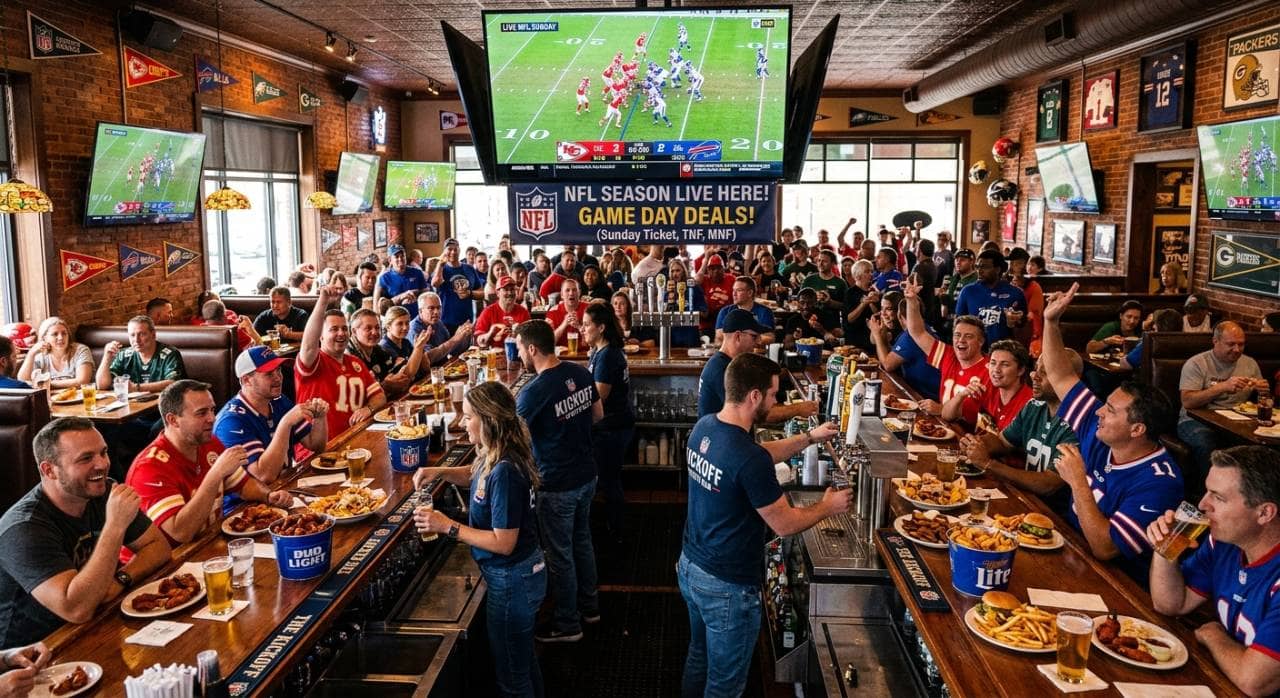
Prepare your restaurant for NFL season with smart menu planning, staffing, marketing, technology, and atmosphere strategies that boost season-long revenue.
Sep 9, 2026
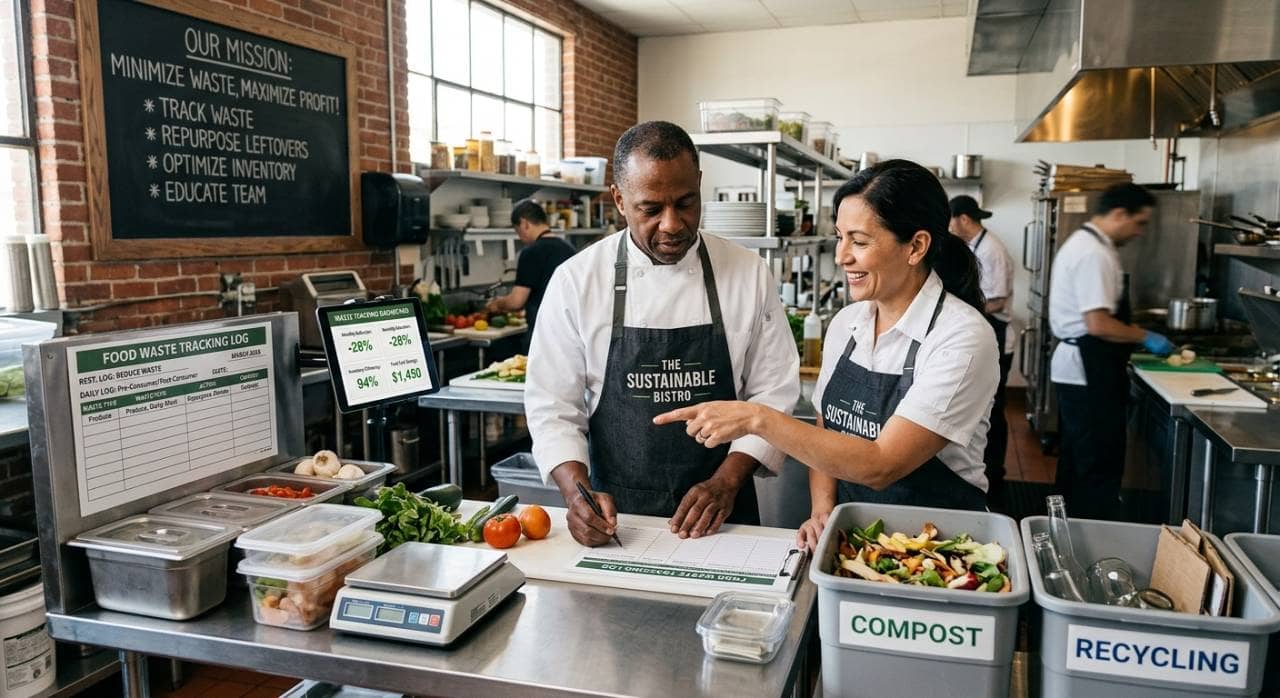
Learn how to reduce food waste in restaurants through smarter purchasing, storage, preparation, and service strategies that cut costs.
Sep 9, 2026
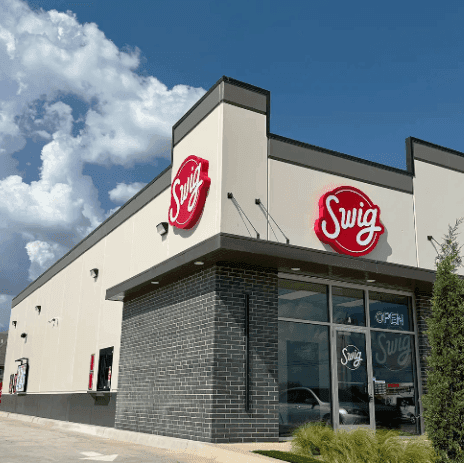
Swig signs franchise agreement for 11 South Denver locations, marking Colorado entry and validating its national expansion strategy.
Sep 8, 2026

Unlock Exclusive Access To Webinars, Events, And The Latest News For Free!
As the food truck industry continues to grow, it's important to make sure your business is successful. Food trucks have risen in popularity in the last couple of years.
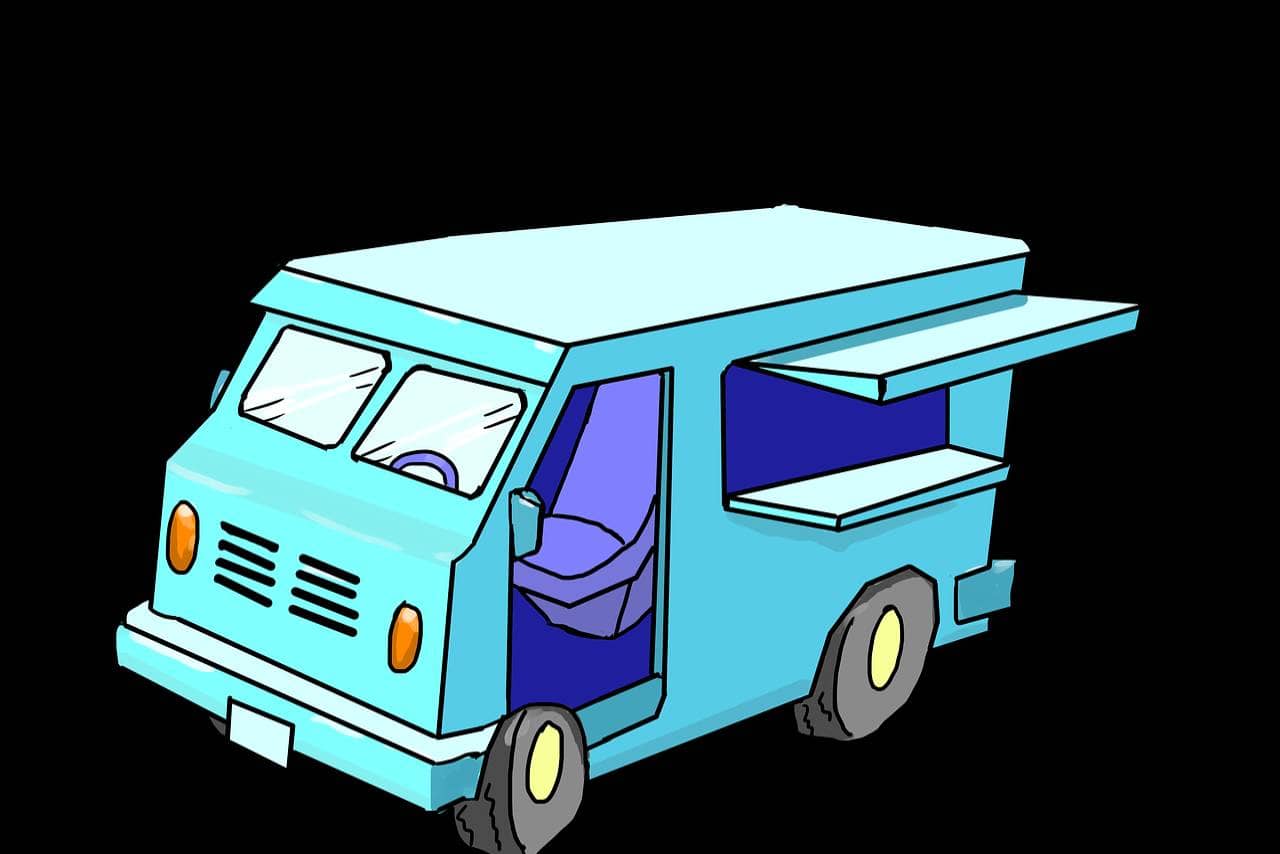
You would be well-acquainted with fancy-looking vehicles at the corner of the street near your home, or your office, selling your favorite food. These food trucks, as they have come to be known, have helped you in overcoming hunger pangs at odd hours, and spared you the trouble of trekking all the way to a restaurant every time for a sit-down meal. In fact, as in-venue dining lost its charm in the wake of the Covid pandemic, food trucks ensured that you could still grab a quick bite from a place near you, without having to wade through large crowds. Food trucks in the US may trace their ancestry to the Texas chuckwagon. In the late 1800s, cowhands used to spend months on the road herding cattle to the markets in the northern and eastern parts of the US from the country's southwest. This led to the emergence of the chuckwagon, which served as a home for the cowboys, who received everything from meals, and entertainment, to moral support and medical help from the chuckwagon. In 1872, food vendor Walter Scott conceived of the lunch cart, which is another ancestor of the present-day food truck. Scott carved out windows in a small, covered wagon, and parked the vehicle in front of a newspaper office in Providence. Scott's lunch cart sold pies, coffee, and sandwiches to journalists. The mobile canteen, developed in the 1950s, was another food truck avatar. The US Army granted permission for these mobile canteens to operate on stateside military installations. Factories, construction sites, and other places frequented by blue-collar workers have been served for years by food trucks known as 'roach coaches' or 'gut trucks'. In large American cities, the food truck has long been a low-cost option for people who are always on the road. Food trucks multiplied tremendously in the 2010s as the chefs of high-end eateries laid off in the wake of the Great Recession found a convenient alternative in the mobile food business. Technological advancements and the growing lure of street food also buoyed the food truck sector. Since the 2008 financial crisis, the number of food trucks has increased dramatically. The food truck has "largely transcended its roach-coach classification and is now a respectable venue for aspiring chefs to launch careers", the New York magazine pointed out in 2009. There were reportedly over 23,000 food trucks in America as of 2019, and they brought in roughly $1 billion annually. The pandemic and the resultant lockdowns, restrictions on mobility, and cancellation of events did affect the food trucks adversely, but they managed to adjust to the changed realities and turned into a pandemic success story. The American food truck market in 2022, according to IBISWorld, is worth $1.2 billion.
Let's look at the food truck industry's Covid response through a few examples. A significant number of small enterprises permanently shut their doors as a result of the pandemic. However, some food truck businesses bucked the tide and were able to grow and attract a lot of customers. Ox-B's and Dickey's Barbecue Pit expanded their food truck fleets and added new locations. Even well-known companies like Whataburger and Chick-fil-A introduced food trucks. In order to preserve sales during the pandemic, several traditional eateries installed drive-thru options. Others relied on delivery and takeout services, but these options still necessitated that customers had to wait while their food was being prepared and delivered. These initiatives had to be accompanied by large-scale business reorganization to be sustainable. Contrarily, the food truck model was designed specifically for situations like this. For instance, Ox-B's delivered food orders in less than 10 minutes, while drive-thru sales at Dickey's Barbecue Pit increased by 143%. Chick-fil-A set the bar in terms of drive-thru efficiency. These popular food trucks were dedicated to providing exceptional customer service. Customers are usually willing to support their favorite eateries during hard times. Eateries, on the other hand, can get customers' support by demonstrating how much they value their clientele. For instance, Ox-B's has been able to attract customers by giving them the choice of waiting for their meals in air-conditioned cars. The customers are notified through text messages when the food is ready. These messages can appear to be a small offering, but can actually set one business apart from another. To reimagine their businesses, food trucks have been entering residential areas and also parking in front of hospitals to catch brand-new clientele. While some food trucks have changed their focus to offering mobile groceries, others have struck agreements with essential businesses for using parking lots. For instance, a 'Bodega on Wheels', where people may buy alcohol, pantry supplies, and ice cream was introduced by the Coolhaus ice cream truck in Los Angeles. Food trucks have also been parking along rest areas and motorways. With roadside restaurants closing down as a result of the pandemic, food trucks have often been the only option for hungry drivers frantically looking for a meal. Food trucks on desolate roadways have been like oases in a desert for essential workers traveling across the country, and have come as a respite for a large number of employees working long shifts, who need not now worry about going hungry. Human interactions, and with that, the chances of the coronavirus spreading, are minimized, as food truck customers can pick up their food locally without having to deal with delivery agents. Food trucks have also served areas with fewer dining options or those that are outside restaurants' coverage areas.
1. A food truck is regarded as a highly profitable business idea, largely because it requires considerably less capital than a sit-down restaurant. You can utilize the money that is saved to fund initiatives such as menu engineering or marketing. The only significant expense needed to set up your business involves purchasing the food truck, and if you take advantage of the expanding food truck rental business, your initial expenses would be even lower. 2. A restaurant owner needs to spend a lot on utilities, the wages of a large crew of cashiers, cooks, waiters, kitchen managers, bartenders, and cleaners, and also on property taxes or rent. There may also be unforeseen expenses draining the resources of the restaurant. Food trucks, on the contrary, employ fewer employees because space is at a premium. Also, food truck employees are adept at multitasking, and often the owner is the cashier, manager, cook, and server all at the same time. This means food trucks have a lot lower labor expenses. A food truck's monthly operating expenses are minimal and just include the cost of food, consumables, and gas. With little and occasional upkeep and repairs, food trucks can function well over time. Moreover, food trucks can prepare a much smaller amount of food at once than sit-down restaurants, and therefore, don't require elaborate kitchen equipment. 3. Once a brick-and-mortar restaurant chooses to establish its business at a particular place, it can't easily change that place. Food trucks, on the contrary, have a fair bit of flexibility. If the business is not working out in one location, you can drive your food truck away to another place. Trucks can travel between urban and rural areas. Unlike their brick-and-mortar counterparts, food trucks take restaurants to the consumers. 4. The mobility of food trucks lets you draw in new clients as well. A food truck can conveniently participate in various events and culinary festivals where it can showcase its menu offerings to prospective clients. 5. A food truck gives you greater freedom and control over your business. You can start building your brand with a food truck and then grow into something bigger, like a brick-and-mortar restaurant or perhaps franchising your trucks.
1. Conduct thorough market analysis. Use your research to find if there is a new culinary trend in your locality, if certain locations require food trucks, and if a certain kind of food truck is in abundant supply. 2. You can serve menu items like pizza, tacos, barbecue, and so on. There are countless alternatives. Study the market before deciding on the ideal food truck menu. If there are numerous food trucks serving grilled cheese in your neighborhood, but hardly any pizza trucks, for example, you can look to introduce a pizza truck and target the untapped market. Pick an option that caters to your interests, is reasonable, and won't get mobbed by competitors. 3. Make a comprehensive list of items like dishes, containers, disposable gloves, utensils, aluminum foil, cleaning supplies, and so on that you would require to start and run your food truck. Search out the best offers on stocks and supplies. 4. Choose your food truck wisely. The cost of food trucks ranges from $50,000 to $250,000. In addition, you have the option of leasing a truck or purchasing a used one. New vehicles typically include customization options, but they can be very pricey. Used trucks are much cheaper, but the flip side is that they may need costly repairs. Visit a reputed food truck dealer like Cruising Kitchens, Prestige Food Trucks, or FoodTrucks.net, once you have decided on the kind of food truck you require. 5. Get your food truck business incorporated from the very beginning. Despite your best efforts, you can't fully and always prevent pathogens from creeping into the meals you serve. These pathogens may cause foodborne illnesses in customers. By incorporating your business, you can shield your assets in the event of lawsuits. Choose a name and register your company in your state. Get an Employer Identification Number (EIN) next. It is vital to make sure you have all the necessary permits and licences.
1. Decide on how you want to pay for the purchase of the food truck. A lot of entrepreneurs look into loans to buy their food trucks. Your financial planning should involve jotting down the amount you want to spend on different business components such as truck maintenance, kitchen equipment, and so on. 2. Develop a marketing plan that uses a variety of strategies. Consider using digital marketing techniques like Facebook advertisements and Search Engine Optimization (SEO). Prepare an email newsletter to let customers know where your food truck is located and what's on the menu. Invest in direct mail marketing. 3. Park your food truck in high-demand neighborhoods. Identify the area where your ideal consumers are most likely to congregate. Then, seek clearances from the requisite authorities to park your truck there. 4. Keep an eye on online reviews. Customer reviews may boost or deflate a business. Therefore, apart from closely monitoring customer reviews, try to respond to those reviews -- good or bad -- whenever possible. This would give the message that you value your customers and that you are always searching for ways to improve. 5. Marketing on social media can be a game-changer for your food truck. Establish engaging Facebook, Instagram, and Twitter pages and regularly update them. Share details about your most popular menu items, the location of your truck, and special offers.
Restaurant management software can act as force multipliers for food trucks. You would be able to enhance sales with the help of a restaurant point of sale (POS) system. The National Food Truck Association launched the BestFoodTrucks app to connect customers with nearby food trucks and promote food trucks traveling in new directions. A food truck company needs to be prepared for a variety of transactions, including those made using gift cards, debit/credit cards, tipping, online ordering, and split group payments. Customers of food trucks are typically folks who are in a rush but still want to grab a quick bite, so having problems with the card reader may irritate them, and lead them to look for food elsewhere. Food trucks operate in far smaller spaces than the majority of regular restaurants, and therefore, it is crucial for the POS architecture to not hog too much counter space. The majority of food truck POS solutions can be utilized on desktops, laptops, tablets, smartphones, and other mobile devices. It's also very important for food truck POS systems to be easy to use. A food truck owner is already exhausted from managing orders quickly, switching truck positions frequently, standing for extended periods of time, and performing multiple roles at once. Under such circumstances, a cumbersome POS system is the last thing that he needs. Sophisticated food truck POS systems can evaluate consumer behavior and produce data that allow businesses to devise loyalty programs to woo their clients. POS systems can also aid in determining the menu items that sell the best and worst, sales by location and hour, and other vital information. These reports make sure that decision-making by food truck owners is data-driven. Furthermore, since mobile food businesses frequently operate from locations that lack stable internet connections, these businesses would stand to gain immensely by using POS systems that support offline modes. To adapt to changes in supplies, food trucks may have to adjust their menus on the spot. As the truck goes from one area to another during the course of the day, prices might also need to alter. POS systems should be able to absorb such changes in business decisions. Furthermore, POS systems should be able to adapt to tax rate changes across municipal jurisdictions. POS solutions also let food trucks accept contactless smartphone payments through mobile wallets like Apple Pay and Google Pay, and support online ordering.
1. Plum POS-The Plum One package is an excellent option for small businesses like food trucks. It offers a single point of sale register. It includes the Plum Station, or a 2.3GHz dual-core seventh-generation order station base, and a detachable wireless order entry touchscreen, a cash drawer, a thermal receipt printer, and networking tools. This POS solution is exceptionally simple to use and comes with a mobile POS system, POS app, kitchen display system, digital signage, and self-service kiosk. The Plum One is part of the Essential Station Bundle and costs $1,716. It can be accessed from the Hubworks restaurant app store. 2. Square- This POS system based on iPads is ideal for small enterprises and would be suitable for food trucks. Price and lack of long-term contracts are two of its strongest features. Square's free plan offers the most rudimentary POS features and is suitable for small enterprises like food trucks. Menu management, payment processing, order management, and sales data analysis may all be done with the help of simple reports. The cost of hardware starts at $49, and includes a contactless card reader. The hardware price can go up to $1,339 for a full restaurant POS station kit. 3. Toast- Toast is a hybrid point of sale system that uses both a local network and the cloud, giving it significant offline functionality. It offers add-on modules for staff scheduling, contactless placement of orders and payments, customized reporting, and a platform for loyalty programs. Hardware for toast has an Ingress Protection (IP) rating. This suggests that these equipment can withstand dust and water contamination. Drops don't cause any issues either. Therefore, Toast POS works well for food trucks, where kitchen equipment go through a lot of stress and strain. Subscribers don't have to pay any fee for Toast's starter plan.
A food truck business can be a fun way to start your own food business, generate money, and make a difference in your neighborhood. It requires perseverance, hard effort, and dedication, just like in any business. Compared to a regular restaurant, it is more malleable and does not require as much investment, and operating expenses. There are rules specific to each locality that apply to food trucks that wish to operate within its borders. Inventory management and menu management are frequent challenges faced by owners of food trucks. Anyone who has worked in a restaurant atmosphere may find it difficult to adjust to the fact that food trucks aren't equipped for bulk food storage. Then how do food truck operators ensure that there is enough stock on hand? Vendors delivering supplies isn't always an option with the truck moving around. Frequent trips to the market are also not feasible. So you could have a place to store food in bulk at home or any other place. Another challenge for food truck owners is to manage a plethora of responsibilities at once. They should also be able to provide quick service. A food truck that is able to address all the challenges and make the right moves would be, without a doubt, a very profitable business.