
Propelled Brands Cuts Camp Bow Wow Startup Costs
Propelled Brands lowers Camp Bow Wow’s investment and standardizes a 6,000-sq-ft prototype to attract multi-unit growth amid a tight real estate market.
franchising
Jun 18, 2026
Propelled Brands lowers Camp Bow Wow’s investment and standardizes a 6,000-sq-ft prototype to attract multi-unit growth amid a tight real estate market.
Jun 18, 2026
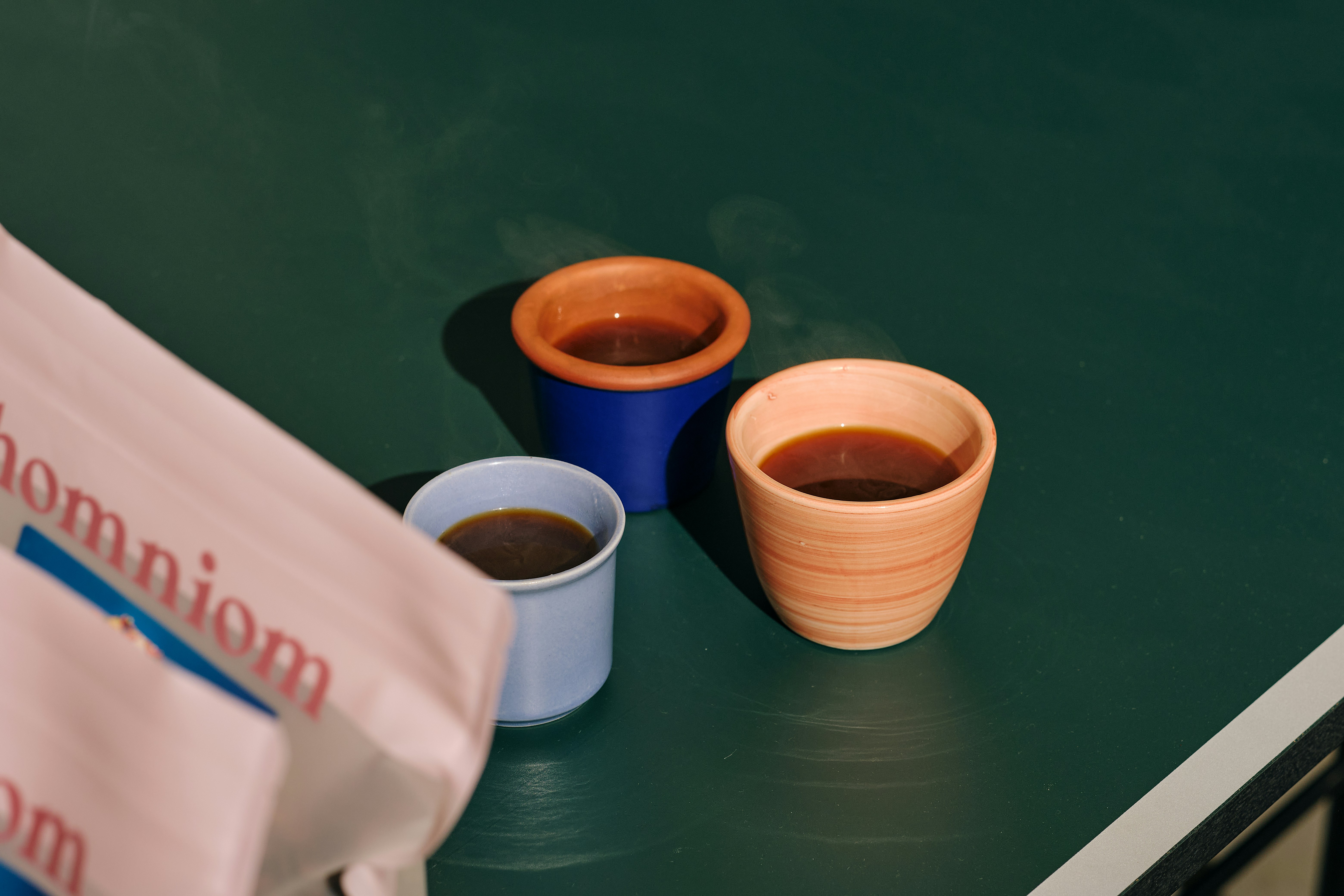
Blue Bottle launches a 90-minute, machine-free Kyoto-style espresso, bottled for cold drinks across 152 cafés on June 16.
Jun 18, 2026
Yum! Brands will sell Pizza Hut outside China to LongRange for $1.5B and its China unit to Yum China for $1.2B, with deals closing in Q3 2026.
Jun 18, 2026
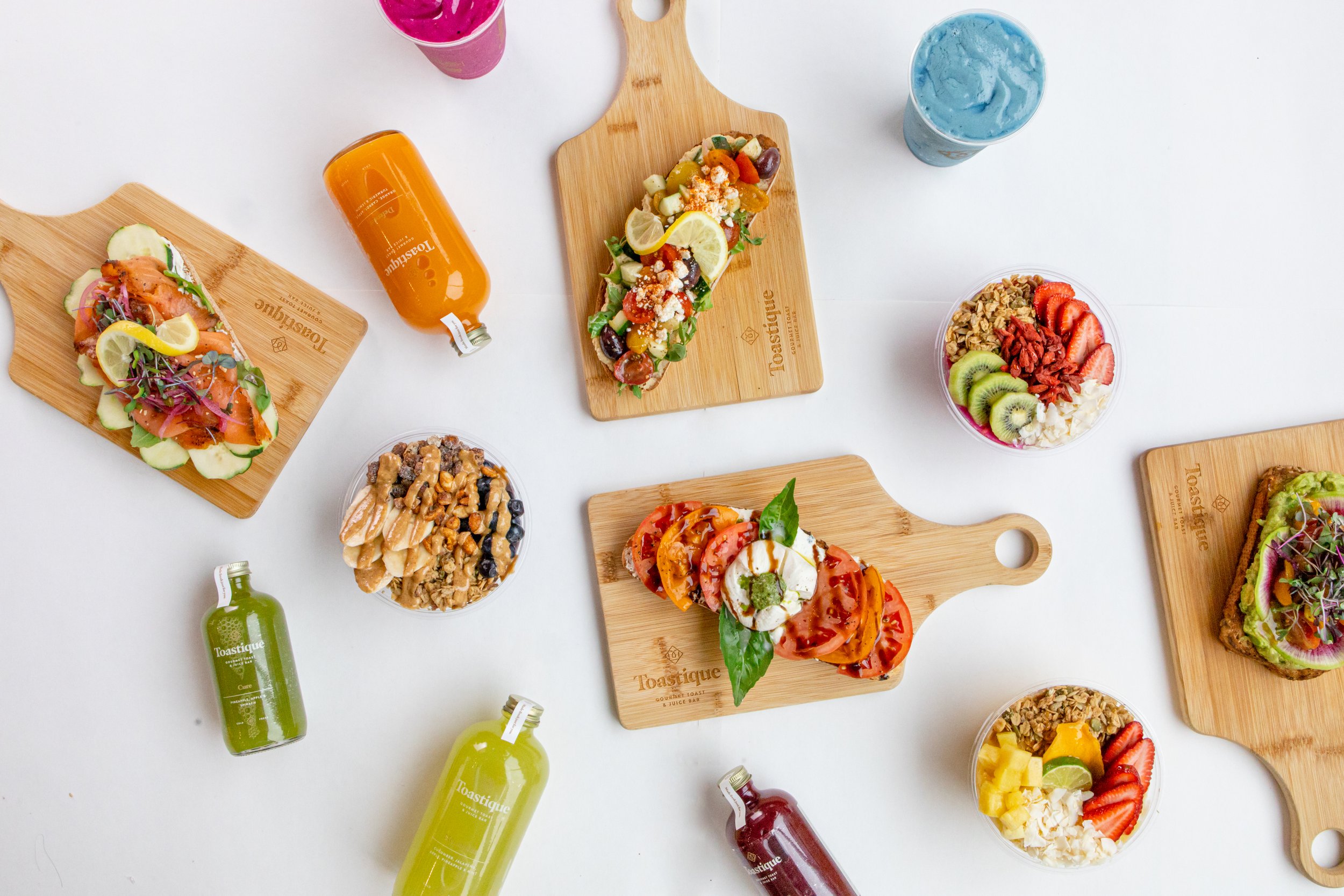
Toast tops Square, Lightspeed, Clover, SpotOn, and ChowNow as AI and drive-thru tools reshape restaurant POS; market projected to hit USD 44.03B by 2035.
Jun 18, 2026
A missing Lego Star Wars cache puts Bricks & Minifigs in court, testing franchise rules, consignment policies, and brand trust across a 300‑unit network.
Jun 18, 2026
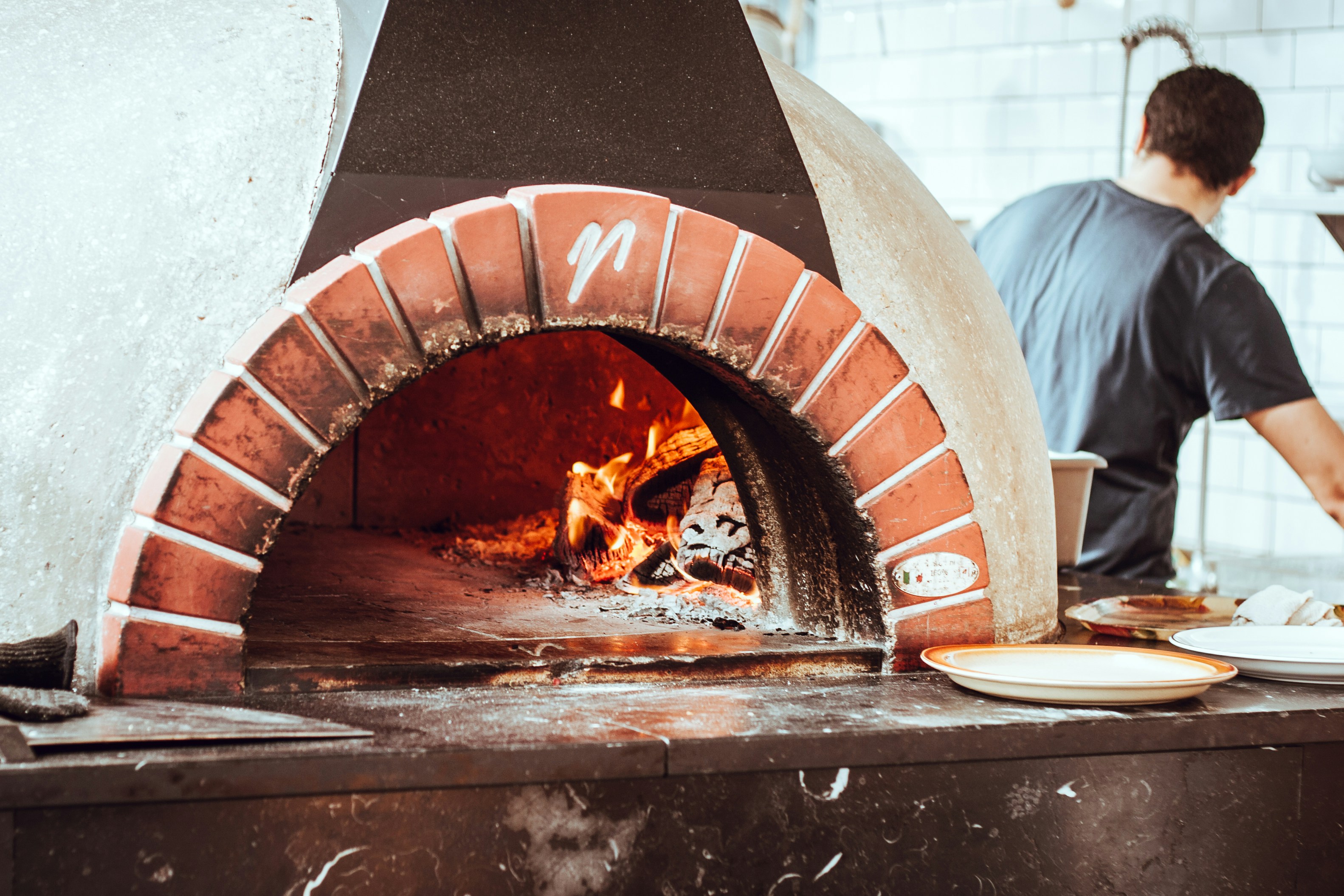
Domino’s launches a $9.99 any pizza deal, adding Parmesan Stuffed Crust through July 26, 2026, timed to the World Cup with gamified rewards and heavy ad support.
Jun 18, 2026
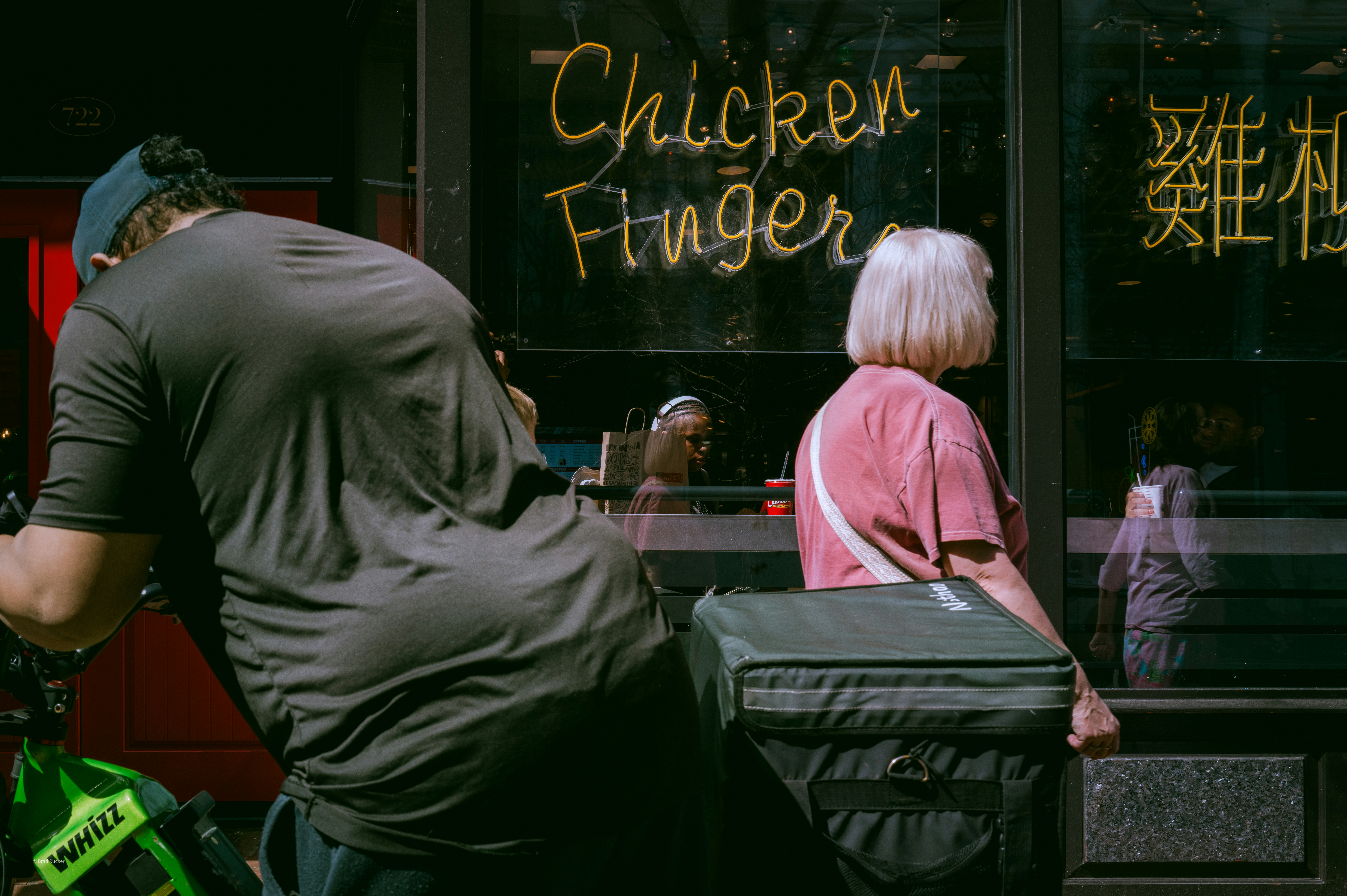
Raising Cane’s opens a 16,000-square-foot flagship by Intuit Dome in Inglewood, blending spectacle and throughput as the chain accelerates global expansion.
Jun 18, 2026

Restaurants race to modernize POS as mobile wallets surge, cloud adoption grows, drive-thru integrations expand, and costs and interoperability shape strategic selection.
Jun 18, 2026
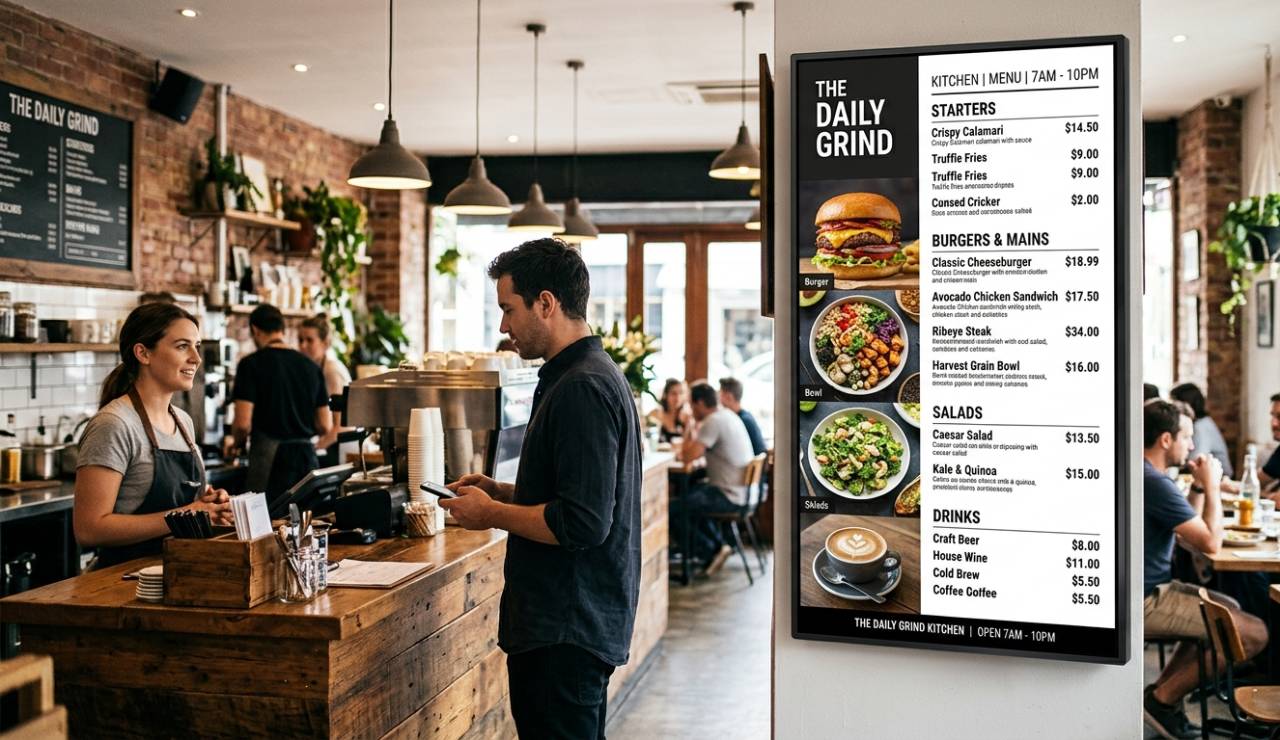
Learn how to calculate menu price by analyzing ingredient costs, labor, overhead, demand, and contribution margin for stronger restaurant profits.
Jun 17, 2026

Explore best Areas in Chicago to open a restaurant by matching neighborhood demand, concept type, costs, traffic, and customer behavior.
Jun 17, 2026
Toast tops Square, Lightspeed, Clover, SpotOn, and ChowNow as AI and drive-thru tools reshape restaurant POS; market projected to hit USD 44.03B by 2035.
Toast just topped a six-brand face-off of restaurant ordering platforms, edging Square, Lightspeed, Clover, SpotOn, and ChowNow on pricing, features, support, and expert scores. Reviewers cited the mix of an intuitive interface with advanced capabilities, and a platform that stretches well past ticket taking into full operations management. That push mirrors the money flowing into the category. The global restaurant point-of-sale terminals market reached USD 15.11 billion in 2026 and is projected to grow to USD 44.03 billion by 2035, at a compound annual growth rate of 12.62 percent, reflecting surging demand for integrated digital ordering and fulfillment tools.
This shift has been a long time coming. POS replaced handwritten checks in the early 2000s and opened the door to digital sales and inventory tracking. Online ordering and third-party delivery followed as broadband spread. In 2026, 76 percent of restaurant owners identified technology as a competitive advantage, and operators are chasing efficiency and insight with interconnected platforms. Off-premise channels now account for nearly 29 percent of sales, with operators targeting a 35-percent mark by year-end 2026 to meet demand for convenience. The mission has widened: cover front and back of house, knit data across ordering channels, and keep teams moving with fewer touches.
Toast has been busy on that front. Toast Drive-Thru, launched April 14, 2026, packages POS-native software, purpose-built hardware, outdoor digital menu boards, order confirmation screens, and AI voice-ordering integrations to raise throughput and accuracy in quick service. Across the broader platform, Toast serves approximately 171,000 locations as of March 31, 2026. Its AI assistant, Toast IQ, processed millions of conversational threads in Q1 and is being used to surface best-selling items, forecast stock needs, and spot margin opportunities in real time. Optional inventory management, integrated payroll and HR, and automated tipping and bill splitting round out the workflow support.
Operators are taking notice, and so are rivals. "By seamlessly integrating POS, KDS, outdoor digital menu boards, and AI voice ordering partnerships, Toast Drive-Thru gives operators the tools they need to keep pace with peak demand today, and the flexible foundation required to adopt new innovations in the future," said Steve Fredette, co-founder of Toast. Early adopters report measurable gains: a Texas quick-service chain noted that an advanced order-confirmation screen eliminated repetitive read-backs and cut average drive-thru wait time by 15 seconds per order, easing rush-hour bottlenecks.
Square has also entered the drive-thru arena, introducing an end-to-end solution in beta this May, designed to reduce wait times and improve accuracy through custom payment methods and streamlined reporting. The company set the stage in October 2025 with voice ordering and AI-driven cost controls on its Food & Beverage platform, then spotlighted new features at the National Restaurant Association show from May 16 to 19, 2026. SpotOn, for its part, widened its financial toolkit in mid-May with Rapid Fund, aimed at speeding access to working capital for restaurant operators at market-competitive rates.
Not everything is smooth. Toast’s ecosystem requires proprietary hardware, which limits flexibility for operators that prefer to mix and match components. Third-party integrations can create friction, including AI-calculated prep times from delivery partners that cannot be adjusted, which can throw off kitchen pacing and billing. The pace of releases has also stretched support teams, and documentation often lags new features, a headache for cash-strapped crews that lean on tier-1 help.
The market tailwinds are strong. Precision Reports pegs the POS terminals segment at USD 15.11 billion in 2026, climbing to USD 44.03 billion by 2035 on the strength of mobile and cloud-based tools and AI-driven analytics. Contactless menu usage has surged 433 percent since 2021, and 53 percent of restaurant owners are using AI-based back-of-house platforms to reduce food loss and optimize labor forecasting in 2026. That demand is fueling an arms race in AI and drive-thru optimization, with vendors competing on speed of innovation, operational insight, and ease of deployment.
Choosing the right platform comes down to the work you need done and the budget to do it. Small cafés and pop-ups may favor Square’s free starter plan and extensible integrations. Full-service and multi-unit concepts often lean toward deeper analytics and labor-management modules. Trial experiences, contract terms, and the risk of lock-in deserve scrutiny in a market set to double in value over the next decade. Match the vendor roadmap to the restaurant roadmap, then use the tech to chase what the numbers already say is within reach, from 29 percent off-premise sales today toward the 35-percent target by year-end 2026.