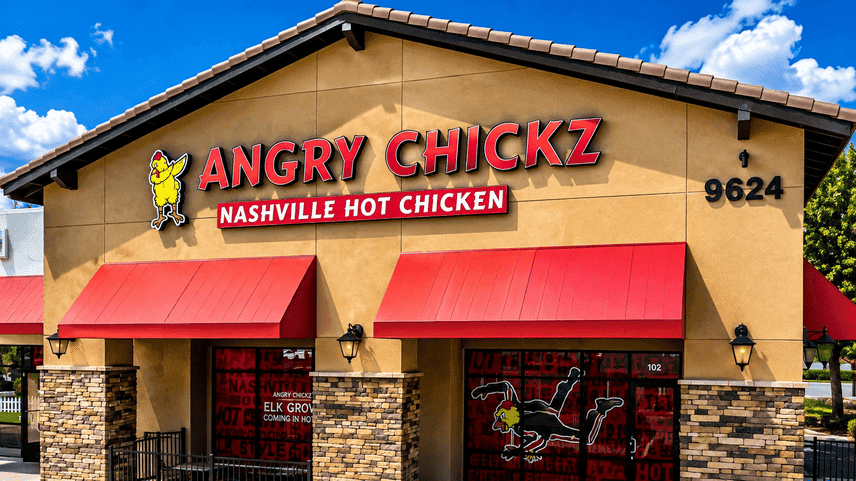
Nashville Hot Chicken Comes to Midwest
Angry Chickz enters Illinois with its signature hot chicken concept and ambitious plans for Midwest expansion, setting the stage for new franchise opportunities and community engagement.
News
Sep 2, 2026
Angry Chickz enters Illinois with its signature hot chicken concept and ambitious plans for Midwest expansion, setting the stage for new franchise opportunities and community engagement.
Sep 2, 2026
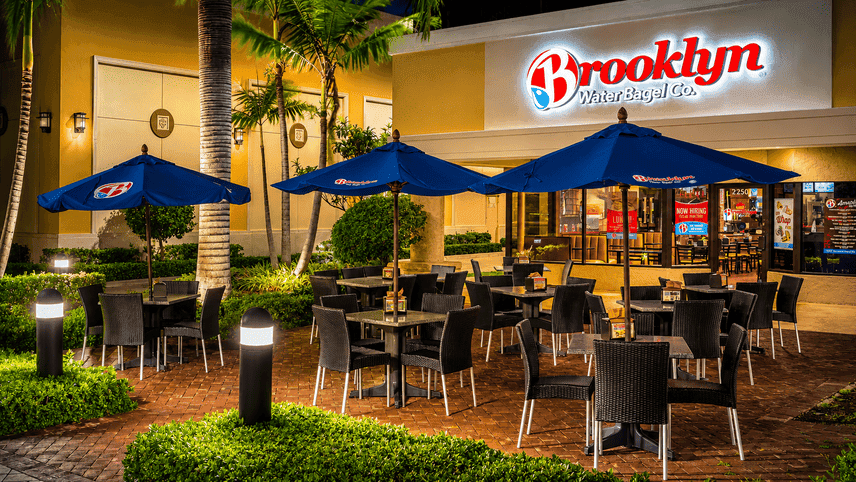
Brooklyn Water Bagel launches its first campus eatery at Nova Southeastern, signaling strategic growth and fresh potential for multi-unit operators seeking new market wins.
Sep 2, 2026
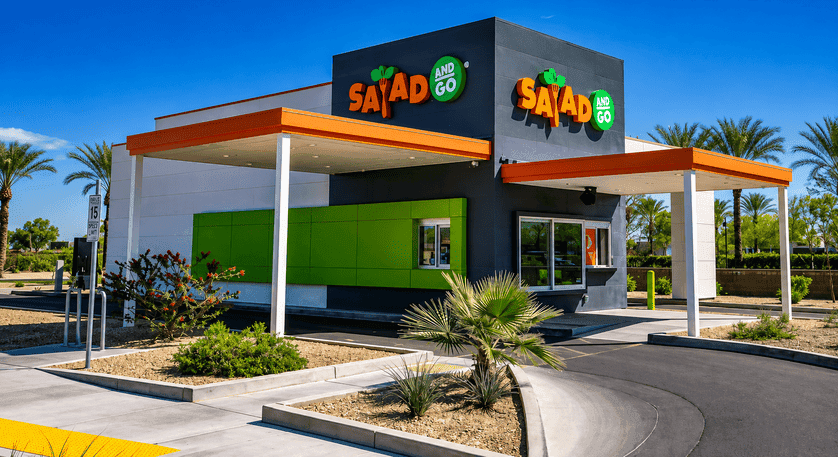
7 Brew has acquired 73 former Salad and Go locations, surpassing Dutch Bros with a $143M bid, signaling a major shift in the competitive landscape for drive-thru brands.
Sep 2, 2026
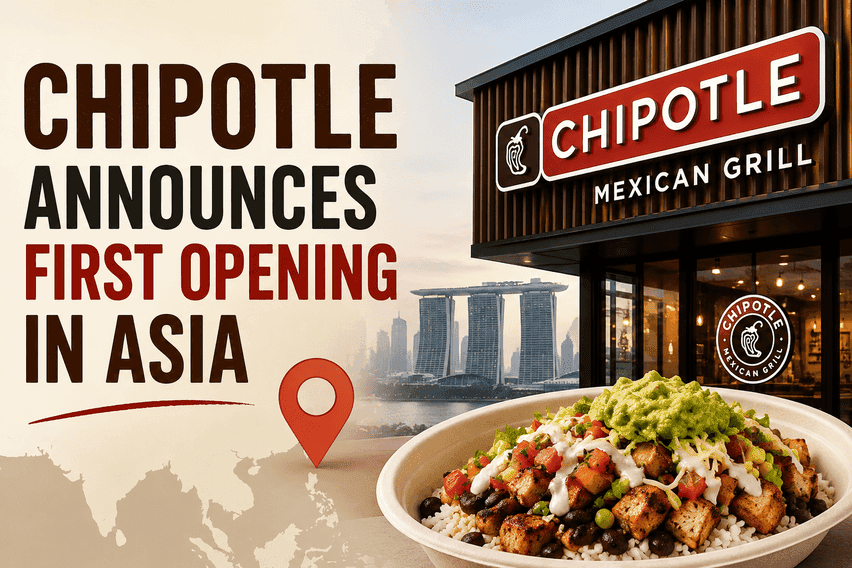
Chipotle makes its highly anticipated entry into Asia with a Seoul opening, partnering with Sangmidang Holdings and setting a template for future international growth.
Sep 2, 2026

Restaurant labor management helps owners optimize staffing, control labor costs, improve productivity, monitor overtime, and maintain efficient restaurant operations.
Sep 2, 2026

Learn how to calculate restaurant cost of goods using inventory, purchases, COGS percentage, variance reviews, and regular tracking for profitability.
Aug 31, 2026
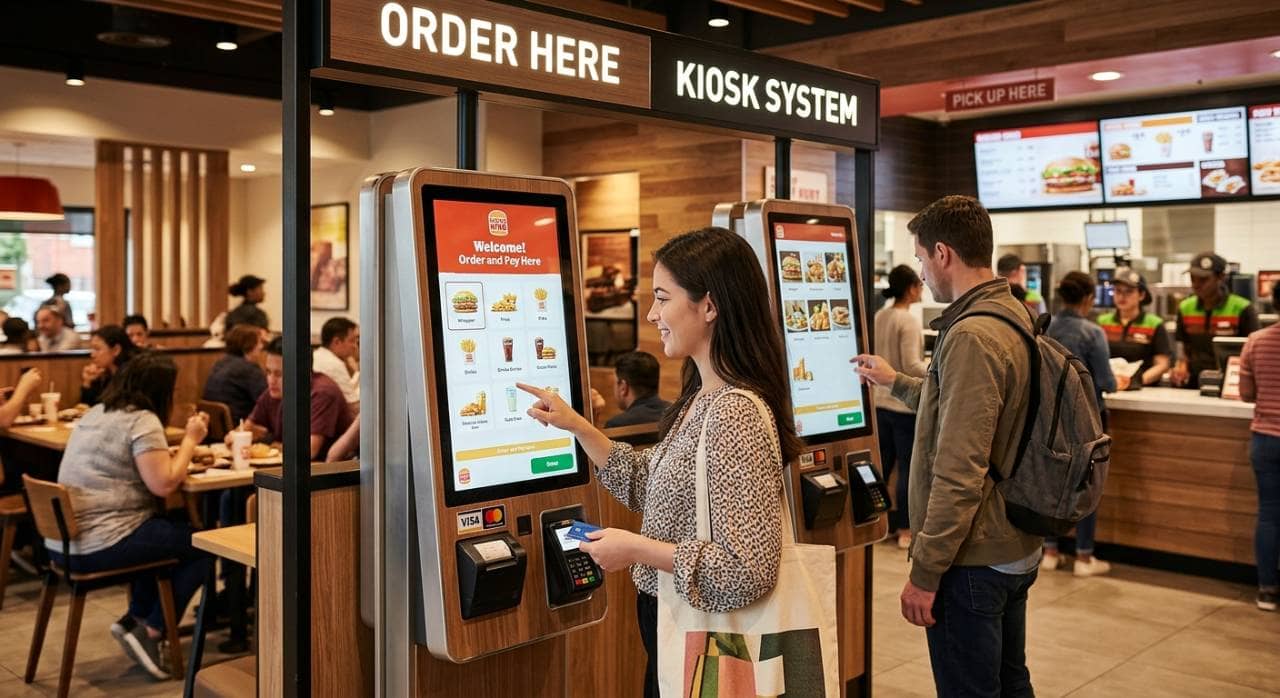
Understand how to evaluate a Kiosk system using key criteria including features, POS integration, hardware, pricing, customer experience, and support.
Aug 31, 2026

Explore restaurant technology trends in 2026, including AI, automation, digital ordering, workforce tools, connected kitchens, personalization, and profitability strategies today.
Aug 28, 2026

Learn the startup costs of opening an ice cream shop, including rent, equipment, renovations, permits, inventory, labor, marketing, and reserves.
Aug 28, 2026

A restaurant P&L statement reveals sales, expenses, and profits, helping owners manage costs, improve margins, and plan finances more effectively.
Aug 26, 2026

Unlock Exclusive Access To Webinars, Events, And The Latest News For Free!
Explore the repercussions of the court's ruling on President Trump's tariff executive orders and its implications on international trade. Learn about the legal battles, historical context, and expert opinions.

Photo by Samantha Sophia
The recent injunction by the United States Court of International Trade against several of President Trump's tariff executive orders has stirred significant legal and economic discussions. The court blocked four executive orders that utilized emergency powers to impose tariffs on countries like Canada, China, and Mexico, alongside a 10% global tariff and reciprocal tariffs. The decision called for an immediate halt to any activities associated with these orders and mandated the issuance of administrative notices within a specific timeframe.

Photo by Samantha Sophia
The legal battle surrounding the imposition of tariffs under the International Emergency Economic Powers Act saw small businesses and U.S. states raise concerns about the overreach of presidential powers. Through separate petitions, they contested that the tariffs exceeded the authority granted by the IEEPA. Ultimately, the court ruled in favor of the petitioners, stating that the presidential orders went beyond the permitted scope of tariff regulations.
The court's decision not only impacts the specific tariffs on trading partners but also questions broader tariff-related actions by the White House. Trump's elimination of the de minimis exemption for imports from China and Hong Kong, based on the IEEPA, now faces uncertainty due to the injunction. Additionally, while tariffs on select products like automobiles and steel remain unaffected, the halt raises doubts about the administration’s tariff strategy moving forward.
While previous presidents, like Richard Nixon, have utilized emergency powers to impose tariffs, President Trump's use of such authority has been notably extensive and encompassed various national crises. The transformation of laws from Nixon's era to the current IEEPA framework has created unexplored legal territories, particularly regarding the scope and limits of tariff imposition under emergency powers.

Photo by Samantha Sophia
The judicial scrutiny on Trump's tariff executive orders has prompted experts to evaluate the constitutional and legal frameworks surrounding tariff regulation. Analysts, like Christopher A. Casey from the Congressional Research Service, emphasize the need for clarity on the extent to which tariffs can be imposed under the IEEPA. The future trajectory of tariff policies and emergency power usage in trade remains uncertain following the court’s intervention.
Unsurprisingly, the court's decision to block Trump's tariff orders has sparked reactions from within the administration. Statements from officials like White House Deputy Chief of Staff Stephen Miller and spokesperson Kush Desai have criticized the judicial intervention, raising concerns about the role of unelected judges in determining national emergency responses.