
How to Do Restaurant Payroll Yourself
Learn how to handle restaurant payroll yourself, from calculating hours and wages to managing tips, taxes, and final paychecks.
Payroll
Sep 2, 2026
Learn how to handle restaurant payroll yourself, from calculating hours and wages to managing tips, taxes, and final paychecks.
Sep 2, 2026

Brooklyn Water Bagel launches its first campus eatery at Nova Southeastern, signaling strategic growth and fresh potential for multi-unit operators seeking new market wins.
Sep 2, 2026
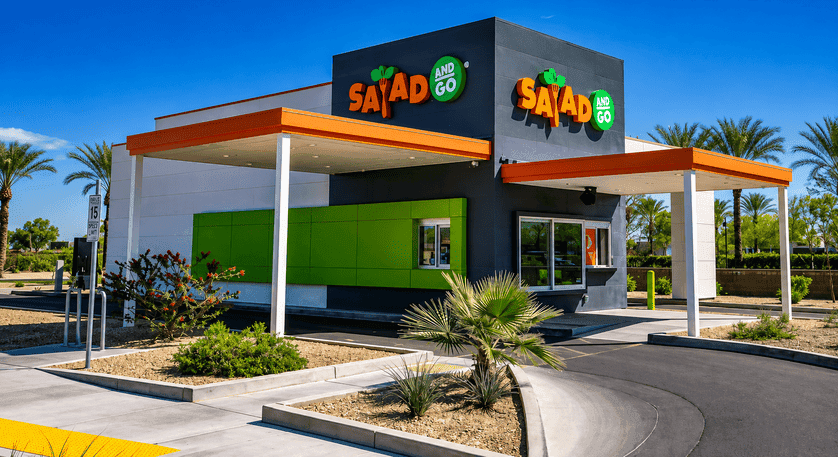
7 Brew has acquired 73 former Salad and Go locations, surpassing Dutch Bros with a $143M bid, signaling a major shift in the competitive landscape for drive-thru brands.
Sep 2, 2026
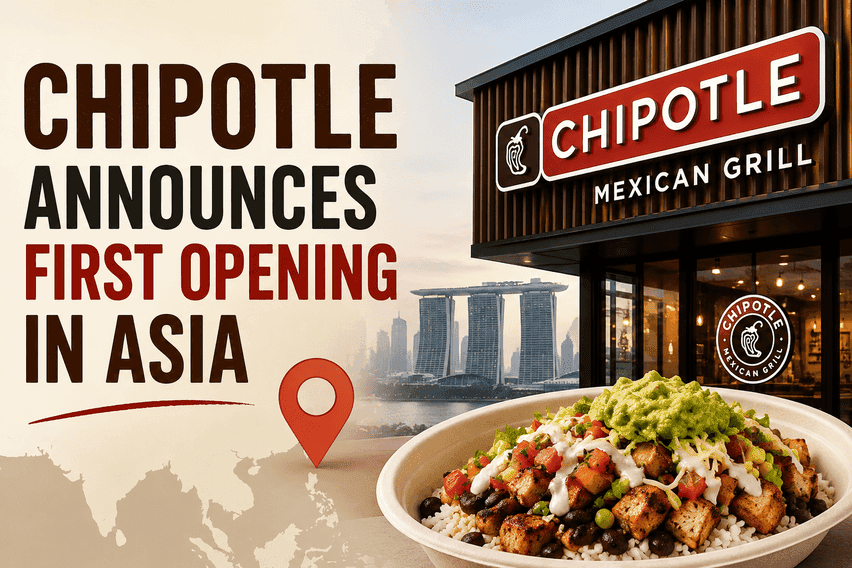
Chipotle makes its highly anticipated entry into Asia with a Seoul opening, partnering with Sangmidang Holdings and setting a template for future international growth.
Sep 2, 2026
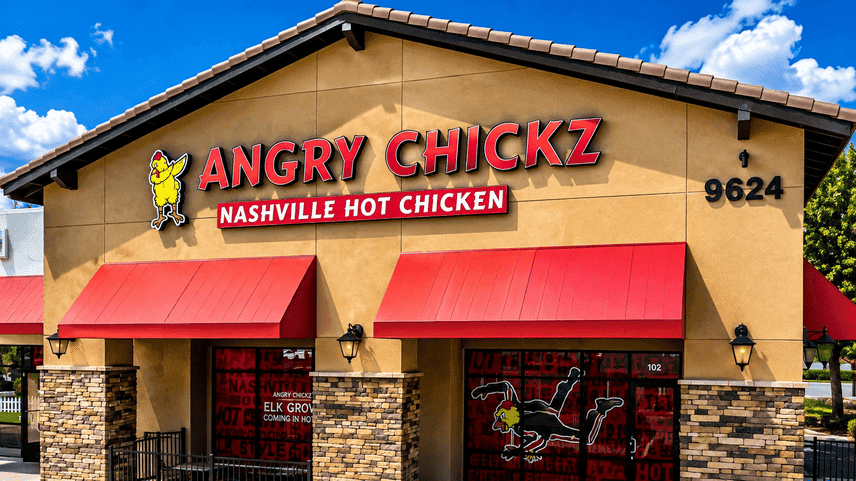
Angry Chickz enters Illinois with its signature hot chicken concept and ambitious plans for Midwest expansion, setting the stage for new franchise opportunities and community engagement.
Sep 2, 2026

Restaurant labor management helps owners optimize staffing, control labor costs, improve productivity, monitor overtime, and maintain efficient restaurant operations.
Sep 2, 2026

Learn how to calculate restaurant cost of goods using inventory, purchases, COGS percentage, variance reviews, and regular tracking for profitability.
Aug 31, 2026

Explore restaurant technology trends in 2026, including AI, automation, digital ordering, workforce tools, connected kitchens, personalization, and profitability strategies today.
Aug 28, 2026
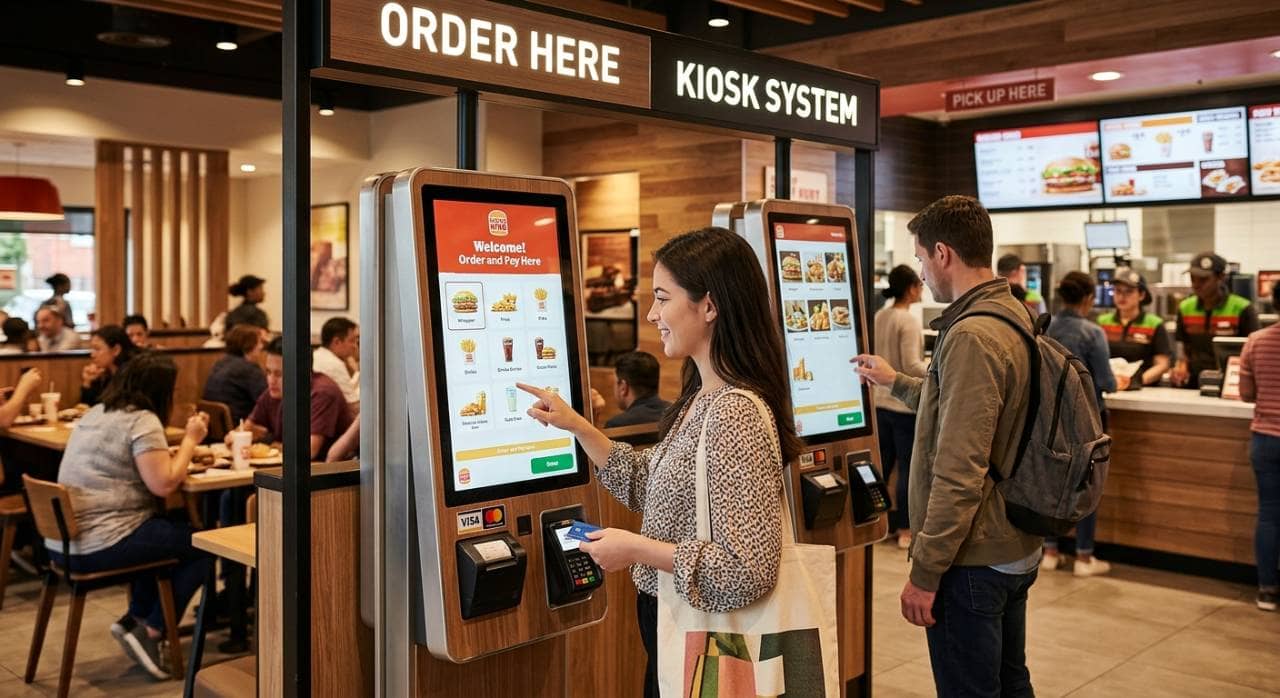
Understand how to evaluate a Kiosk system using key criteria including features, POS integration, hardware, pricing, customer experience, and support.
Aug 31, 2026

Learn the startup costs of opening an ice cream shop, including rent, equipment, renovations, permits, inventory, labor, marketing, and reserves.
Aug 28, 2026

Unlock Exclusive Access To Webinars, Events, And The Latest News For Free!
Read about the recent developments in the U.S.-Mexico trade relationship, including the delay of tariffs and new security measures.

The decision to delay tariffs that were to be imposed on Mexico by the United States marks a significant shift in the recent trade relations between the two countries. Mexico's President Claudia Sheinbaum’s announcement of the postponement came after a series of discussions with U.S. President Donald Trump. This delay reflects a commitment to finding mutually beneficial agreements between the nations.
As part of the agreements reached, Mexico has pledged to send 10,000 troops to the U.S.-Mexico border to enhance efforts in combating drug trafficking. In return, the United States has committed to preventing the flow of high-powered weapons into Mexico. These bilateral actions not only address security concerns but also signify a collaborative approach towards shared challenges.
President Sheinbaum emphasized that both countries’ teams would focus on enhancing security and trade aspects of their relationship. The engagement of top officials like Secretary of State Marco Rubio and Secretary of Commerce Howard Lutnick in forthcoming negotiations highlights the seriousness and commitment from both sides in resolving trade disputes and strengthening economic ties.
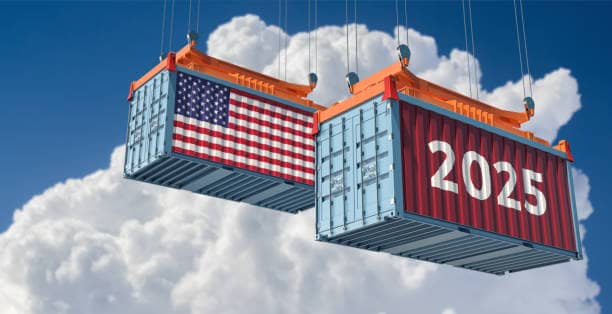
Mexico's proactive preparation for potential tariffs included efforts to align policies with the United States, particularly on key issues like migration. The country's officials aimed to demonstrate the complementary nature of trade between the nations rather than a competitive one. Mexico had devised contingency plans, one of which involved both tariff and non-tariff actions, indicating a strategic response to any trade challenges.
President Sheinbaum's emphasis on collaboration and mutual trust underscores the importance of working together to combat organized crime and enhance security measures. She highlighted the need for respect for sovereignty, emphasizing that cooperation should not equate to subordination. This stance emphasizes the importance of equal partnership and shared responsibility in addressing common issues.
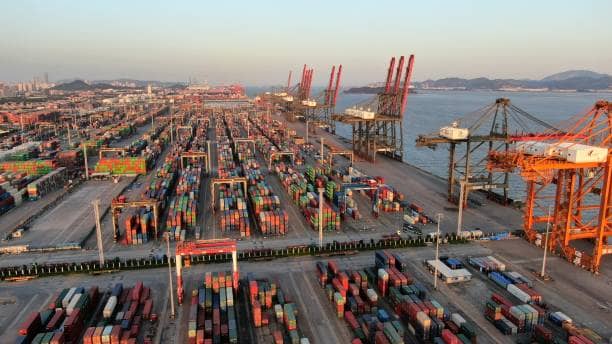
While the tariffs on Mexico have been postponed, the United States is set to enforce new duties on other countries like Canada and China. This move could impact the global trade landscape, leading to retaliatory measures and potential shifts in trade dynamics among nations. The response from Canada, with retaliatory tariffs on U.S. goods, suggests a complex interplay of trade strategies among nations.