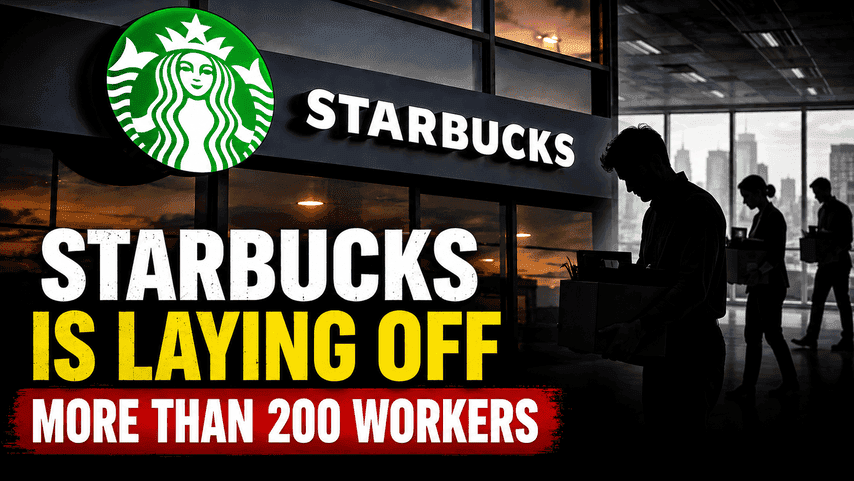
Starbucks Restructures Workforce Amid Expansion Plan
Starbucks is making strategic staffing changes, laying off 200+ workers as it restructures operations and prepares for future growth in southern and eastern regions.
News
Aug 21, 2026
Starbucks is making strategic staffing changes, laying off 200+ workers as it restructures operations and prepares for future growth in southern and eastern regions.
Aug 21, 2026
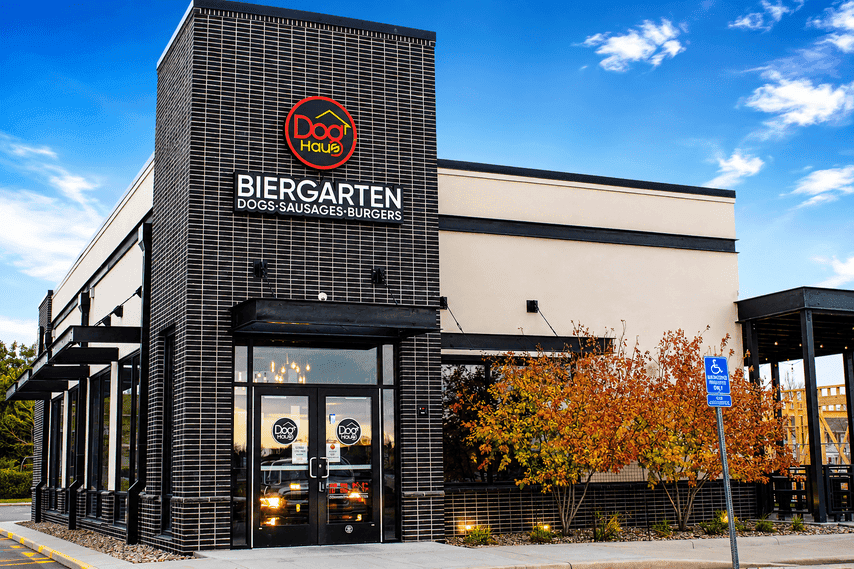
Dog Haus appoints James Field as chief marketing officer and promotes CJ Ramirez to chief experience officer, setting the stage for innovative brand growth and franchisee success in the national restaurant scene.
Aug 21, 2026
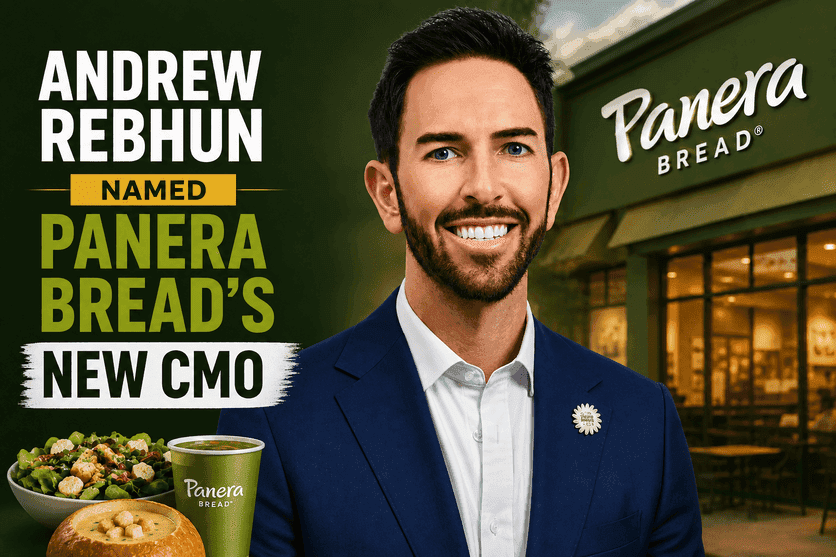
Panera Bread welcomes Andrew Rebhun as Chief Marketing Officer, succeeding Mark Shambura. Learn about his background at CAVA, El Pollo Loco, and McDonald's.
Aug 20, 2026

Learn how to open a restaurant with no experience by planning your concept, budget, location, team, operations, and successful launch.
Aug 19, 2026
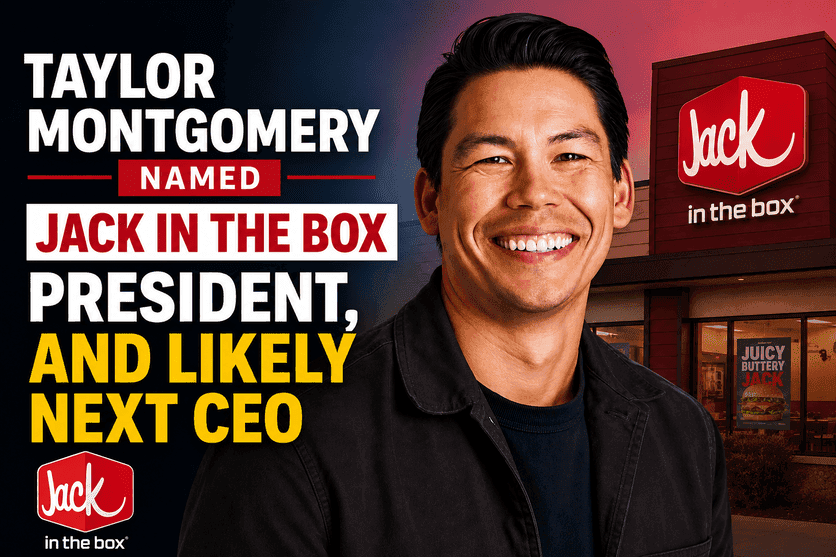
Taco Bell’s Taylor Montgomery has been appointed as President of Jack in the Box, positioning him to take over as CEO within a year - signaling major shifts for the QSR brand's future.
Aug 20, 2026

Payroll advances help restaurant owners give hourly employees earlier access to earned wages while maintaining accurate records, policies, and compliance.
Aug 19, 2026

Learn the eight essential steps of the restaurant payroll process, from tracking hours and calculating wages to payments and recordkeeping.
Aug 17, 2026
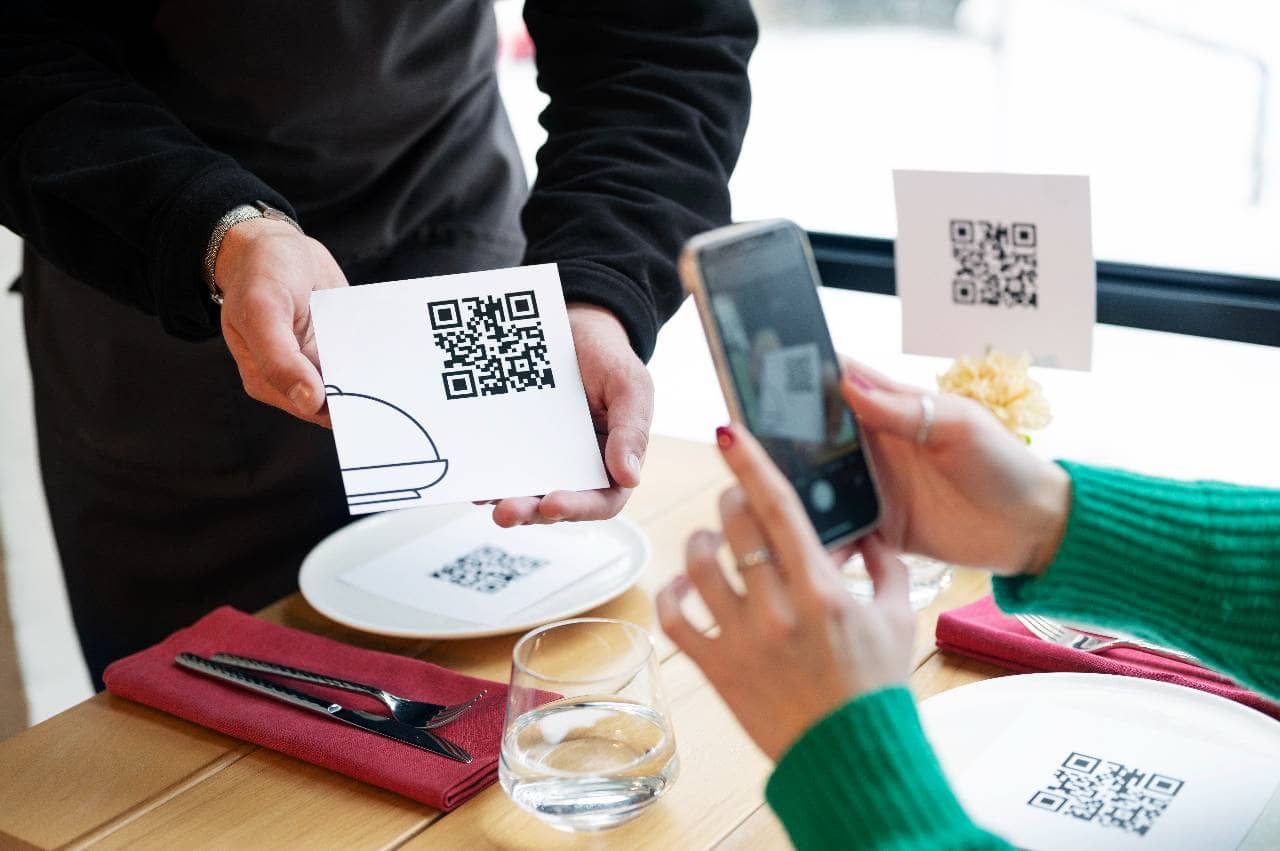
Explore the main types of ordering technology restaurants use to improve accuracy, speed, payments, customer convenience, and operational efficiency daily.
Aug 17, 2026
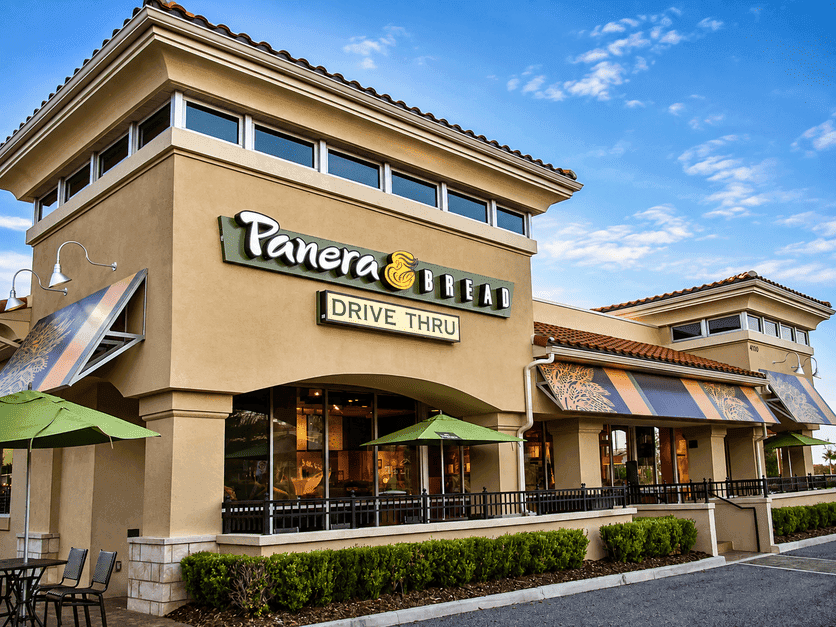
Panera Bread welcomes Andrew Rebhun as its new CMO to spearhead strategic brand growth and transformation, bolstering its vision for 2028.
Aug 17, 2026

Discover how restaurant SMS marketing works, from building subscriber lists and creating campaigns to improving engagement and measuring marketing performance.
Aug 14, 2026

Unlock Exclusive Access To Webinars, Events, And The Latest News For Free!
Many people still have questions about how these new technology standards affect food safety. Here's what you need to know about food tech safety.
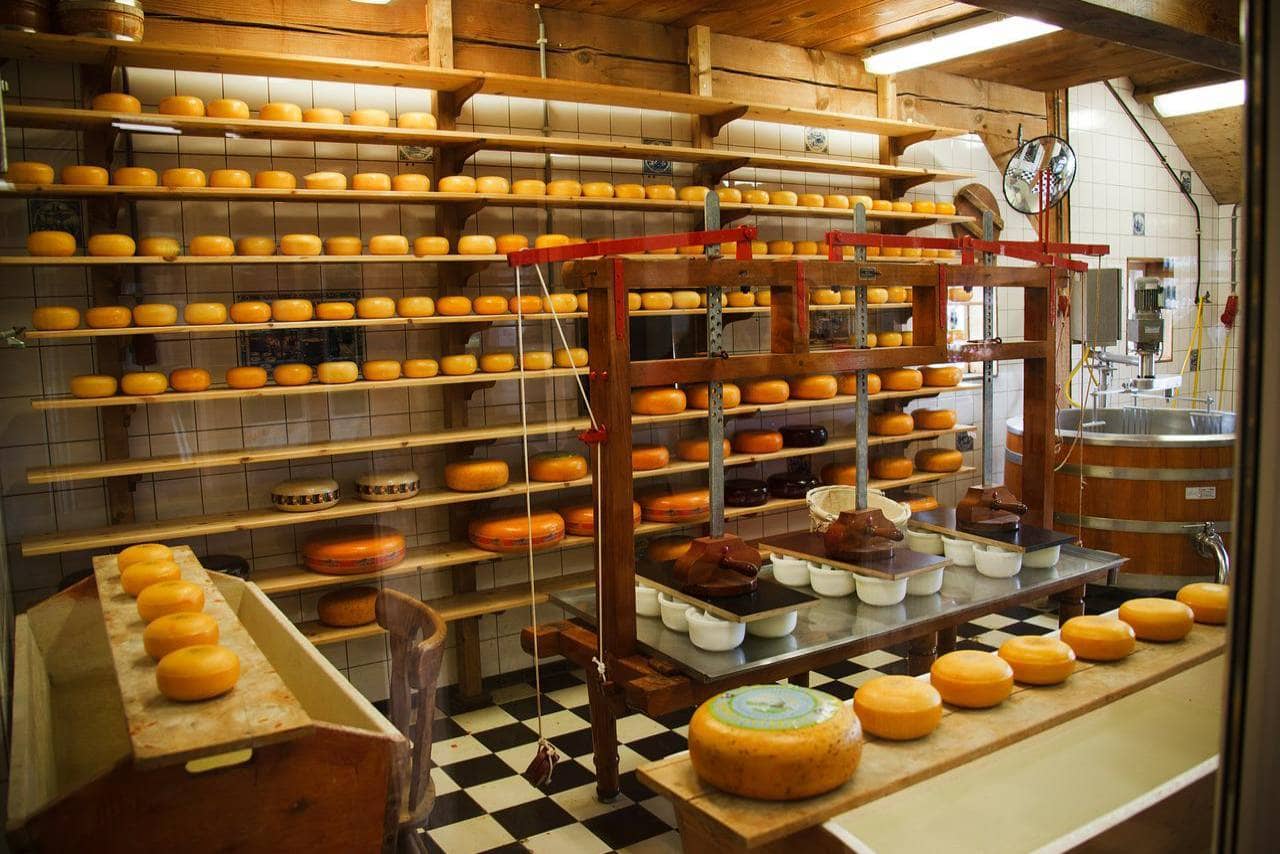
Food safety is the process of cooking, handling, preparing, and storing food in a way that makes it safe from contamination. Food safety reduces the probability of people falling sick from foodborne illness and food poisoning after consuming it. Food safety is not only a measure for disease control prevention but also a necessity for health safety and a healthy lifestyle. When food is contaminated by harmful bacteria and other germs, there is a high probability of food poisoning for those who consume the contaminated food. Food tech safety can be referred to as food science where supply chain processes are made hyper-transparent and data-driven with the use of new technologies. Use of new technologies such as Traceability, Artificial Intelligence, and Blockchain for empowering people to know exactly where, how, and by whom the product was produced and the societal and environmental costs associated with it. These new technologies have made a paradigm shift in the supply chain and food safety measures. These changing technologies directly impact farmers, manufacturers, wholesalers, retailers, and consumers increasing the supply chain transparency and efficiency. The basic difference between food safety and food tech safety is that while food safety deals with food handling and right storage food tech safety deals with bringing in more transparency in the supply chain of the food.
Talking about food, technology is the last thing that comes to our mind. However, technology is bringing a paradigm shift in the way the food industry works. Innovative new technologies like mobile-based apps, Artificial Intelligence, and Blockchain have transformed the working of the food industry. This combination of food and technology is often referred to as 'food tech'. The food-tech industry has emerged as one of the fastest-growing industries globally. Foodtech startups have revolutionized people's eating behavior in a short span of time. More people are now conscious of the quality of food, ingredients used, healthy parameters, source of production, and hygienic practices at the place of cooking. Food safety and guidelines for safe food in the U.S. are controlled by multiple departments and organizations. From growing fresh foods to food processing, cooking, and serving them to the customers, food handlers need to comply with safety guidelines at every stage of the food supply chain. The United States Food and Drug Administration, USFDA monitors tobacco products, dietary supplements, medicines, and drugs as part of its aim to promote and protect public health. Food Safety Modernization Act, FSMA authorizes the United States Food and Drug Administration to regulate the way food, fruits vegetables, and cereals are grown, harvested, and processed. Food Safety Modernization Act came into existence after several cases of foodborne illness were reported in the early 2000s. Similarly, the United States Department of Agriculture, USDA is responsible for monitoring food, agriculture, and nutrition. USDA issues guidelines on food safety and quality. It also ensures meat poultry products are safe to consume and properly labeled. Centers for Disease Control and Prevention, CDC creates awareness on the handling of food products. Food handlers need to comply with the guidelines on safe food cooking and storing temperatures, and food handling to prevent foodborne illness and promote public health. The U.S. also has its food code that mentions the standards related to food preparation, packaging, and preservation. The US FDA has also come up with a food safety management system Hazard Analysis Critical Control to analyze the possibilities of food safety hazards and suggests preventive steps. All of these departments make sure that the wholesale and retail food sellers, restaurant owners, and farmers abide by the federal regulations and food protection laws to nurture public health.
The US Department of Health and Human Services says that a takeback scheme is a situation when a food producer takes the product back from the market because there is a possibility of the product causing its consumers to fall ill. There are situations when the government agencies request takeback for food safety. The purpose of the takeback scheme is to avoid the risk of people getting ill due to foodborne illnesses. There may be several reasons for takeback, here are a few of those- - Microorganism, chemical or physical contaminant makes a food product unsafe for consumption - Bacteria, cleaning chemicals, and broken glass are examples of contaminant - Food allergens like milk, egg, and fish are not identified in the ingredient list of the food product
Identifying food products recalled under the takeback scheme through Traceability or Artificial Intelligence is very easy. It reduces the chances of foodborne illness and decreases the wastage of food. The USDA and FDA have recommended searching the food product label to locate- - Product name - Product packaging including size - Date labels for use - Bar codes to track source of the food product Once you get the takeback info for the food product, check the product label to identify if your info matches to the information on the label. If the information matches, make sure you do not consume the food and follow the instructions from the takeback notice. Wash your hands and any area which has come in contact with such food products. In case of an undeclared allergen, allergic consumers may be at risk and they must not consume such food.
The introduction of Artificial Intelligence in food tech safety is a major step toward delivering safe food to consumers. Artificial Intelligence can significantly improve packing, increase shelf life, make the supply chain more transparent and AI algorithms can make a combination of menus. The food industry is completely about smart farming and robotic farming with the help of Artificial Intelligence. AI can maximize resource utilization by reducing human error. It can significantly work the improvement in quality of restaurants, cafes, delivery food chains and outlets and increase production by using different fitting algorithms for predicting sales.
The food industry has gone through many transitions in the past few decades. The introduction of newly developed technologies to the food industry saw drastic improvements and increased professionalism in the food industry. The role of new technologies especially grew in the past few years with the outbreak of pandemics throughout the world. Therefore it is essential to learn about the role these new technologies like food thermometers such as meater plus, robots, and AI play in the food industry. - Developing new recipes with consumer trends The food industry is on a constant lookout to present something new to the consumers to refresh their product line and earn maximum benefit. With analytics and sales data it is now an easy job for food handlers to introduce such products to their consumers. - Improved supply chain management AI helps in bringing more transparency to the supply chain and helps track products better which improves the supply chain management significantly. - Efficient cleaning process The use of optical fluorescence imaging and ultrasonic sensing through AI to scan the remains of food in machines is a huge success in the cleaning process. It cuts the requirement for water by 20-40% and cleaning time is reduced by 50%. - Hygienic production lines Artificial Intelligence in food processing and manufacturing reduces the risk of food safety breaches in many ways. The products are less likely to be exposed to contamination with more and more use of robots in the food production process. AI-based robots carry out tasks more efficiently than humans. They also help in keeping tight hygiene on-site. - Food sorting Sorting food items is a daunting task with human sorters that slows down the production line. AI helps in food sorting with the use of cameras and lasers.
It is a legal requirement of food industry to serve safe food to its consumers and take all necessary steps to avoid contamination and risk of foodborne diseases. While, the authorities are strict for compliance with food safety norms, use of technology has made it easy for the food industry to follow them. Introduction of new technologies like AI and robots have proved to be a major success for the food industry.