
Pei Wei Wins Best Fast-Casual Chain Award
Pei Wei Asian Kitchen named Best Fast-Casual Chain in Reviewed 2026 Awards, reflecting shift from price competition to quality and transparency.
News
Sep 11, 2026
Pei Wei Asian Kitchen named Best Fast-Casual Chain in Reviewed 2026 Awards, reflecting shift from price competition to quality and transparency.
Sep 11, 2026

O'Charley's shuttered all corporate restaurants nationwide on September 9, 2026, ending its 55-year legacy as a casual-dining regional powerhouse.
Sep 11, 2026
Authentic Restaurant Brands lands $325M investment from Trimontium to fuel disciplined regional expansion across five established restaurant concepts.
Sep 11, 2026

Walmart expands restaurant delivery beyond Subway and Dunkin', taking on DoorDash, Uber Eats, and Grubhub with Papa Johns nationwide rollout.
Sep 11, 2026

Complete NFL season restaurant checklist covering licensing, AV setup, menu prep, inventory, staffing, and marketing before kickoff arrives.
Sep 11, 2026

California shifts to public enforcement strategy against Dickey's for deceptive franchise disclosures, signaling stricter state-level franchise oversight.
Sep 10, 2026
Paul Brown temporarily steps away from Inspire Brands as Scott Murphy assumes interim CEO role during confidential IPO filing process targeting late 2026.
Sep 10, 2026
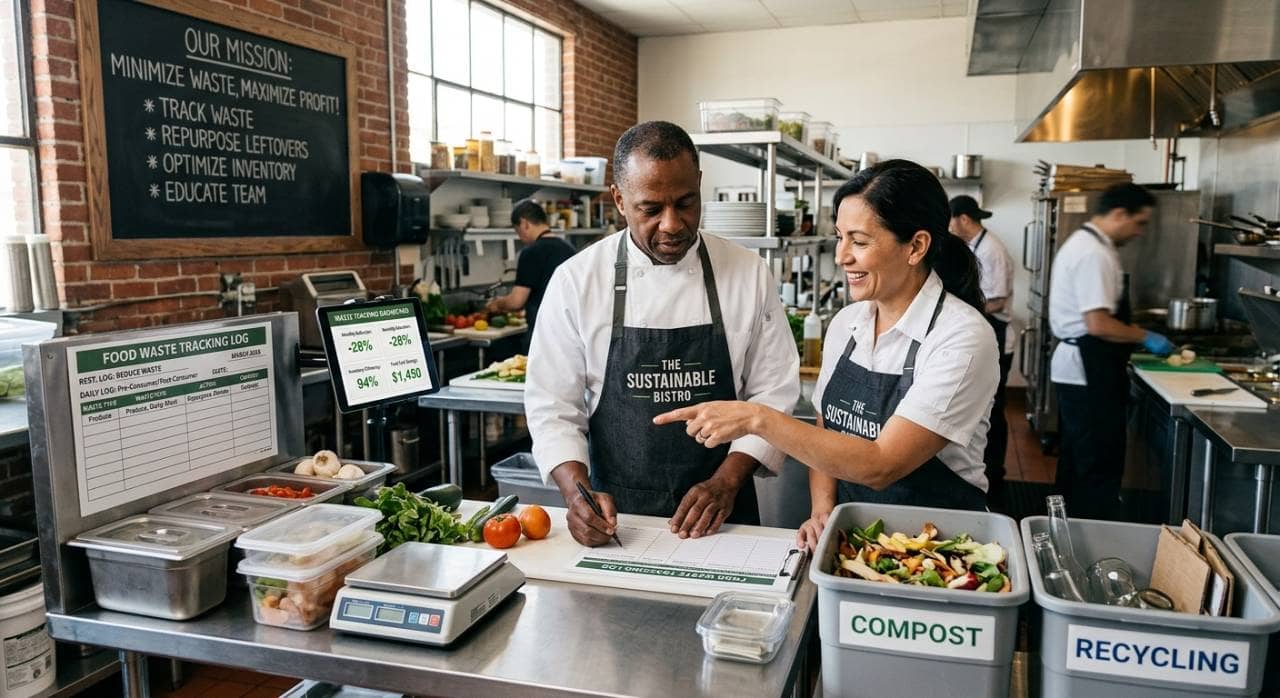
Learn how to reduce food waste in restaurants through smarter purchasing, storage, preparation, and service strategies that cut costs.
Sep 9, 2026
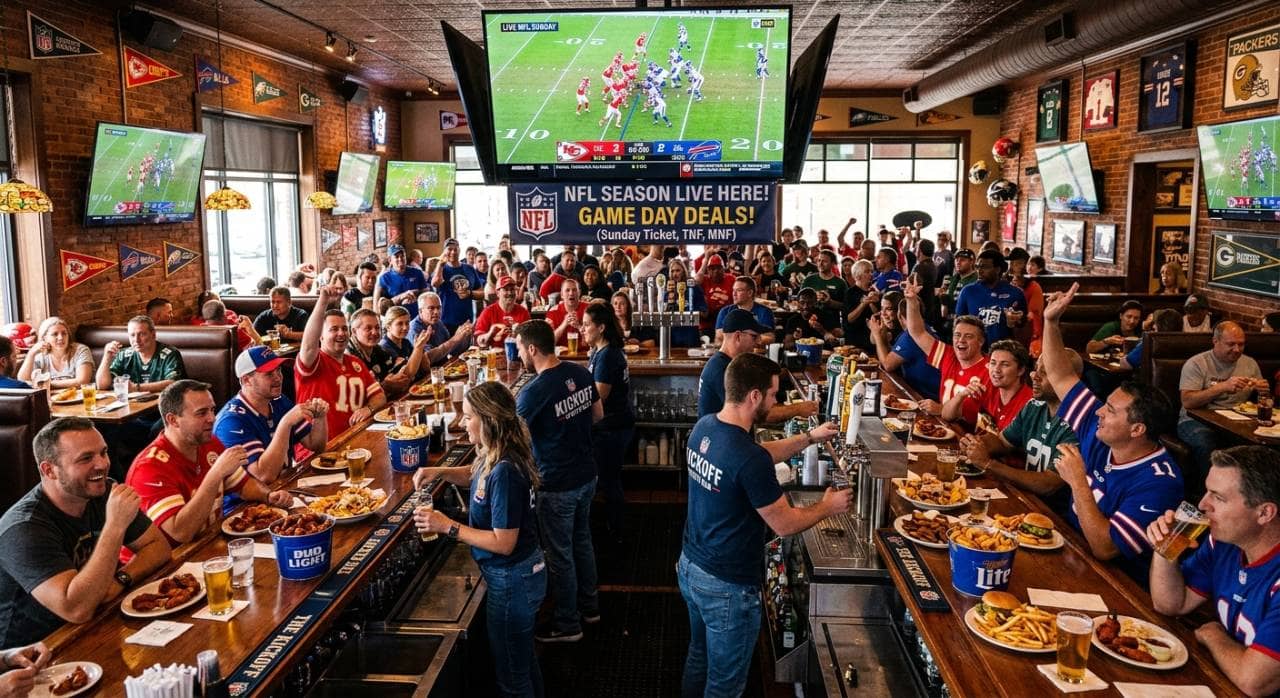
Prepare your restaurant for NFL season with smart menu planning, staffing, marketing, technology, and atmosphere strategies that boost season-long revenue.
Sep 9, 2026
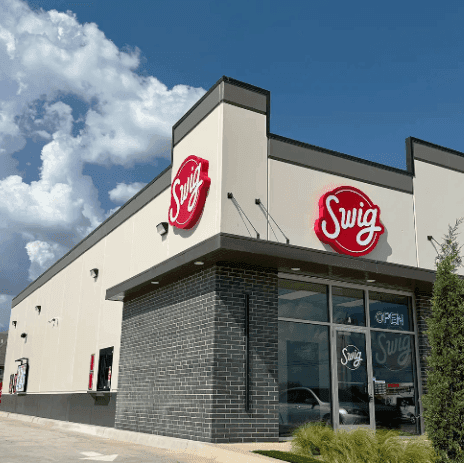
Swig signs franchise agreement for 11 South Denver locations, marking Colorado entry and validating its national expansion strategy.
Sep 8, 2026

Unlock Exclusive Access To Webinars, Events, And The Latest News For Free!
Southern Luv BBQ cut popular tots as data tied sales to line slowdowns. How operators trim menus, add automation, and protect thin margins.

Photo by Jacob Stone
The tater tots at Southern Luv BBQ were a smash, then a snarl. “We wanted to do tater tots really bad,” recalls founder Essi Tadrus. Applause met the launch, but the made-to-order process jammed the line during peak hours.
What looked like a crowd-pleaser became a drag on service, then on margins, and eventually left the menu.
In a business that lives on 3 to 5 percent net profit for full-service operators, according to the National Restaurant Association’s 2025 State of the Industry Report, even one misfit dish can tip the scales.
Tadrus learned the lesson the long way. Earlier in his career he offered fried chicken, Philly steaks, salads, wings, “everything under the sun,” only to discover that breadth trades off with consistency.

Southern Luv BBQ now runs a leaner board.
That instinct mirrors a wider recalibration. Many restaurateurs still assume more options lure more guests, yet 48 percent of operators are trimming menu size in response to cost and complexity pressures.
with research pointing to an optimal five to seven items per category for efficient service. In tension with that discipline, a report from the National Association of Convenience Stores found that menus across quick-service, midscale, and casual dining have grown by roughly 23 percent in item count over the past two years.
More SKUs to stock, more recipes to train, more room for friction.
The tots exposed that friction in real time. Orders piled up because the item was cooked to order, stretching ticket times and soaking up labor.
Southern Luv BBQ tracked prep delays during lunch and dinner rushes, then rolled staff feedback into the decision to retire the dish over several weeks.
The math behind this kind of call rarely sits on the sales ledger alone. Up to 10 to 15 percent of potential profit can hide in mispriced or operationally burdensome items, as noted by automation provider US Tech Automations.
The NRA’s 2025 Technology Landscape Report finds that restaurants tying menu engineering to automation platforms report 2.4-times greater operational efficiency when they integrate three or more tools, compared with operators using standalone solutions. Link sales data to prep workflows and the culprits emerge, from dishes that drive ticket times to ingredients that spur waste to scheduling patterns that misalign with demand.

Guests did not see those background calculations, only the missing favorite. “People were like, ‘The tater tots were so good. Why would you take them off?’” says Tadrus, capturing the tug between enthusiasm and execution.
Rising ticket times and hidden labor costs can sour satisfaction faster than reviews ever will, a truth that has nudged large brands too, with chains like Starbucks pruning unpopular items to shorten waits and streamline operations.
Data gaps complicate the picture. General managers or chefs spending 20 hours per month on menu analysis represent $1,200 to $2,000 in opportunity cost per location, based on Bureau of Labor Statistics salary data cited by US Tech Automations.
Many independents also lack the resources to knit together multiple platforms or translate analytics into timely menu changes, and Southern Luv BBQ’s internal cost breakdown for each item remains confidential, which leaves the precise toll of the tots off limits.

Technology is softening those blind spots for operators that can invest. A case study from US Tech Automations shows multi-unit operators reducing the food cost gap from 4 to 8 percent down to 1 to 2 percent within 90 days by automating recipe costing and demand forecasting, a result echoed by MarketMan’s 2025 benchmarking data.
TouchBistro reports that 95 percent of U.S. independent full-service operators have adopted some form of AI for inventory management, menu optimization, or reservations, with over one-third seeing back-of-house efficiency gains that lower operational costs without sacrificing satisfaction. The direction is clear: connect the dots between what guests crave and what kitchens can deliver consistently in the time and with the labor they have.
The stakes are national in scale. The National Restaurant Association projects industry sales of $1.5 trillion and employment of 15.9 million workers by year-end 2025, which means small choices at the station level add up.
Treat customer behavior as inspiration rather than mandate. Southern Luv BBQ’s mac bowl was born from a guest’s custom order, then earned its spot by meeting standards for consistent execution. Menus that honor that balance, creativity tempered by disciplined data analysis, tend to last. A hit belongs on the board only if it feeds the guest experience and the bottom line in equal measure.
