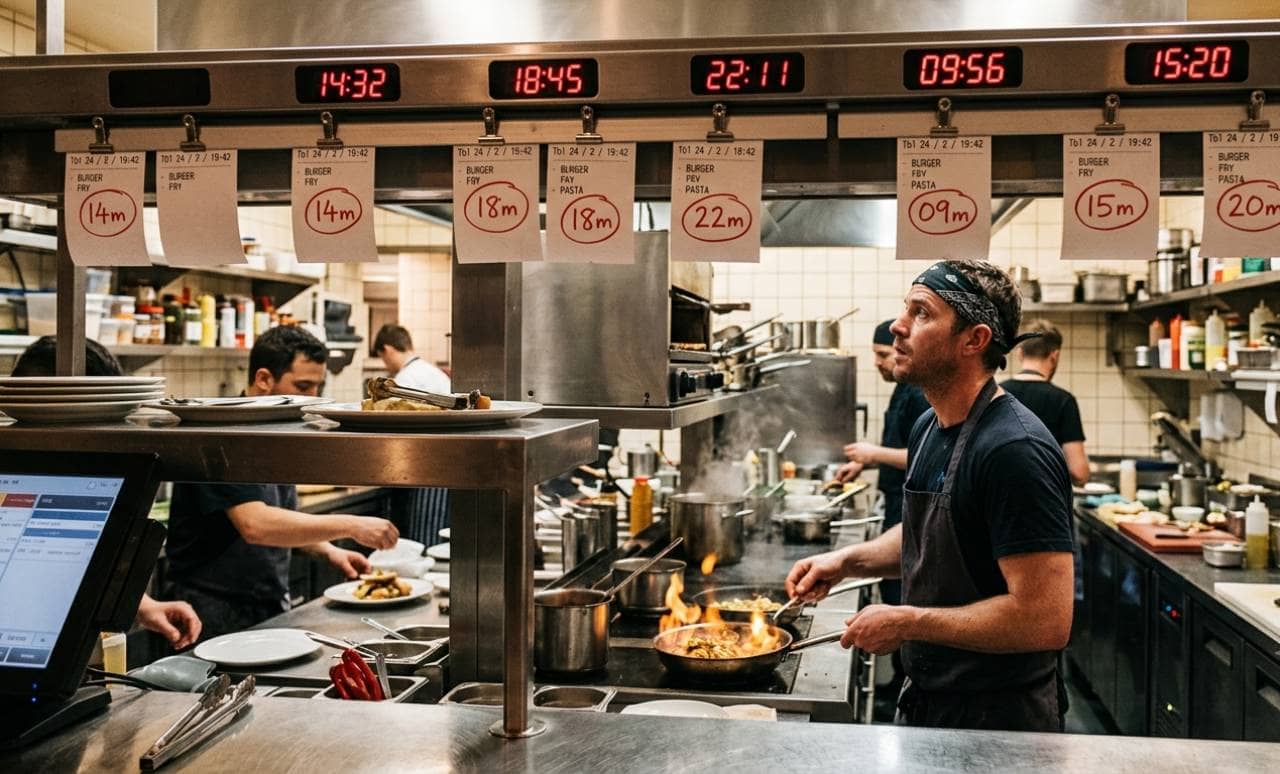
How to Reduce Restaurant Kitchen Ticket Times
Improve kitchen ticket times with practical strategies for better preparation, smoother workflows, stronger communication, smarter staffing, and effective restaurant technology.
back office
Jul 27, 2026
Improve kitchen ticket times with practical strategies for better preparation, smoother workflows, stronger communication, smarter staffing, and effective restaurant technology.
Jul 27, 2026
Noodles & Company achieves historic sales growth and operational turnaround in 2026, sharing critical lessons for restaurant owners on boosting traffic, innovation, and team culture.
Jul 27, 2026

Learn how restaurant owners can manage payroll accurately, track labor costs, reduce errors, maintain compliance, and improve workforce profitability efficiently.
Jul 27, 2026

Veteran restaurant executive David Deno assumes the helm at Cracker Barrel, signaling a pivotal moment for the brand’s revitalization. Learn what this means for operators, staff, and industry leaders.
Jul 27, 2026
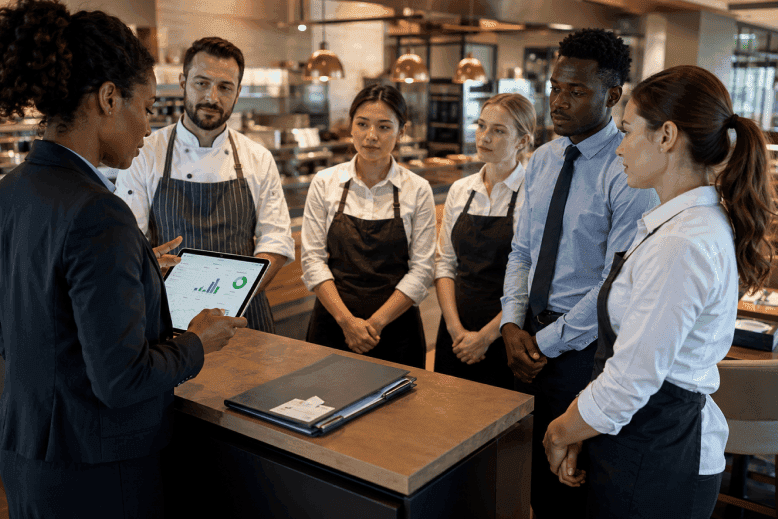
Stay compliant with key restaurant labor regulations in Summer 2026, including minimum wage increases, scheduling laws, and retirement requirements.
Jul 24, 2026
Cicis Pizza’s systemwide sales have surged over 50%, fueled by digital innovation, modern operations, and a revamped franchise strategy. Learn what restaurant owners can take away from Cicis’ transformation.
Jul 24, 2026
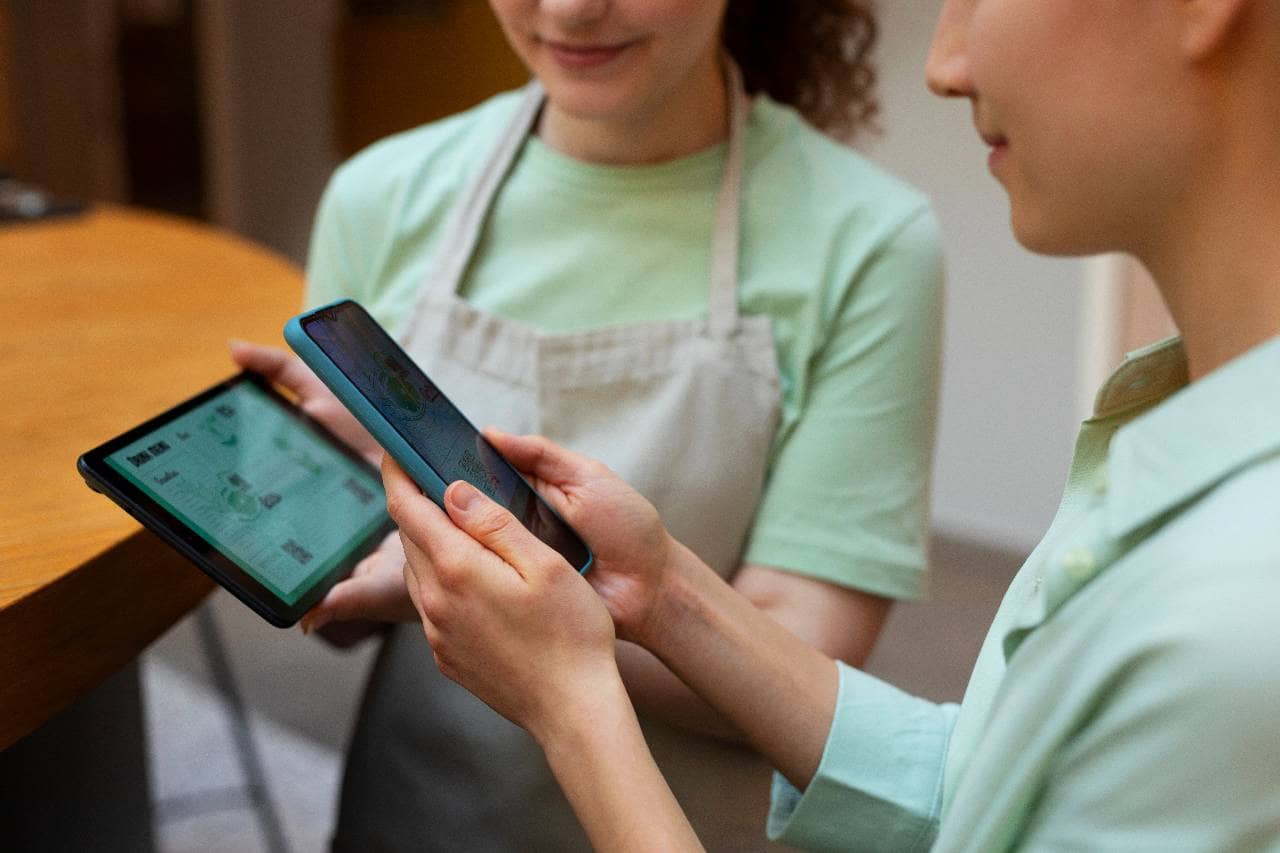
Discover how restaurant apps help owners manage labor, payroll, inventory, food safety, reporting, and back-office operations more efficiently every day.
Jul 24, 2026
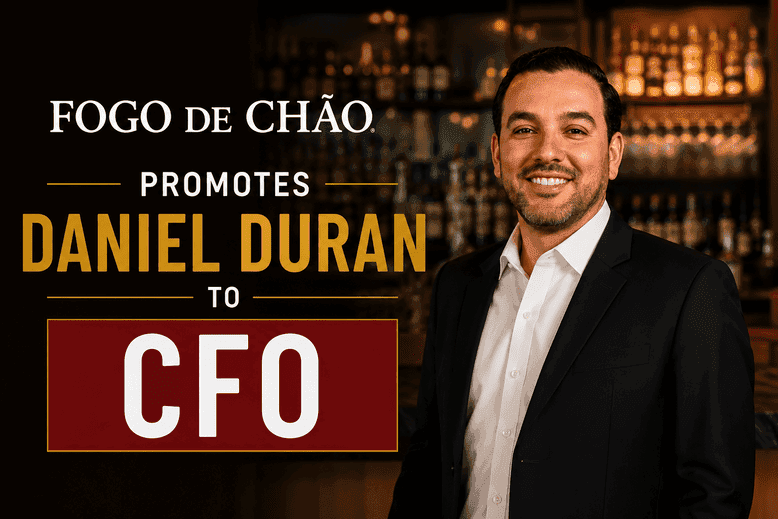
Fogo de Chão has announced Daniel Duran as its new CFO, marking a strategic leadership transition designed to enhance global growth and financial innovation for the renowned restaurant brand.
Jul 24, 2026

Learn how to calculate, benchmark, track, and improve restaurant payroll percentage while balancing staffing costs, sales, service, and profitability effectively.
Jul 24, 2026
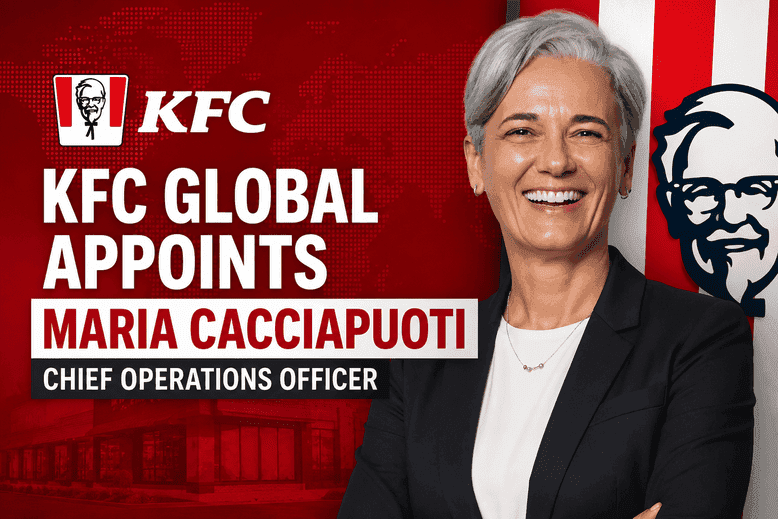
KFC Global has selected experienced leader Maria Cacciapuoti as its new Chief Operations Officer. Discover how her extensive expertise will help shape KFC’s global operations and franchise partnerships.
Jul 23, 2026
Explore the strategic equipment changes at Popeyes as part of the Easy to Run initiative and its effect on franchisee profits and operational efficiency.
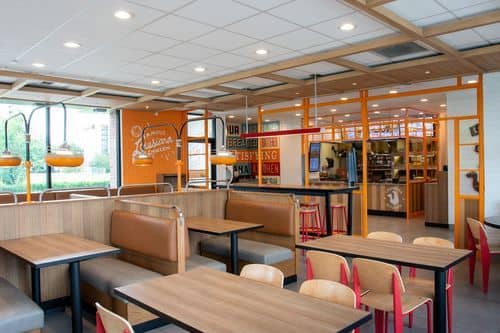

The Easy to Run initiative at Popeyes is centered around standardizing processes, upgrading technology, and introducing new kitchen equipment as well as a redesigned production line. This strategic move aims to streamline operations, improve efficiency, and ultimately drive profitability for franchisees.
Popeyes' overhaul initiative shares strategic similarities with Burger King's 'Reclaim the Flame' initiative, both focusing on modernizing the brands to boost franchisee profits. The success of 'Reclaim the Flame' in enhancing sales at renovated Burger King stores underscores the potential positive impact of such initiatives on brand performance.
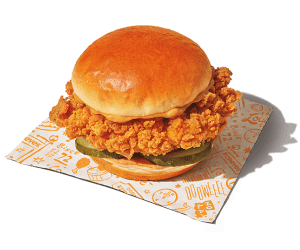
RBI rigorously tested equipment changes at 200 Popeyes locations over 18 months before planning a nationwide implementation. Within 22 months, all Popeyes in the U.S. are expected to have advanced technological upgrades including cloud-based point of sale systems, digital drop charts, and kiosks.
.png&w=3840&q=70)
The introduction of new equipment and processes is anticipated to reduce wait times, enhance order accuracy, and improve the overall employee experience. Hub markets such as Houston and Orlando, Florida, where the Easy to Run initiative is well-advanced, have already demonstrated significant performance gains.
Patrick Doyle, the executive chairman at RBI, emphasizes the importance of franchisee profitability in driving growth targets, aiming for Popeyes to achieve $300,000 in four-wall franchisee profits. This focus on franchisee well-being aligns with RBI's long-term strategy and highlights the crucial role of operational efficiency in sustaining brand growth.
To counter weak sales growth, RBI plans to boost ad spend by increasing the national advertising rate. Incrementally raising the rate from 4.5% to 5% and potentially to 5.5% through franchise agreements amendments is expected to drive sales. Unit economics will benefit from a $4,000-per-restaurant credit to offset initial marketing investments.