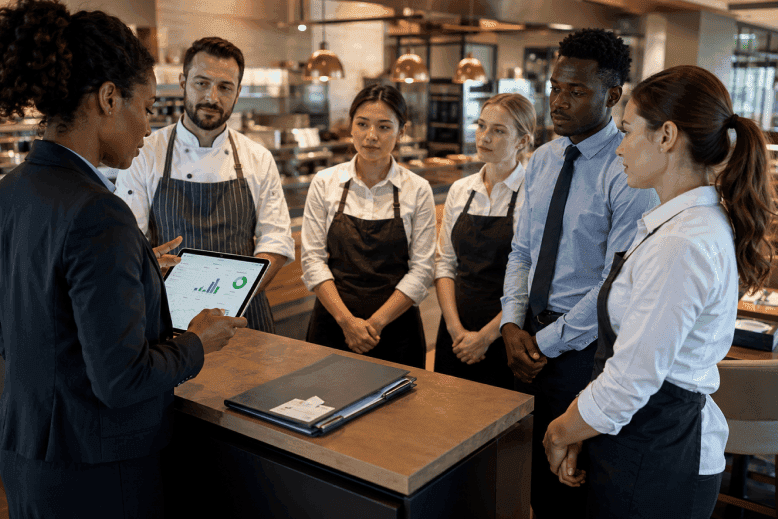
Summer 2026 Restaurant Labor Law Updates
Stay compliant with key restaurant labor regulations in Summer 2026, including minimum wage increases, scheduling laws, and retirement requirements.
business management
Jul 24, 2026
Stay compliant with key restaurant labor regulations in Summer 2026, including minimum wage increases, scheduling laws, and retirement requirements.
Jul 24, 2026

Discover how restaurant apps help owners manage labor, payroll, inventory, food safety, reporting, and back-office operations more efficiently every day.
Jul 24, 2026
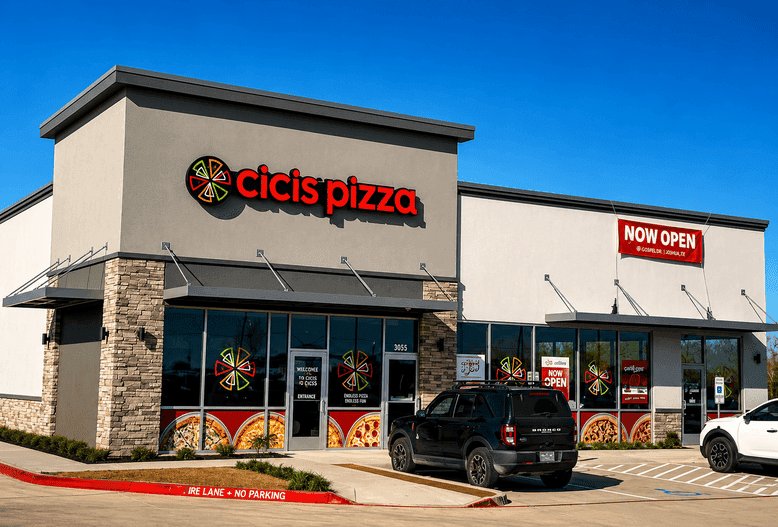
Cicis Pizza’s systemwide sales have surged over 50%, fueled by digital innovation, modern operations, and a revamped franchise strategy. Learn what restaurant owners can take away from Cicis’ transformation.
Jul 24, 2026
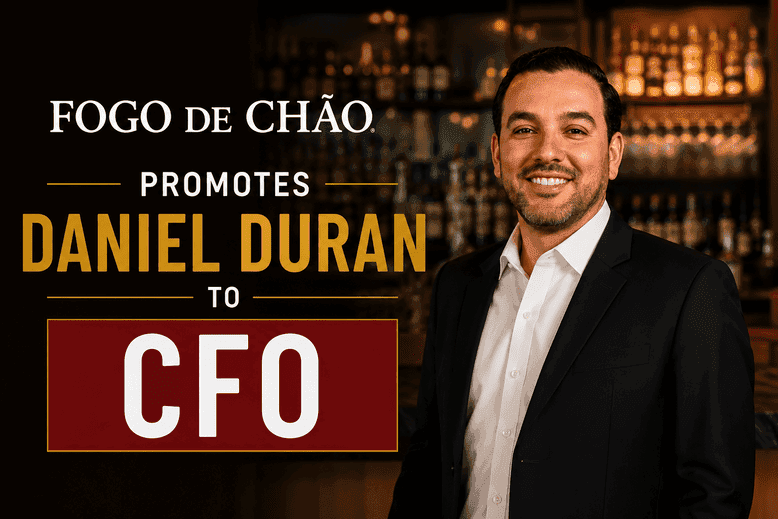
Fogo de Chão has announced Daniel Duran as its new CFO, marking a strategic leadership transition designed to enhance global growth and financial innovation for the renowned restaurant brand.
Jul 24, 2026

Learn how to calculate, benchmark, track, and improve restaurant payroll percentage while balancing staffing costs, sales, service, and profitability effectively.
Jul 24, 2026
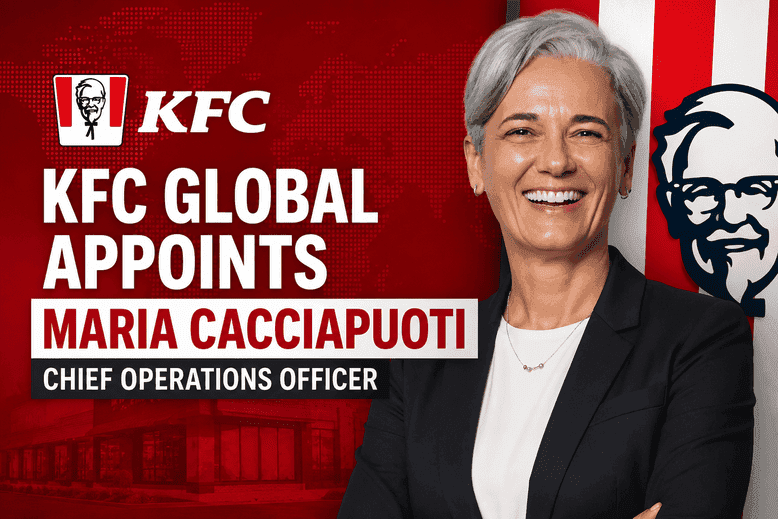
KFC Global has selected experienced leader Maria Cacciapuoti as its new Chief Operations Officer. Discover how her extensive expertise will help shape KFC’s global operations and franchise partnerships.
Jul 23, 2026
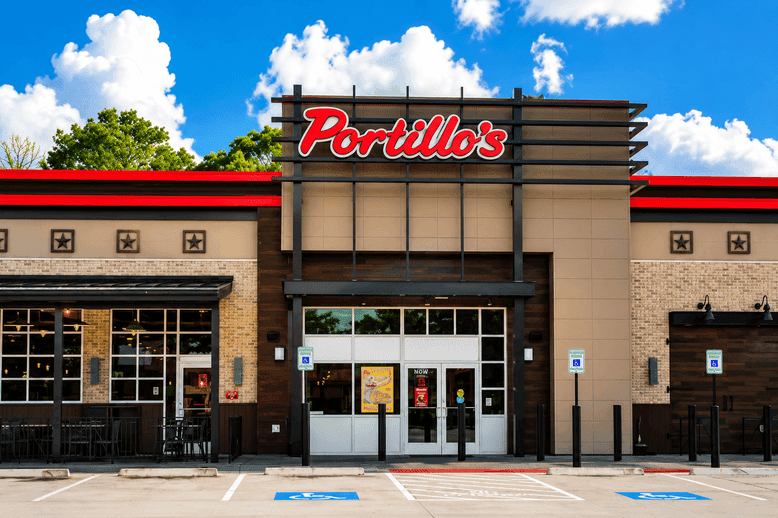
Portillo’s welcomes industry veteran Christopher Hansen as Executive Chef and Senior Director of Culinary Innovation to steer menu strategy and fuel national growth.
Jul 23, 2026
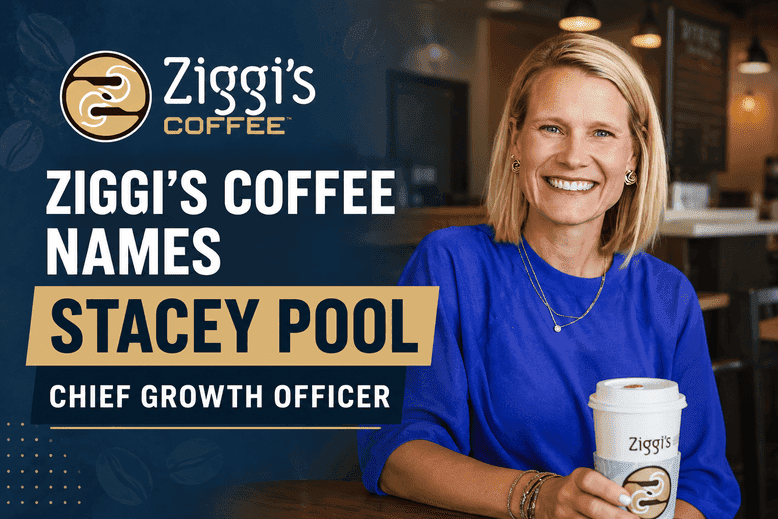
Ziggi’s Coffee welcomes Stacey Pool as Chief Growth Officer to spearhead national expansion and enhance franchise profitability as the brand celebrates a decade of franchising success.
Jul 23, 2026

Cinnabon grows 30% in U.S. units, adding 308 net stores as flexible formats expand into travel centers and convenience; 95 more openings forecast and 359 in pipeline.
Jul 22, 2026

QDOBA targets 2,000 restaurants in 10 years, powered by franchising and recent securitizations, aiming for $5B sales, $2.7M AUV, and 28% margins.
Jul 22, 2026
Tender Greens and Tocaya confront post‑pandemic headwinds from off‑premise dining, debt, and fading urban foot traffic, reshaping fast‑casual economics.

Photo by Fabio Sasso
In California's sunlit streets and glass-front lobbies, two names, Tender Greens and Tocaya Organica, once moved with the steady pulse of office workers and weekday lunch rituals. Those rhythms softened after the pandemic, and in the years that followed, urban foot traffic never fully rebounded. The vibe of downtowns shifted toward a gentler pace, a mood that invites lingering rather than brisk purchases. The café window glows with the promise of a quiet conversation over bright bowls, and yet the street outside feels more patient than bustling. This is where the story turns:
Data points crystallize the mood. Tender Greens posted an average unit volume of $3.4 million in 2019, slipped to $2.3 million in 2020, and partially rebounded to $2.9 million by 2023. A parallel arc for Tocaya Organica tracked from $3.4 million in 2019 to $2.1 million in 2023. Four‑wall margins followed suit: 16% before COVID‑19 faded to 9.4% for Tender Greens, while Tocaya’s margins shrank from 13.1% to 1.6%. The core challenge remains the persistent drop in urban foot traffic, particularly in California and Arizona downtown cores. Recovery, for now, remains fragile.
Turning toward the mechanics behind the slowdown, the shift to off‑premise dining has become a defining thread. Third‑party takeout and delivery now account for roughly 30% to 40% of company sales, a share that sounds promising until you see the cost behind it. Commissions run between 15% and 18% depending on the platform, and packaging adds another 4%, all of which erode margins because prices can’t be raised without denting demand. The biology of this revenue path creates a wary loop: more delivery, lower margins, and ongoing discounting that feeds demand only at the expense of profitability.
Delivery partnerships also shaped revenue realities in ways that proved double‑edged. From 2021 to 2023, Tender Greens and Tocaya operated under exclusive agreements with Uber Eats and Postmates that included a sales volume guarantee. In practice, platforms offered aggressive price discounts to meet targets, at times making delivery cheaper than dining in and putting further pressure on profitability. The arrangement is reflected in court filings and platform disclosures, underscoring a core tension between growth through delivery and the need to protect margins.

Viewed through the lens of filings, the stress rippled into the legal arena. In Delaware, Tender Greens OpCo, LLC filed for Chapter 11 on July 17, 2024, signaling a formal restructuring path. Earlier, Rubio’s Coastal Grill filed for Chapter 11 to facilitate a sale process on June 5, 2024. Tijuana Flats filed Chapter 11 on April 19, 2024 and later emerged in 2025, while Red Lobster sought relief on May 20, 2024 after a real estate strategy contributed to higher rents. The breadth of stress illustrates a sectorwide strain shaped by debt, wage pressures, and the costs of delivery and space.
Industry observers describe a shifting profitability calculus: stores sit within capital‑intense real estate portfolios, and lenders are rethinking aggressive expansion. The bankruptcy wave and the accompanying cost dynamics reveal a market where growth at any price is not a guaranteed path to success. Even as demand for fast casual persists, the route to sustainable profits now requires careful realignment of assets, costs, and operating models across chains.

The episodes from 2024 into 2025 speak to a fundamental shift in fast‑casual economics. Chains must rethink reliance on dense urban foot traffic and steeply discounted off‑premise sales, balancing debt load and wage pressures with sustainable unit economics. Direct‑to‑consumer channels, tighter cost controls, and strategic capital decisions appear essential as the industry reframes growth in a post‑pandemic landscape. The road ahead invites gentler pacing, more patient partnerships, and a quieter confidence in the plan.
As sector participants recalibrate, the lessons from 2024–2025 will inform new models for expansion, partnerships, and store profitability in a world where delivery and labor costs remain central to the bottom line. The café’s simple act of serving a moment of ease becomes a quiet compass for a turbulent time.