
Pei Wei Wins Best Fast-Casual Chain Award
Pei Wei Asian Kitchen named Best Fast-Casual Chain in Reviewed 2026 Awards, reflecting shift from price competition to quality and transparency.
News
Sep 11, 2026
Pei Wei Asian Kitchen named Best Fast-Casual Chain in Reviewed 2026 Awards, reflecting shift from price competition to quality and transparency.
Sep 11, 2026

O'Charley's shuttered all corporate restaurants nationwide on September 9, 2026, ending its 55-year legacy as a casual-dining regional powerhouse.
Sep 11, 2026
Authentic Restaurant Brands lands $325M investment from Trimontium to fuel disciplined regional expansion across five established restaurant concepts.
Sep 11, 2026

Walmart expands restaurant delivery beyond Subway and Dunkin', taking on DoorDash, Uber Eats, and Grubhub with Papa Johns nationwide rollout.
Sep 11, 2026

Complete NFL season restaurant checklist covering licensing, AV setup, menu prep, inventory, staffing, and marketing before kickoff arrives.
Sep 11, 2026

California shifts to public enforcement strategy against Dickey's for deceptive franchise disclosures, signaling stricter state-level franchise oversight.
Sep 10, 2026
Paul Brown temporarily steps away from Inspire Brands as Scott Murphy assumes interim CEO role during confidential IPO filing process targeting late 2026.
Sep 10, 2026
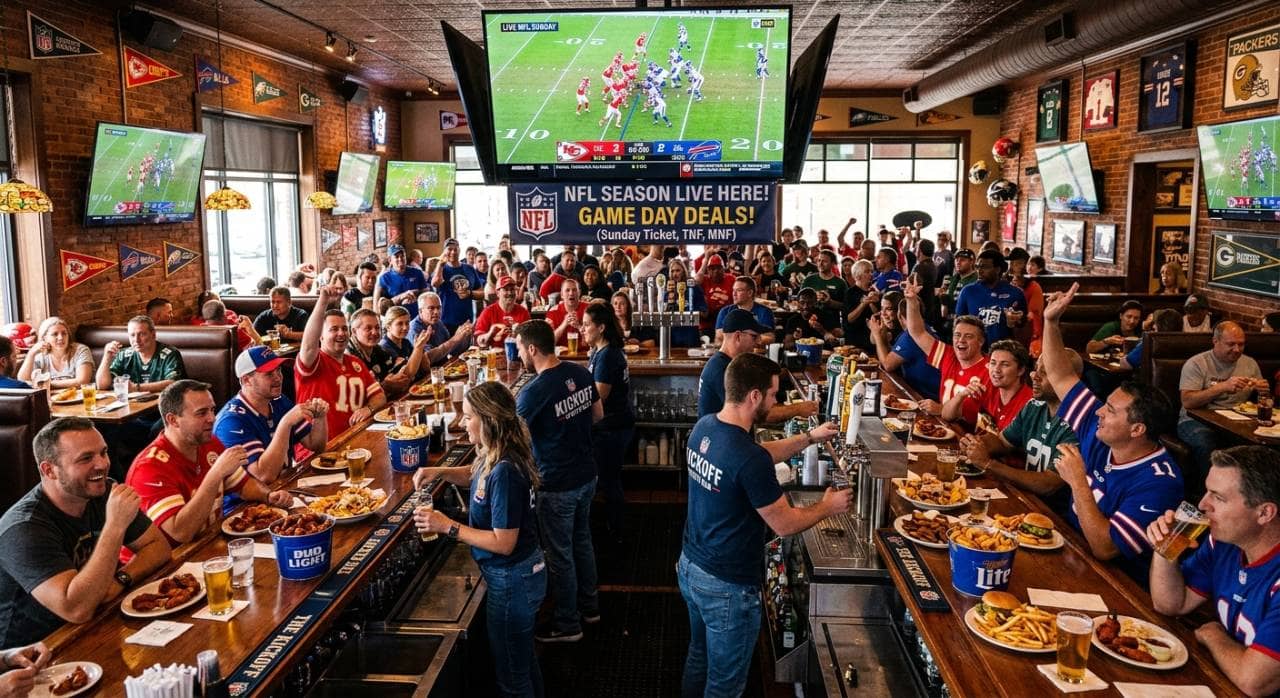
Prepare your restaurant for NFL season with smart menu planning, staffing, marketing, technology, and atmosphere strategies that boost season-long revenue.
Sep 9, 2026
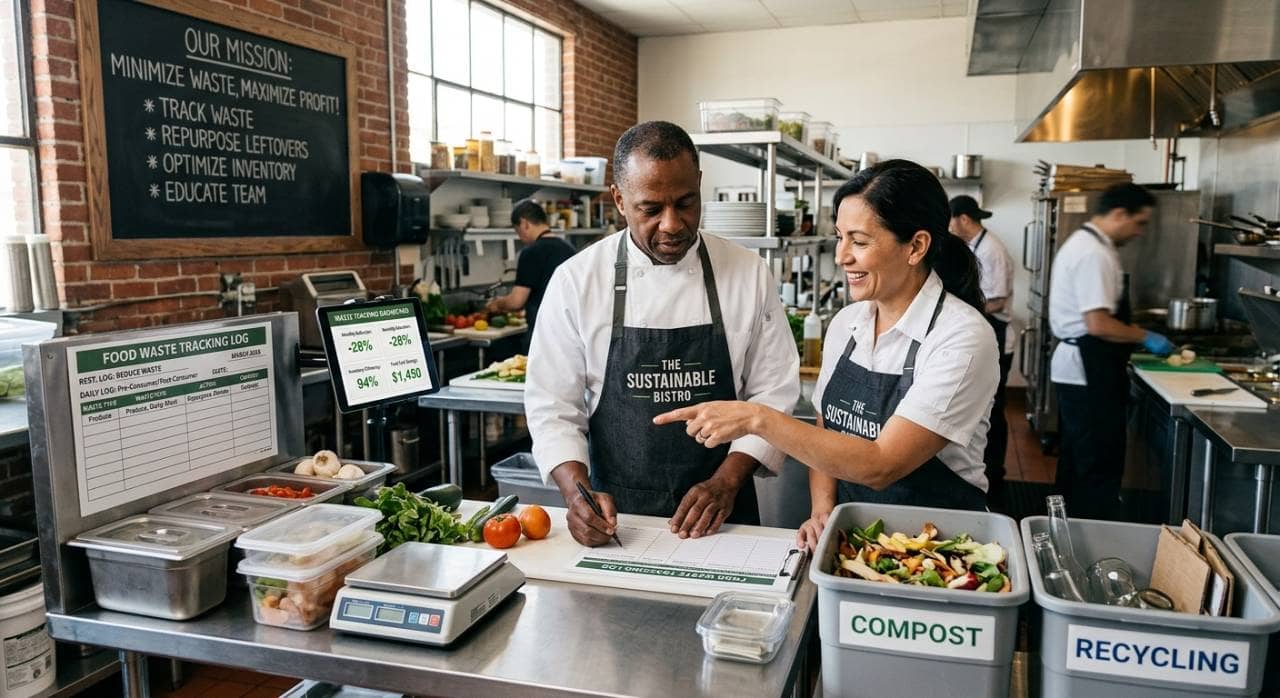
Learn how to reduce food waste in restaurants through smarter purchasing, storage, preparation, and service strategies that cut costs.
Sep 9, 2026
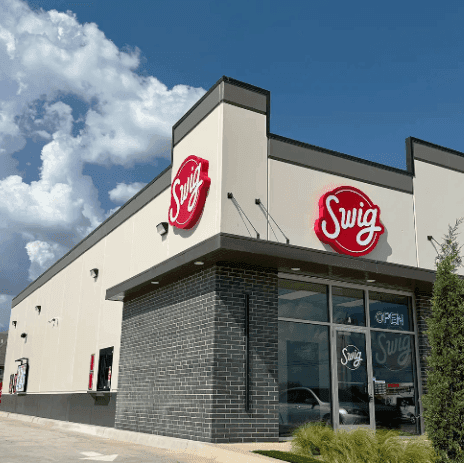
Swig signs franchise agreement for 11 South Denver locations, marking Colorado entry and validating its national expansion strategy.
Sep 8, 2026

Unlock Exclusive Access To Webinars, Events, And The Latest News For Free!
Learn how to handle a health inspection with confidence. Discover proven restaurant compliance strategies, food safety practices, staff training methods, and inspection-ready systems that help protect your reputation, avoid costly violations, and maintain operational excellence.
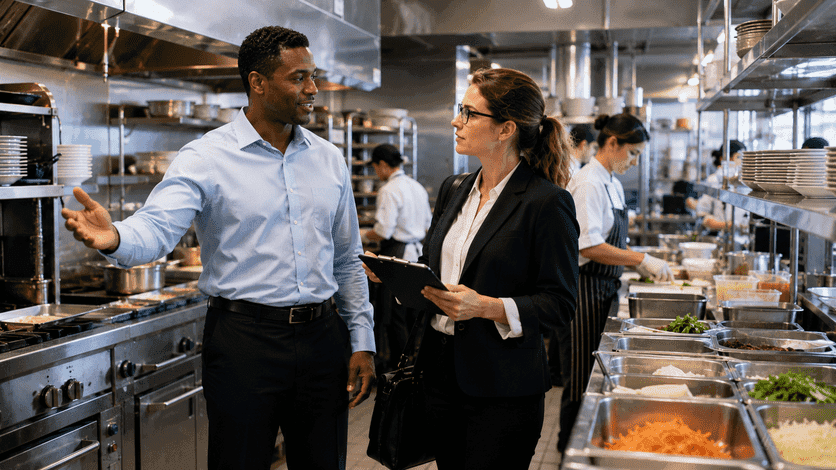
It is 12 PM on a Friday. The ticket printer is going off relentlessly, your expo line is buried under a dozen covers, and you are down a fry cook. Suddenly, your daytime host walks back to the kitchen, pale-faced, and whispers the words every restaurant operator dreads - "The health inspector is here." If your stomach drops at the sight of that clipboard, your restaurant is operating on borrowed time. Relying on sheer luck or hoping you catch the inspector on a "good day" is not a viable business strategy. To protect your livelihood, your staff, and your guests, you must master how to handle a health inspection visit before, during, and after. Failing an inspection is not just an embarrassing public relations nightmare; it is a catastrophic financial event. We are going to strip away the panic and the guesswork. Here is the battle-tested, no-nonsense blueprint for bulletproofing your kitchen so you can confidently welcome the health department through your doors on your busiest day of the year.
In the foodservice industry, margins are notoriously unforgiving. Operating a non-compliant kitchen bleeds your profitability long before the inspector ever writes a citation. Consider the true cost of failing an inspection -
The secret to passing a health inspection is realizing that the actual visit is just a formality. Your grade is determined by what your staff does on the 364 days the inspector is not in the building.
You cannot cram for a health inspection. You must build daily systems that make compliance automatic.
When the inspector arrives, the tone you set dictates the entire visit. Do not panic, do not argue, and do not offer them free food (which can be construed as a bribe).
The inspector has printed the final report, handed you your grade, and left the building. Your work is not over.
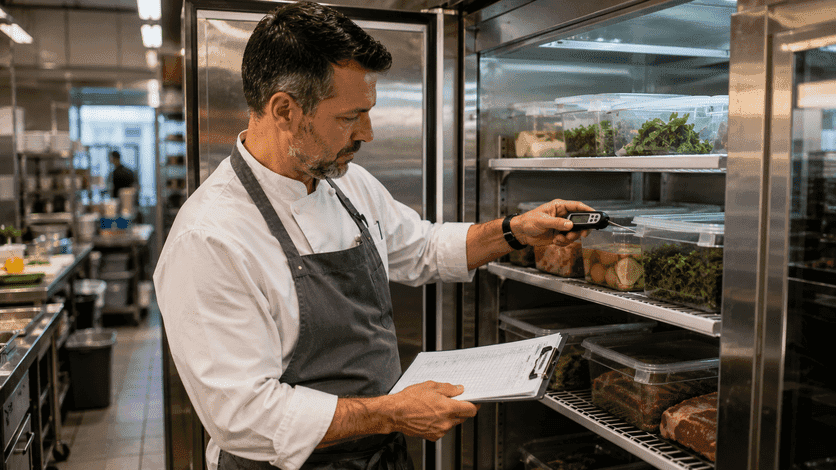
Implementation is where operators fail. You cannot just read a checklist; you have to weave it into the daily fabric of your restaurant. Use these specific timeframes to implement your safety systems.
Your systems are entirely useless if your 19-year-old dishwasher and your veteran grill cook are not on the same page. Training is not a one-time event during onboarding; it is a daily conversation.
How do you know if your operational systems are actually working? A highly compliant, zero-panic kitchen has specific, measurable characteristics -
