Pei Wei Wins Best Fast-Casual Chain Award
Pei Wei Asian Kitchen named Best Fast-Casual Chain in Reviewed 2026 Awards, reflecting shift from price competition to quality and transparency.
News
Sep 11, 2026
Pei Wei Asian Kitchen named Best Fast-Casual Chain in Reviewed 2026 Awards, reflecting shift from price competition to quality and transparency.
Sep 11, 2026

O'Charley's shuttered all corporate restaurants nationwide on September 9, 2026, ending its 55-year legacy as a casual-dining regional powerhouse.
Sep 11, 2026
Authentic Restaurant Brands lands $325M investment from Trimontium to fuel disciplined regional expansion across five established restaurant concepts.
Sep 11, 2026

Walmart expands restaurant delivery beyond Subway and Dunkin', taking on DoorDash, Uber Eats, and Grubhub with Papa Johns nationwide rollout.
Sep 11, 2026

Complete NFL season restaurant checklist covering licensing, AV setup, menu prep, inventory, staffing, and marketing before kickoff arrives.
Sep 11, 2026

California shifts to public enforcement strategy against Dickey's for deceptive franchise disclosures, signaling stricter state-level franchise oversight.
Sep 10, 2026
Paul Brown temporarily steps away from Inspire Brands as Scott Murphy assumes interim CEO role during confidential IPO filing process targeting late 2026.
Sep 10, 2026
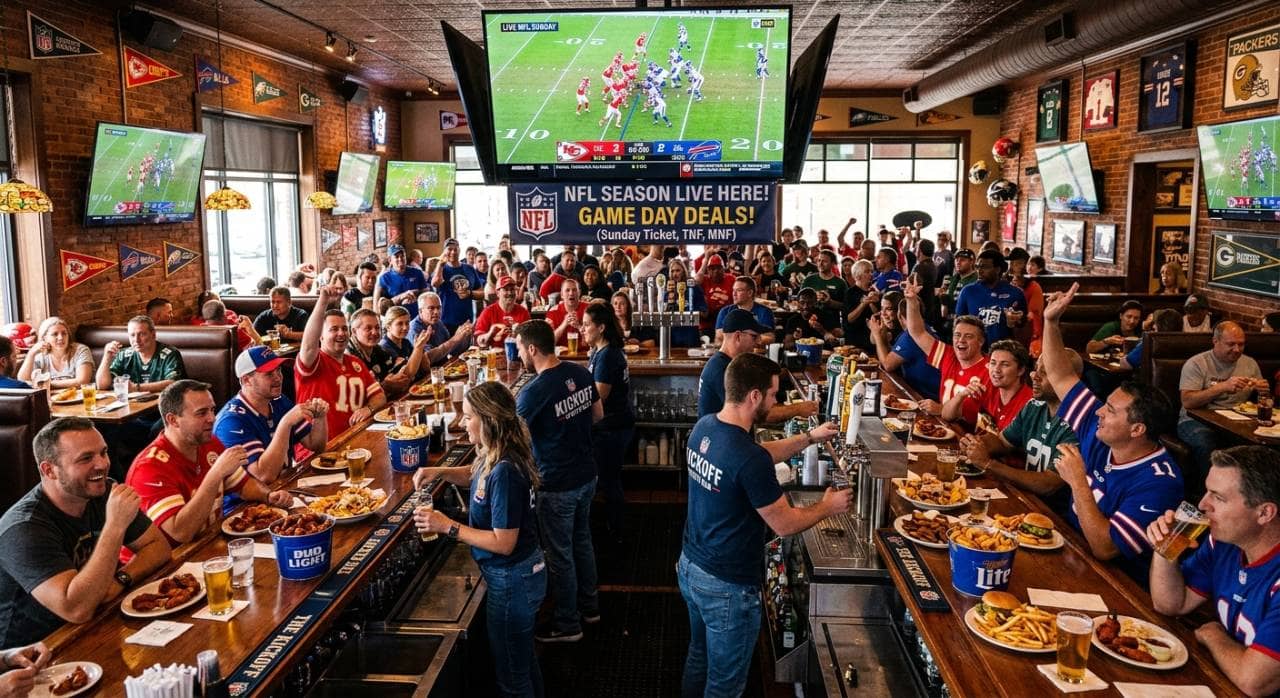
Prepare your restaurant for NFL season with smart menu planning, staffing, marketing, technology, and atmosphere strategies that boost season-long revenue.
Sep 9, 2026
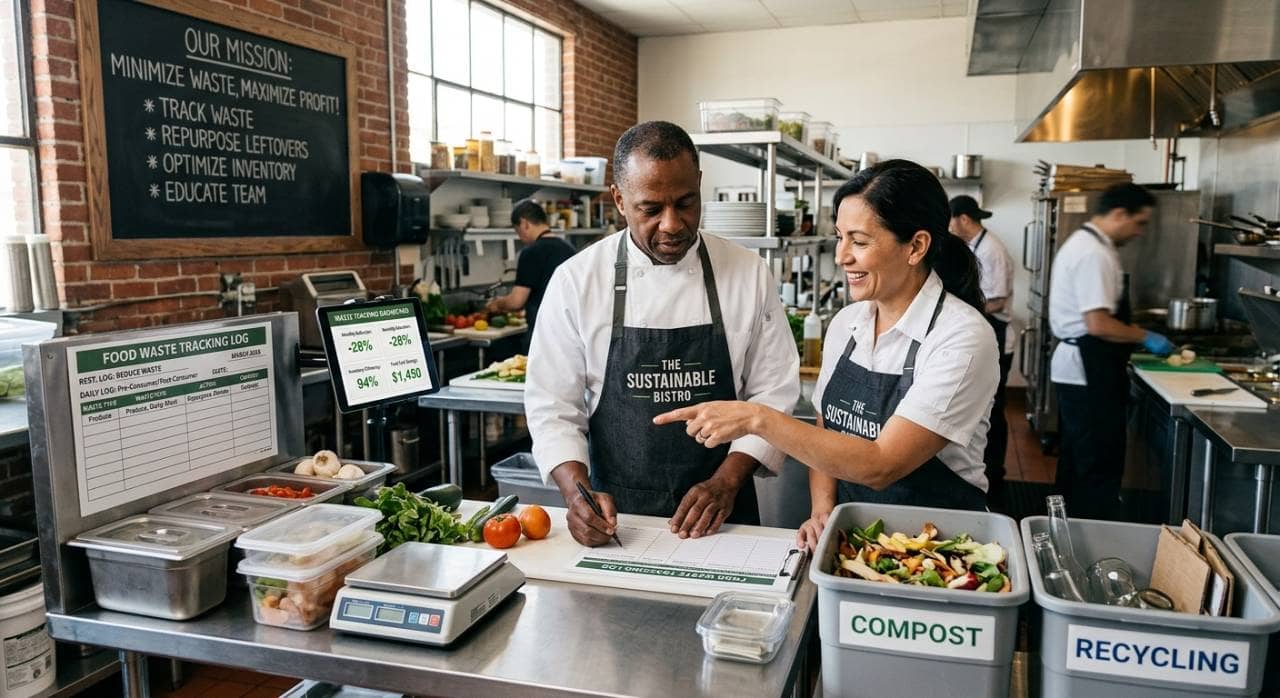
Learn how to reduce food waste in restaurants through smarter purchasing, storage, preparation, and service strategies that cut costs.
Sep 9, 2026
Swig signs franchise agreement for 11 South Denver locations, marking Colorado entry and validating its national expansion strategy.
Sep 8, 2026

Unlock Exclusive Access To Webinars, Events, And The Latest News For Free!
Learn how to reduce food waste in your restaurant with proven strategies for inventory management, portion control, waste tracking, and menu optimization without compromising food quality.
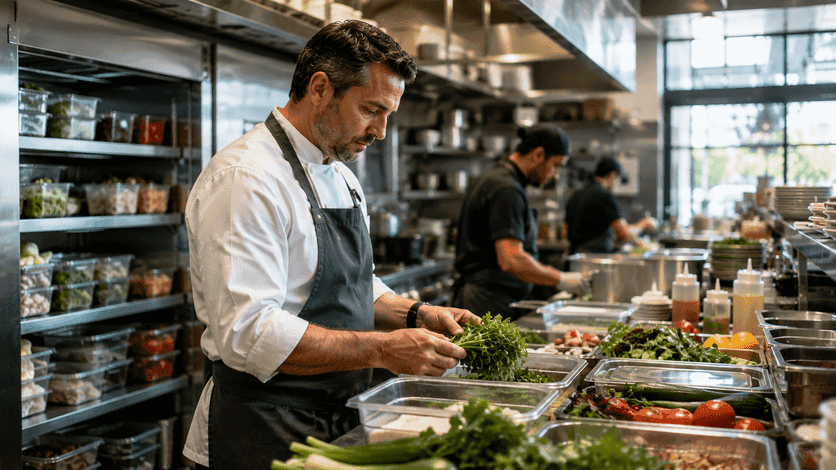
It is 11 PM on a Saturday. You are walking through the kitchen doing your final checks before locking the doors. You glance into the transparent prep trash cans and your stomach sinks. Sitting on top of the pile are three perfectly good steaks that were overcooked, two quarts of house-made hollandaise sauce that broke because they were held at the wrong temperature, and a mountain of wilted artisan greens that were prepped days too early. You aren't just looking at garbage; you are looking at your net profit for the entire night sitting at the bottom of a plastic bin. In the foodservice industry, food cost is one of the "Big Two" controllable expenses (alongside labor). Yet, the amount of usable, expensive product that gets thrown away daily in the average independent restaurant is staggering. Many operators falsely believe that trimming waste means cutting corners, reducing portion sizes to an insulting degree, or serving sub-par ingredients. This is a myth. Mastering how to reduce food waste in your restaurant without sacrificing menu quality is about precision, accountability, and ruthless operational systems. Let’s strip away the fluff. Here is the battle-tested, no-nonsense blueprint for tightening your kitchen, empowering your staff, and rescuing your profit margins from the dumpster.
The restaurant industry operates on razor-thin margins, typically hovering between 4% and 8% for a healthy independent operator. When you operate on these margins, every single dollar you save on Cost of Goods Sold (COGS) drops straight to your bottom line. If you want to increase your profit by $1,000, you have two choices -
You cannot fix what you do not measure. To build a highly efficient kitchen, you must implement a rigid system that tracks product from the moment it comes off the delivery truck to the moment it hits the guest's plate. Here is the specific, multi-point system you need to deploy.
You cannot walk into your kitchen tomorrow morning, yell about food waste, and expect long-term change. You must phase this system into your operations to ensure the culture actually adopts it. Phase 1- The Audit and The Baseline (Days 1 to 7) Do not change any recipes or portion sizes yet. Your only goal this week is to collect data.
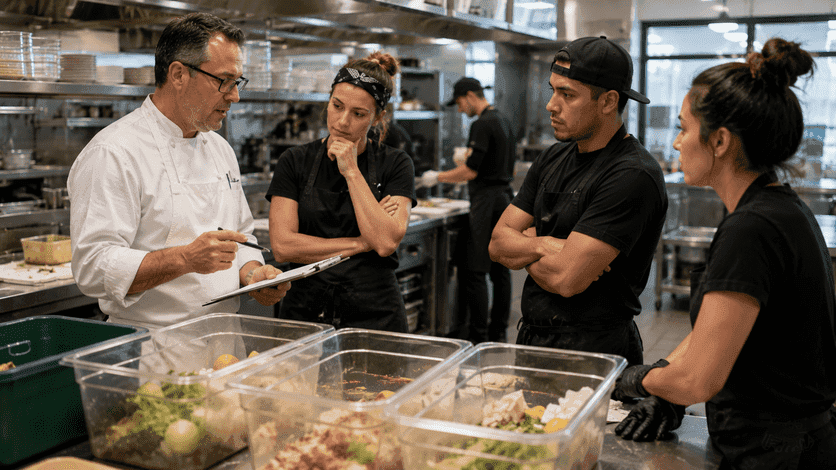
Your systems are only as strong as the people executing them. If your dishwasher doesn't understand why scraping plates into a specific bucket matters, they won't do it. Back of House Training - Do not just tell your line cooks to "stop wasting food." Explain the economics. Tell them- "Our profit margin is 6%. When we throw away a $20 steak, we have to sell $330 worth of food just to break even on that mistake. If we stop throwing away our profits, I can afford to buy the new grill equipment we need, and I can afford to give out merit-based raises." When you tie food waste directly to their quality of life and compensation, they will become militant about protecting your product. Front of House Training - Your servers and bartenders are your first line of defense against food waste. Hold a pre-shift meeting and train your servers to act as menu consultants. If a guest orders an appetizer, two huge entrees, and a heavy side dish, the server should be trained to politely say- "Our portions are quite generous! Why don't we start with the appetizer and the entrees, and we can always put in an order for the side dish later if you are still hungry?" This protects the guest's wallet and protects your food from ending up in the trash. Train servers to accurately input modifications. If a guest asks for "no onions," the server must ring it in correctly. If they forget, the kitchen makes it with onions, the guest sends it back, and that entire plate of food goes in the garbage. POS accuracy is a massive factor in reducing waste.
How do you know if your zero-waste initiatives are actually working? You must track two specific Key Performance Indicators (KPIs) on a weekly basis.
Running a profitable restaurant does not require magic; it requires relentless attention to detail. Every wilted head of lettuce, every over-portioned side of fries, and every misfired ticket is a direct assault on the financial health of your business. When you dedicate yourself to mastering how to reduce food waste in your restaurant without sacrificing menu quality, you elevate the standard of your entire operation. You serve fresher food, you create a culture of accountability among your staff, and you build a financial cushion that allows your restaurant to weather the inevitable storms of the hospitality industry. Ready to implement these strategies and take total control of your kitchen? Stop managing by the seat of your pants and start using professional systems. For comprehensive recipe costing templates, daily prep sheet downloads, and complete inventory tracking guides, explore the extensive operational resources available today at RestaurantAssociation.com. Protect your product, protect your people, and protect your margins.