.png&w=3840&q=70)
Wendy's Top Franchisee Bankruptcy Exposes Growth Risks
Meritage Hospitality's Chapter 11 filing pulls 5% of Wendy's U.S. stores into bankruptcy, exposing cracks in franchising's bigger-is-safer bet.
Franchising
Sep 21, 2026
Meritage Hospitality's Chapter 11 filing pulls 5% of Wendy's U.S. stores into bankruptcy, exposing cracks in franchising's bigger-is-safer bet.
Sep 21, 2026
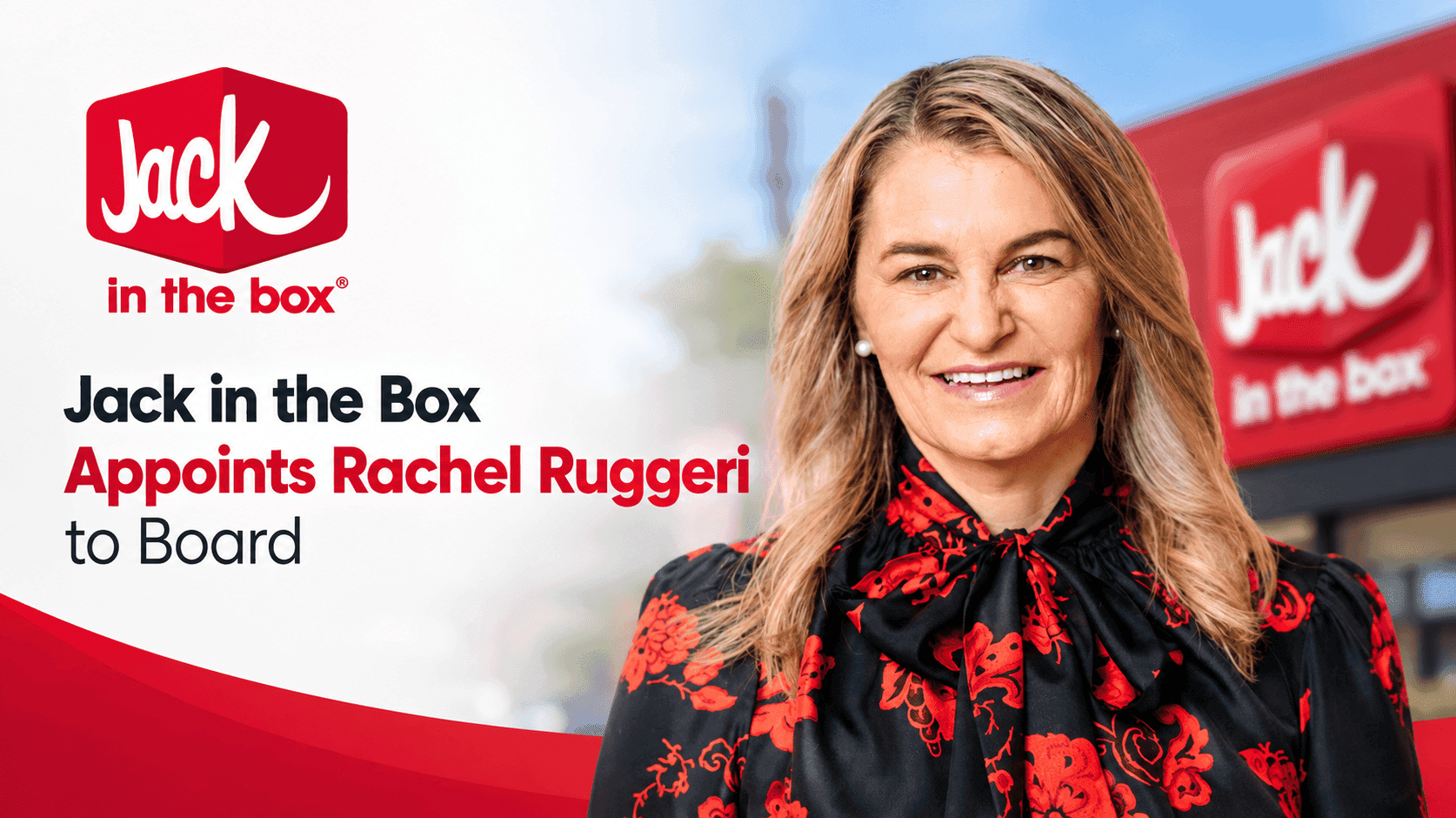
Jack in the Box names Rachel Ruggeri to its board as Michael Murphy retires, amid a CEO transition and deal with investor GreenWood.
Sep 21, 2026

Restaurant inventory tracking helps owners monitor stock, control food costs, reduce waste, improve purchasing, and make informed operational decisions.
Sep 21, 2026

Improve restaurant Google Maps rankings by optimizing your business profile, selecting accurate categories, gathering reviews, adding photos, and strengthening local relevance signals.
Sep 21, 2026

Understand how to forecast restaurant revenue and expenses with methods for sales projection, cost scaling, fixed-cost planning, and risk buffering.
Sep 18, 2026

Restaurant owners can significantly reduce restaurant costs by leveraging technology across inventory, labor, procurement, forecasting, and administrative operations for better profit margins.
Sep 18, 2026

everbowl names Anna Gabele Brand President and Natalie Trzcinski COO, pulling both from Jack in the Box to guide its next growth phase.
Sep 18, 2026

Mountain Mike's Pizza hires Jack in the Box veteran Sheena Dougher as CMO to drive national growth while preserving its regional brand identity.
Sep 17, 2026

From fixed costs to contribution margin, learn exactly how to calculate your restaurant's break even point with confidence.
Sep 16, 2026

DoorDash pays $425M for Wonder's campus dining platform and a stake in Wonder, betting on robotic kitchens and institutional foodservice growth.
Sep 16, 2026

Unlock Exclusive Access To Webinars, Events, And The Latest News For Free!
This step-by-step guide will show restaurant owners exactly how to read their profit & loss statement, spot hidden leaks, and boost profit—no finance degree required.

You know exactly how to execute a perfect dinner rush, cook a great sauce, and calm down an unhappy VIP guest before they ever think about opening Yelp. But when the end of the month rolls around and your bookkeeper emails over a spreadsheet full of confusing abbreviations, you might feel a sudden urge to go organize the walk-in cooler instead. If checking your bank account balance is your main method of tracking your finances, you are flying blind. Cash in the bank does not equal profitability. To truly take control of your business, you need to know how to read your restaurant's profit & loss statement without an accountant holding your hand. This guide is designed for the operators in the trenches. We are going to strip away the complex financial terms and break down your P&L into simple, easy-to-digest pieces. By the end of this breakdown, you will be able to look at that spreadsheet and instantly spot where your money is flowing, where it is leaking, and exactly what changes you need to make to increase your profits.
A Profit & Loss statement (often called an Income Statement or simply a P&L) is essentially your restaurant’s health check on a piece of paper. It summarizes your sales, costs, and expenses during a specific time usually a week, a month, or a year. Many independent restaurants struggle not because of weak sales, but because of inconsistent cash flow management and delayed operational adjustments. Many independent operators make the mistake of treating the P&L as a historical document, something to file away for tax season. In reality, it is a diagnostic tool. Your accountant's job is to sort the data accurately. Your job, as the owner, is to read that data and make daily business decisions. Relying entirely on an outsider to read your numbers means you miss out on real-time fixes. If the price of your main meat dish spiked in week one, waiting for an accountant’s summary in week six means you’ve already lost money for a month and a half. Understanding this document allows you to adjust menu prices, cut Tuesday afternoon labor, or negotiate with your suppliers immediately.
Think of your P&L as a funnel. At the very top, you pour in every single dollar that enters the restaurant. As that money flows down, various costs and expenses take their cut. Whatever makes it to the very bottom is what you actually get to keep. Here is how to look at each layer of that funnel.
Even when owners start looking at their financial statements, they often fall into a few predictable traps.

Transitioning from avoiding your finances to mastering them won't happen overnight. Start building these habits- Weekly -
Running a successful kitchen is an art, but running a successful restaurant is a science. The math does not lie. Once you realize that the P&L is not a report card judging your worth, but rather a map highlighting exactly where the treasure is buried in your business, you will stop dreading it. Mastering how to read your restaurant's profit & loss statement without an accountant allows you to take ownership of your financial destiny. You don't need a degree in finance; you just need to know your Prime Costs, protect your margins, and fix the small leaks before they become floods. Ready to dive deeper into protecting your restaurant's margins? Explore more templates, operational guides, and expert advice at RestaurantAssociation.com to equip your business for long-term success.
