Pei Wei Wins Best Fast-Casual Chain Award
Pei Wei Asian Kitchen named Best Fast-Casual Chain in Reviewed 2026 Awards, reflecting shift from price competition to quality and transparency.
News
Sep 11, 2026
Pei Wei Asian Kitchen named Best Fast-Casual Chain in Reviewed 2026 Awards, reflecting shift from price competition to quality and transparency.
Sep 11, 2026

O'Charley's shuttered all corporate restaurants nationwide on September 9, 2026, ending its 55-year legacy as a casual-dining regional powerhouse.
Sep 11, 2026
Authentic Restaurant Brands lands $325M investment from Trimontium to fuel disciplined regional expansion across five established restaurant concepts.
Sep 11, 2026

Walmart expands restaurant delivery beyond Subway and Dunkin', taking on DoorDash, Uber Eats, and Grubhub with Papa Johns nationwide rollout.
Sep 11, 2026

Complete NFL season restaurant checklist covering licensing, AV setup, menu prep, inventory, staffing, and marketing before kickoff arrives.
Sep 11, 2026

California shifts to public enforcement strategy against Dickey's for deceptive franchise disclosures, signaling stricter state-level franchise oversight.
Sep 10, 2026
Paul Brown temporarily steps away from Inspire Brands as Scott Murphy assumes interim CEO role during confidential IPO filing process targeting late 2026.
Sep 10, 2026
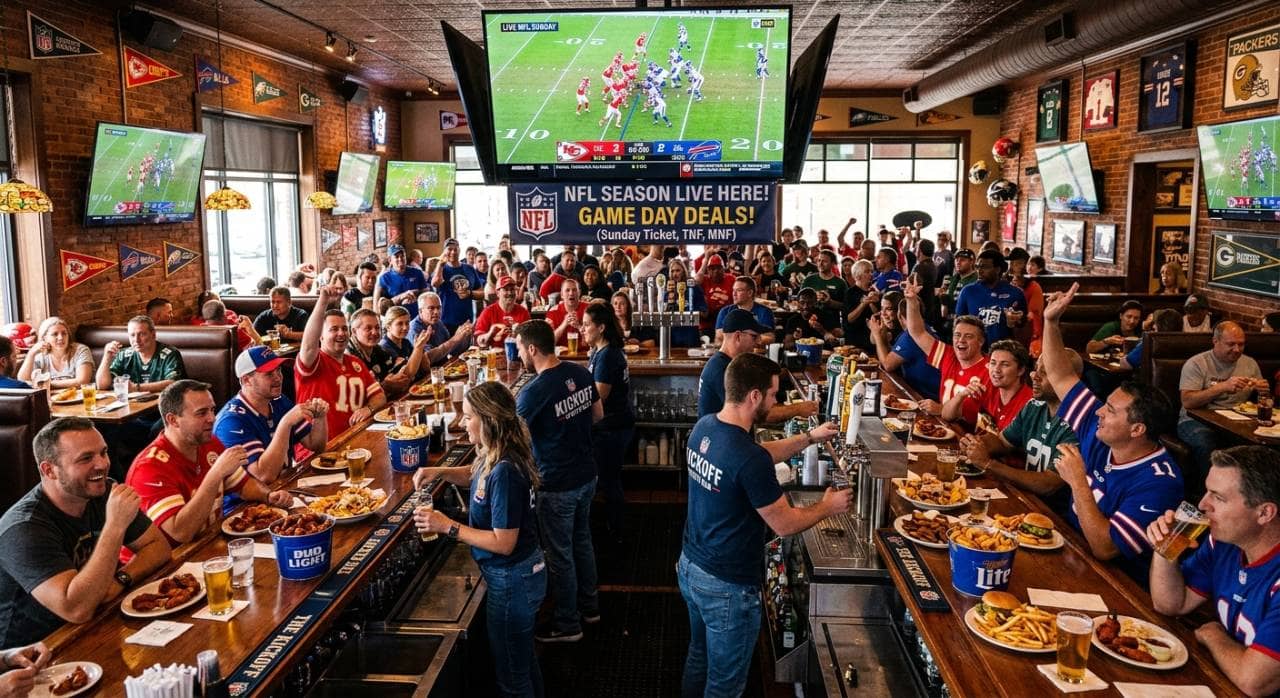
Prepare your restaurant for NFL season with smart menu planning, staffing, marketing, technology, and atmosphere strategies that boost season-long revenue.
Sep 9, 2026
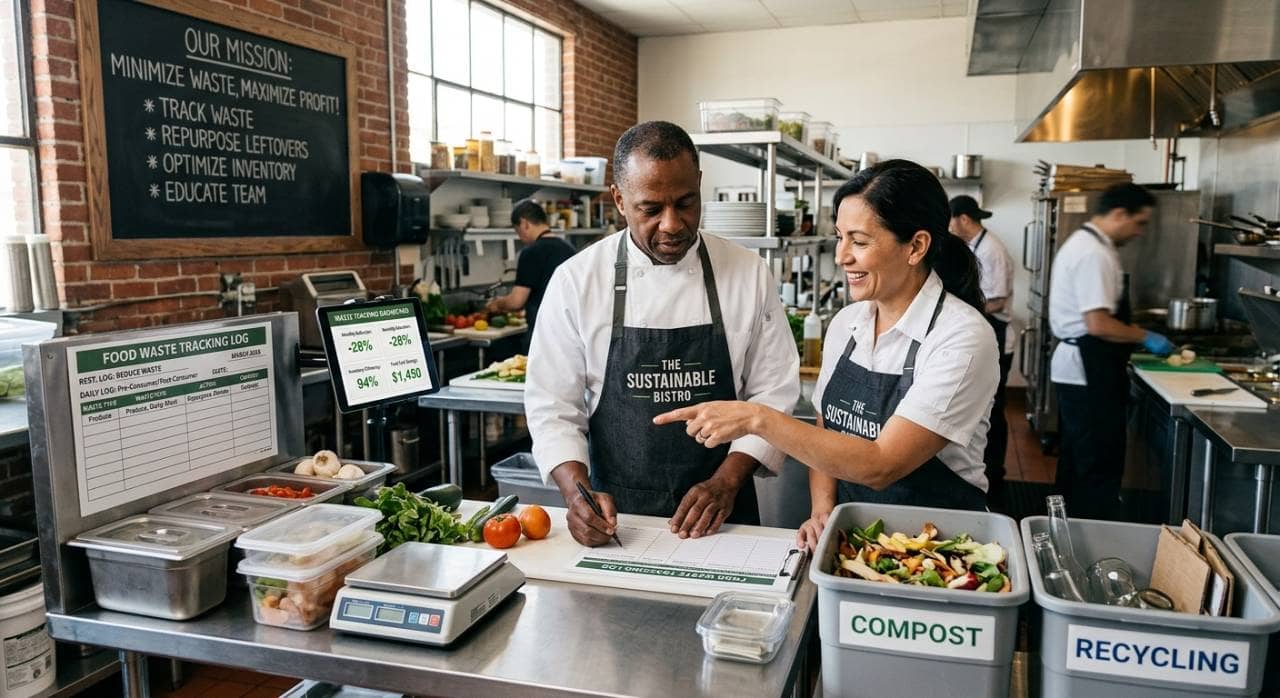
Learn how to reduce food waste in restaurants through smarter purchasing, storage, preparation, and service strategies that cut costs.
Sep 9, 2026
Swig signs franchise agreement for 11 South Denver locations, marking Colorado entry and validating its national expansion strategy.
Sep 8, 2026

Unlock Exclusive Access To Webinars, Events, And The Latest News For Free!
What Is Curbside pickup allows customers to purchase and receive products without leaving their cars, streamlining the transaction process and limiting in-store occupancy.
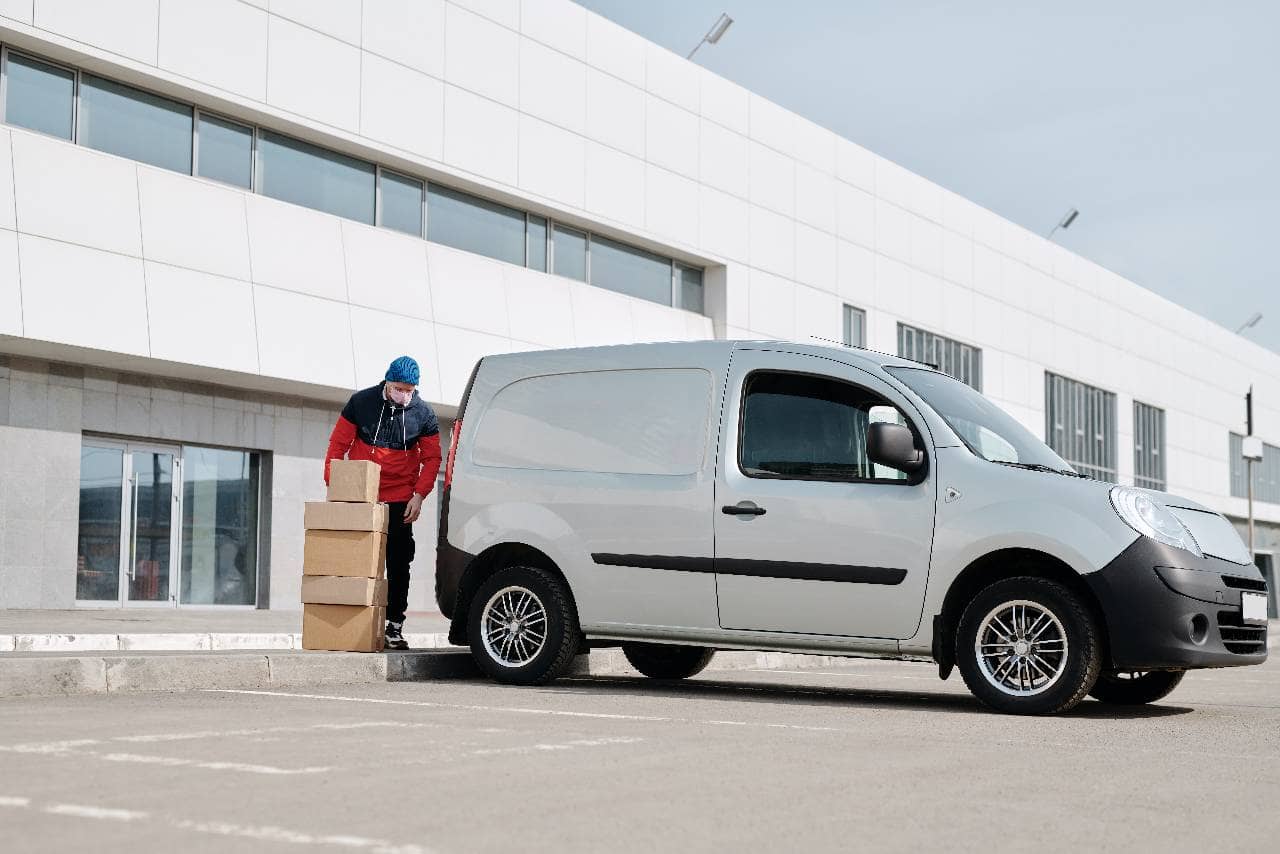
Many organizations are offering curbside pickup to streamline transactions and provide personalized customer service. As part of retail management, businesses are responsible for providing convenient shopping for customers. With curbside pickup, customers place their orders online, by phone, or via mobile app using a credit card. Once the order is fulfilled, the consumer is alerted by an email, call, or text indicating that they can pick up their items. Depending on the business, they may have designated parking spots or windows where the buyer needs to park to retrieve their products. Once the purchase and customer are verified, an employee hands over the order or places it in the car's trunk. This option attracts customers with busy schedules and health concerns, allowing companies to enhance the consumer experience. Therefore, businesses looking to offer curbside pickup should understand its benefits and requirements before implementation.

Offering curbside pickup allows customers to place online orders and receive the items at a pickup location without leaving their cars. Whether this is done via drive-thru windows or contactless pickups, curbside pickup limits person-to-person contact. This convenience is a modification of the in-store pickup method that many businesses, such as Target, use to streamline the checkout process. These options save customers time and reduce the store's shipping expenses and package usage. However, curbside pickup has become even more popular with today's public concerns of COVID-19. Many businesses are operating under restrictions that aim to keep customers and employees safe. However, stores that can serve consumers without them physically entering the facility can implement curbside pickup to maintain sales and protect public health. For example, grocery stores and restaurants can accept orders placed online or via mobile apps for quick curbside pickup, eliminating exposure and health risks. Businesses can also keep current employees working, promote inventory turnover, and show loyal customers that they value their wellbeing. Therefore, implementing health-conscious alternatives, such as curbside pickup, can generate revenue while boosting employee and customer satisfaction.

Especially with the current health mandates placed to limit the spread of COVID-19, many businesses have implemented curbside pickup to limit their in-store occupancy while maintaining revenue. Customers enjoy this convenience because they do not have to leave their cars, and companies are happy to remain in business. However, there are four essential steps to follow for successful curbside pickup- 1. Reserve Curbside Pickup Spots Designate parking spaces close to the entrance for pickup orders so employees can quickly deliver the items. Without reserved spots, staff may have trouble finding customers. Placing pickup spaces near the store's entrance also advertises the service to customers walking into the facility. Businesses that are unable to reserve spots close to the building should consider installing cameras or designating an employee to monitor customers waiting for their orders.

2. Focus On Staffing Needs Although consumer interaction is limited, curbside pickup still requires excellent customer service to promote business and retention. Therefore, dedicating staff to orchestrate pickups can streamline transactions and improve satisfaction. Using a separate host stand allows employees to handle deliveries apart from in-store guests, avoiding confusion and unnecessary delays. Staff should also be trained to note the customer's car and order number to identify persons before authorizing curbside pickup. 3. Select the Correct Packaging Additionally, foodservice businesses should invest in insulated packaging that keeps dishes at their optimal temperatures. Proper containers ensure that customers enjoy their meals once they get home without worrying if the food will get cold during the drive. By preserving the guest experience, businesses can boost customer return and satisfaction. 4. Provide Clear Instructions Whether the customer is placing an order online or over the phone, they should be able to pay with a credit card to streamline and secure the transaction process. Once the order is placed, businesses should make sure customers have clear instructions on how, when, and where to go for the curbside pickup. Customers can be prompted to pick up orders with a confirmation email, call, or text that outlines when their purchases will be available and how to retrieve them.

When implementing curbside pickups, organizations need to communicate with their staff and clientele clearly to avoid any uncertainties. In order to ensure smooth processes while operating with disruptions, businesses should consider the following best practices.