Jay Spongberg Named President, COO of WKS Restaurant Group
WKS Restaurant Group promotes Jay Spongberg to president and COO after he helped grow the company from 65 to 382 restaurants over 16 years.
News
Sep 23, 2026
WKS Restaurant Group promotes Jay Spongberg to president and COO after he helped grow the company from 65 to 382 restaurants over 16 years.
Sep 23, 2026

Smokey Mo's BBQ names Von Dawson, a Dine Brands veteran, as VP of Franchise Development to lead its Texas expansion strategy.
Sep 23, 2026
.png&w=3840&q=70)
Meritage Hospitality's Chapter 11 filing pulls 5% of Wendy's U.S. stores into bankruptcy, exposing cracks in franchising's bigger-is-safer bet.
Sep 21, 2026
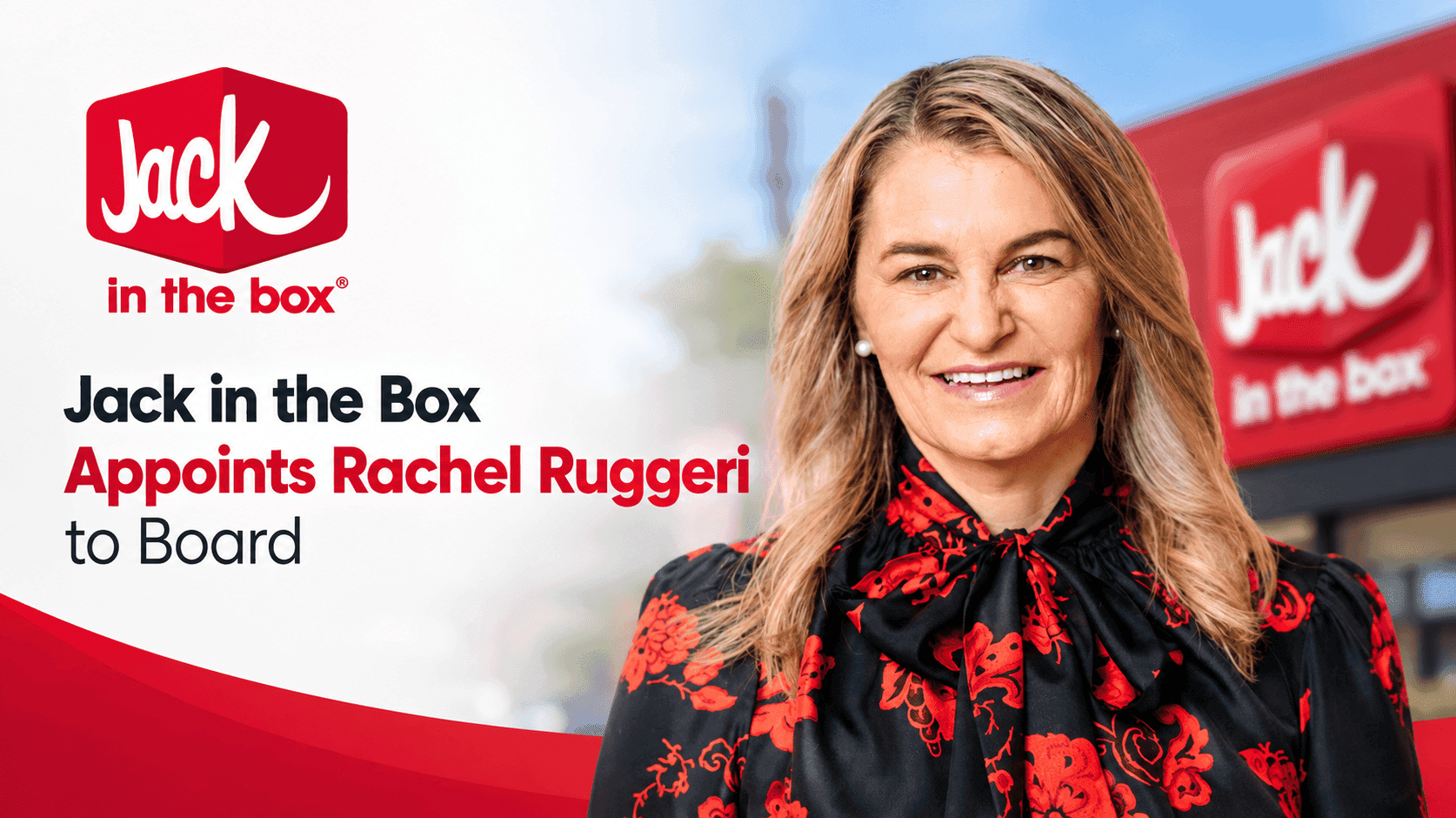
Jack in the Box names Rachel Ruggeri to its board as Michael Murphy retires, amid a CEO transition and deal with investor GreenWood.
Sep 21, 2026
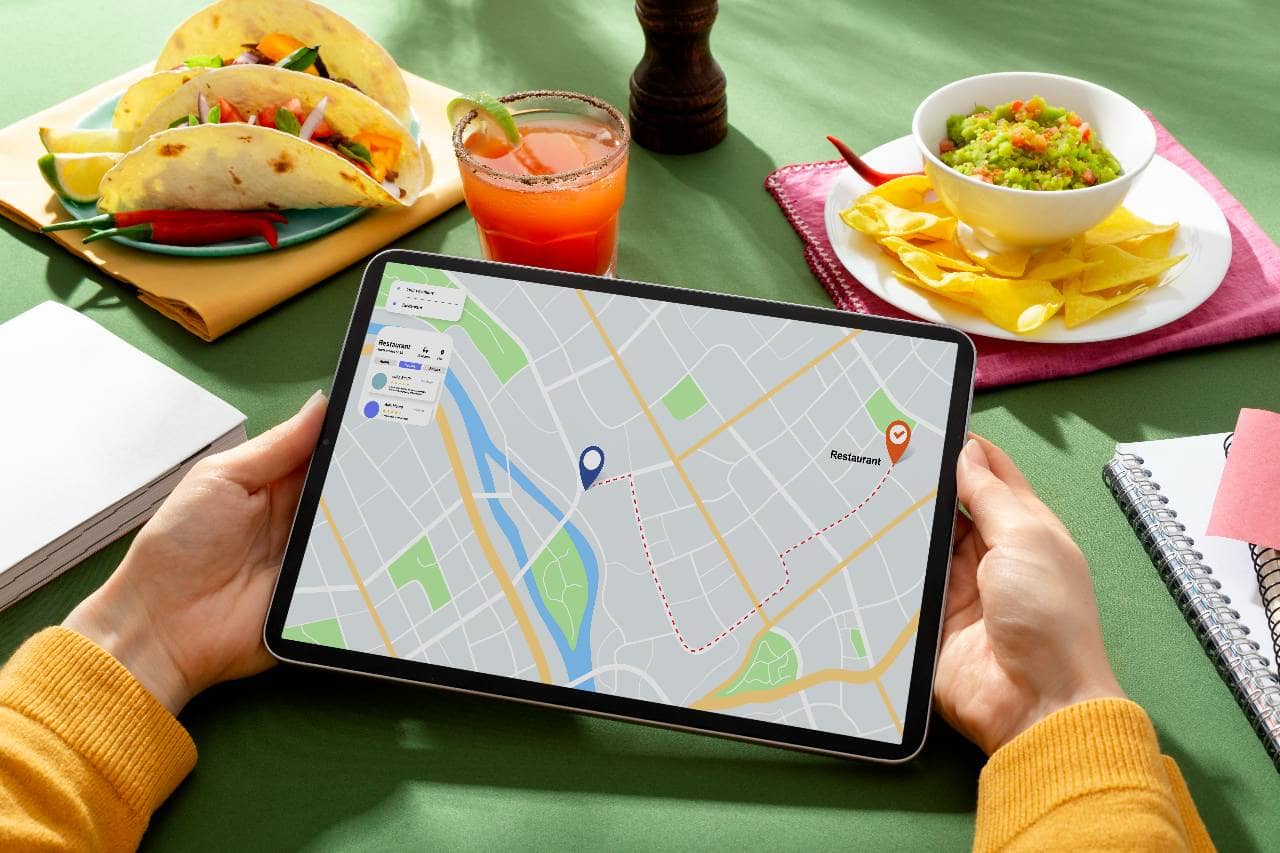
Improve restaurant Google Maps rankings by optimizing your business profile, selecting accurate categories, gathering reviews, adding photos, and strengthening local relevance signals.
Sep 21, 2026

Restaurant inventory tracking helps owners monitor stock, control food costs, reduce waste, improve purchasing, and make informed operational decisions.
Sep 21, 2026

Restaurant owners can significantly reduce restaurant costs by leveraging technology across inventory, labor, procurement, forecasting, and administrative operations for better profit margins.
Sep 18, 2026

Understand how to forecast restaurant revenue and expenses with methods for sales projection, cost scaling, fixed-cost planning, and risk buffering.
Sep 18, 2026

everbowl names Anna Gabele Brand President and Natalie Trzcinski COO, pulling both from Jack in the Box to guide its next growth phase.
Sep 18, 2026

Mountain Mike's Pizza hires Jack in the Box veteran Sheena Dougher as CMO to drive national growth while preserving its regional brand identity.
Sep 17, 2026

Unlock Exclusive Access To Webinars, Events, And The Latest News For Free!
Carl's Jr. has launched a "Pass on Jack" marketing campaign rewarding loyalty members with a free Sourdough Star burger for driving past a Jack in the Box to reach a Carl's Jr. location- a direct shot at its California-based burger rival.
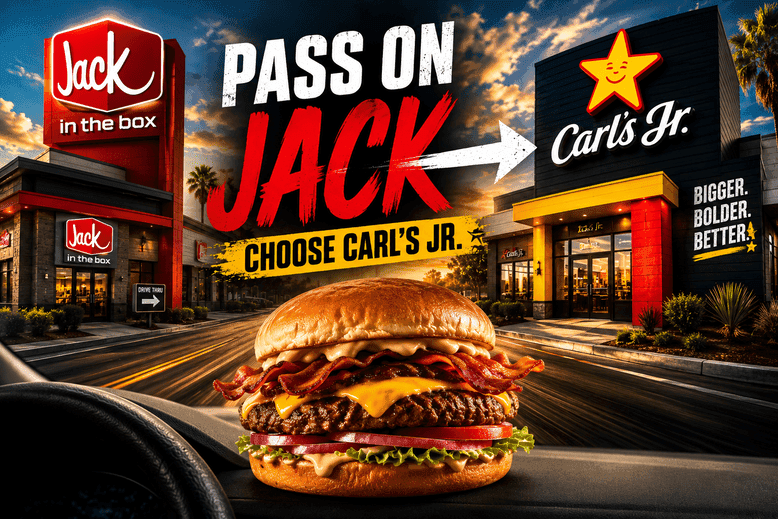
Carl's Jr. has thrown down the gauntlet in the California burger wars. The CKE Restaurants-owned chain has launched a marketing campaign called "Pass on Jack"- a direct challenge to rival Jack in the Box that rewards loyal customers for choosing Carl's over its competitor. Members of the Carl's Jr. loyalty programme who can provide evidence that they drove past a Jack in the Box location to reach a Carl's Jr. will earn a free Sourdough Star burger through the Carl's Jr. app. The campaign kicked off on Tuesday, with qualifying submissions redeemable until July 7. It is the kind of bold, rivalry-driven marketing move that fast food brands deploy when the competitive environment intensifies- and right now, the burger category is about as competitive as it gets.
The mechanics of the "Pass on Jack" promotion are straightforward and deliberately playful. Customers upload a screenshot of a GPS route or any other form of proof demonstrating that they passed a Jack in the Box location on their way to a Carl's Jr. restaurant. Qualifying submissions unlock a free Sourdough Star burger redeemable through the Carl's Jr. app before July 7. The barrier to entry is low- a phone screenshot is all it takes- but the engagement it requires is high. By asking customers to actively document their loyalty, Carl's Jr. is not just rewarding existing fans but generating a wave of user participation and social media content that extends the campaign's reach well beyond paid media. It is a smart activation built around a simple but provocative idea.
Paz Romero, VP of Brand Marketing for Carl's Jr., was refreshingly direct about the thinking behind the campaign. "When hunger strikes on a road trip, it's tempting to pull over at the first burger joint you see," she said. "This summer, we know our loyal fans and new customers are bound to drive by a Carl's Jr., so we want to reward them for stopping at the best burger option on the road." The phrasing is deliberate- "the best burger option on the road" is not a subtle positioning statement. It is a direct claim of superiority over a named rival, delivered with the kind of confidence that tends to cut through in a crowded fast-food marketing landscape. For a brand looking to win back customers who have been cutting back on restaurant visits, that clarity of message is a strategic asset.
The rivalry between Carl's Jr. and Jack in the Box is rooted in geography and history in equal measure. Robert Peterson opened the first Jack in the Box in San Diego in 1951, and the chain remains headquartered there today. Carl and Margaret Karcher opened the first Carl's Jr. in Anaheim five years later, building on experience gained from a hot dog cart and a barbecue restaurant. Both brands grew up in California, and both have maintained a heavy presence in the state ever since. Jack in the Box operates 938 California locations- 44% of its more than 2,100 total US restaurants. Carl's Jr. is even more California-concentrated, with 629 of its 992 domestic locations in the state, representing 63.4% of its US footprint. When two brands are competing for the same customers in the same geography at this level of density, a direct rivalry campaign is not just marketing- it is a logical extension of the competitive reality on the ground.
The "Pass on Jack" campaign arrives against a backdrop of genuine commercial pressure for both brands. Carl's Jr. saw US system sales fall 6% last year and closed nearly 4% of its domestic locations during the same period, though its international business performed more strongly with location count growing 6.9%. Jack in the Box, currently operating under interim CEO Mark King, fared only marginally better- sales declined 4.3% and the chain closed 2.5% of its US restaurants. The broader context is a fast-food industry in which consumers have been pulling back on restaurant visits, intensifying competition for every customer and every transaction. In that environment, actively poaching customers from a direct rival- and incentivising them to document the switch- is not just creative marketing. It is a response to a genuine business imperative.
The free burger at the centre of the "Pass on Jack" offer is no afterthought. Carl's Jr. brought back its Sourdough Star last month for a limited time, and the campaign is being used as a vehicle to drive awareness and trial of the returning menu item. The Sourdough Star features a charbroiled patty topped with two strips of bacon, classic sauce, grilled onions, melted American cheese, lettuce, tomato, and mayonnaise, all served on toasted sourdough bread. It is a premium-feeling product that gives Carl's Jr. a specific quality story to tell alongside the competitive one- reinforcing the implicit message that passing on Jack is not just a matter of brand loyalty but of getting a genuinely better burger at the end of the drive. The limited-time framing adds urgency, while the loyalty programme mechanic ensures that the campaign builds the brand's digital relationship with its most engaged customers in the process.
